
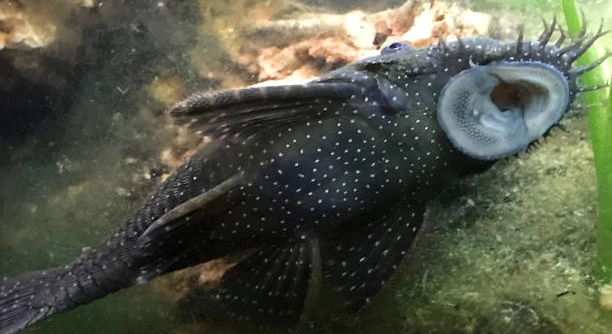
Many fish owners wonder how their aquatic pets manage when food is scarce. Plecos, known for their algae-eating habits, may face a few days without food, raising concerns about their health and well-being.
Plecos can survive for several days without food due to their slow metabolism and ability to store energy. However, prolonged periods without proper nutrition can lead to stress, weakened immunity, and potential health complications over time.
Understanding how plecos cope with short-term fasting helps ensure their tank environment and care routines support their long-term health. Observing these patterns can improve your approach to feeding and maintenance.
How Long Can Plecos Go Without Food
Plecos are resilient fish that can handle short periods without food. Their slow metabolism and natural ability to graze on algae help them survive a few days when you might be away. While they can go without feeding, it’s still important to ensure they have a healthy environment. Algae on tank surfaces or driftwood provides some sustenance. Stress from overcrowding, poor water quality, or sudden changes in temperature can make fasting harder for them. Observing your pleco’s behavior is essential; a lethargic fish may indicate longer-term hunger or health issues. Offering occasional vegetables like zucchini or cucumber can supplement their diet if algae is scarce. Planning feeding schedules in advance reduces the risk of malnutrition and keeps your plecos active. Consistent monitoring of water conditions supports their digestion and overall well-being. Small adjustments to feeding routines can prevent unnecessary stress. Knowing their limits helps maintain a thriving tank and avoids sudden health problems.
Even though plecos can fast for several days, avoid extended periods without feeding.
Maintaining a proper feeding routine ensures your plecos remain healthy. Balanced nutrition and suitable tank conditions prevent stress and disease. Observing how much algae they consume and supplementing with vegetables helps provide necessary nutrients. Tank maintenance, like regular water changes, supports digestion and reduces stress. By paying attention to these factors, you can keep your plecos active and healthy, even during short absences.
Signs Plecos Are Hungry
Some behaviors indicate that your pleco needs food. Scraping surfaces more than usual, increased movement, or appearing restless can be early signs.
Recognizing hunger signals helps you respond promptly and avoid long-term health issues. Watch for changes in color, activity level, or appetite. Consistent observation allows you to adjust feeding practices to meet their needs efficiently. Early intervention prevents stress, keeps metabolism stable, and maintains a balanced tank environment. Proper feeding not only nourishes them but also supports their immune system and overall vitality. Addressing hunger promptly ensures your plecos remain lively and prevents behavioral problems linked to prolonged fasting. Maintaining regular check-ins helps you spot patterns in their feeding habits, making it easier to provide food when needed. Paying attention to these signs keeps your plecos thriving while minimizing potential health risks. Proper diet management combined with clean water and adequate hiding spaces creates a supportive environment for their well-being.
Do you want me to continue with the next headers in your outline?
Preparing Your Tank for Short Fasts
Ensure your tank has plenty of hiding spots and algae-covered surfaces. Driftwood, rocks, and plants provide food sources and reduce stress during short fasting periods. Proper filtration and regular water changes keep the environment stable, which helps your plecos stay healthy without daily feeding.
Monitoring water parameters is essential when plecos are fasting. Stable temperature, pH, and ammonia levels support their metabolism and prevent additional stress. Introducing fresh vegetables occasionally can supplement their diet if algae is insufficient. Avoid overfeeding before a fast, as leftover food can spoil water quality. Maintaining consistency in tank care helps your plecos adapt better to short periods without food, minimizing risks of illness or lethargy. By planning ahead, you ensure a safer fasting period without compromising their health.
Observing behavior during fasting is critical. Changes in activity, appetite, or interaction with tank surfaces indicate how well they cope. Some plecos may graze more aggressively on algae or driftwood, while others become less active. Identifying patterns allows you to adjust feeding schedules or provide supplemental foods when needed. Consistent monitoring helps prevent nutritional deficiencies and keeps your plecos in good condition. By understanding their behavior, you can make informed decisions about tank management, ensuring both safety and health during short breaks from feeding.
Supplemental Foods for Plecos
Vegetables like zucchini, cucumber, and spinach offer essential nutrients when algae is scarce. These foods should be blanched or softened before feeding to prevent digestive issues.
Introducing a variety of vegetables supports your pleco’s overall health and digestion. Slowly rotate different types to maintain interest and prevent dietary deficiencies. Small portions ensure water quality remains stable and avoid uneaten food decay. While natural algae is preferred, supplemental foods provide critical vitamins and minerals. Observing how your pleco responds to these foods allows you to gauge appetite and adjust feeding quantities. Proper preparation, like blanching, softens vegetables for easier consumption and supports gut health. Regularly offering these foods alongside algae mimics their natural grazing habits, keeping them nourished. Supplemental feeding is particularly helpful during short fasting periods or when algae is limited, ensuring your plecos remain energetic, healthy, and active.
Observing Behavior During Fasts
Watch for changes in activity and interaction with the tank. Lethargy, reduced grazing, or unusual hiding can signal stress or hunger.
Noticing patterns helps you determine if fasting is affecting your pleco. Adjust feeding schedules or provide supplemental foods if necessary to maintain health.
Water Quality and Its Impact
Clean, stable water is essential when plecos go without food. Ammonia, nitrite, and nitrate levels should remain low, and temperature and pH should be consistent. Poor water quality increases stress and can worsen the effects of fasting, making proper filtration and regular maintenance crucial.
Feeding After a Fast
Reintroduce food gradually to avoid digestive issues. Start with small portions of algae or vegetables before returning to a normal routine.
FAQ
How long can plecos survive without food?
Plecos can survive several days without food, typically around 3 to 7 days, depending on species, size, and tank conditions. Their slow metabolism allows them to conserve energy, and they often graze on algae and biofilm in the tank. However, going longer than a week without food can cause stress, weaken their immune system, and affect overall health. Always monitor behavior during fasting and provide supplemental foods if necessary.
Can plecos eat only algae during a fast?
Yes, plecos can consume algae as a natural food source. Algae provides some nutrients and fiber, but it’s not enough for long-term nutrition. During short fasts, natural grazing on algae can sustain them, but relying solely on algae for extended periods may lead to deficiencies. Supplementing with vegetables like zucchini or spinach ensures they get necessary vitamins and minerals.
Will fasting harm baby plecos?
Juvenile plecos are more sensitive than adults. Their higher metabolic rates mean they require more frequent feeding. Short fasts of one or two days are generally manageable, but prolonged fasting can stunt growth, reduce immunity, and increase susceptibility to disease. Providing consistent feeding and proper tank care is essential for young plecos’ development.
How can I tell if my pleco is hungry?
Signs of hunger include increased activity, more frequent scraping of tank surfaces, and reduced hiding. They may become restless or inspect areas they normally ignore. A lack of response to supplemental food can also indicate prolonged fasting. Observing these behaviors allows you to adjust feeding routines and prevent stress-related health issues.
What foods are best after a fast?
Reintroduce food gradually with small portions of algae, blanched vegetables, or high-quality sinking pellets. Start with easy-to-digest foods to avoid digestive problems and slowly return to the regular diet. Avoid overfeeding, as sudden large meals can overwhelm their system and pollute the tank. Proper refeeding helps restore energy and supports a healthy metabolism.
Can plecos survive if I forget to feed them for a few days?
Occasionally missing a day or two is generally not harmful for adult plecos if the tank has algae or biofilm. Their energy reserves and slow metabolism allow them to cope. However, repeated or prolonged fasting increases stress and health risks. Planning feeding schedules and leaving supplemental food when away ensures their well-being.
Do all pleco species have the same fasting tolerance?
No, fasting tolerance varies among species. Larger plecos and those with slower metabolisms can generally last longer without food. Smaller species or more active ones may require more frequent feeding. Researching your specific pleco species’ dietary needs helps maintain their health during absences.
Is it okay to rely on frozen or dried foods?
Frozen or dried foods can supplement a pleco’s diet but should not fully replace fresh vegetables and algae. These foods provide protein and nutrients but may lack certain fibers and micronutrients. Combining natural grazing with supplemental foods ensures balanced nutrition and keeps your plecos healthy during short or occasional fasts.
How does water quality affect fasting plecos?
Poor water quality increases stress, which makes fasting more harmful. Ammonia, nitrite, and nitrate spikes can compromise immunity and digestion. Clean, stable water with consistent temperature and pH supports metabolism and reduces stress during fasting periods. Regular monitoring and maintenance are essential.
Can plecos survive a week without food?
Most adult plecos can survive up to a week if tank conditions are stable and algae is available. Longer periods without food increase the risk of malnutrition, stress, and weakened immunity. Monitoring behavior and tank conditions helps prevent serious health issues and ensures they recover well once feeding resumes.
What should I do if my pleco refuses food after a fast?
If a pleco refuses food, check water parameters, stress levels, and tank conditions first. Offer easily digestible vegetables or pellets in small amounts. Observe behavior and appetite over several days. Persistent refusal may indicate illness, requiring closer attention or professional advice to prevent deterioration.
Is fasting ever beneficial for plecos?
Short periods without food can help regulate digestion and prevent overfeeding. They can give the digestive system time to process algae and biofilm. However, fasting should be limited and carefully monitored. Regular feeding with supplemental foods remains critical for long-term health.
Can fasting cause disease in plecos?
Extended fasting weakens immunity, making plecos more susceptible to bacterial or fungal infections. Stress from hunger combined with poor water quality can trigger illness. Preventive care, consistent feeding, and clean tank conditions reduce the likelihood of disease during short fasts.
How can I prepare my pleco for my absence?
Ensure algae is abundant and provide supplemental blanched vegetables. Maintain stable water conditions, add hiding spots, and remove uneaten food before leaving. Leaving slow-release feeding options or scheduling someone to check on the tank helps prevent stress and ensures your pleco stays nourished and healthy during your absence.
This FAQ covers essential aspects of plecos and fasting, focusing on behavior, nutrition, and tank management to maintain their health during short food gaps.
Final Thoughts
Plecos are hardy fish that can handle short periods without food, thanks to their slow metabolism and natural grazing habits. They often feed on algae, biofilm, and plant matter in the tank, which can provide some nutrients when regular feeding is interrupted. However, while they can survive a few days without food, this does not mean that skipping meals should become routine. Extended fasting or frequent missed feedings can lead to stress, weakened immunity, and other health issues over time. Ensuring a stable and clean environment helps them cope better with short-term fasting. Monitoring water quality, maintaining proper filtration, and providing hiding spots all contribute to a safer fasting period. Observing your pleco’s behavior, including their activity levels and appetite, allows you to adjust feeding schedules and tank care to prevent potential problems before they become serious.
Providing supplemental foods, such as blanched vegetables, can support your pleco during times when natural algae is insufficient. Vegetables like zucchini, spinach, and cucumber offer essential nutrients and fiber that algae alone may not provide. Offering these foods in small portions helps avoid water contamination and supports digestion. It is important to reintroduce food gradually after any fast to prevent digestive issues. Overfeeding immediately after a period without food can overwhelm their system, causing stress or water quality problems. Maintaining a consistent routine of feeding and tank maintenance ensures that your plecos remain active and healthy. Keeping track of how much algae and supplemental food they consume can help you understand their nutritional needs and adjust accordingly. Short fasts can be managed safely if the tank environment is stable, food sources are available, and proper care is maintained.
Overall, the key to managing plecos during short periods without food lies in preparation and observation. Understanding their behavior, dietary needs, and natural grazing habits helps prevent unnecessary stress and health problems. A well-maintained tank with clean water, suitable hiding spots, and available algae provides a supportive environment during fasting periods. While adult plecos can handle brief periods without food, juveniles require more frequent attention due to their higher metabolic needs. By balancing proper nutrition, careful monitoring, and clean tank conditions, you can ensure that your plecos remain healthy, active, and stress-free even when food is temporarily unavailable. Planning ahead and observing their behavior are simple steps that make a significant difference in their overall well-being. With the right approach, short fasts can be managed safely, keeping your plecos thriving in their aquatic environment.
Word count: 411

Hello,
If you enjoy the content that we create, please consider saying a "Thank You!" by leaving a tip.
Every little bit helps us continue crafting quality advice that supports the health, happiness, and well-being of pets around the world, for pets of all shapes, sizes, and species.
We really appreciate the kindness and support that you show us!