
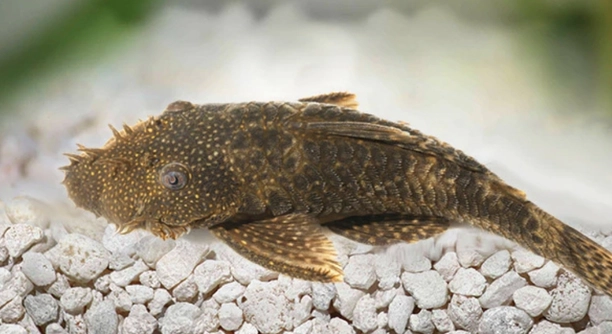
Are your plecos showing signs of lethargy or irregular feeding patterns lately? Many fish owners overlook the importance of fiber in their pleco’s diet, which can affect digestion, energy levels, and overall health in subtle ways.
A pleco receiving adequate fiber will have regular, well-formed waste, steady appetite, and visible activity in the tank. Insufficient fiber can lead to constipation, bloating, and reduced mobility. Monitoring these signs ensures the fish maintains proper digestive function and vitality.
Observing these key indicators will help you adjust your pleco’s diet effectively. Proper fiber intake can make a noticeable difference in their daily behavior.
Signs Your Pleco Might Need More Fiber
Plecos that do not get enough fiber often show subtle signs. They may linger near the bottom of the tank, appear less active, or seem uninterested in food. Over time, a diet low in fiber can lead to constipation or bloating. Their waste may appear irregular, small, or unusually firm, which can indicate digestive issues. It’s important to observe your pleco daily and note any changes in behavior or appearance. Even small adjustments to their diet, such as adding vegetables or specially formulated algae wafers, can make a difference. Fiber is essential for maintaining a healthy digestive system, and without it, plecos may struggle with nutrient absorption and overall vitality. A well-balanced diet supports energy levels, growth, and long-term health. Monitoring feeding habits and waste patterns helps catch problems early and ensures your pleco remains healthy and active.
Regular observation is key. Noticing these signs early can prevent serious digestive problems.
Introducing high-fiber foods gradually, such as zucchini slices, cucumbers, or spinach, helps your pleco adapt. Blanched vegetables are easier to digest and encourage nibbling. Combining natural fiber sources with high-quality commercial wafers ensures a balanced diet. Be consistent with feeding schedules and remove uneaten food promptly to avoid water contamination. Over time, you’ll see improved energy, more regular waste, and happier swimming patterns, all of which indicate proper fiber intake.
Adjusting Your Pleco’s Diet
Small dietary changes can have a significant impact on digestive health.
To increase fiber intake, start by offering a mix of fresh vegetables alongside algae wafers. Leafy greens, squash, and cucumber slices provide both fiber and hydration. Rotate vegetables to maintain variety and interest, ensuring your pleco receives nutrients consistently. Avoid overfeeding, as too much food at once can cause bloating or water quality issues. Fiber-rich commercial pellets are also effective in supporting digestion. Carefully monitor waste and energy levels during adjustments to measure success. Over time, a steady balance of natural and prepared foods strengthens digestion, encourages natural foraging behavior, and supports overall well-being. Keeping a consistent feeding routine allows you to track progress and prevent dietary deficiencies. Proper fiber intake contributes to longer life, more active swimming, and better resistance to disease, helping your pleco thrive in its aquatic environment.
Best Vegetables for Fiber
Zucchini, cucumber, and spinach are excellent sources of fiber for plecos. These vegetables are easy to digest when blanched and encourage consistent nibbling. Rotating vegetables helps provide balanced nutrition and keeps your pleco interested in its meals.
Blanching vegetables softens them, making it easier for plecos to consume and digest. Zucchini and cucumber slices provide hydration and soluble fiber, which aids digestion and prevents constipation. Leafy greens, such as spinach or romaine, contain insoluble fiber, which supports waste formation and gut motility. Offering a variety ensures your pleco receives essential nutrients and helps maintain proper digestive function. Observing how your pleco responds to each vegetable allows you to fine-tune portions and feeding frequency, ensuring optimal fiber intake. Consistency is important for long-term health and regularity.
Incorporating fiber-rich foods gradually avoids digestive upset. Start with small portions and increase over time. Watch for changes in waste consistency, appetite, and swimming behavior. Avoid overfeeding, as uneaten food can foul the water and harm your pleco. Mixing vegetables with algae wafers provides balanced nutrition, combining fiber with protein and other essential nutrients. Over time, your pleco will adapt, showing improved energy, healthier digestion, and more active swimming patterns. Regularly varying the types of vegetables keeps feeding interesting and ensures a well-rounded diet for optimal fiber intake and digestive health.
Monitoring Waste and Behavior
Regular observation of waste and activity provides key insights into fiber intake. Healthy waste is consistent in size and texture, while irregular waste can indicate insufficient fiber.
Tracking daily behavior helps identify subtle signs of dietary issues. A pleco consuming adequate fiber will remain active, swim steadily, and maintain normal feeding habits. Lethargy, bloating, or reduced appetite often signals low fiber intake or digestive stress. Waste that is unusually small, hard, or stringy indicates a need to adjust the diet. Maintaining a record of waste patterns, feeding times, and types of food offered allows for better dietary adjustments and prevents long-term health problems. Consistency in observation ensures that any issues are caught early, and dietary corrections can be implemented promptly.
Behavioral cues complement waste observation in assessing fiber levels. Noticeable changes, such as reduced interaction with the environment, hiding more often, or slow movement, can point to digestive discomfort. These behaviors often appear alongside irregular waste patterns. By combining visual monitoring of both activity and excrement, you can determine whether your pleco’s diet provides sufficient fiber. Gradually adjusting food types, portion sizes, and feeding schedules while keeping track of these indicators ensures balanced nutrition. This approach minimizes digestive issues, supports steady growth, and promotes overall vitality. Paying attention to these small signals helps maintain a healthy, happy pleco.
Common Fiber Deficiencies
A lack of fiber can cause constipation, bloating, and reduced activity in plecos. Their waste may appear irregular, small, or hard, signaling digestive stress. Early detection allows for dietary adjustments before serious health issues develop.
Fiber deficiencies often result from a diet consisting mainly of protein-based foods or algae wafers. Without sufficient fiber, digestion slows, and nutrient absorption is less efficient. Plecos may show signs of lethargy or decreased appetite as their digestive system struggles. Observing feeding behavior and waste patterns closely helps identify deficiencies quickly. Adding vegetables gradually ensures a smoother transition and supports better gut health over time.
Introducing Fiber Gradually
Start by offering small portions of blanched vegetables like zucchini or spinach. Gradually increase the amount over several days to avoid digestive upset.
Maintaining Water Quality
Uneaten fiber-rich foods can decompose quickly, affecting water quality. Remove leftovers promptly to maintain a clean environment.
FAQ
How do I know if my pleco is constipated?
Constipation in plecos often shows as irregular or very small waste. They may become lethargic, swim less, or hide more often than usual. Their stomach might appear slightly bloated, and they may ignore food. Tracking their waste patterns and activity over several days helps confirm if constipation is occurring.
What vegetables are safest to feed my pleco?
Zucchini, cucumber, spinach, and romaine lettuce are safe and rich in fiber. Blanch them lightly to soften the texture and make them easier to digest. Rotate vegetables to ensure variety and balanced nutrition. Avoid starchy or sugary vegetables, as they can upset the digestive system.
How often should I feed fiber-rich foods?
Offer vegetables 2–3 times a week alongside algae wafers. Too frequent feeding can lead to leftover food decomposing in the tank. Monitor your pleco’s appetite and waste to determine if the schedule meets their digestive needs. Gradual increases are safer than sudden large portions.
Can fiber supplements be used for plecos?
Fiber supplements specifically designed for fish are available but are not always necessary if you provide a variety of vegetables and high-quality wafers. Supplements can help in cases of persistent constipation or dietary gaps. Always follow dosage instructions carefully to avoid digestive upset.
How do I transition my pleco to more fiber?
Introduce vegetables gradually, starting with small portions. Mix them with their regular food, and observe how they respond. Gradually increase the amount over days or weeks. Remove uneaten food to prevent water contamination. Slow adjustments reduce stress and encourage consistent feeding.
Is bloating always caused by low fiber?
Bloating can be caused by low fiber, overfeeding, poor water quality, or disease. Observing behavior, waste, and water parameters helps identify the cause. If bloating persists despite dietary adjustments, consult a vet or aquatic specialist to rule out infection or other health issues.
How can I encourage picky plecos to eat vegetables?
Blanch vegetables to soften them and make them more appealing. Try placing the food near their favorite hiding spots or attaching it to a clip to keep it accessible. Pair vegetables with algae wafers initially to entice nibbling. Persistence is key; most plecos will adjust over time.
What is the ideal waste consistency for a healthy pleco?
Healthy waste should be firm but not hard, uniform in size, and easily visible on the tank bottom. Irregular, stringy, or very small waste indicates digestive issues or insufficient fiber. Monitoring these patterns regularly helps track your pleco’s digestive health.
Can too much fiber be harmful?
Excessive fiber can slow digestion or cause bloating if not balanced with other nutrients. Avoid overfeeding vegetables and maintain a mix of algae wafers and natural fiber sources. Balanced portions support digestive efficiency and overall health without causing discomfort.
How does water quality affect digestion?
Poor water quality can stress plecos and slow digestion, regardless of diet. Uneaten fiber-rich food decomposes, releasing ammonia and affecting health. Regular water changes, proper filtration, and removing leftovers are crucial for supporting healthy digestion and fiber absorption.
What signs indicate my pleco’s fiber intake is adequate?
Consistent, well-formed waste, steady appetite, regular swimming, and active behavior indicate sufficient fiber. They show interest in both vegetables and algae wafers. Any sudden changes in waste or activity may require dietary adjustment. Monitoring these signs ensures ongoing digestive health.
Can fiber help prevent other health issues?
Adequate fiber supports digestion, nutrient absorption, and overall gut function. This can prevent constipation, bloating, and digestive stress, contributing to improved immunity and vitality. Balanced fiber intake is an essential part of long-term health management for plecos.
Final Thoughts
Maintaining proper fiber intake for your pleco is essential for their overall health and well-being. Fiber helps support digestion, regulate waste, and maintain steady energy levels. Without enough fiber, plecos can experience constipation, bloating, and reduced appetite, which can affect their activity and long-term vitality. Observing their behavior, feeding habits, and waste patterns daily provides valuable insights into whether their diet is sufficient. Small changes, like introducing blanched vegetables or increasing the variety of fiber-rich foods, can make a noticeable difference in digestion and general health. Consistency in monitoring and adjusting the diet ensures your pleco receives the nutrients it needs to stay active and healthy.
Choosing the right types of vegetables is important for providing the fiber your pleco needs. Zucchini, cucumber, spinach, and romaine lettuce are safe, digestible options that most plecos enjoy. Blanching the vegetables softens them, making it easier for your fish to nibble and absorb the fiber. Mixing these vegetables with algae wafers or commercially prepared pellets helps provide a balanced diet that includes protein, vitamins, and essential nutrients. Gradually introducing new foods allows your pleco to adjust without digestive stress, while observing how they respond ensures you are meeting their dietary needs. By maintaining this balance, you can prevent constipation, promote regular waste production, and encourage natural swimming and foraging behavior.
Monitoring your pleco’s environment is equally important as adjusting their diet. Uneaten fiber-rich foods can decompose quickly, affecting water quality and stressing the fish. Regular water changes, proper filtration, and removing leftovers help maintain a clean and healthy tank. Paying attention to subtle behavioral changes, like reduced activity or hiding more often, can alert you to digestive or environmental issues early. By combining proper nutrition, consistent monitoring, and clean tank practices, you create the conditions for a healthier, happier pleco. With attention to fiber intake and overall care, your pleco can thrive, showing more energy, better digestion, and long-term vitality in its home environment.

Hello,
If you enjoy the content that we create, please consider saying a "Thank You!" by leaving a tip.
Every little bit helps us continue crafting quality advice that supports the health, happiness, and well-being of pets around the world, for pets of all shapes, sizes, and species.
We really appreciate the kindness and support that you show us!