
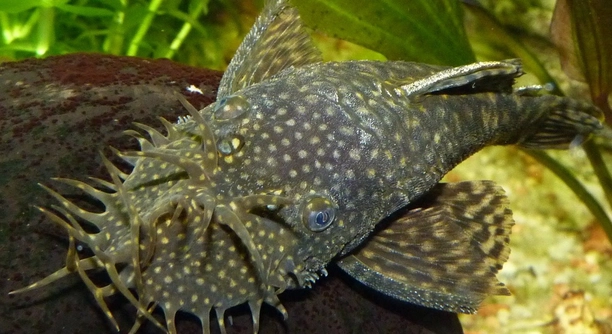
Have you ever noticed your pleco acting a little off or your tank looking a bit cloudy despite regular maintenance? Keeping their environment clean can sometimes feel like a full-time task, especially with these hardworking bottom dwellers.
The most common signs that your pleco tank needs cleaning include cloudy water, unpleasant odor, algae buildup, debris accumulation, stressed fish behavior, slow water flow, and reduced oxygen levels. Regular maintenance ensures a healthy and balanced aquatic ecosystem.
Understanding these signs will help you maintain a cleaner tank, a happier pleco, and a more enjoyable aquarium experience overall.
1. Cloudy or Murky Water
When the water in your pleco tank turns cloudy, it’s often a sign that waste and leftover food have built up over time. This can happen when filters aren’t cleaned regularly or when too much food settles at the bottom. Cloudy water may also appear after overfeeding or when your tank’s beneficial bacteria are out of balance. It’s important to address this early, as poor water clarity affects your pleco’s breathing and overall comfort. Regularly testing your water parameters helps you catch changes in ammonia and nitrate levels before they become harmful.
A cloudy tank not only looks unappealing but can also make your pleco stressed and inactive. Acting quickly by performing partial water changes can make a big difference in restoring balance.
Keeping the water clean helps your pleco stay healthy and active. With proper maintenance, you’ll also enjoy a clearer, more peaceful aquarium to look at every day.
2. Strong Odor or Unpleasant Smell
A foul smell coming from your pleco tank usually means waste and decaying material are accumulating faster than the filter can handle. When organic debris sits too long, it breaks down and releases gases that create unpleasant odors in your tank area.
To fix this, start by checking your filter for trapped waste and clean or replace the media if needed. Remove any uneaten food, dead plants, or hidden debris that might be decomposing. Regular vacuuming of the substrate also helps prevent buildup. You should also review your feeding routine—plecos often produce heavy waste, and overfeeding only worsens water quality. A consistent schedule of small, frequent cleanings will keep everything under control. Using an air stone can also increase oxygen circulation, which helps minimize bad smells and keeps your tank smelling fresh. Regular attention ensures your pleco’s habitat remains both clean and comfortable.
3. Excessive Algae Growth
Too much algae in your pleco tank usually means there’s an imbalance in light exposure or nutrient levels. Algae thrive in bright light and high nitrate environments, so controlling both is essential to keeping your tank looking clean and healthy.
Reducing the amount of light your tank gets each day helps slow algae growth. Aim for no more than eight hours of light daily and avoid placing the tank near windows. Regular water changes will also lower nitrate levels that feed algae. Cleaning decorations, glass, and plants with a gentle brush removes buildup without harming your pleco. Maintaining a balanced feeding schedule prevents leftover food from fueling more growth. With consistency, algae can be controlled easily without harsh chemicals or stress to your fish.
Plecos may help eat algae, but they can’t manage it all. Combining their cleaning efforts with your own routine maintenance ensures a clearer, healthier aquarium environment.
4. Debris on the Substrate
If you notice debris gathering along the substrate, it’s a clear sign that waste isn’t being removed efficiently. Over time, this buildup can trap harmful bacteria, affect water flow, and make the tank look neglected and dirty.
A simple fix is to regularly vacuum the substrate during water changes. Doing this removes fish waste, uneaten food, and plant matter that settle at the bottom. Avoid deep cleaning all at once, as this can disturb beneficial bacteria that keep your tank balanced. You can also gently stir the substrate between cleanings to prevent compacted waste pockets. For sand substrates, use a soft approach to avoid stirring too much debris into the water. Cleaning in sections each week helps maintain stability while keeping the tank tidy. Over time, your pleco will thrive in a cleaner, healthier habitat that requires less effort to maintain.
5. Sluggish or Stressed Pleco Behavior
When your pleco becomes less active or hides more often, it may be reacting to poor water quality. Stress from dirty conditions can weaken its immune system and make it more vulnerable to disease or infection over time.
Check the water parameters immediately if you notice behavioral changes. Performing a partial water change and cleaning the filter can often restore balance quickly. Clean, oxygen-rich water helps your pleco regain energy and return to normal behavior patterns.
6. Slow Water Flow
Reduced water flow means your filter is likely clogged or underperforming. A weak current allows debris to settle, creating stagnant areas where waste accumulates. This can quickly affect the oxygen levels and cleanliness of the entire tank environment.
Clean the filter media regularly, but avoid washing it with tap water, as chlorine can kill beneficial bacteria. Instead, rinse it in tank water during a water change. Make sure the intake and outflow aren’t blocked by plants or decorations. Maintaining good flow keeps oxygen circulating, supports bacterial balance, and prevents buildup that stresses your pleco.
7. Low Oxygen Levels
When oxygen levels drop, your pleco may gasp near the surface or appear restless. This usually happens when the tank isn’t cleaned regularly or water circulation is poor, limiting proper gas exchange. Keeping the tank clean helps ensure a safe and breathable environment for your pleco.
FAQ
How often should I clean my pleco tank?
The frequency depends on the tank size, number of fish, and feeding habits. Generally, partial water changes and substrate cleaning should be done every one to two weeks. Filters need attention monthly, while decorations and glass may require gentle cleaning more frequently to prevent buildup.
Can I rely on my pleco to keep the tank clean?
Plecos eat algae and some leftover food, but they cannot maintain full cleanliness. Waste and detritus accumulate faster than they can consume, so regular human maintenance is necessary to keep water quality safe and stable.
What tools do I need for cleaning?
A gravel vacuum, algae scraper, soft brush, and water testing kit are essential. A bucket for water changes and gentle siphoning will also help remove debris efficiently. Using appropriate tools ensures minimal stress to your pleco while maintaining a healthy environment.
Is it safe to clean the filter with tap water?
No, tap water contains chlorine that can kill beneficial bacteria essential for breaking down waste. Rinse filter media in tank water during water changes to preserve bacterial colonies and maintain a balanced ecosystem.
How do I prevent algae from growing too fast?
Control lighting to no more than eight hours daily, avoid overfeeding, and remove excess nutrients through partial water changes. Regular scraping of surfaces and monitoring nitrate levels also help keep algae in check without harming your pleco.
What should I do if my pleco seems stressed after cleaning?
Stress may occur if water temperature or parameters fluctuate suddenly. Always match replacement water to tank conditions, move decorations gently, and avoid deep substrate disturbance. Providing hiding spots allows the pleco to settle back into its environment safely.
Can low oxygen levels harm my pleco?
Yes, low oxygen can cause gasping at the surface, lethargy, and weakened immune response. Increase circulation with a filter, air stone, or water movement, and perform partial water changes to maintain oxygen-rich water consistently.
How do I know if I’m overfeeding my pleco?
Uneaten food accumulating on the substrate is the main sign. Feed small portions that are consumed within a few minutes. Overfeeding not only creates excess waste but also encourages algae growth and poor water quality.
Are water additives necessary during cleaning?
Water conditioners to remove chlorine and chloramine are recommended when adding tap water. Other additives like beneficial bacteria supplements can help maintain balance but are not always essential if regular cleaning and maintenance are consistent.
What is the easiest way to keep my pleco tank clean long-term?
Consistency is key. Weekly partial water changes, substrate cleaning, and filter maintenance combined with proper feeding and lighting habits prevent major buildup. Observing your pleco’s behavior and water clarity helps address issues before they become serious problems.
This FAQ provides clear, actionable advice for keeping your pleco tank clean, maintaining water quality, and ensuring your fish remain healthy and stress-free. Proper care reduces problems and creates a balanced, thriving aquarium environment.
Keeping a pleco tank clean may seem like a lot of work at first, but it becomes easier with a regular routine. Observing the water clarity, fish behavior, and substrate condition can tell you when it’s time for a cleaning. Small, consistent efforts prevent major problems and create a healthier environment for your pleco. Regular water changes, cleaning the filter, and removing leftover food help maintain balance in the tank. Over time, you will notice your pleco is more active, healthier, and shows fewer signs of stress. These routine steps also reduce algae growth and prevent unpleasant odors, making your tank more enjoyable to look at.
A healthy pleco tank depends not just on removing visible waste, but also on keeping water parameters stable. Monitoring ammonia, nitrite, and nitrate levels ensures the tank’s ecosystem remains safe. Overfeeding, poor filtration, or stagnant water can quickly lead to unhealthy conditions. By keeping up with partial water changes and substrate cleaning, you maintain oxygen levels and prevent debris from harming your fish. Cleaning decorations, gently scrubbing algae, and checking filter function are simple practices that support a thriving tank. Paying attention to these details helps your pleco live longer and reduces the likelihood of disease or infection.
Consistency and observation are the most important parts of keeping a pleco tank in good condition. While plecos help control algae, they cannot replace human maintenance. By regularly monitoring water quality, performing partial water changes, and cleaning surfaces, you ensure the tank remains balanced and stress-free for your fish. Small adjustments, like controlling light exposure, feeding the right amount, and cleaning the filter media safely, all contribute to a healthier environment. Over time, these habits make maintenance easier and prevent major issues from developing. A clean tank means your pleco will be active, comfortable, and show its natural behavior, while you enjoy a peaceful and clear aquarium to watch.

Hello,
If you enjoy the content that we create, please consider saying a "Thank You!" by leaving a tip.
Every little bit helps us continue crafting quality advice that supports the health, happiness, and well-being of pets around the world, for pets of all shapes, sizes, and species.
We really appreciate the kindness and support that you show us!