
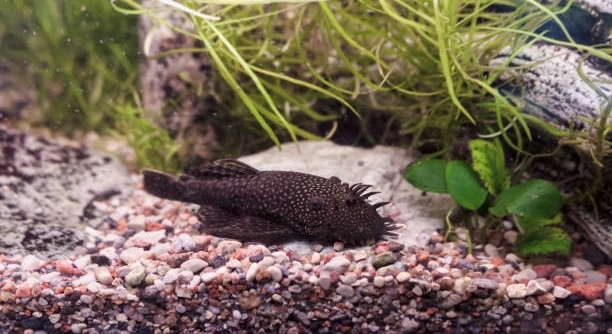
Plecos are fascinating fish that many aquarists enjoy keeping. Observing their behavior can be rewarding, especially when they start showing signs of breeding. These early behaviors give clues about their health and environment.
Plecos exhibit several distinct behaviors when preparing to breed, including selecting and cleaning hiding spots, showing territoriality, increasing activity, engaging in frequent spawning movements, altering diet, guarding eggs, and demonstrating courtship displays. Recognizing these behaviors helps ensure successful breeding management.
Knowing these early signals can improve care and breeding outcomes. Paying attention to their actions allows aquarists to support plecos effectively and maintain a healthy tank environment.
Selecting and Cleaning Hiding Spots
When plecos are ready to breed, they often start searching for a suitable hiding spot. This could be a cave, a piece of driftwood, or any enclosed area in the tank. I noticed my plecos spending more time examining different corners and moving small decorations around. They will also clean the area thoroughly, scraping surfaces and removing debris. This cleaning is a clear sign that they are preparing the space for eggs. Observing this behavior gives insight into their comfort and readiness to spawn. Providing the right environment early on can reduce stress and improve breeding success. These fish are methodical, and even small changes in their habitat can influence their choice of nesting spot. Watching them interact with their tank environment can feel surprisingly personal, as their movements are deliberate and purposeful. Understanding these behaviors helps ensure that both the plecos and their eggs remain safe and healthy.
Selecting a secure and clean hiding spot is essential for successful pleco breeding, as it directly affects egg survival and parental care.
Providing a quiet, sheltered area in your tank encourages plecos to breed. When they feel safe, their natural behaviors appear more clearly.
Territorial Behavior
Plecos become noticeably territorial as breeding approaches.
During this time, I saw my plecos guarding their chosen hiding spots more aggressively. They would chase other fish away and patrol the area constantly. This behavior is a natural instinct to protect future eggs and ensure a safe environment for offspring. Territorial displays may include flaring fins, nudging intruders, or even minor confrontations. This can affect tank dynamics, especially in smaller setups, so monitoring interactions is important. Some plecos may need additional hiding spots or separate areas to reduce stress and prevent injury. It’s fascinating to see how protective they become and how seriously they take their chosen territory. Observing territorial behavior can also indicate which individuals are ready to breed and which are not. Providing adequate space and visual barriers can make the process smoother. Understanding their need for territory allows caretakers to maintain harmony while supporting natural breeding instincts. It is a critical step in creating a supportive environment for both the adults and the future fry.
Increased Activity
Plecos show increased activity before breeding. They swim more frequently and explore their tank with purpose. I noticed mine moving around constantly, inspecting decorations and surfaces, as if preparing their environment. This heightened energy signals that they are ready to engage in reproductive behavior and ensures the tank is suitable for spawning.
This rise in activity is a behavioral adaptation to prepare for breeding. Plecos may move rocks, rearrange plants, or inspect every crevice in their tank. Their movements are deliberate and consistent, showing focus on establishing a safe and favorable space. Increased activity also helps them strengthen their territory and assess environmental conditions. Observing these actions can give valuable insight into their health and readiness. Fish that remain lethargic or uninterested may not be ready, so tracking activity patterns can guide caretakers in managing their tank properly. Noticing these subtle changes makes caring for plecos feel more engaging and informative.
I often find myself captivated by the way they explore. Watching them shift around the tank, occasionally pausing to examine a corner, shows intelligence and instinct at work. Their persistence ensures that when the time comes, the spawning process occurs smoothly, with minimal stress. It’s remarkable to see the combination of instinct and habit in these fish, reflecting how carefully they prepare for reproduction. This behavior is a reliable indicator that breeding is imminent, and it reassures me that my plecos are healthy and motivated. Their activity becomes a kind of rhythm in the tank, one that signals growth and continuity.
Courtship Displays
Plecos exhibit clear courtship displays before breeding. Males often approach females with deliberate movements, flaring fins, and gentle nudges to signal readiness.
Courtship behavior is vital for successful mating. Males may circle females, swim alongside them, or display bright colors to attract attention. Females respond with subtle movements or by entering the male’s chosen hiding spot. I noticed this behavior in my tank, and it was fascinating to see how methodical and patient the plecos were. Courtship ensures that both partners are synchronized, increasing the likelihood of fertilized eggs. This interaction also strengthens pair bonding and prepares the female to deposit eggs in a safe environment. Observing courtship can help identify dominant males and receptive females, giving insight into which fish are most ready for breeding. It also highlights the importance of maintaining a stable environment, as stress or frequent disturbances can disrupt these displays and reduce spawning success.
The displays can vary depending on species and individual personality. Some males are more persistent, repeatedly nudging or circling, while others are subtle, relying on positioning and color changes. Females also show unique responses, sometimes testing the male before fully engaging. These behaviors are essential signals that indicate reproductive readiness. Understanding and recognizing these courtship patterns allows caretakers to provide the best conditions for mating. Maintaining a calm tank, with proper hiding spots and minimal disturbance, supports these natural behaviors. Watching courtship unfold creates a deeper connection to the fish and a better understanding of their breeding instincts.
Altered Diet
Plecos often change their eating habits before breeding. I noticed mine nibbling more on protein-rich foods and less on regular algae wafers. This shift supports energy needs for spawning and caring for eggs.
Providing a varied diet during this period is important. Increased protein helps build strength for breeding, while fresh vegetables maintain overall health. I like to offer small portions of shrimp, bloodworms, and zucchini. Observing these changes in appetite gives a clear signal that breeding behavior is starting. Adjusting feeding routines ensures the fish remain healthy and ready for the reproductive process.
Egg Guarding
Once eggs are laid, plecos guard them diligently. Males often stay close to the clutch, fanning them with fins to ensure proper oxygenation. This protective behavior minimizes risk from other tank inhabitants and encourages egg survival. Observing a male’s vigilance shows how seriously they take parental care.
Spawning Movements
Before and during spawning, plecos engage in repeated movements around their chosen site. These include circling, nudging, and positioning themselves near walls or inside caves. These motions help align both male and female for fertilization. Watching these behaviors, I realized how precise and consistent they are, reflecting innate instincts.
Territorial Displays
Plecos reinforce territory with visible displays. Males flare fins and patrol boundaries to warn others. This behavior maintains order in the tank and protects potential breeding sites, ensuring a safe environment for eggs and fry.
FAQ
How do I know when my pleco is ready to breed?
You can tell by observing changes in behavior. Increased activity, selecting and cleaning hiding spots, territorial displays, and altered diet are strong indicators. I noticed my plecos becoming more persistent around caves and moving small decorations. Courtship behaviors like nudging and fin flaring also signal readiness. Watching these signs consistently over a few days makes it easier to determine if they are preparing to spawn.
What kind of hiding spots do plecos prefer for breeding?
Plecos usually choose caves, hollow logs, or tightly enclosed areas. I often use ceramic or driftwood caves in my tank. The spot should be clean, secure, and have enough space for eggs. Some species like narrow tunnels, while others prefer slightly wider shelters. Observing your plecos explore and clean potential sites helps identify their preferred spot. Providing multiple options reduces stress and encourages natural breeding behavior.
How do I support territorial plecos in a community tank?
Territorial behavior can lead to conflicts, especially during breeding. I separate aggressive males or provide multiple hiding spots to diffuse tension. Visual barriers like plants or rocks also help. Ensuring sufficient space in the tank allows plecos to establish their own territories without constant confrontation. Monitoring interactions and adjusting decorations can minimize stress for all tank inhabitants while maintaining natural breeding instincts.
What foods encourage breeding readiness?
Protein-rich foods are key. I offer small amounts of shrimp, bloodworms, and high-quality pellets. Fresh vegetables like zucchini or cucumber supplement their diet. Increased protein supports energy for spawning, while vegetables maintain overall health. Offering a variety in small portions several times a day can stimulate natural behaviors and improve breeding success.
Do all plecos show the same breeding behaviors?
Behaviors vary depending on species and individual personality. Some are subtle with courtship, while others are more persistent. Territorial instincts also differ; some males guard aggressively, while others are calmer. Observing your specific plecos over time helps recognize patterns. Understanding these nuances allows better care and environment adjustments to support successful breeding.
How long does it take for plecos to spawn after showing initial behaviors?
Timing varies, but typically after selecting and cleaning a hiding spot and displaying courtship, spawning occurs within a few days to a week. I often notice that once territorial and courtship behaviors are consistent, egg laying happens quickly. Maintaining stable water conditions and minimizing disturbances during this period is essential.
What should I do after eggs are laid?
Male plecos usually guard and fan the eggs. I make sure no other fish disturb them and reduce feeding nearby to avoid agitation. Observing the male helps determine if the eggs are healthy and aerated properly. Water parameters like temperature, cleanliness, and oxygen levels are critical to egg survival. Avoid removing eggs unless necessary, as plecos are generally effective caregivers.
Can I breed plecos in a small tank?
It is possible, but space and hiding spots are crucial. I ensure my smaller tank has enough caves and territories to reduce stress. Overcrowding can disrupt breeding and increase aggression. A quiet environment with stable water quality makes even small tanks suitable for pleco reproduction. Monitoring behavior is key to maintaining safety for both adults and eggs.
How do I handle fry once they hatch?
Fry are tiny and require proper nutrition. I start with powdered or crushed foods suitable for small mouths. Many fry will hide near the cave or substrate, so providing gentle water flow and safe zones is important. I observed that keeping some algae and small feeding spots helps fry thrive while still allowing parental care to continue.
Is it normal for male plecos to be aggressive during breeding?
Yes, aggression is a natural part of breeding behavior. Males protect eggs and territory by chasing away intruders. I find that offering multiple hiding spots and visual barriers in the tank reduces unnecessary stress for other fish. Recognizing this behavior as instinctual helps manage tank dynamics effectively.
How can I improve the chances of successful breeding?
Stable water conditions, proper hiding spots, protein-rich diet, and minimal disturbances are key. Observing behaviors like activity, courtship, and territorial displays allows me to adjust the environment accordingly. Supporting natural instincts while maintaining a calm tank ensures both adults and offspring have the best chance of survival.
How long do pleco eggs take to hatch?
Depending on the species, eggs generally hatch in 4–10 days. I monitor temperature and water quality closely, as slight fluctuations can affect development. Once hatched, fry are tiny and rely on parental protection or safe zones in the tank. Observing this stage gives insight into their early growth and survival rates.
Can I separate eggs or fry from adults?
Separation is sometimes necessary if adults are overly aggressive or other tank mates pose a threat. I gently transfer eggs or fry to a separate nursery tank, keeping water parameters consistent. This ensures higher survival rates while still allowing natural growth and feeding behaviors to continue.
Do plecos need special water conditions for breeding?
Yes, stable temperature, pH, and oxygen levels are important. I maintain clean water and consistent parameters during breeding. Minor fluctuations can stress plecos and delay or prevent spawning. Providing an environment that mimics natural conditions supports healthy reproductive behavior.
How often can plecos breed?
Some species can spawn multiple times per year if conditions are ideal. I noticed that after one successful spawn, my plecos may rest briefly before starting the process again. Adequate nutrition, clean tanks, and stress-free conditions influence frequency and success. Regular observation helps track cycles.
This FAQ covers most concerns about pleco breeding, from behaviors to care, helping ensure a supportive environment for both adults and offspring.
Final Thoughts
Breeding plecos can be a very rewarding experience, but it requires patience and careful observation. These fish have distinct behaviors that signal readiness to breed, such as selecting hiding spots, showing territorial behavior, and engaging in courtship displays. I found that paying attention to these behaviors made it easier to provide the right environment for them. Understanding their needs also reduced stress for both the fish and myself. Each pleco has its own personality, so behaviors may vary slightly, but the general patterns are consistent across most species. By noticing small changes in activity, diet, and interactions, it becomes clear when the fish are preparing to reproduce. This attentiveness is important because it helps ensure that eggs and fry are given the best chance to survive. Providing the right hiding places, clean water, and sufficient space helps create a calm environment where natural behaviors can occur without interference.
It is important to maintain proper water conditions during breeding. Stable temperature, pH levels, and good oxygenation are all critical factors that influence spawning success. I often check my tank multiple times a day during this period to ensure conditions remain optimal. Even small changes can affect breeding behavior or egg survival. Feeding also plays a key role in preparing plecos for reproduction. A diet that is higher in protein supports energy for courtship and egg production, while vegetables maintain overall health. Observing changes in appetite and feeding patterns is another way to monitor readiness. When males guard eggs or show increased activity around chosen hiding spots, it is a clear sign that the process is underway. Understanding and supporting these natural instincts allows for a smoother breeding process and healthier offspring.
Watching plecos breed is both fascinating and educational. Their behaviors are instinctive, yet observing them closely feels like getting a glimpse into their world. I noticed that the more I paid attention to their signals, the better I could anticipate their needs. Providing multiple hiding spots, minimizing disturbances, and maintaining a stable tank environment all contributed to successful breeding outcomes. The process also emphasizes the importance of patience, as breeding may not happen immediately, and each fish develops at its own pace. By respecting these behaviors and creating a supportive environment, breeding plecos becomes a manageable and rewarding part of fishkeeping. Over time, it also builds a stronger connection to the fish and a better understanding of their natural behaviors, which is satisfying for anyone interested in observing and caring for aquatic life.

Hello,
If you enjoy the content that we create, please consider saying a "Thank You!" by leaving a tip.
Every little bit helps us continue crafting quality advice that supports the health, happiness, and well-being of pets around the world, for pets of all shapes, sizes, and species.
We really appreciate the kindness and support that you show us!