
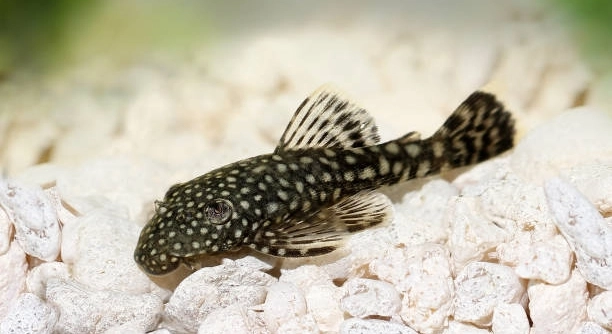
Is your pleco turning away from its food despite regular feeding? This behavior can be frustrating, especially when you have carefully prepared meals and maintain a clean tank. Observing your pleco closely can reveal subtle signs of stress or discomfort.
A pleco may refuse food due to stress, poor water quality, illness, or dietary imbalance. Temperature fluctuations, low oxygen levels, and insufficient hiding spaces can also contribute to appetite loss, making proper tank care and nutrition essential for their well-being.
Understanding these causes can help you restore your pleco’s eating habits. Small adjustments in diet, environment, and routine often lead to noticeable improvements.
Common Reasons Plecos Refuse Food
Many plecos stop eating due to changes in their environment or health. Water quality is a major factor; high ammonia, nitrite, or nitrate levels can stress fish and suppress appetite. Temperature fluctuations also affect metabolism, making fish less active and less willing to feed. Diet is another key factor. Plecos need a mix of vegetables, algae, and occasional protein. Feeding only one type of food can cause disinterest or nutritional deficiencies. Illnesses, such as internal parasites or infections, can make eating uncomfortable or painful. Stress from aggressive tank mates or lack of hiding spaces may also lead plecos to hide and avoid food. Observing behavior closely, testing water, and monitoring diet can help identify the problem. Adjustments in these areas usually improve appetite and overall health. Regular maintenance, including partial water changes and clean tank decorations, supports a stable environment and encourages consistent feeding habits.
Stress, poor water conditions, or an improper diet are the most frequent reasons for appetite loss in plecos.
Tracking water quality, tank temperature, and diet closely helps prevent long-term eating issues. Plecos respond quickly to improvements, and small changes often restore their feeding habits. Consistency in routine and environment reduces stress and supports their natural behavior. Regular observation ensures that any health problems are detected early, allowing timely intervention. Feeding a varied diet and providing adequate hiding spots also encourages natural feeding activity.
Improving Appetite Through Environment and Diet
Ensuring your pleco has a comfortable and stable environment can significantly impact its eating behavior. Hiding spots, gentle water flow, and consistent lighting help fish feel secure. Vegetables such as zucchini, cucumber, and spinach provide essential nutrients. Algae wafers supplement their diet and satisfy grazing instincts. Avoid sudden changes in diet, as plecos may reject unfamiliar foods. Gradually introducing new foods can encourage eating. Maintaining proper tank temperature and water quality supports metabolism and reduces stress.
Adjusting tank setup and diet often leads to noticeable improvements in feeding behavior.
Providing a mix of fresh vegetables, high-quality algae wafers, and occasional protein can stimulate appetite. Monitoring water parameters is essential; clean water, stable temperature, and proper oxygenation create a healthy environment. Avoid overstocking the tank, as crowded conditions increase stress and suppress appetite. Observing your pleco during feeding times helps identify preferences and potential issues. Regularly rotating foods and offering small amounts ensures variety without polluting the water. Implementing these strategies often restores consistent eating patterns, promotes growth, and supports overall health. A stable environment combined with attentive care makes plecos more confident, encourages natural grazing behavior, and prevents long-term appetite problems.
Adjusting Feeding Schedules
Plecos may refuse food if feeding times are inconsistent. They are mostly nocturnal and prefer eating during low light. Offering food at the same time each day helps establish routine and encourages regular feeding.
Feeding in the evening or after dimming lights aligns with their natural activity patterns. Some plecos eat better when food is left overnight, allowing them to graze at their own pace. Overfeeding can also discourage eating, as leftover food may foul water and reduce appetite. Smaller, frequent portions often work better than one large meal. Observing your pleco’s behavior during feeding can help determine the most effective schedule and portion size.
Consistency in feeding encourages predictable behavior and reduces stress. Providing food when plecos are naturally active ensures better intake. Pairing schedule adjustments with fresh vegetables, algae wafers, or occasional protein supports their dietary needs. Tracking response over several days allows identification of patterns and preferences. This approach fosters better appetite, supports digestion, and maintains overall health, making plecos more responsive to their environment and routine.
Monitoring Health Indicators
Loss of appetite can signal illness or infection. Observing physical signs such as discoloration, unusual swimming patterns, or damaged fins helps identify potential health issues early.
Internal parasites, bacterial infections, and fungal growths are common causes of appetite loss. Prompt identification and treatment are essential. Treatments vary depending on the condition but may include medications, quarantining affected fish, or adjusting water parameters. Regular observation and maintenance reduce the likelihood of serious illnesses developing unnoticed. Feeding habits often improve once health issues are addressed. Maintaining a balanced diet, clean tank, and stress-free environment minimizes susceptibility to disease, allowing plecos to eat normally and maintain vitality.
Monitoring subtle behavioral changes, such as hesitation at food or spending extended time hiding, provides early warning of stress or illness. Ensuring proper tank hygiene, observing interactions with other fish, and recording feeding patterns allow timely adjustments. Treatment plans should follow specific recommendations for the species and condition, preventing further complications. Supporting immune health through high-quality food and stable water conditions enhances recovery. Careful attention to these indicators allows plecos to regain appetite faster, improves their overall health, and fosters a more predictable and manageable tank environment.
Water Quality Management
Poor water quality directly affects a pleco’s appetite. Ammonia, nitrite, and nitrate spikes can stress fish, making them avoid food. Regular testing and partial water changes maintain safe levels and encourage healthy feeding habits.
Filtration, proper aeration, and cleaning debris from the substrate also support water quality. A stable environment reduces stress and prevents appetite loss, helping plecos stay active and eat consistently.
Introducing New Foods
Gradually introducing new foods increases the chance plecos will accept them. Sudden changes often lead to refusal, so mixing small amounts with familiar items helps. Consistency and patience are key when expanding their diet.
Stress Reduction
Stress from aggressive tank mates or overcrowding suppresses appetite. Providing hiding spots and stable tank conditions reduces tension.
FAQ
Why is my pleco not eating even though the water looks fine?
Even if water appears clean, invisible factors like pH imbalance, low oxygen levels, or sudden temperature changes can stress plecos. Stress alone can cause them to refuse food. Checking water parameters regularly and keeping a stable environment often restores appetite.
Can plecos eat the same food every day?
Feeding only one type of food can lead to nutritional deficiencies or boredom. Plecos thrive on a varied diet, including fresh vegetables, algae wafers, and occasional protein. Gradually rotating foods ensures they receive proper nutrients and remain interested in feeding.
How long can a pleco go without eating?
Healthy plecos can survive several days without food, but prolonged fasting indicates a problem. Illness, stress, or poor tank conditions may be involved. Monitoring behavior and adjusting water quality, diet, or environment promptly prevents health deterioration.
Are certain times better for feeding plecos?
Plecos are mostly nocturnal and prefer feeding during low light. Feeding in the evening or after dimming tank lights aligns with their natural activity. Leaving food overnight can allow them to graze at their own pace and reduce stress during feeding.
How can I tell if my pleco is sick?
Symptoms like faded colors, clamped fins, unusual swimming, or excessive hiding often indicate illness. Internal parasites, bacterial infections, or stress-related conditions can suppress appetite. Observing subtle behavior changes helps identify issues before they worsen.
Do tank mates affect feeding?
Aggressive or overly active fish can intimidate plecos and prevent them from eating. Providing hiding spots and sufficient space reduces stress and encourages regular feeding. Overcrowded tanks also contribute to competition and appetite loss.
Is overfeeding a problem?
Overfeeding can pollute the water and reduce oxygen levels, discouraging plecos from eating. Offering smaller, frequent meals and removing uneaten food maintains water quality and supports appetite. Consistent portion control prevents digestive issues and keeps the tank healthy.
What foods should I avoid?
Avoid processed human foods, high-fat items, or foods with preservatives. These can harm plecos and reduce interest in nutritious options. Stick to fresh vegetables, algae wafers, and occasional protein sources to maintain a balanced diet.
Can changes in tank decorations affect feeding?
Yes. Removing or rearranging hiding spots can stress plecos, causing them to avoid food. Plecos feel secure in stable surroundings. Introducing new decorations gradually and keeping some familiar areas intact helps maintain normal feeding behavior.
When should I consider medication?
If illness is suspected and appetite does not return after environmental adjustments, treatment may be necessary. Identify the condition first, and follow proper medication instructions. Quarantining affected fish and supporting recovery with clean water and appropriate diet increases success.
How important is monitoring water parameters?
Regular testing for ammonia, nitrite, nitrate, pH, and temperature is crucial. Even small deviations can suppress appetite. Maintaining stable and appropriate water conditions supports overall health and ensures plecos remain active and willing to feed.
What is the best way to encourage picky eaters?
Introduce new foods slowly and mix them with familiar favorites. Offering fresh vegetables like zucchini, cucumber, and spinach encourages interest. Observing preferences and rotating foods while maintaining stable water conditions usually improves appetite over time.
Can stress from handling affect eating?
Yes. Frequent or rough handling causes stress, leading plecos to hide and refuse food. Limiting handling to essential tank maintenance and providing secure hiding spaces helps them feel safe and return to regular feeding behavior.
How can I prevent future appetite problems?
Consistent feeding schedules, varied diet, clean water, stable temperature, and adequate hiding spots reduce stress and support appetite. Observing behavior and responding to changes quickly prevents prolonged fasting and maintains long-term health.
Final Thoughts
Observing a pleco that refuses food can be worrying, but it is often a signal rather than a permanent problem. Appetite loss usually reflects environmental, dietary, or health-related factors that can be corrected with careful attention. Monitoring water quality, maintaining stable temperature, and ensuring proper oxygenation are essential steps. Plecos are sensitive to changes in their surroundings, and even small fluctuations can influence their behavior. Providing hiding spaces and reducing tank stress also improves comfort and encourages feeding. Consistency in tank care and daily observation helps identify potential issues early, allowing interventions before they become serious.
Diet plays a significant role in keeping plecos healthy and willing to eat. Offering a varied selection of fresh vegetables, algae wafers, and occasional protein provides necessary nutrients and keeps feeding interesting. Avoiding sudden changes in food types or large quantities at once reduces stress and encourages gradual acceptance of new items. Overfeeding can lead to leftover food, water pollution, and reduced appetite, so smaller, frequent portions are preferable. Keeping track of what plecos enjoy and adjusting feeding routines accordingly helps maintain regular eating patterns. Combining diet management with stable tank conditions creates an environment where plecos feel safe and supported.
Understanding the reasons behind a pleco’s refusal to eat allows for proactive care and long-term health. Many issues, from minor stress to mild illness, can be corrected with careful observation and small adjustments. Consistent tank maintenance, attentive feeding schedules, and monitoring behavior are key practices. By addressing water quality, stress, and diet simultaneously, it is possible to restore appetite and maintain the pleco’s well-being. Patience is necessary, as changes may take several days to produce results. When combined with proper hygiene, regular feeding, and environmental stability, these practices help ensure plecos remain active, healthy, and consistent in their eating habits. A thoughtful, structured approach minimizes stress, prevents recurring appetite problems, and supports a thriving aquatic environment for long-term care.

Hello,
If you enjoy the content that we create, please consider saying a "Thank You!" by leaving a tip.
Every little bit helps us continue crafting quality advice that supports the health, happiness, and well-being of pets around the world, for pets of all shapes, sizes, and species.
We really appreciate the kindness and support that you show us!