
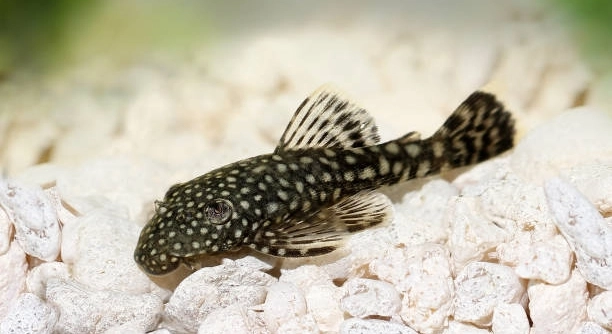
Bristlenose plecos are small, peaceful fish that often live in community tanks. Many aquarists enjoy keeping them because they help clean algae. Their natural habits include exploring surfaces, grazing, and sometimes hiding among plants or decorations.
Bristlenose plecos generally enjoy driftwood bark. It provides both a grazing surface for biofilm and algae, as well as a natural hiding space. Driftwood can also slightly soften water and release beneficial tannins, supporting their overall health in aquariums.
Including driftwood in your tank can enhance both the environment and behavior of your plecos, creating a more natural and comfortable home for them.
Why Driftwood Appeals to Bristlenose Plecos
Driftwood is more than just decoration in a tank; it serves multiple purposes for bristlenose plecos. These fish naturally graze on surfaces, and driftwood provides a safe and textured area for feeding. Over time, biofilm and algae grow on the wood, offering a constant and natural food source. Beyond feeding, driftwood also gives plecos a place to hide and feel secure, which is important for reducing stress in a community tank. Plecos often rest near or under the wood, especially during bright lighting or when new tankmates are introduced. Some species even rasp on the bark, which helps with dental health as their teeth continuously grow. Additionally, driftwood releases tannins slowly into the water, slightly softening it and adding mild acidity that can support digestive health and mimic natural conditions found in rivers and streams. The presence of driftwood contributes to a balanced, calm, and enriched environment for bristlenose plecos.
Adding driftwood helps plecos stay active, healthy, and less stressed in their tanks.
The size and shape of driftwood matter. Pieces should be large enough for hiding but not so heavy that they could damage the tank. Smooth edges prevent injury, and soaking new wood reduces cloudiness. Choosing driftwood with natural crevices gives plecos multiple resting spots. Placement near plants or rocks enhances comfort and encourages natural behaviors, making your aquarium more engaging for these fish.
Choosing the Right Type of Driftwood
Not all driftwood is safe for aquariums.
Hardwoods like Malaysian, Mopani, and Cholla are popular because they are dense and release tannins slowly, which benefits water chemistry. Softer woods may decompose quickly, affecting water quality and requiring frequent replacement. Cleaning new driftwood thoroughly removes dirt and potential contaminants. Boiling or soaking also helps eliminate unwanted organisms and prevents the wood from floating. Placement is essential: driftwood should not obstruct filtration or reduce swimming space. Observing how plecos interact with different wood types can guide future choices. Over time, wood may darken the water slightly, but this is natural and not harmful. The right piece of driftwood creates a more natural environment, encouraging grazing, hiding, and overall activity. Proper selection and preparation ensure driftwood supports both fish health and tank aesthetics, making it a worthwhile addition for anyone keeping bristlenose plecos.
How to Prepare Driftwood for Your Tank
Driftwood should be cleaned and soaked before adding it to a tank. Boiling or soaking removes dirt, tannins, and unwanted organisms. Proper preparation prevents cloudiness and ensures the wood is safe for bristlenose plecos.
Soaking driftwood for several days helps release excess tannins, which can discolor water if added directly. Hardwoods may take longer to sink and soften, so patience is important. Boiling smaller pieces for 30–60 minutes kills bacteria and pests while helping the wood become waterlogged faster. After boiling or soaking, scrubbing the surface removes loose debris. Observing how the wood behaves in water ensures it will sink and remain stable in the tank.
After preparation, placement in the aquarium matters. Position wood near hiding spots, but leave open swimming areas. Plecos will use crevices to rest and graze naturally. Over time, biofilm and algae grow on the surface, providing a healthy food source. Proper preparation ensures driftwood is both functional and safe for long-term use.
Benefits of Driftwood Beyond Hiding
Driftwood offers more than just a hiding place for plecos. It improves water conditions and supports natural behavior.
Tannins released from driftwood slightly soften water and lower pH, which replicates the plecos’ natural environment. This can improve digestion and reduce stress. The textured surfaces of the wood encourage grazing and natural rasping behavior, which helps maintain healthy teeth. Plecos often explore the wood repeatedly, enhancing physical activity and mental stimulation. Placement near plants or rocks adds complexity, creating a balanced habitat where plecos feel secure yet active. Over time, driftwood becomes part of the tank ecosystem, supporting both fish and microflora, making it a practical and enriching addition to any aquarium.
Signs Your Pleco Enjoys Driftwood
Plecos often graze on the surface of driftwood regularly. They may also rest near or under it, showing comfort and security.
Another sign is rasping behavior. If you notice small scratches or worn areas on the wood, it indicates your pleco is actively using it for feeding and dental care.
Common Mistakes When Adding Driftwood
Placing driftwood that floats or is unstable can stress plecos and damage decorations. Not soaking new wood may release excessive tannins, discoloring water and affecting pH. Avoid woods treated with chemicals or varnish. Observing how plecos interact with wood helps determine proper placement, ensuring they can graze and hide comfortably while maintaining tank balance.
Maintaining Driftwood in the Aquarium
Driftwood may develop algae or slimy biofilm over time. Regular observation and gentle cleaning keep it healthy.
Cleaning with a soft brush and occasional removal for soaking helps prevent decay. Avoid harsh chemicals, as they can harm plecos and tank inhabitants.
FAQ
Do bristlenose plecos eat driftwood bark?
Yes, bristlenose plecos do eat driftwood bark. They rasp at the surface to consume biofilm, algae, and soft fibers from the wood. This behavior helps wear down their teeth, which grow continuously, while also providing a natural source of nutrients.
How often should I replace driftwood in the tank?
Driftwood does not need frequent replacement if it is properly prepared and maintained. Hardwoods like Mopani or Malaysian can last several years. Replace only if it becomes soft, crumbles, or develops mold. Regular cleaning and occasional soaking extend its lifespan.
Can driftwood change water color?
Yes, driftwood releases tannins that slightly tint water brown. This is natural and safe for plecos. If the color is undesirable, soaking wood for several days before adding it can reduce discoloration. Tannins can even benefit fish by slightly lowering pH and softening water.
Is it necessary to boil driftwood before adding it to the tank?
Boiling is recommended but not always required. Boiling kills bacteria, parasites, and pests while helping wood sink faster. For very large pieces, soaking for several days can also work. Boiling or soaking ensures the wood is safe and stable in the aquarium.
What type of driftwood is best for bristlenose plecos?
Hardwoods like Mopani, Malaysian, and Cholla are ideal. They are dense, long-lasting, and release tannins slowly. Softwoods can decay quickly, affecting water quality. Choosing wood with natural crevices encourages grazing, hiding, and exploration for plecos.
How should driftwood be positioned in the aquarium?
Place driftwood so plecos have both grazing surfaces and hiding spots. Avoid blocking swimming areas or filters. Position near plants or rocks for additional shelter. Stability is important to prevent tipping or injury. Crevices and overhangs allow plecos to feel secure.
Can too much driftwood harm my plecos?
Excessive driftwood may reduce swimming space or trap debris, but it does not harm plecos directly. Ensure enough open areas remain for normal activity. Using one or two well-placed pieces is usually sufficient for grazing and hiding needs.
Do driftwood tannins affect other tank inhabitants?
Tannins slightly lower pH and soften water, which is beneficial for many fish but may stress species that prefer hard, alkaline water. Monitor water parameters when adding new driftwood, especially in mixed-species tanks, to ensure all inhabitants remain healthy.
Will driftwood prevent algae growth?
Driftwood does not prevent algae; it can actually provide surfaces where biofilm and algae grow. This is advantageous for plecos because it provides natural grazing opportunities. Algae growth can be managed with proper lighting, water changes, and tank maintenance.
How do I clean driftwood without harming plecos?
Use a soft brush to remove debris and biofilm. Avoid soap or chemicals. For stubborn buildup, temporarily remove the wood and soak it in dechlorinated water. Gentle cleaning maintains both the driftwood and the health of plecos while preserving natural textures for grazing.
Can driftwood float in the tank?
Yes, unprepared driftwood often floats. Boiling or soaking helps it become waterlogged and sink. If a piece continues to float, it may need additional soaking or can be secured with rocks until fully submerged. Proper sinking ensures stability and safety for plecos.
Do plecos prefer certain shapes of driftwood?
Plecos enjoy driftwood with crevices, overhangs, and irregular surfaces. These features provide hiding spots, grazing areas, and resting places. Flat, smooth wood may be less attractive, while varied shapes encourage natural behaviors and keep plecos active and comfortable.
Can driftwood be used in a planted tank?
Yes, driftwood works well in planted tanks. It provides structure for plecos to graze and hide while complementing plants. Ensure placement does not block light for plants. Tannins may slightly affect water chemistry, but many plants thrive under these conditions.
Is driftwood safe for baby plecos?
Yes, baby plecos also benefit from driftwood. They can graze on softer areas and biofilm while having safe hiding spots. Ensure pieces are small enough for them to access but still stable to prevent accidents. Driftwood supports healthy growth from a young age.
How long does it take for plecos to start using driftwood?
Most plecos begin exploring and grazing within days of introduction. They may rest nearby immediately but start rasping after biofilm develops or if the wood has soft areas. Patience is key, as some plecos take longer to adjust to new additions.
Can driftwood affect tank water clarity?
Yes, tannins can slightly tint water brown, especially with new additions. Regular water changes and pre-soaking wood help reduce cloudiness. The effect is harmless and often mimics natural conditions, benefiting plecos by creating a familiar environment.
Do plecos eat all types of driftwood equally?
No, plecos prefer hardwoods with softer areas for rasping. Very hard or chemically treated woods may be ignored. Observing pleco behavior helps identify which types they prefer for grazing and hiding. Choosing appropriate wood ensures active and healthy feeding habits.
Can driftwood be combined with other decorations?
Yes, driftwood works well with rocks, plants, and caves. It enhances hiding and grazing options. Positioning pieces thoughtfully prevents overcrowding and provides varied surfaces, allowing plecos to express natural behaviors while keeping the tank visually appealing.
Do driftwood and plecos require any special maintenance together?
Maintenance involves monitoring water parameters, removing excess debris, and occasionally cleaning or soaking wood. Observing plecos ensures they are grazing and hiding properly. Driftwood care is simple but important to maintain a healthy, stable environment for both fish and the wood itself.
Will plecos damage driftwood over time?
Yes, plecos rasp and nibble, which can wear down softer areas of the wood. This is normal and beneficial for their teeth. Over time, pieces may change shape slightly but remain functional, continuing to provide grazing and hiding opportunities.
Can driftwood be used in tanks with multiple plecos?
Absolutely. Multiple plecos may share driftwood if it has enough space and crevices. Providing several pieces prevents competition and ensures all fish have access to hiding and grazing areas. Proper placement supports harmony and natural behaviors among tankmates.
How do I prevent driftwood from molding?
Mold usually occurs if wood remains wet outside the tank or decays quickly. Proper preparation, regular cleaning, and full submersion in water prevent mold. Occasional scrubbing of surfaces in the tank is enough to maintain healthy driftwood without harming plecos.
Can driftwood be used in saltwater aquariums?
Driftwood is generally intended for freshwater tanks. Saltwater conditions accelerate decay and may affect water chemistry. Freshwater plecos benefit most from driftwood, while saltwater species have different habitat needs and may not interact with wood similarly.
Do driftwood tannins affect pH drastically?
Tannins slightly lower pH and soften water but usually not drastically in a well-maintained tank. Monitoring water parameters ensures stability. This minor change is often beneficial for plecos, creating conditions similar to rivers and streams in their natural habitats.
How do I encourage plecos to use new driftwood?
Place driftwood near existing hiding spots or grazing areas. Ensure stability and accessible surfaces. Over time, biofilm and algae growth attract plecos. Gentle observation helps determine which areas they prefer, making new wood a familiar and safe addition to their environment.
Can driftwood be reused in another tank?
Yes, properly cleaned and soaked driftwood can be transferred. Ensure no mold, pests, or debris remain. Soaking in dechlorinated water before reuse helps maintain safety and stability. Reused driftwood continues to provide grazing, hiding, and enrichment for plecos in new tanks.
Are there any risks with untreated driftwood?
Untreated or unsoaked driftwood may float, release excess tannins, or contain bacteria and pests. Boiling or soaking minimizes these risks. Proper preparation ensures driftwood is safe, stable, and suitable for plecos without affecting water quality or tank health.
Does driftwood help with pleco teeth health?
Yes, rasping on driftwood helps wear down continuously growing teeth. This natural behavior reduces the risk of overgrowth, supporting feeding and overall health. Providing adequate driftwood is an important part of maintaining pleco dental care in aquariums.
Can driftwood be combined with artificial decorations?
Yes, driftwood can coexist with artificial caves or ornaments. The combination provides varied surfaces for grazing and hiding. Ensure pieces are stable and do not overcrowd the tank. Using both natural and artificial elements enhances pleco activity and comfort.
How do I know if my pleco is stressed by driftwood?
Signs of stress include hiding excessively, avoiding the wood, or refusing to graze. Check placement, stability, and water parameters. Adjusting driftwood position or providing alternative hiding spots can reduce stress and encourage natural behavior.
Do plecos need different wood as they grow?
Young plecos prefer smaller, accessible pieces for grazing and hiding. As they grow, larger or more complex driftwood provides adequate shelter and grazing surfaces. Observing growth and behavior helps adjust wood choices to suit size and activity levels.
Can driftwood support plant growth in the tank?
Yes, mosses and epiphytes attach easily to driftwood. This creates a more natural environment and additional grazing surfaces for plecos. Positioning plants on wood enhances aesthetics while offering hiding spots and interaction opportunities for fish.
How long before driftwood is fully beneficial to plecos?
Plecos begin using driftwood within days, but full benefits, including biofilm growth and hiding comfort, develop over weeks. Observing gradual usage ensures the wood becomes an integral part of their habitat. Properly prepared and positioned wood continues to support plecos long-term.
Can driftwood be toxic to plecos?
Properly prepared driftwood is safe. Toxicity usually comes from treated, painted, or chemically coated wood. Avoid such wood and always boil or soak new pieces. Natural, untreated hardwoods are non-toxic and support healthy pleco behavior and growth.
Does driftwood affect tank maintenance?
Yes, it requires occasional brushing and observation for debris or algae buildup. Proper placement prevents accumulation in corners or under decorations. Driftwood contributes to a natural ecosystem while requiring minimal effort to maintain water quality and pleco health.
Can driftwood be combined with substrate for hiding?
Yes, positioning wood partially on sand or gravel enhances natural hiding spots. Plecos can wedge themselves under edges, rasp on surfaces, and feel secure. Combining wood with substrate supports natural behavior and makes the tank more engaging.
Do driftwood pieces need to touch the tank bottom?
Not necessarily. Floating or suspended driftwood can work if secured and stable. Most plecos prefer pieces they can rest under or beside, but some grazing behavior occurs even on mid-water or elevated wood. Stability and accessibility are key.
Can driftwood attract other organisms?
Yes, biofilm, algae, and microorganisms grow on driftwood, creating natural grazing opportunities for plecos. While mostly beneficial, keep an eye on unwanted pests or excessive algae that may require cleaning. Proper maintenance balances enrichment and water quality.
Do driftwood and rocks interact safely in tanks?
Yes, combining driftwood with rocks creates structure, hiding, and grazing surfaces. Ensure rocks are stable and wood placement avoids crushing or instability. This arrangement enhances the habitat for plecos and supports natural exploration.
Is driftwood necessary for a healthy pleco tank?
While not strictly necessary, driftwood greatly benefits plecos by providing grazing surfaces, hiding spots, and dental care. It supports natural behavior, reduces stress, and mimics riverine habitats. Including at least one piece is highly recommended for long-term health and comfort.
How do I know when driftwood is no longer safe?
Signs include softening, crumbling, foul odor, or mold. If wood begins to decay or break apart, remove and replace it. Regular observation ensures driftwood remains functional, safe, and beneficial for plecos over time.
Can driftwood be painted or treated for decoration?
No, treated or painted wood may leach harmful chemicals. Only natural, untreated hardwoods should be used. Boiling or soaking is sufficient to prepare the wood while keeping it safe for plecos and other tank inhabitants.
Does driftwood affect water hardness?
Tannins slightly soften water but do not drastically change hardness in most tanks. Regular water testing ensures parameters remain stable. The minor effect can mimic natural conditions and support pleco health.
Are there seasonal considerations for driftwood in tanks?
Driftwood use is consistent year-round. Temperature fluctuations affect water chemistry, so monitor during seasonal changes. Properly prepared wood remains stable regardless of temperature shifts, providing continuous grazing and hiding opportunities for plecos.
How do I prevent driftwood from damaging tank glass?
Ensure wood is stable and does not press against glass edges. Smooth or sand rough edges if necessary. Proper placement prevents scratches or cracks while keeping driftwood functional for plecos.
Do driftwood tannins require additional filtration?
No, normal filtration is sufficient. Tannins may slightly tint water, but this is harmless. Frequent water changes help maintain clarity if desired. Standard filters handle organic matter released from driftwood effectively.
Can driftwood harbor parasites?
Yes, untreated wood may carry parasites or bacteria. Boiling or soaking removes most risks. Inspecting new wood before adding it ensures plecos remain safe and healthy while enjoying the benefits of driftwood in their tank.
Will plecos stop eating other foods if they have driftwood?
No, driftwood complements the diet rather than replacing it. Plecos still need vegetables, algae wafers, and protein sources. Driftwood provides grazing opportunities and dental care while supporting overall nutrition.
Is driftwood safe for tanks with shrimp or snails?
Yes, most driftwood is safe for invertebrates. Shrimp and snails may graze on biofilm and algae growing on wood, creating a small ecosystem. Ensure no chemicals or treated wood is used to protect all inhabitants.
Can driftwood float with certain fish?
Yes, some fish may move or dislodge wood if not secured. Use rocks or suction devices to stabilize driftwood. Ensuring stability keeps plecos safe and preserves grazing and hiding areas without disturbance.
Do plecos prefer driftwood over artificial caves?
Many plecos prefer driftwood for grazing and rasping, though they may use artificial caves for hiding. Combining both options supports natural behavior while providing shelter and stimulation in the aquarium.
How do I remove driftwood without stressing plecos?
Gently lift or slide driftwood during water changes. Avoid sudden movements or disturbing gravel. Doing this slowly minimizes stress, allowing plecos to adjust to temporary removal or cleaning without harm.
Can driftwood affect tank decorations over time?
Yes, tannins may slightly stain ornaments, but this is cosmetic. Over time, the wood itself may change shape due to rasping. Proper maintenance prevents damage while allowing driftwood to remain functional and enriching.
Is there a preferred wood size for plecos?
Pieces should be large enough for hiding but small enough to fit the tank. Crevices and varied surfaces encourage grazing and resting. Observing pleco behavior helps determine the ideal size for maximum benefit and comfort.
How do I introduce driftwood to a new tank?
Add it after water parameters stabilize. Pre-soak or boil the wood, position it thoughtfully, and observe plecos’ initial interactions. Gradually, they will use it for grazing and hiding, integrating it naturally into the aquarium environment.
Can driftwood be used with aggressive tankmates?
Yes, driftwood offers hiding spots that reduce stress from aggressive fish. Ensure multiple shelters are available to prevent competition. Proper placement provides safety while allowing plecos to graze and rest without constant confrontation.
Does driftwood affect light in the tank?
Large pieces may create shaded areas. This is beneficial for plecos that prefer dimmer spots. Position wood to balance light exposure for plants and fish, enhancing comfort and natural behavior.
Can driftwood be part of a breeding setup for plecos?
Yes, driftwood provides shelter and surfaces for biofilm grazing, supporting health during breeding. Crevices offer potential egg-laying sites, making it a valuable addition for breeding tanks. Proper preparation ensures a safe and functional environment.
Will plecos chew on all parts of the driftwood?
No, plecos tend to focus on softer areas or surfaces with biofilm. Hard sections may remain untouched. Observing preferences helps identify which parts are most useful for grazing and dental care.
Can driftwood be used in tanks with other wood-eating fish?
Yes, but monitor usage. Some species may overgraze or damage wood. Providing multiple pieces prevents competition, allowing plecos and other fish to benefit without conflict.
Do plecos need driftwood if algae is abundant?
Driftwood still offers benefits beyond algae, including hiding spots, dental care, and enrichment. Even with plenty of algae, wood enhances natural behavior and creates a more balanced environment.
How long should new driftwood soak before adding it?
Soak at least several days, longer for dense hardwoods. This reduces tannin release, ensures sinking, and removes debris. Pre-soaked wood stabilizes in the tank and becomes safe for plecos immediately.
Can driftwood attract unwanted pests?
Yes, unsoaked wood may bring insects or microorganisms. Boiling or soaking eliminates most pests. Inspecting and preparing driftwood carefully prevents infestations while providing a safe and enriching habitat for plecos.
Is driftwood compatible with all tank substrates?
Yes, driftwood works with sand, gravel, or soil substrates. Placement should allow access for plecos and prevent debris accumulation. Combining wood with substrate enhances hiding, grazing, and overall tank structure.
Can driftwood help reduce stress in plecos?
Yes, driftwood provides secure hiding spots and natural surfaces for grazing. These features reduce anxiety, mimic natural habitats, and encourage healthy, relaxed behavior in both new and established aquariums.
Does driftwood affect tank filtration?
Properly placed driftwood does not interfere with filters. Ensure it does not block flow or create dead zones. This allows filtration to operate effectively while maintaining a natural environment for plecos.
Can driftwood be combined with driftwood moss?
Yes, moss attached to driftwood adds grazing surfaces, hiding spots, and aesthetic appeal. Plecos enjoy exploring moss-covered areas, which enhances natural behaviors and provides additional enrichment in the tank.
How do I store driftwood outside the tank?
Keep it dry in a cool, clean area to prevent mold. Do not use chemicals. Proper storage ensures it remains safe and usable when needed for another tank or replacement.
Do plecos chew driftwood aggressively?
Ple
Final Thoughts
Driftwood is a valuable addition to any bristlenose pleco tank. It provides natural grazing surfaces where biofilm and algae grow, allowing plecos to feed in a way similar to their natural habitat. Unlike artificial decorations, driftwood offers both food and a place to hide, making it more than just a visual feature. When plecos rasp on driftwood, they wear down their continuously growing teeth, which is important for their overall health. The wood also creates shaded areas that help reduce stress, especially in tanks with bright lighting or active tankmates. Including at least one piece of driftwood can greatly improve the comfort and activity level of plecos while supporting natural behavior.
Preparation of driftwood is important to ensure it is safe for the tank. Boiling or soaking new wood removes dirt, tannins, and any unwanted organisms, while also helping it sink faster. Hardwoods like Mopani or Malaysian are the best choice because they are dense, long-lasting, and release tannins slowly, which slightly softens water and lowers pH in a way that benefits plecos. Softer woods can decay quickly and affect water quality, so they are less ideal for long-term use. Placement in the tank should consider both grazing and hiding opportunities. Pieces with crevices or overhangs are preferred because plecos feel secure resting in them and have more surfaces to explore and rasp. Stability is important to avoid tipping or damaging the tank, and combining driftwood with rocks or plants can enhance shelter and activity for the fish.
Maintaining driftwood over time is simple but necessary. Biofilm, algae, or slimy buildup on the wood is normal, and gentle cleaning with a soft brush during regular tank maintenance is enough to keep it safe and functional. Occasional soaking in dechlorinated water can help if buildup becomes heavy. Over time, plecos may change the shape of driftwood slightly by rasping, which is natural and does not harm them. Observing pleco behavior helps determine if they are comfortable using the wood for grazing and hiding. With the right preparation, placement, and care, driftwood can create a balanced environment that supports the health, behavior, and overall well-being of bristlenose plecos while also enhancing the visual appeal of the aquarium. It is a practical and beneficial addition that contributes to a thriving, natural-feeling tank.

Hello,
If you enjoy the content that we create, please consider saying a "Thank You!" by leaving a tip.
Every little bit helps us continue crafting quality advice that supports the health, happiness, and well-being of pets around the world, for pets of all shapes, sizes, and species.
We really appreciate the kindness and support that you show us!