
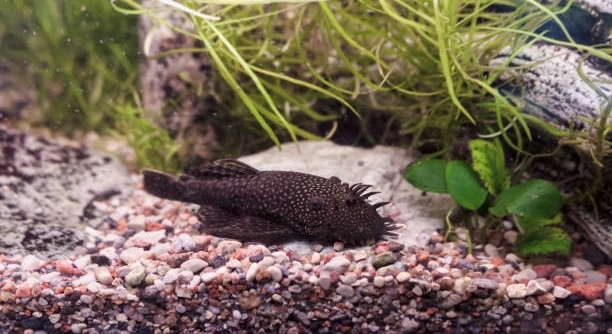
Have you ever wondered if your Bristlenose Pleco might be lonely swimming alone in your aquarium, or if it truly prefers solitude over companionship?
Bristlenose Plecos do not require a friend to stay healthy or happy. These fish are naturally solitary and territorial, especially males. While they can live peacefully with other community fish, they generally prefer having their own space to thrive.
Understanding how these calm bottom-dwellers interact with others can help you create a more balanced and stress-free environment for your aquarium.
Understanding the Nature of Bristlenose Plecos
Bristlenose Plecos are peaceful bottom-dwelling fish known for their calm and independent nature. They spend most of their time grazing on algae, exploring driftwood, and resting in shaded areas. These fish do not rely on companionship for emotional comfort like some schooling species do. In fact, keeping too many Plecos in a single tank can lead to territorial disputes, especially between males. Each Pleco prefers to claim its own hiding spots and feeding areas. Providing caves, plants, and decorations helps them feel secure. While they coexist well with community fish that share similar water needs, they don’t need another Pleco for social balance. Their low-maintenance behavior and shy personality make them ideal for peaceful aquariums where each fish has enough personal space to thrive. Understanding their solitary tendencies can help you design an environment that supports their natural habits and reduces unnecessary stress.
Giving your Pleco room to explore and hide comfortably helps maintain its health and reduces aggression. They flourish in calm environments where they can eat, rest, and stay active without competition or stress.
Observing how your Bristlenose Pleco behaves in its tank can reveal much about its comfort level. A content Pleco will have a consistent appetite, smooth movements, and spend time cleaning surfaces or resting in shaded spots. If it appears restless or hides constantly, it may be due to overcrowding or unsuitable tank mates. Proper tank maintenance, including regular cleaning and stable water conditions, also plays a key role in their well-being. When they feel safe and undisturbed, these fish can live for many years, showing off their unique bristles and gentle personalities. Supporting their natural habits is the best way to ensure a healthy and peaceful aquarium environment.
Tank Mates and Social Behavior
Bristlenose Plecos can live peacefully with many community fish, as long as the environment remains balanced. They are not aggressive toward other species unless they feel threatened or cramped.
When selecting tank mates, it’s important to consider size, temperament, and space. Avoid pairing Plecos with highly territorial or fin-nipping fish. Good companions include tetras, guppies, mollies, and cory catfish. These species share similar water conditions and rarely disturb bottom dwellers. A tank larger than 30 gallons gives each fish room to claim space comfortably. It’s also best to avoid keeping multiple male Plecos together unless the aquarium is spacious and filled with hiding spots. Even females may show mild territorial behavior if space is limited. Maintaining proper water parameters and a clean substrate prevents stress and encourages natural behavior. When the environment supports harmony, Bristlenose Plecos will thrive without needing another of their kind for company.
Creating the Ideal Environment
A peaceful environment helps your Bristlenose Pleco stay healthy and relaxed. They enjoy shaded areas, hiding spots, and plenty of surfaces to graze on. Driftwood is especially important, as it provides both food and comfort. Clean water and good filtration keep their habitat stable and safe.
Providing a mix of caves, plants, and flat rocks encourages natural behaviors. Plecos prefer dim lighting and smooth surfaces where algae can grow. Stable water temperature between 73–81°F and a slightly acidic to neutral pH supports their health. Weekly partial water changes help maintain balance and prevent buildup of harmful substances. It’s also helpful to include air stones or gentle water flow for oxygen circulation. A calm, structured setup gives them security while reducing stress from sudden movements or bright lights. When the tank feels natural and consistent, Plecos display healthy activity and better feeding habits.
Feeding plays a big role in keeping Plecos content. Although they graze on algae, that alone isn’t enough. A balanced diet should include algae wafers, blanched vegetables like zucchini or cucumber, and sinking pellets rich in fiber. Occasional treats such as peas or spinach help with digestion. Removing uneaten food prevents water pollution. Feeding them at night matches their natural habits since they are more active then. Observing their eating pattern can also indicate overall health—consistent appetite usually means they’re thriving. Providing both variety and cleanliness ensures your Pleco stays strong, energetic, and fully nourished in its calm aquatic home.
When to Keep More Than One
Sometimes keeping more than one Bristlenose Pleco is possible, but only with enough space and hiding spots. Overcrowding leads to territorial fights, especially between males. A large, well-decorated tank helps reduce competition and allows each Pleco to feel comfortable.
If you plan to keep multiple Plecos, aim for a tank size of at least 55 gallons. Each Pleco should have its own area with caves or driftwood to claim. Avoid placing two males in a small tank, as they often become aggressive when space is limited. Females are generally calmer and can coexist more easily if there’s plenty of room. Monitor their behavior closely, especially during feeding times, since aggression can increase over food or territory. Adding visual barriers like plants or decorations helps them feel separated and secure. Proper setup and observation make keeping more than one Pleco possible without unnecessary conflict.
Signs of Stress or Discomfort
When a Bristlenose Pleco feels stressed, it may hide excessively, refuse food, or become unusually still. Rapid breathing, pale color, or constant attempts to escape also indicate discomfort. Poor water quality and overcrowding are common causes of these behaviors.
Consistent hiding or aggression toward other fish can signal that the environment feels unsafe. Ensure the tank is quiet, water parameters are stable, and lighting is gentle. Regular observation helps catch early signs of stress before they affect health. A calm Pleco will eat well, move smoothly, and stay active during the night.
Breeding Behavior
When conditions are ideal, Bristlenose Plecos may breed naturally. Males clean a cave and invite a female to lay eggs. Afterward, the male guards and fans the eggs until they hatch, keeping them safe from fungus and predators. Clean water and a peaceful tank are essential for successful breeding.
Common Mistakes
Many owners make the mistake of keeping multiple Plecos in small tanks, leading to stress and aggression. Overfeeding and poor water maintenance also cause health problems. Giving your Pleco enough space, clean water, and the right diet helps prevent most common issues and supports a calm, healthy aquarium.
FAQ
Do Bristlenose Plecos get lonely?
Bristlenose Plecos are naturally solitary fish and do not experience loneliness the way social or schooling fish might. They spend most of their time grazing on algae, exploring hiding spots, or resting in shaded areas. As long as their tank environment is calm and spacious, they remain content alone.
Can I keep two Bristlenose Plecos together?
Keeping two or more Plecos is possible but depends on tank size and available hiding spots. In small tanks, males may become territorial and aggressive toward each other. Large tanks with multiple caves, driftwood, and decorations reduce competition and allow peaceful coexistence. Females are generally calmer together, but space is still important.
How big should the tank be for multiple Plecos?
For multiple Bristlenose Plecos, a tank of at least 55 gallons is recommended. Each fish should have its own territory with caves or driftwood. Visual barriers like plants or decorations help create separate spaces and reduce stress from territorial disputes. Regular monitoring ensures no aggressive behavior escalates.
What is the best diet for a Bristlenose Pleco?
Algae alone is not sufficient. A balanced diet includes algae wafers, blanched vegetables like zucchini or cucumber, and sinking pellets high in fiber. Occasional treats such as spinach or peas improve digestion. Remove uneaten food promptly to prevent water pollution and maintain water quality.
How do I know if my Pleco is stressed?
Signs of stress include excessive hiding, refusal to eat, pale coloring, rapid breathing, or constant movement as if trying to escape. Stress often results from overcrowding, poor water quality, or aggressive tank mates. Ensuring a calm, clean, and well-decorated environment helps prevent these issues.
Do Plecos need caves or hiding spots?
Yes, hiding spots are essential for Bristlenose Plecos. They provide security, reduce stress, and support natural behavior. Driftwood, caves, and plants allow the fish to rest and claim territory. Proper placement of hiding spots ensures the tank feels safe and allows multiple fish to coexist without conflict.
How often should I clean the tank?
Regular maintenance is crucial. Partial water changes of 20–30% weekly help keep water parameters stable. Remove uneaten food and clean surfaces to prevent algae buildup or waste accumulation. Clean tanks support healthy Plecos, reduce stress, and prevent common diseases caused by poor water quality.
Can Plecos live with other fish?
Bristlenose Plecos coexist well with many peaceful community fish like tetras, guppies, mollies, and cory catfish. Avoid aggressive or fin-nipping species that may harass them. Matching water requirements and ensuring enough space helps maintain harmony in the tank.
Do Bristlenose Plecos breed in community tanks?
Breeding is possible if conditions are optimal. Males prepare a cave for the female to lay eggs. The male guards and fans the eggs until they hatch. A peaceful environment with clean water, proper hiding spots, and minimal disturbance increases the chances of successful breeding.
How long do Bristlenose Plecos live?
With proper care, Bristlenose Plecos can live up to 10–15 years. Stable water parameters, a balanced diet, adequate hiding spots, and a peaceful environment contribute to their longevity. Observing their behavior and maintaining proper tank conditions ensures they remain healthy and active throughout their life.
What mistakes should I avoid with Plecos?
Common mistakes include overcrowding, keeping multiple males in small tanks, overfeeding, and neglecting water maintenance. Avoiding these issues by providing space, hiding spots, and clean water prevents stress, aggression, and health problems. Paying attention to their natural behavior ensures a calm and thriving tank environment.
Are Plecos nocturnal?
Yes, Bristlenose Plecos are mostly active at night. They graze on algae and search for food when the lights are off or dimmed. Providing feeding times in the evening and low lighting helps them follow their natural rhythm and reduces stress during daytime hours.
How can I encourage natural behavior?
Provide driftwood, caves, and plants to mimic their natural habitat. Maintain stable water conditions and a clean tank. Feeding algae wafers and vegetables supports grazing habits. Observing and understanding their patterns helps create an environment where they can explore, hide, and feed naturally.
Do Plecos need supplemental food if there is algae?
Yes, natural algae growth alone is not enough for proper nutrition. Supplementing with algae wafers, vegetables, and sinking pellets ensures balanced nutrition and supports healthy growth, digestive function, and overall well-being.
Is water temperature important?
Yes, maintaining a stable temperature between 73–81°F is crucial. Sudden fluctuations stress Plecos and can lead to illness. A heater or thermometer helps monitor and regulate temperature, creating a comfortable environment that supports normal activity and feeding behavior.
This FAQ covers the essential aspects of caring for Bristlenose Plecos, ensuring they remain healthy, stress-free, and able to display natural behaviors in a community or solo tank setup.
Bristlenose Plecos are gentle, calm fish that bring a quiet charm to any aquarium. They are naturally solitary and thrive when their environment is stable, clean, and well-structured. Unlike schooling fish, they do not need company to stay happy. Providing enough space, hiding spots, and proper water conditions is more important than adding another Pleco to the tank. Driftwood, caves, and plants not only give them places to rest but also support natural behaviors like grazing on algae. These small details make a big difference in how comfortable and confident your Pleco feels. When they have what they need, they are more active at night, show consistent appetites, and maintain healthy coloring. Observing these signs can reassure you that your Pleco is content and well-adjusted in its home.
Creating a balanced environment requires attention to diet, tank size, and water maintenance. Plecos eat algae naturally, but a proper diet also includes algae wafers, sinking pellets, and fresh vegetables such as zucchini or cucumber. Occasional treats like spinach or peas help with digestion and provide nutritional variety. Overfeeding can lead to water pollution, so removing uneaten food is essential. Water parameters should remain stable, with temperatures between 73–81°F and a slightly acidic to neutral pH. Regular partial water changes, careful monitoring of ammonia and nitrate levels, and good filtration are key to preventing stress and disease. Even minor adjustments in tank conditions can affect the health and behavior of your Pleco, so staying attentive is important for long-term success. A well-maintained tank ensures your fish thrives without the need for unnecessary companions.
Even though Bristlenose Plecos can coexist with other peaceful fish, it’s important to respect their solitary tendencies. Males can become territorial, and overcrowding increases stress, which may affect their health. Providing multiple hiding spots, decorations, and driftwood allows each fish to feel secure and reduces potential conflicts. When conditions are ideal, Plecos can even breed naturally, with males guarding eggs in a protected cave. Observing their behavior, adjusting the tank layout when needed, and feeding a varied diet are practical steps to ensure a healthy, thriving environment. Over time, these fish will show steady growth, active nighttime behavior, and a calm temperament. Understanding their needs and habits makes caring for Bristlenose Plecos straightforward and rewarding. With proper attention, they can live for many years as peaceful, low-maintenance companions, bringing quiet beauty and natural activity to your aquarium.

Hello,
If you enjoy the content that we create, please consider saying a "Thank You!" by leaving a tip.
Every little bit helps us continue crafting quality advice that supports the health, happiness, and well-being of pets around the world, for pets of all shapes, sizes, and species.
We really appreciate the kindness and support that you show us!