
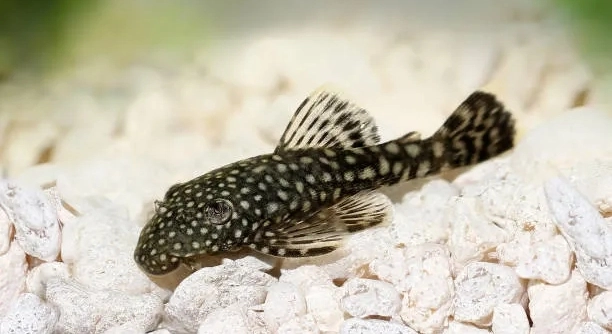
Do you ever notice your bristlenose pleco moving around when you approach the tank? These small, armored fish have unique behaviors that make them interesting to observe and care for in a home aquarium.
Bristlenose plecos can recognize their owners through visual cues and consistent feeding routines. They may respond to familiar movements or presence near the tank, demonstrating learned recognition and an ability to associate humans with food or safety.
Observing these behaviors can deepen your understanding of your fish and improve your interactions and care for them daily.
How Bristlenose Plecos Show Recognition
Bristlenose plecos often display subtle behaviors when they recognize their owners. They may swim toward the front of the tank as someone approaches or become more active during feeding times. Over time, they learn to associate particular individuals with food or tank maintenance. Their recognition is not as obvious as in mammals, but it is present. Some plecos may follow a hand along the glass or peek from hiding spots when a familiar person is near. This response is usually linked to routine rather than emotional attachment. Repeated interactions, like consistent feeding schedules and tank cleaning, help the fish identify who is responsible for these activities. Watching these responses can be satisfying and allows owners to adjust care habits to meet the fish’s expectations. Recognition may also reduce stress for the pleco, as familiarity with a specific person can make environmental changes less startling, promoting overall well-being in captivity.
Learning to read these signals improves care and strengthens routine-based interaction with your pleco.
Observing your pleco’s behaviors requires patience. Each fish reacts differently, and patterns may take weeks to emerge. Paying attention to subtle signs like movement or orientation in the tank helps identify recognition. Over time, the consistency of these actions reinforces the pleco’s ability to link humans with predictable outcomes, such as feeding or cleaning.
Factors Affecting Recognition
Recognition depends on consistency and interaction frequency. The more often a pleco sees and experiences the same person, the more likely it is to show recognition behaviors.
The clarity of recognition can vary based on several factors. Tank size plays a role because larger tanks provide more hiding spaces, which may limit direct visual contact with the owner. Lighting conditions also influence how well plecos can see approaching individuals. Age and past experiences of the fish matter; younger plecos are often more reactive and observant, whereas older ones may be more set in their routines. Feeding patterns strongly affect recognition, as plecos quickly learn to associate specific people with food delivery. Stress levels and health conditions also impact behavior. A stressed or ill fish may hide or ignore familiar stimuli. Owners who maintain consistent schedules and gentle interactions are more likely to see clear recognition signs. Over time, a combination of routine, visibility, and attentive care allows bristlenose plecos to distinguish individuals in their environment, demonstrating a form of learned recognition that can enhance the overall aquarium experience.
Training Your Bristlenose Pleco
Consistent feeding times help plecos recognize owners. They respond better when routines are predictable. Small movements near the tank and hand-feeding can reinforce recognition over time, encouraging the fish to approach familiar people more readily.
Positive reinforcement works well with plecos. Offering food in a consistent location at the same time daily allows the fish to associate the person with nourishment. Slowly moving your hand near the tank and observing the pleco’s reactions helps establish trust. Avoid sudden motions, as these can startle the fish. Repetition is key, and patience is required. Gradual, calm interactions strengthen the fish’s ability to distinguish familiar humans from strangers. Over weeks, recognition becomes more apparent, making daily care smoother and more predictable for both owner and fish.
Training also improves the pleco’s activity and reduces hiding. When a fish associates a person with feeding rather than disturbance, it spends more time exploring the tank. Plecos can learn to anticipate meals, swim toward feeding spots, and respond to familiar hand gestures. This type of recognition is built on routine rather than emotion. By consistently following these practices, the fish develops predictable behavior patterns, which benefit both observation and maintenance. The approach creates a low-stress environment that encourages natural activity, promoting health and longevity in captivity.
Understanding Pleco Behavior
Bristlenose plecos are nocturnal but adjust slightly to human presence. They become more active during feeding and may display curiosity without showing fear. Understanding their patterns helps owners manage tank interactions effectively.
Behavior is influenced by environment, diet, and social factors. Plecos prefer hiding places and will retreat when stressed or unfamiliar people approach. Over time, they may adjust to regular routines, recognizing the owner as a non-threatening figure. Observing their response to hand movements, feeding, or tank maintenance provides insight into recognition levels. Plecos also react to changes in water conditions and lighting, which can temporarily override recognition behaviors. By maintaining consistency in tank care, owners encourage reliable responses. The more predictable the environment, the clearer the pleco’s recognition signals become. Recognizing these patterns allows owners to create a routine that supports both fish health and engagement.
Signs Your Pleco Recognizes You
Plecos may follow movements near the tank or swim toward familiar hands. They often become more active during feeding and show less fear around consistent caregivers.
Recognition can also appear in subtle ways. A pleco may peek from hiding spots or hover near the front glass when the owner approaches, showing learned familiarity without overt interaction.
The Role of Feeding in Recognition
Feeding is the primary way plecos learn to recognize humans. Repeated association of a person with food creates predictable responses. Plecos begin to anticipate feeding times and may approach the area where food is usually offered. Consistent schedules and gentle handling strengthen this recognition, reinforcing trust.
Environmental Factors
Tank size, hiding spots, and lighting affect pleco recognition. Clear visibility and reduced stress improve their ability to identify familiar humans.
FAQ
Can bristlenose plecos remember their owners for a long time?
Yes, bristlenose plecos can retain recognition for weeks or months if the feeding and interaction routine is consistent. Their memory is linked to repetitive behaviors, such as hand-feeding and daily tank care. Long gaps in interaction may reduce their responsiveness temporarily.
Do plecos respond differently to different people?
Bristlenose plecos can distinguish between familiar and unfamiliar humans. They may swim closer to a person they regularly interact with while remaining cautious around new individuals. Recognition is primarily based on routine, consistency, and previous positive associations rather than emotional attachment.
How can I tell if my pleco recognizes me?
Recognition is usually subtle. Look for movement toward your presence, increased activity during feeding, or positioning near the front of the tank when you approach. Some plecos peek from hiding spots or follow hand movements, showing learned familiarity. Patterns emerge over consistent observation.
Does feeding type affect recognition?
Yes, the type of food and method of delivery can influence recognition. Plecos respond best to foods they enjoy and that are consistently provided by the same person. Hand-feeding or placing food in a specific spot helps reinforce familiarity. Variation in food type or feeding method may slow recognition learning.
Are plecos more active during the day because of owner presence?
Bristlenose plecos are naturally nocturnal but can adjust slightly to human activity. They often become more active during feeding times, anticipating meals. Owner presence can prompt movement near the glass, but overall activity is still influenced by lighting, tank setup, and individual temperament.
Can plecos form emotional bonds like mammals?
Recognition in plecos is behavioral rather than emotional. They respond to routine and learned associations with humans rather than forming attachments. While they may appear curious or “friendly,” their behavior is driven by expectations for food or safety rather than affection.
What tank conditions improve recognition?
Clear water, proper lighting, and predictable tank maintenance encourage plecos to show recognition. Large tanks with too many hiding spots can reduce visual contact, making it harder for them to link humans to feeding or care. Consistency and calm interaction are key.
How long does it take for a pleco to recognize an owner?
It typically takes several weeks of consistent interaction for behaviors indicating recognition to develop. Daily feeding at regular times, gentle movements near the tank, and minimizing sudden disturbances help the pleco learn to associate a person with predictable outcomes.
Does stress affect recognition?
Yes, stress can reduce a pleco’s responsiveness. Sudden changes in water quality, aggressive tank mates, or loud movements may cause hiding or avoidance, overriding recognition behaviors. Maintaining stable water parameters and a calm environment supports learning and consistent responses.
Can multiple plecos recognize the same owner equally?
Each pleco learns individually. Some may be more responsive than others, depending on temperament, age, and prior experiences. While multiple plecos can recognize the same person, the degree of interaction and visibility influences how consistently each fish responds.
Is hand-feeding necessary for recognition?
Hand-feeding is not strictly necessary but can accelerate recognition. It creates a direct association between the owner and food. Offering food at the same location and time consistently can also develop recognition without physically touching the fish.
Can recognition disappear over time?
Recognition can diminish if routines are disrupted or interactions are infrequent. Plecos rely on repeated patterns to reinforce memory, so long gaps or inconsistent care may reduce their responsiveness, though behaviors can return once routines are reestablished.
Do plecos recognize owners by sight or movement?
Recognition is primarily visual. Plecos notice movements and shapes outside the tank, linking them to feeding and care routines. Subtle gestures, hand movements near the glass, or repeated actions help the fish associate a person with predictable outcomes.
How do I encourage recognition without stressing the pleco?
Keep interactions calm and consistent. Feed at the same times, avoid sudden movements, and let the fish approach voluntarily. Over time, plecos learn to anticipate your presence and respond without fear. Patience and routine are essential to fostering recognition.
Does age affect recognition ability?
Younger plecos may be more active and responsive, making recognition easier to observe. Older plecos can still learn, but their reactions may be slower, and habits are more established. Consistent routines benefit fish of all ages.
Can tank mates interfere with recognition?
Aggressive or territorial tank mates may stress plecos, reducing visible recognition behaviors. Providing adequate hiding spaces and maintaining calm conditions helps the pleco respond to humans without interference. Observation may be easier in quieter or less crowded tanks.
Is recognition permanent once established?
Recognition is long-lasting if routines are maintained but not permanent. Changes in environment, feeding, or interaction patterns can weaken the behavior. Returning to consistent care helps reestablish recognition patterns over time.
Do plecos recognize different owners equally?
Responses vary individually. Plecos may favor the person who interacts most consistently or provides food, while other owners may see less pronounced recognition. Each fish’s experience and observation play a role in how they respond to multiple people.
Are there signs of stress that reduce recognition?
Hiding, inactivity, rapid breathing, or refusal to feed are stress indicators. Stress can temporarily suppress recognition, so maintaining stable conditions and gentle interaction helps preserve learned behaviors and encourages positive responses to familiar humans.
Can plecos recognize owners through sound or vibration?
While primarily visual learners, plecos may respond to vibrations or disturbances near the tank, linking them to routine activities. Visual cues remain the strongest factor, but repeated patterns of movement and feeding sounds can reinforce recognition.
Final Thoughts
Bristlenose plecos are fascinating fish, and their ability to recognize owners shows just how adaptive they can be. While they do not form emotional attachments like mammals, they respond to routine and consistency in ways that demonstrate learning and memory. Recognition is usually linked to feeding and daily care, which are predictable activities that plecos can associate with a specific person. Observing these subtle behaviors can be rewarding, especially when a pleco swims toward the front of the tank or reacts to familiar hand movements. These small interactions are evidence of their awareness and ability to distinguish between individuals, even if it is primarily based on routine rather than affection.
The key to encouraging recognition is consistency. Daily feeding at set times, gentle movements around the tank, and careful maintenance of water quality all contribute to a pleco’s comfort and ability to identify owners. Sudden changes, stress, or irregular interactions can reduce their responsiveness, so maintaining a calm and predictable environment is essential. Each pleco is different, and some may take longer to show recognition behaviors than others. Patience is important, as it can take weeks for a pattern to become noticeable. Over time, predictable interactions build trust, reduce stress, and allow plecos to respond more reliably when a familiar person approaches. Understanding their natural nocturnal tendencies also helps in interpreting their activity and responsiveness during daylight hours.
Recognizing and responding to your pleco’s behavior improves both care and observation. Owners who pay attention to subtle cues, like swimming toward the front of the tank or peeking from hiding spots, gain insight into the fish’s comfort level and daily routine. Simple actions, such as feeding in the same spot and keeping tank maintenance gentle and predictable, can make the fish more confident and active. While recognition does not mean emotional bonding, it does enhance interaction and makes caring for plecos more engaging. Maintaining consistent habits benefits the fish’s health, reduces stress, and allows owners to appreciate the unique behaviors of these small, armored companions. Over time, these predictable patterns create an environment where plecos feel safe and responsive, making daily care smoother and more enjoyable for both owner and fish.

Hello,
If you enjoy the content that we create, please consider saying a "Thank You!" by leaving a tip.
Every little bit helps us continue crafting quality advice that supports the health, happiness, and well-being of pets around the world, for pets of all shapes, sizes, and species.
We really appreciate the kindness and support that you show us!