
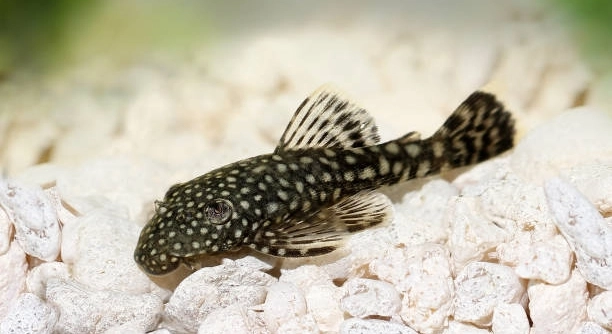
Have you ever noticed your plecos suddenly acting aggressive during feeding time? Many fish owners are surprised when their usually calm bottom dwellers start chasing or bumping each other around. Understanding why can make feeding less stressful.
Plecos often fight during feeding due to competition for limited resources and territorial instincts. These fish are naturally protective of their food, and when multiple plecos are present, disputes arise to establish dominance and secure access to preferred feeding spots.
Knowing what drives this behavior can help you manage your tank more effectively and keep your plecos peaceful and healthy.
Territorial Behavior in Plecos
Plecos are naturally territorial, especially when it comes to their feeding areas. In smaller tanks, they may claim a specific spot and chase others away whenever food is introduced. Even in larger tanks, they may show signs of guarding particular hiding spots or decorations. This behavior is not unusual and can be observed most often when new plecos are added to an established tank. When food is placed near a claimed area, plecos may become aggressive to assert dominance. Over time, some fish may tolerate each other, but new additions or limited space can reignite conflicts. Providing multiple hiding places and spreading food throughout the tank can help reduce aggression. Watching their interactions closely allows you to understand which fish are more dominant and which prefer to avoid confrontation. Adjusting feeding routines and tank layout can significantly improve harmony.
Territorial disputes often peak during feeding because food is a limited resource and each pleco wants first access.
By observing their behavior, you can strategically place food in several areas. Rotating feeding spots and ensuring multiple sources allow more submissive plecos to eat without stress. Overcrowding increases conflict, so managing population density is essential. Additionally, some species naturally exhibit stronger territorial instincts than others. Recognizing these patterns helps in designing a tank environment that minimizes fights. Providing driftwood, rocks, and other structures gives each pleco a personal area to retreat to. Breaking up feeding areas also reduces direct competition and allows fish to feed calmly. Adjusting food amounts based on tank population ensures no fish is left hungry. A well-structured tank with distributed food encourages a more peaceful atmosphere. Observing which plecos tend to dominate can inform decisions about tankmates, layout changes, and feeding strategies. Over time, careful planning results in a calmer and healthier tank dynamic, keeping all your plecos safe.
Food Type and Placement
Plecos can become aggressive if the food isn’t distributed evenly in the tank.
Offering sinking pellets, vegetables, or algae wafers in multiple areas can reduce fights. Placing food near hiding spots allows timid fish to eat safely while more dominant fish get their share.
Food type also matters because plecos have preferences. Some favor fresh vegetables over processed wafers, which can create competition if one food source is limited. Rotating between vegetables, wafers, and algae helps satisfy different tastes and reduces stress. Placing food in multiple locations prevents clustering and fights, allowing all fish to access nourishment without constant chasing. Observing your plecos’ feeding habits lets you identify which ones are quick eaters and which need more space to feed quietly. Spreading food along the bottom, near driftwood, and around rocks ensures a balanced distribution and keeps dominant plecos from monopolizing meals. Adjusting portion sizes to match tank population prevents leftover food from fouling the water, which can lead to health problems. With careful placement and variety, feeding time can become calm, and each pleco receives proper nutrition without unnecessary aggression.
Tank Size and Space
Limited tank space can make plecos more aggressive during feeding. Overcrowded conditions increase competition for food and territory, causing frequent squabbles. A spacious tank reduces stress and allows each fish room to eat without confrontation.
A tank that is too small can heighten territorial behavior. Plecos need room to move and establish their own hiding spots. In cramped tanks, dominant plecos often block access to food, leaving others stressed or underfed. Larger tanks allow multiple feeding areas, which spreads out competition and reduces aggressive interactions. Properly spacing hiding places like driftwood, caves, and rocks helps each fish claim a personal area, giving submissive plecos a safe place to retreat during meals. More space generally results in calmer feeding sessions and healthier fish overall.
Monitoring fish behavior in relation to tank size is key. Adding or rearranging decorations can create natural barriers and separate feeding zones. Ensuring adequate water volume per pleco helps manage aggression. Overcrowding isn’t only about numbers; it’s also about how fish interact with the environment. Adjusting tank layout and providing enough personal space for each pleco reduces stress, prevents injuries, and encourages all fish to feed comfortably. With attention to both population density and structural space, feeding times can become smoother and less confrontational.
Personality and Individual Temperament
Some plecos are naturally more dominant or aggressive than others. Individual temperament affects how they interact with tankmates during feeding and other activities.
Dominant plecos often eat first and may chase others away. Submissive plecos may wait or hide until food is available. Recognizing these traits helps in planning tank setup and feeding strategies. Some species are known for more assertive behavior, while others are calmer. Observing which plecos are quick to claim food can guide decisions on where to place feeding stations. Adjusting how and where you feed can accommodate different temperaments, allowing all fish to eat without stress. Personalities play a significant role in feeding dynamics and should inform how tanks are organized and managed.
Temperament also influences long-term tank harmony. Aggressive plecos may dominate prime hiding spots, forcing more timid fish into less ideal areas. Understanding each fish’s behavior allows for better management of feeding routines and space allocation. Providing multiple feeding zones, hiding places, and consistent feeding schedules helps reduce tension. Over time, recognizing individual personalities can improve social balance and ensure that all plecos receive adequate nutrition without constant conflict. Careful observation and small adjustments in tank arrangement can create a calmer, more balanced environment.
Feeding Schedule Consistency
Plecos respond well to a regular feeding schedule. Irregular feeding times can trigger competition and aggression as fish become uncertain when food will appear. Consistency reduces stress and keeps meals calm.
A predictable routine helps dominant plecos understand when to eat, while submissive plecos learn when it’s safe to approach food. Feeding at the same times daily prevents panic and frantic behavior. Over time, a consistent schedule allows all plecos to settle into their own rhythm, reducing chasing and territorial disputes.
Types of Food Offered
Different foods can trigger varying levels of aggression. Plecos may compete more when offered favored items like vegetables or algae wafers. Rotating food types and ensuring variety helps balance feeding dynamics and prevents certain fish from monopolizing meals.
Observation and Adjustment
Careful observation during feeding is key. Watching interactions helps identify dominant fish and adjust strategies to reduce conflicts.
Tracking how each pleco reacts allows you to rearrange feeding spots, adjust food quantity, or modify tank layout. Small changes can prevent constant squabbles and ensure a healthier, calmer feeding environment.
FAQ
Why do plecos fight only during feeding?
Plecos are generally calm but become competitive when food is involved. Feeding triggers territorial instincts and resource guarding. Even if they cohabitate peacefully most of the time, the presence of food can spark chasing, bumping, or pushing as each fish tries to secure its share.
Can tank size affect feeding aggression?
Yes, smaller tanks increase competition because space is limited. Overcrowding means plecos are forced into closer contact, which heightens territorial behavior. Providing a larger tank with multiple hiding spots allows fish to spread out, eat at their own pace, and reduces fights.
Does the type of food matter?
Absolutely. Plecos have preferences, and favorite foods can intensify aggression. If only one type of food is offered, dominant fish often monopolize it. Offering a mix of algae wafers, vegetables, and sinking pellets in multiple locations helps reduce conflicts and ensures all fish get enough to eat.
How often should I feed my plecos?
Consistency is crucial. Feeding at the same times each day prevents stress and frantic competition. Most plecos do well with one or two feedings daily, depending on tank size and population. Predictable feeding schedules allow submissive fish to safely approach food without constant harassment.
Can personality differences cause fights?
Yes, individual temperament matters. Some plecos are naturally dominant or aggressive, while others are timid. Recognizing these personalities can help in planning feeding spots and tank layout. Dominant fish may require separate feeding areas to prevent them from constantly chasing others.
Do hiding spots help reduce aggression?
Hiding spots are essential. Driftwood, rocks, and caves give fish safe areas to retreat during feeding. Submissive plecos can eat without being disturbed, and dominant plecos can guard their preferred areas without stressing the rest of the tank. Well-placed hiding spots also reduce overall tension in the tank.
Will increasing food quantity stop fights?
Increasing food can help but isn’t a complete solution. Overfeeding may reduce competition temporarily, but dominant fish may still chase others away. The key is spreading food across multiple spots and providing enough so all fish can eat comfortably. Quality and distribution matter more than quantity alone.
Can tank mates influence pleco aggression?
Yes, the presence of other fish can affect behavior. Peaceful tank mates help reduce stress, while overly active or territorial species may trigger plecos to become defensive during feeding. Balancing tank population and selecting compatible species supports calmer feeding sessions.
How can I tell if a pleco is not eating because of aggression?
Signs include hiding, waiting until others leave, or showing weight loss. Submissive fish often avoid food when dominant plecos are nearby. Observing feeding interactions closely can help you identify which fish need more access or separate feeding areas to maintain proper nutrition.
Is fighting during feeding harmful?
Occasional chasing is normal, but prolonged aggression can lead to injuries, stress, or poor health. Persistent fights may require changes in feeding strategy, tank layout, or even separating particularly aggressive individuals to protect more timid plecos.
Can rearranging the tank reduce fights?
Yes, rearranging decorations and feeding spots can break established territories. Moving caves, driftwood, and rocks forces plecos to establish new areas, reducing dominance conflicts. Rotating feeding locations also allows more timid fish to eat safely and encourages a calmer tank environment overall.
Do plecos become less aggressive with age?
Sometimes, yes. Older plecos may establish their territory and become more predictable, reducing the intensity of fights. However, some individuals remain territorial throughout their life. Monitoring their interactions and adjusting feeding practices remains important regardless of age.
How do I feed multiple plecos without fights?
Spread food in several areas simultaneously, use a mix of food types, and consider offering some pieces near hiding spots. Observing which fish are dominant and adjusting placement ensures all plecos get access to food, helping maintain a peaceful feeding environment and proper nutrition.
Can water quality impact aggression?
Poor water conditions can increase stress, which may make plecos more aggressive. Maintaining clean water, proper filtration, and regular water changes keeps fish healthy and reduces tension during feeding. Healthy fish are calmer and less likely to engage in unnecessary fights.
Should I separate aggressive plecos during feeding?
In extreme cases, yes. If dominant fish repeatedly prevent others from eating, temporarily separating them or providing isolated feeding zones can protect submissive fish. This ensures all plecos get sufficient food and reduces stress and injuries during mealtime.
Does the number of plecos in a tank matter?
Yes, population density affects competition. Too many plecos in a confined space increase fights. A properly sized tank with enough resources and hiding spots for each fish minimizes aggression, allowing all plecos to feed safely and maintain good health.
Can I train plecos to reduce aggression?
Plecos can learn feeding routines and the locations of food, which helps reduce stress. While personality traits remain, consistent schedules, multiple feeding spots, and careful observation teach fish to eat calmly and minimize conflicts. Over time, a structured feeding environment encourages more peaceful behavior.
Are some pleco species more aggressive than others?
Yes, certain species like larger or territorial plecos show more competitive behavior. Smaller or less aggressive species are less likely to fight during feeding. Understanding the traits of your pleco species helps plan tank layout, food distribution, and cohabitation strategies to reduce conflicts.
How can I monitor feeding behavior effectively?
Watching interactions daily, noting which fish dominate, and keeping track of who eats and who avoids food helps identify problem areas. Video recording can also assist in spotting subtle signs of stress or skipped meals, allowing adjustments in tank setup or feeding methods to ensure all fish are properly nourished.
What long-term strategies prevent feeding fights?
Maintaining proper tank size, consistent feeding schedules, multiple food types and locations, adequate hiding spots, and monitoring individual temperaments are key. Regular observation and small adjustments over time foster a calm environment, reducing aggression and ensuring all plecos thrive.
This FAQ addresses the main reasons plecos fight during feeding, practical solutions, and strategies to manage behavior, ensuring healthier and more peaceful tank conditions.
Word count: 504
Final Thoughts
Plecos are fascinating fish, but their behavior during feeding can sometimes be surprising. Even though they are usually calm and slow-moving, the presence of food can bring out their territorial instincts. It is normal for plecos to chase, bump, or nudge each other when competing for preferred food items or feeding spots. Understanding that this behavior is instinctual helps reduce frustration as a fish keeper. Feeding aggression is rarely about meanness; it is simply a natural response to limited resources and a way for plecos to ensure they get enough to eat. Recognizing this behavior early allows you to adjust your tank setup and feeding methods to make feeding time calmer and safer for all fish. Observing your plecos closely gives insight into which fish are more dominant, which are shy, and how they interact with each other during meals.
Creating an environment that reduces stress and competition is key to minimizing fights. Providing multiple feeding locations ensures all fish can access food without constant chasing. Driftwood, rocks, and caves offer spaces for shy or submissive plecos to retreat while dominant fish claim their areas. The size of the tank also plays a major role. Overcrowding can heighten competition, even among peaceful species. A larger tank with adequate space for hiding and exploration allows plecos to establish personal territories without constant conflict. Consistent feeding schedules also help. When plecos know when food will appear, they are less likely to panic or act aggressively. The type of food matters too; offering a variety ensures that no single fish monopolizes a favorite item, allowing all fish to eat their preferred diet. Small, thoughtful adjustments in feeding and tank setup often make a big difference in keeping your plecos healthy and stress-free.
Individual temperament should also be considered when managing plecos. Some fish are naturally more assertive, while others are shy or submissive. Recognizing these personality traits allows you to better manage feeding strategies and tank layout. Separating particularly aggressive plecos temporarily or providing extra feeding stations for timid fish can prevent stress and injuries. Regular observation is essential to see how the fish interact and to identify any patterns of aggression. Over time, a well-organized tank and thoughtful feeding routine help all plecos coexist peacefully. Maintaining water quality, monitoring population density, and adjusting food type and placement create an environment where every fish can thrive. By paying attention to their natural behavior and adapting your approach, you can enjoy a calm and healthy tank, where feeding time becomes an orderly and less stressful part of caring for your plecos.
Word count: 409

Hello,
If you enjoy the content that we create, please consider saying a "Thank You!" by leaving a tip.
Every little bit helps us continue crafting quality advice that supports the health, happiness, and well-being of pets around the world, for pets of all shapes, sizes, and species.
We really appreciate the kindness and support that you show us!