
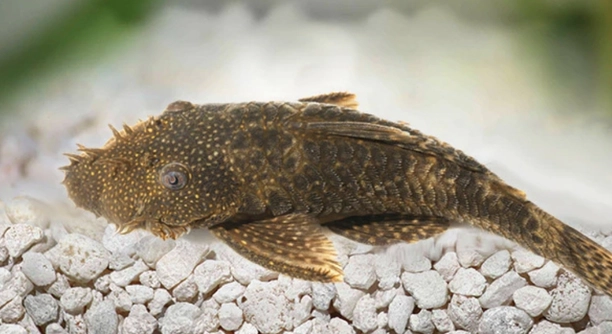
Plecos are sensitive fish that respond strongly to changes in their environment. Small disturbances in water, lighting, or tank setup can easily make them uneasy. Observing their behavior helps in maintaining a calm and healthy habitat for them.
Environmental triggers for pleco anxiety include sudden changes in water temperature, poor water quality, loud noises, excessive lighting, overcrowding, frequent handling, and lack of hiding spaces. Each factor can significantly impact their stress levels and overall well-being.
Recognizing these triggers early allows you to make adjustments that keep your plecos comfortable and secure in their aquatic home. Proper care creates a peaceful and thriving environment for these unique fish.
Sudden Changes in Water Temperature
Plecos are highly sensitive to water temperature fluctuations. Even a slight change can make them anxious, as their bodies need stability to function properly. Rapid shifts can disrupt their metabolism, affect their feeding habits, and make them more prone to illness. Maintaining a consistent temperature helps them feel secure. Using a reliable heater and thermometer is essential. Monitoring water closely, especially during seasonal changes, ensures their environment remains stable. Gradual adjustments are safer than sudden shifts. In addition to temperature, consistent water movement and filtration play a role in reducing stress. Observing their behavior, such as hiding more than usual or staying near the bottom, can signal discomfort. Taking these precautions creates a stable environment that allows plecos to thrive. Their stress levels can drop significantly when conditions remain predictable, and their natural behaviors become easier to observe.
Temperature control is key for healthy plecos and prevents unnecessary anxiety or health issues.
Gradual acclimation to any water change is crucial. Slowly adjusting water conditions, using a thermometer, and monitoring their reactions reduces stress. Plecos respond best to predictable and consistent environments. When temperature changes are unavoidable, moving slowly and providing hiding spots can help them feel safe. These precautions support both short-term comfort and long-term health.
Poor Water Quality
Dirty or improperly balanced water can quickly cause pleco anxiety. High ammonia, nitrite, or nitrate levels, along with incorrect pH, can make them restless, hide excessively, or reduce appetite. Regular testing and maintenance are essential to prevent stress.
Maintaining clean, balanced water is crucial for their comfort and survival.
Filtration, water changes, and careful monitoring prevent dangerous spikes in harmful compounds. Plecos rely on oxygen-rich, clear water for both physical health and stress management. Overfeeding or neglecting tank cleaning can upset the balance, causing anxiety and making them vulnerable to illness. Observing their behavior daily allows adjustments before stress becomes severe. Using natural décor like driftwood and plants can support water quality and provide a calming environment. Consistency in water maintenance is as important as the actual parameters. A steady routine, including partial water changes and gravel vacuuming, reduces sudden shocks to their system. By prioritizing water quality, you help plecos stay active, healthy, and comfortable, creating a habitat where they can exhibit natural behaviors without constant stress.
Loud Noises
Sudden or constant loud noises can unsettle plecos. They may become skittish, hide more often, or reduce their activity. Keeping the tank in a quiet area minimizes stress and helps them feel secure.
Plecos rely on calm surroundings to remain relaxed. Noise from household appliances, televisions, or nearby construction can disturb them even through walls. Their sensitive lateral line system detects vibrations in the water, making loud disturbances more impactful than it seems. Repeated exposure to such noise can increase cortisol levels, affecting their immune system and behavior. Positioning the tank away from high-traffic areas or using sound-dampening measures can help. Observing their daily habits reveals whether they are comfortable or reacting to external sounds. Ensuring a quiet environment allows plecos to display natural behavior, feed regularly, and explore their habitat without fear, ultimately supporting their long-term well-being.
Adding soft background noise, like gentle water flow, can mask sudden sounds and create a sense of stability. Avoid placing tanks near doors, speakers, or appliances that produce vibrations. Providing caves or hiding spots allows plecos to retreat when startled, reducing prolonged stress. A predictable, calm environment encourages regular feeding, reduces anxiety, and supports healthier interactions within the tank.
Excessive Lighting
Bright or constantly changing lighting can make plecos anxious. They prefer dim areas and places to hide from intense light, which can stress them.
Plecos are nocturnal and naturally avoid brightly lit areas. Excessive or unbalanced lighting can disrupt their sleep cycles, reduce feeding, and increase hiding behavior. LED lights, aquarium lamps, or sunlight through windows may create uncomfortable conditions if not controlled. Using adjustable lighting or shaded zones helps plecos regulate activity while maintaining a natural rhythm. Observing their preferred hiding spots and adjusting light intensity accordingly can reduce stress significantly. Gradually increasing light levels during day cycles mimics natural conditions, preventing sudden discomfort. Proper lighting also supports plant growth and tank aesthetics while keeping plecos at ease.
Providing shaded areas, floating plants, or caves helps plecos manage exposure to light. Gradual light adjustments mimic natural cycles, reducing sudden stress. Consistent day-night lighting encourages normal behavior, feeding, and interaction within the tank. Bright lights should never shine directly on resting areas, and timers can maintain stability. Proper lighting management ensures a comfortable environment that supports both the physical and emotional health of plecos, encouraging natural exploration and activity patterns without constant anxiety.
Overcrowding
Too many fish in a tank can increase pleco anxiety. Limited space makes it harder for them to find hiding spots and feel secure.
Overcrowding can lead to territorial disputes, reduced oxygen levels, and higher stress. Providing adequate space and monitoring fish numbers helps plecos remain calm.
Frequent Handling
Handling plecos too often can cause them stress. They are sensitive to touch, and repeated disturbances can make them hide or refuse food. Careful, minimal handling preserves their comfort and trust in the environment.
Lack of Hiding Spaces
Plecos need caves, driftwood, or plants to retreat when stressed. Without these safe areas, they become more anxious, restless, and less likely to feed. Providing adequate hiding spots supports natural behavior and overall well-being.
FAQ
How can I tell if my pleco is anxious?
Anxious plecos often hide more than usual, stay at the bottom of the tank, or reduce feeding. Sudden darting or frequent changes in position can also indicate stress. Watching their daily behavior helps identify early signs of anxiety before it affects their health.
What is the best way to manage water temperature?
Maintaining a stable water temperature is key. Use a reliable heater and thermometer, adjusting gradually if changes are needed. Avoid placing the tank near drafts, vents, or direct sunlight. Consistency in temperature prevents stress and supports natural activity and feeding patterns.
How often should I check water quality?
Regular water testing is essential. Check ammonia, nitrite, nitrate, and pH levels at least weekly. Partial water changes help maintain balance, while clean filtration supports oxygen levels and overall tank stability. Observing pleco behavior alongside tests ensures a healthy environment.
Can lighting affect my pleco’s stress?
Yes, excessive or harsh lighting can make plecos anxious. They prefer dim, shaded areas. Use adjustable lights or floating plants to create hiding spots. Gradually increasing light during the day mimics natural cycles and supports normal feeding and activity.
What tank size is appropriate for plecos?
Plecos need ample space. Overcrowding increases anxiety and aggression. A larger tank with enough hiding areas, smooth surfaces, and open swimming space allows them to feel secure and reduces territorial stress.
How often can I handle my pleco safely?
Handling should be minimal. Frequent or rough contact can increase stress, leading to hiding or decreased appetite. Only handle when necessary, such as during tank maintenance or health checks, and support their body carefully to reduce discomfort.
What types of hiding spaces are best?
Driftwood, caves, and dense plants provide safe retreats. Multiple options at different heights allow plecos to choose their preferred spot. Hiding spaces reduce stress, encourage natural behavior, and improve their overall well-being.
Does noise affect plecos?
Yes, plecos are sensitive to vibrations. Loud household noises, music, or nearby construction can startle them. Placing the tank in a quiet area and providing thick décor or floating plants can help dampen sudden sounds and reduce stress.
Can diet influence anxiety?
A balanced diet supports overall health but does not directly reduce stress from environmental triggers. Still, malnutrition can weaken immunity and worsen anxiety. Providing algae wafers, vegetables, and occasional protein ensures they remain strong and better able to handle minor stressors.
How can I make my pleco feel more secure?
Consistency is essential. Stable temperature, clean water, dim lighting, and plenty of hiding spots all contribute. Observing behavior daily and adjusting conditions as needed allows plecos to remain calm and exhibit natural patterns without unnecessary anxiety.
Are plecos more anxious alone or with other fish?
Plecos vary in social tolerance. Some prefer solitude, while others coexist peacefully with non-aggressive species. Overcrowding increases stress, so monitor interactions and provide sufficient space to prevent conflicts and anxiety.
What signs indicate long-term stress?
Long-term stress can appear as poor appetite, lethargy, color fading, or frequent hiding. Persistent anxiety affects immunity and can lead to illness. Early identification and adjusting environmental factors are key to preventing serious health issues and maintaining comfort.
How often should I maintain the tank to reduce stress?
Regular maintenance is vital. Partial water changes weekly or biweekly, cleaning debris, and monitoring filtration helps keep the environment stable. Predictable routines reduce pleco stress and encourage normal behavior, feeding, and activity patterns.
Can I use decorations to help with anxiety?
Yes, decorations like caves, driftwood, and plants create safe zones. These provide security, reduce exposure to light, and offer retreat areas during stressful events, supporting calmer, healthier behavior.
Is it normal for plecos to hide most of the time?
Hiding is natural, but excessive hiding can indicate stress or poor conditions. Evaluate water quality, lighting, tank mates, and available hiding spots to ensure the tank supports comfort and security for your pleco.
Final Thoughts
Plecos are sensitive creatures that respond quickly to changes in their environment. Their anxiety often comes from factors that seem minor to us, like water temperature, lighting, or noise. Paying attention to their behavior is essential because even small stressors can affect their feeding, movement, and overall health. Observing when they hide, dart around, or refuse food gives insight into their comfort levels. Providing a stable, calm environment helps plecos feel secure and allows them to display natural behaviors. Simple steps, like consistent water temperature, clean water, and proper lighting, make a noticeable difference in their well-being. These measures create a predictable habitat where they can thrive without unnecessary stress.
Creating a comfortable space for plecos requires careful planning and ongoing maintenance. Hiding spots, such as driftwood, caves, or dense plants, give them a sense of security, especially when other environmental factors change. Overcrowding or aggressive tank mates can increase stress, so space management is important. Noise control also plays a role; plecos react to vibrations and sudden sounds, so placing the tank in a quieter area reduces anxiety. Minimal handling is another key factor. While it may be tempting to interact frequently, plecos are more comfortable when disturbances are limited. Gradual adjustments to lighting, temperature, or tank setup prevent sudden shocks that could disrupt their behavior. By observing their responses and making thoughtful adjustments, you can maintain a stable environment that encourages healthy activity and feeding habits.
Long-term care for plecos involves balancing environmental consistency with attentive observation. Regular water testing, filtration checks, and partial water changes prevent harmful fluctuations in water quality, which is a common source of stress. Maintaining a predictable routine benefits both their physical health and emotional comfort. Diet also supports resilience; a balanced mix of algae, vegetables, and occasional protein keeps them strong and better able to cope with minor stressors. Over time, small, consistent efforts create a peaceful, low-stress habitat where plecos can flourish. Understanding these factors allows caretakers to address problems before they escalate, supporting the fish’s natural behaviors and long-term health. Prioritizing stability, proper tank setup, and mindful observation ensures plecos remain active, comfortable, and resilient in their aquatic home.

Hello,
If you enjoy the content that we create, please consider saying a "Thank You!" by leaving a tip.
Every little bit helps us continue crafting quality advice that supports the health, happiness, and well-being of pets around the world, for pets of all shapes, sizes, and species.
We really appreciate the kindness and support that you show us!