
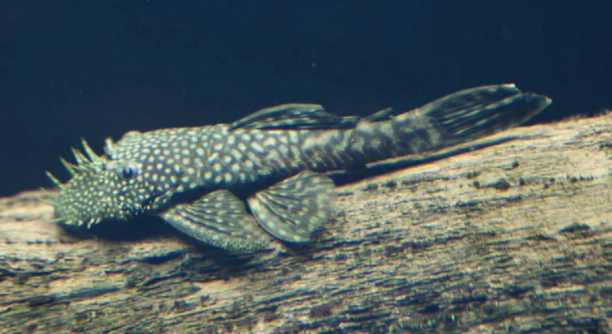
Are your plecos acting sluggish after meals or showing signs of bloating in their tank? Keeping a pleco healthy means more than just feeding them often. Their digestive system is delicate and sensitive to certain foods.
Some common foods can upset pleco digestion, including those high in starch, citrus fruits, processed human foods, and certain vegetables like iceberg lettuce. Feeding these items can lead to bloating, constipation, or other gastrointestinal issues in plecos.
Knowing which foods to avoid helps ensure your pleco stays healthy and active. A careful approach to feeding can prevent digestive problems before they start.
High-Starch Vegetables
High-starch vegetables like potatoes and corn can be hard for plecos to digest. These foods expand in the digestive tract, causing bloating or discomfort. While plecos may nibble on small amounts, feeding them regularly can lead to long-term issues. Stick to low-starch vegetables like zucchini, cucumber, or spinach. These options are gentler on their stomachs and provide necessary fiber. Even though plecos are hardy fish, their digestive system is not designed to process large amounts of starchy food. Overfeeding starchy vegetables can also lead to water quality problems in your tank, as uneaten food decomposes quickly. It’s important to remove leftovers promptly and monitor their reaction to new foods. Observing changes in behavior or appetite can help you adjust their diet before any serious issues develop. A careful approach ensures they remain healthy and active without digestive stress.
Feeding starchy vegetables too often can lead to bloating, constipation, and overall digestive strain in plecos.
Avoiding high-starch vegetables completely isn’t necessary, but moderation is key. Offering them occasionally while focusing on leafy greens keeps your pleco’s diet balanced. Consistent observation of your fish helps you notice any signs of distress early. It’s easier to correct feeding habits than to treat prolonged digestive problems. By rotating vegetables and emphasizing fiber-rich foods, plecos can maintain smooth digestion and steady energy levels. Even small changes in diet can make a big difference in their overall well-being. Pairing low-starch vegetables with occasional protein supplements like algae wafers ensures they get complete nutrition.
Citrus Fruits
Citrus fruits like oranges and lemons are highly acidic and can irritate pleco digestive systems. Even small pieces can upset their stomachs.
Acidic foods can change the pH of the tank slightly, stressing your pleco further. Regular exposure may lead to digestive discomfort or reduced appetite. Avoid offering citrus entirely, as there are many other safe fruits and vegetables that provide vitamins without risks. Stick to mild, water-friendly options such as melon, cucumber, or peas. Their digestive system thrives on foods that are gentle and easy to process. Watching your pleco’s eating habits can prevent accidental digestive upset, and it’s better to provide consistent, safe options rather than experiment with acidic treats. Keeping the tank clean after feeding ensures leftover fruit doesn’t harm water quality, maintaining a healthy environment for your pleco. Feeding mild, low-acid foods regularly supports digestion and helps your pleco stay energetic and healthy over time.
Iceberg Lettuce
Iceberg lettuce offers very little nutritional value and can be difficult for plecos to digest. Its high water content may cause bloating and soft stools. Replacing it with more nutrient-dense greens is better for their digestive health.
Regular feeding of iceberg lettuce can lead to constipation and digestive stress. Plecos require fiber to maintain proper digestion, and iceberg lettuce lacks the nutrients needed for healthy gut function. While some plecos may nibble on it occasionally, relying on it as a staple is not recommended. Leafy greens like romaine, kale, or spinach provide both fiber and essential vitamins, supporting digestive efficiency. Over time, consistently feeding low-nutrient foods can weaken their immune system, making them more prone to illness. Observing how your pleco reacts to different vegetables helps determine which options are best. Offering variety with high-fiber greens keeps them active and reduces digestive problems.
Replacing iceberg lettuce with more digestible greens supports long-term health. It ensures your pleco receives fiber and nutrients without causing unnecessary digestive upset. Observing their behavior after feeding different vegetables helps fine-tune their diet and prevents bloating or constipation.
Processed Human Foods
Processed human foods, including bread, pasta, and snacks, are not suitable for plecos and can disrupt digestion. These items often contain additives and high starch levels that are difficult to process.
Feeding processed foods can lead to severe digestive issues, including bloating, constipation, and poor nutrient absorption. Plecos’ digestive systems are adapted to handle plant matter, algae, and occasional protein-based foods, not processed human ingredients. Even small amounts can create imbalance and stress their gut. Uneaten food may also decay quickly, impacting water quality and overall tank health. Safe alternatives include algae wafers, blanched vegetables, and small protein supplements specifically designed for plecos. Consistency in feeding proper foods prevents long-term digestive problems, supports a strong immune system, and maintains energy levels. Avoiding processed human foods entirely ensures your pleco remains healthy, active, and stress-free in its aquatic environment.
Raw Beans
Raw beans contain compounds that are very hard for plecos to digest and can cause serious digestive issues. Feeding them even occasionally can lead to bloating, constipation, or more severe health problems.
Cooking or soaking beans does not always remove all harmful substances, so it’s safest to avoid beans entirely. Plecos thrive on vegetables, algae, and specially formulated pellets rather than legumes.
Citrus Peels
Citrus peels are highly acidic and can irritate pleco digestive systems. Their tough texture also makes them difficult to chew and digest.
Even small amounts can lead to discomfort, reduced appetite, or bloating. Removing citrus peels entirely from their diet protects their digestive health and keeps them active.
Ice Cream or Dairy
Dairy products like ice cream are unsuitable for plecos because they lack the enzymes needed to process lactose. Feeding dairy can cause severe digestive upset.
Raw Meat
Raw meat is difficult for plecos to digest and can introduce harmful bacteria. Avoid feeding raw meat to prevent bloating and health risks.
FAQ
What foods should I feed my pleco to support good digestion?
Plecos do best with high-fiber vegetables like zucchini, cucumber, spinach, and romaine lettuce. Algae wafers provide both nutrition and fiber, which help maintain healthy digestion. Occasionally, small amounts of protein like shrimp or bloodworms can be added, but plant-based foods should remain the main part of their diet. Variety is important to keep their digestive system functioning smoothly. Leafy greens not only provide fiber but also essential vitamins and minerals. Feeding a mix of vegetables and algae ensures they get balanced nutrition. Always remove uneaten food to prevent water quality issues that could affect their gut health.
How often should I feed my pleco?
Feeding frequency depends on the size and age of your pleco. Adult plecos can be fed once per day, while juveniles may need food twice daily. Offer small portions and remove leftovers to prevent overfeeding, which can cause digestive problems and tank pollution. Observing their appetite helps you adjust portion sizes. Overfeeding can lead to bloating and constipation, so stick to what they can consume in a short period.
Can plecos eat fruit safely?
Plecos can have some fruit, but only mild, low-acid types like melon or pear. Citrus, pineapple, and other acidic fruits can irritate their digestive system and should be avoided. Fruit should be given sparingly, mainly as a supplement, not a staple. Overfeeding fruit can disrupt digestion and lower water quality in the tank. Slice fruit into small, manageable pieces to prevent uneaten food from decaying. Monitoring their reaction to new fruits is important for ensuring their gut health remains stable.
What signs indicate digestive problems in plecos?
Signs include bloating, lethargy, reduced appetite, and abnormal stools. Some plecos may float awkwardly or struggle to swim when constipated. Changes in behavior, such as hiding more than usual, can also indicate digestive stress. Keeping a close eye on your pleco after feeding new foods helps identify problems early. Immediate action, such as adjusting diet or consulting a veterinarian, can prevent serious health issues. Maintaining clean water also supports healthy digestion, as poor water conditions can worsen gastrointestinal problems.
Is it safe to feed plecos human food occasionally?
Most human foods are unsafe for plecos. Bread, pasta, cheese, and processed snacks can upset their digestive system and lead to long-term health issues. Stick to vegetables, algae wafers, and occasional protein designed for fish. Even small amounts of human food can harm water quality and promote digestive stress. Providing natural, species-appropriate foods ensures they receive proper nutrition while avoiding problems caused by unsuitable items. Consistency in feeding plecos appropriate foods helps maintain energy, growth, and overall well-being.
Can overfeeding cause digestive issues?
Yes, overfeeding can lead to bloating, constipation, and poor nutrient absorption. Even safe foods can cause problems if given in excess. Small, measured portions that your pleco can consume in a few hours prevent digestive strain. Observing their appetite and removing uneaten food ensures they stay healthy. Overfeeding also affects water quality, increasing ammonia levels, which can further stress digestion. Proper feeding schedules and portion control are key to maintaining a healthy pleco digestive system.
Are there any supplements that aid pleco digestion?
Fiber-rich vegetables and algae wafers naturally support digestion. Occasionally, adding small amounts of spirulina or other plant-based supplements can help, but overuse isn’t necessary. Avoid using human digestive aids or additives, as these can harm your fish. Focus on a balanced, fiber-rich diet rather than supplements. Regularly rotating vegetables and ensuring consistent feeding routines keeps their digestive system strong. Observation is crucial; notice any changes in stools or behavior after introducing new foods. Maintaining a stable diet and clean tank conditions reduces the need for additional supplements.
How do I transition my pleco to a new diet?
Introduce new foods gradually over a week or two. Mix small amounts of the new food with familiar items to prevent stress and digestive upset. Observe how your pleco reacts and adjust portions as needed. Sudden changes in diet can lead to bloating or refusal to eat. Consistency and patience make the transition smoother. Removing uneaten food promptly and maintaining water quality is essential during this period. Gradual introduction ensures your pleco adapts without affecting digestion. A slow, monitored approach is best for long-term health and stable digestion.
Can leftover food in the tank affect digestion?
Yes, uneaten food decomposes quickly, producing toxins that can harm your pleco and disrupt digestion. Always remove leftover food promptly and monitor portions to avoid overfeeding. Poor water quality can exacerbate constipation, bloating, and other digestive issues. Keeping the tank clean is just as important as selecting safe foods. Proper maintenance helps maintain a healthy gut and prevents secondary health problems. Regular water testing and prompt removal of decaying food are key practices. Clean water supports nutrient absorption and overall digestive health.
How can I make sure my pleco’s diet is balanced?
Offer a mix of vegetables, algae wafers, and occasional protein. Rotate greens to provide variety and nutrients. Avoid high-starch, acidic, or processed human foods. Monitor appetite and behavior for signs of digestive issues. Adjust portions and remove uneaten food. Balanced feeding promotes strong digestion, healthy growth, and energy levels. Keeping meals consistent, fiber-rich, and species-appropriate ensures long-term digestive health and reduces the risk of bloating or constipation. Observing reactions to new foods allows you to fine-tune their diet carefully.
Final Thoughts
Keeping a pleco healthy requires more than just feeding it frequently. Their digestive system is sensitive, and certain foods can cause discomfort or long-term health problems. High-starch vegetables, citrus fruits, processed human foods, and some raw items can upset their digestion if fed regularly. Even foods that seem harmless, like iceberg lettuce, may not provide the nutrients or fiber plecos need. Observing your pleco’s behavior and stool consistency after feeding is a simple way to notice early signs of digestive stress. Small changes in diet can prevent bloating, constipation, and lethargy, keeping your pleco active and healthy. Offering foods that are easy to digest, fiber-rich, and water-safe ensures their digestive system functions properly.
A balanced diet for plecos should focus primarily on plant-based foods and algae wafers. Leafy greens like spinach, kale, and romaine provide fiber, vitamins, and minerals that support healthy digestion. Occasional protein sources such as shrimp or bloodworms can be offered, but plant matter should remain the main portion of their diet. Avoiding human foods entirely is important, as bread, pasta, and processed snacks contain ingredients that plecos cannot process. Even small amounts of these foods can lead to bloating, constipation, or poor nutrient absorption. Maintaining a consistent feeding schedule and offering measured portions reduces the risk of overfeeding, which is another common cause of digestive problems. Clean water is also essential because leftover food and waste can quickly degrade water quality, further affecting gut health.
Monitoring your pleco regularly and adjusting its diet as needed is the best way to prevent digestive issues. Introduce new foods gradually, watch for signs of bloating or reduced appetite, and remove uneaten items promptly. Over time, this careful attention will help your pleco maintain strong digestion and overall health. Feeding a variety of vegetables and algae, keeping portions appropriate, and avoiding high-starch or acidic foods will give your pleco a diet that is both nutritious and safe. Healthy digestion not only supports growth and energy levels but also helps your pleco resist illness and thrive in its tank. By making mindful choices with their diet, you can ensure your pleco stays active, happy, and comfortable for years to come.

Hello,
If you enjoy the content that we create, please consider saying a "Thank You!" by leaving a tip.
Every little bit helps us continue crafting quality advice that supports the health, happiness, and well-being of pets around the world, for pets of all shapes, sizes, and species.
We really appreciate the kindness and support that you show us!