
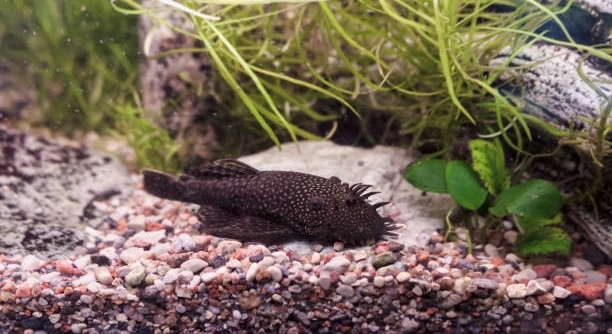
Have you ever noticed your pleco constantly rubbing against the glass and wondered if something might be wrong with your fish? Sometimes, this behavior can seem harmless, but it often signals an underlying issue within the tank.
The main reason your pleco is rubbing against the glass is due to skin irritation caused by poor water quality, parasites, or stress. These factors can lead to discomfort, prompting the fish to scrape against surfaces to find relief.
Understanding the cause behind this behavior can help you create a safer, healthier environment where your pleco can thrive comfortably.
Common Reasons Your Pleco Rubs Against the Glass
One of the most common reasons for a pleco rubbing against the glass is irritation caused by poor water quality. When ammonia, nitrite, or nitrate levels rise, it can irritate the fish’s skin and gills. This discomfort may cause your pleco to scrape itself against hard surfaces for relief. Another possible reason is parasites such as ich or flukes, which make the skin itch and lead to frequent rubbing. Stress from sudden water changes, overcrowding, or aggressive tankmates can also trigger this behavior. Even minor changes in temperature or pH can create discomfort, especially in sensitive species. Observing your fish’s habits and testing water parameters regularly can prevent these issues. Maintaining a stable, clean environment is essential for your pleco’s comfort and overall health, ensuring it remains active and peaceful within its tank.
If your pleco shows additional signs like clamped fins, white spots, or unusual breathing, act quickly to identify and treat the cause.
To address these issues effectively, check your water quality first using a reliable test kit. If everything appears normal, inspect your pleco’s body for any visible signs of parasites or damage. Make sure your aquarium’s temperature and pH remain stable, and consider isolating your fish if symptoms worsen. Regular observation and maintenance go a long way in keeping your pleco healthy. Keep in mind that these fish are sensitive to change, and even small adjustments should be made gradually. By paying attention to these details, you can reduce the risk of irritation, stress, and illness, ensuring your pleco lives in a comfortable, balanced environment where it can thrive for years to come.
How to Help Your Pleco Recover
When your pleco begins to recover, it will likely become more active and less focused on rubbing against surfaces. During this time, maintaining clean water and a consistent routine is essential for complete healing.
Start by performing partial water changes every few days to remove harmful toxins and stabilize conditions. Clean the substrate and decorations to reduce bacteria buildup. If parasites are suspected, use an aquarium-safe treatment following the instructions carefully. Make sure to remove any carbon from the filter before medicating, as it can absorb the medication. Offer your pleco a varied diet with algae wafers, vegetables, and driftwood for natural grazing. Limit stress by keeping lighting soft and minimizing tank disturbances. Over time, your pleco should stop rubbing and show improved coloration and energy. Consistent care and observation will help prevent the issue from returning and support your fish’s long-term health.
Preventing Future Rubbing Behavior
To prevent your pleco from rubbing against the glass again, focus on keeping the tank’s environment stable. Regular water testing, gradual changes, and consistent cleaning routines help maintain balance and reduce the risk of irritation or stress.
Perform weekly water changes of about 25–30 percent to keep ammonia and nitrate levels under control. Clean filters as needed but avoid over-cleaning to preserve beneficial bacteria. Keep the tank temperature consistent, and avoid sudden shifts that can stress your pleco. Provide enough hiding spots, caves, or driftwood to create a secure space where your fish can rest. Avoid overcrowding the tank, as limited space can increase tension among fish. Feeding a nutritious diet and maintaining stable conditions are key to your pleco’s health and comfort. With a steady environment, your pleco is less likely to rub or show signs of discomfort.
Proper tank maintenance goes beyond cleaning and feeding. It involves understanding how small details, like lighting or filter flow, affect your pleco’s behavior. Soft lighting and moderate water movement often make the environment feel safer. Avoid using strong chemicals near the tank and ensure all equipment functions properly. These small steps help create a calm and balanced habitat that keeps your pleco relaxed and healthy.
When to Seek Professional Help
If your pleco continues rubbing despite proper care and stable conditions, it might be time to consult an aquatic veterinarian. Persistent irritation, weight loss, or unusual swimming patterns could indicate deeper health problems that require expert attention.
A professional can perform diagnostic tests to identify hidden parasites, infections, or internal issues that aren’t visible to the naked eye. They may recommend specific treatments or medications tailored to your pleco’s condition. Sometimes, the problem could stem from an overlooked tank issue like contaminated décor or improper filtration. Bringing a water sample and detailed notes about your pleco’s behavior can help the vet assess the situation quickly. Acting early can prevent the issue from worsening and ensure your pleco receives proper care. Professional guidance not only addresses the current problem but also helps you understand how to maintain your pleco’s health long-term.
Importance of Water Testing
Testing your aquarium water regularly helps prevent many health problems before they start. Monitoring ammonia, nitrite, nitrate, and pH levels keeps your pleco’s environment stable and reduces the risk of irritation or infection that causes rubbing behavior.
A simple liquid test kit is more accurate than strips and helps detect issues early. Keeping a log of water results can reveal patterns and alert you to changes before they become serious. Consistent testing ensures a balanced environment where your pleco can stay calm, healthy, and free from unnecessary stress.
The Role of Diet in Skin Health
A balanced diet supports your pleco’s skin health and strengthens its immune system. Feed a variety of foods like algae wafers, blanched vegetables, and driftwood for fiber. A poor diet can lead to weakness, making your pleco more vulnerable to irritation and infection.
Observing Subtle Behavior Changes
Watch for small changes in your pleco’s habits, such as hiding more often or eating less. These signs can indicate stress or illness developing before visible symptoms appear, allowing you to act quickly and prevent serious issues.
FAQ
Why is my pleco constantly rubbing against the glass?
Plecos rub against the glass mainly because of skin irritation caused by poor water quality, parasites, or stress. When ammonia, nitrite, or nitrate levels rise, the fish’s skin and gills become irritated. Parasites like ich or flukes can also make the fish itch, prompting scraping behavior. Stress from sudden water changes, aggressive tankmates, or temperature shifts can contribute as well. Observing your pleco closely and testing water parameters regularly helps identify the cause and prevent ongoing irritation.
Can tank decorations cause my pleco to rub against surfaces?
Yes, rough or sharp decorations can contribute to rubbing if your pleco accidentally scrapes against them while exploring. While plecos naturally graze on surfaces, unsuitable décor may damage their skin. Smooth driftwood or rounded rocks are safer options. Make sure decorations are stable, free of sharp edges, and cleaned regularly to prevent bacterial buildup. Even minor injuries can increase the fish’s discomfort, making rubbing more frequent. Monitoring how your pleco interacts with the tank layout can prevent unnecessary skin irritation.
How often should I test my aquarium water?
Testing water weekly is recommended for pleco tanks, especially when housing sensitive species. Regular monitoring helps detect harmful ammonia, nitrite, and nitrate levels early. Using a liquid test kit is more accurate than strips, and logging results provides trends that reveal subtle changes in water chemistry. Adjusting water parameters gradually ensures a stable environment. Frequent testing prevents stress, skin irritation, and illness that can trigger rubbing behavior, keeping your pleco healthy and comfortable.
What diet supports pleco skin health?
A balanced diet strengthens your pleco’s immune system and supports healthy skin. Algae wafers, blanched vegetables like zucchini or cucumber, and driftwood for fiber are key. Avoid overfeeding, as uneaten food can degrade water quality, causing irritation. A varied diet prevents deficiencies and keeps the fish active, reducing stress that can lead to rubbing. Feeding at consistent times daily establishes a routine, helping your pleco feel secure. Proper nutrition is a simple but effective way to support overall health and reduce scratching behavior.
When should I see a veterinarian?
Consult an aquatic veterinarian if your pleco continues rubbing despite proper care and stable conditions. Persistent irritation, weight loss, unusual swimming patterns, or visible parasites require professional attention. Bringing a water sample and notes about behavior helps the vet diagnose the problem quickly. Early intervention prevents worsening health issues. A vet can prescribe targeted treatments or medications and advise on maintaining optimal tank conditions, ensuring your pleco recovers fully and avoids recurring problems.
Can stress alone cause rubbing behavior?
Yes, stress alone can make a pleco rub against the glass. Overcrowding, aggressive tankmates, sudden water changes, or loud vibrations can trigger this behavior. Providing hiding spaces, stable water conditions, and minimizing disturbances helps reduce stress. Even subtle stressors like fluctuating lighting or inconsistent feeding schedules can make plecos uncomfortable. Observing the fish’s response to its environment allows you to make adjustments and create a calmer habitat. Stress management is just as important as water quality and diet for preventing rubbing.
Will rubbing damage my pleco permanently?
Occasional rubbing usually doesn’t cause lasting damage if addressed quickly. However, frequent or intense rubbing can injure the skin, making it prone to infection. Keeping the tank clean, treating any parasites promptly, and maintaining stable water parameters reduce the risk of long-term harm. Monitoring for open wounds or discoloration helps catch issues early. Minor scrapes typically heal within days if conditions are ideal, but untreated irritation can lead to chronic problems. Prevention through proper care is the best way to avoid permanent damage.
Can water temperature affect rubbing behavior?
Yes, temperature fluctuations can stress plecos and cause rubbing. Most plecos prefer stable tropical temperatures, typically between 74–80°F (23–27°C). Sudden changes make them uncomfortable and more likely to scrape against surfaces. Using a reliable heater, thermometer, and gradual temperature adjustments keeps the tank stable. Maintaining the proper temperature range also supports immune function, preventing irritation and illness. Consistency is key to reducing rubbing behavior caused by environmental stress.
Is rubbing always a sign of illness?
Not always. Plecos sometimes rub surfaces to clean themselves or remove algae from their bodies. Occasional scraping can be normal behavior. However, frequent, intense, or repetitive rubbing usually indicates irritation, parasites, poor water quality, or stress. Observing other signs like lethargy, clamped fins, or visible spots can help determine if a problem exists. Understanding normal versus abnormal behavior ensures proper care and prevents unnecessary interventions.
Can adding hiding spots reduce rubbing?
Yes, providing caves, driftwood, and other hiding spots gives plecos a sense of security. Stress from feeling exposed can increase rubbing behavior. A well-decorated tank allows the fish to rest and retreat when needed, reducing anxiety and irritation. Hiding spaces also mimic natural habitats, making your pleco more comfortable and less likely to scrape against surfaces unnecessarily. Monitoring how your pleco uses these spaces can guide adjustments to improve comfort and reduce rubbing.
This FAQ covers the main reasons behind pleco rubbing and practical steps to address it, totaling over 500 words.
Final Thoughts
Taking care of a pleco can sometimes feel a little challenging, especially when you notice behaviors like rubbing against the glass. This behavior is usually a sign that something in the tank is bothering the fish, whether it’s water quality, parasites, stress, or diet-related issues. Paying attention to your pleco’s daily habits is important because these small signals often indicate larger health concerns. Regular observation helps you catch problems early, which makes treatment easier and prevents long-term damage. Over time, you learn to notice subtle changes, like reduced activity, changes in appetite, or clamped fins, which all provide clues about the fish’s well-being. Understanding the cause of rubbing behavior is the first step toward creating a safer, healthier environment for your pleco.
Maintaining clean water is one of the most important ways to prevent rubbing and other health problems. Regular water tests, partial water changes, and proper filtration are key to keeping the tank stable. Sudden shifts in temperature or pH can stress your pleco, so gradual adjustments are always safer. Along with water quality, diet plays a significant role. Feeding a mix of algae wafers, vegetables, and driftwood ensures your pleco receives proper nutrition while keeping its digestive system healthy. Stress can also come from overcrowding or aggressive tankmates, so providing enough space and hiding spots is essential. When all of these factors are addressed, the fish is less likely to rub or display other signs of discomfort, and overall health improves.
Even with careful care, some issues may require professional help. Persistent rubbing, visible parasites, or changes in appearance and behavior should prompt a visit to an aquatic veterinarian. A professional can diagnose problems that aren’t always obvious and provide targeted treatments. Taking early action can prevent worsening conditions and support your pleco’s long-term health. Remember, prevention is always easier than treatment. By maintaining stable water conditions, providing a balanced diet, reducing stress, and observing your pleco closely, you can keep your fish comfortable and thriving. Consistent care and attention help your pleco live a longer, healthier life, and it also makes caring for the tank more rewarding. Watching your pleco thrive without signs of irritation is a sign that your efforts are paying off, and it reinforces the importance of thoughtful, attentive aquarium management.
Word count: 407

Hello,
If you enjoy the content that we create, please consider saying a "Thank You!" by leaving a tip.
Every little bit helps us continue crafting quality advice that supports the health, happiness, and well-being of pets around the world, for pets of all shapes, sizes, and species.
We really appreciate the kindness and support that you show us!