
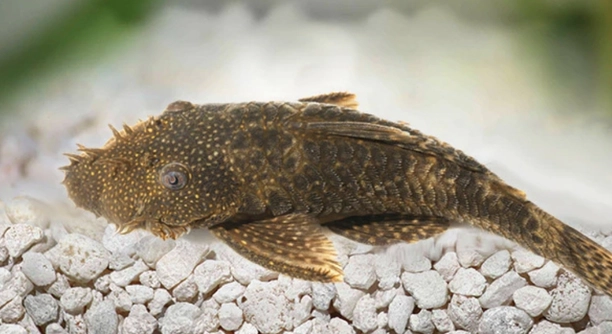
Do you ever notice your pleco swimming around more vigorously when the lights go out at night? Many fish owners are surprised by this behavior, especially when their pet seems calm during the day. Observing these patterns can help you understand your fish better.
Plecos are naturally nocturnal, meaning they are more active during the night. Their internal biology drives them to forage, explore, and interact with their environment when darkness provides safety and reduced stress from daytime activity.
Knowing your pleco’s nocturnal habits can improve tank management and feeding routines, ensuring your aquatic companion stays healthy and stress-free.
Understanding Pleco Nocturnal Behavior
Plecos are nocturnal by nature, which means they are most active at night. During daylight hours, they prefer to hide in caves, under decorations, or behind plants to feel secure. Nighttime provides a safer environment, allowing them to swim freely and search for food. This behavior is not a sign of illness or stress; it is simply part of their biology. Observing a pleco during its active period can be fascinating, as it shows behaviors not usually seen during the day. Their movements become more deliberate, and they explore the tank thoroughly, sometimes rearranging substrate or grazing on algae. Providing hiding spots in the tank helps plecos feel secure during the day. Lighting also affects their activity—dim lights or a nighttime setting encourages natural behavior. Understanding these patterns allows you to create an environment that supports your pleco’s natural habits, promoting long-term health.
Plecos stay active at night because they are adapted to low-light conditions, which provide safety and opportunities to feed without disturbance.
Watching your pleco at night can be rewarding. You may notice behaviors like grazing, interacting with objects, or even exploring new tank areas. This is a key part of their daily rhythm and contributes to mental stimulation.
Feeding Patterns and Nighttime Activity
Plecos often feed more during the night, matching their active behavior.
Plecos are bottom feeders that graze on algae, vegetables, and specialized foods. At night, they can feed without competition or stress from daytime activity. Offering food in the evening or after lights dim can support their natural habits. Monitoring how much your pleco eats and where it grazes helps ensure it receives adequate nutrition. Some plecos will even rearrange food or substrate to access meals, showing problem-solving behaviors. Tank cleanliness also matters, as leftover food can affect water quality, so adjusting feeding times to nighttime activity is beneficial. By aligning feeding schedules with natural behavior, plecos are more likely to thrive and maintain healthy energy levels. Observing these patterns provides insights into their preferences, helping you refine diet plans and improve overall tank management. Consistent feeding and understanding their nocturnal routines result in a healthier, more active pleco that adapts comfortably to its environment.
Tank Environment and Night Activity
Plecos move more at night when their tank environment feels safe. Dim lighting and plenty of hiding spots encourage natural nocturnal behavior, while open areas allow them to explore freely without stress.
Maintaining a comfortable environment is key for nocturnal activity. Plecos feel secure when there are caves, driftwood, or plants to hide under during the day. Water temperature and pH also affect their behavior, as stable conditions reduce stress. Lights should be adjusted to mimic natural cycles, with brighter periods during the day and softer light or darkness at night. A well-structured tank allows plecos to follow instincts, graze on surfaces, and explore without fear.
Nighttime activity can include grazing, moving decorations, or swimming in open areas. Plecos respond to environmental cues, and changes in tank setup or lighting schedules can increase or decrease their activity levels. By paying attention to their surroundings, you can help your pleco stay healthy and active.
Social Behavior and Interaction
Plecos are generally solitary, but they may interact with tank mates during nighttime activity. This behavior is often subtle, including brief contact or following movements.
Social interaction for plecos at night is mostly about territory and comfort. They may graze near other fish or explore areas where tank mates are active, but direct aggression is usually limited. Nighttime activity allows plecos to assert boundaries without constant confrontation. Providing enough space and hiding areas helps prevent stress and ensures harmony among tank inhabitants. Observing these interactions gives insight into their social habits, revealing how they balance exploration with caution.
Understanding these patterns helps in tank management and feeding schedules. By providing sufficient hiding spots and room for movement, plecos can express natural behaviors without stress. This improves overall health and encourages active nighttime behavior, which is important for mental stimulation. Monitoring their interactions ensures peaceful coexistence with other species, and adjusting the environment as needed promotes long-term well-being.
Light and Darkness
Plecos are more active in darkness because it mimics their natural habitat. Low light or night conditions encourage grazing, exploring, and moving freely without feeling threatened by daytime activity.
Adjusting lighting gradually helps plecos adapt. Sudden bright light at night can startle them, reducing activity and causing stress.
Feeding Schedule Adjustments
Shifting feeding times to the evening or after lights dim aligns with plecos’ nocturnal behavior. Nighttime feeding ensures they access food when most active. Using sinking pellets, algae wafers, or fresh vegetables supports natural grazing patterns and keeps them healthy. Observing how much and when they eat helps refine feeding routines.
Signs of Healthy Night Activity
Active swimming, grazing, and exploring indicate a healthy pleco. Consistent night behavior reflects proper tank conditions, nutrition, and low stress levels.
FAQ
Why is my pleco hiding all day and only comes out at night?
Plecos are naturally nocturnal, so hiding during daylight hours is normal. They feel safer in caves, under driftwood, or behind plants, reducing stress. Nighttime provides a more secure environment for them to explore, graze, and move freely without disturbances from other fish or bright light.
Is it normal for my pleco to be active at night?
Yes, this is typical behavior. Plecos evolved to be active in low-light conditions, which reduces predation risk. Nighttime activity includes grazing on algae, moving around the tank, and sometimes interacting subtly with tank mates. This behavior reflects a healthy and stress-free pleco.
Should I feed my pleco at night?
Feeding at night aligns with their natural behavior. Plecos are bottom feeders that graze throughout the night. Offering sinking pellets, algae wafers, or vegetables after lights dim ensures they access food when most active. Evening feeding also reduces leftover food buildup and keeps water quality stable.
Can my pleco get stressed during the day?
Yes, plecos can become stressed if their environment feels exposed or unsafe. Bright light, lack of hiding spots, or aggressive tank mates can cause them to retreat and hide more. Providing caves, plants, or driftwood helps them feel secure and reduces daytime stress.
Why does my pleco move decorations or substrate at night?
This behavior is normal and usually part of natural exploration or grazing. Plecos may rearrange objects while searching for food or creating comfortable spaces. It is not a sign of damage or misbehavior but an indication of active, healthy nighttime behavior.
How can I tell if my pleco is healthy based on nighttime activity?
Healthy plecos display steady, purposeful movement at night. Grazing, swimming around the tank, and subtle interactions with tank mates are positive signs. A lack of activity, abnormal floating, or erratic swimming could indicate stress, illness, or poor tank conditions that need attention.
Do tank conditions affect nighttime activity?
Absolutely. Stable water temperature, proper pH, adequate hiding spots, and dim lighting support natural nocturnal behavior. Sudden changes in water quality or lighting can reduce activity, increase stress, and affect feeding habits. Maintaining a consistent environment promotes healthy nighttime routines.
Will my pleco ever be active during the day?
Some plecos may show occasional daytime activity, but most remain primarily nocturnal. Gradual lighting changes or feeding schedules can sometimes encourage brief daytime exploration, but their natural biology drives nighttime activity as the main period for movement and feeding.
Is it normal for plecos to interact with other fish at night?
Yes, interaction is usually subtle and limited to grazing near others or passing by. Aggression is uncommon at night, as plecos are generally solitary. Ensuring enough space and hiding spots reduces competition and allows peaceful coexistence with tank mates.
Can adjusting the light cycle improve my pleco’s activity?
Yes, simulating natural light cycles helps plecos adjust and maintain healthy nocturnal patterns. Gradual dimming of lights toward evening encourages nighttime exploration and feeding. Consistency in light and dark periods reduces stress and supports overall well-being.
How do I encourage more nighttime activity?
Providing a structured environment with hiding spots, dim lights at night, and evening feeding encourages activity. Avoid disturbing the tank during night hours. Observing their behavior over time helps understand preferences and ensures they express natural behaviors fully.
What should I do if my pleco stops being active at night?
Check water parameters, temperature, and tank conditions first. Illness, stress, or poor water quality can reduce activity. Ensure adequate hiding spots and proper nutrition. If inactivity continues, consulting a veterinarian familiar with freshwater fish is recommended to rule out health issues.
Can a pleco’s age affect nighttime activity?
Yes, younger plecos tend to explore more, while older plecos may move less but still follow nocturnal patterns. Providing appropriate hiding spaces and easy access to food ensures all ages can express natural behaviors without stress.
Is nighttime activity more intense in certain pleco species?
Some species are naturally more active at night, depending on size, temperament, and origin. Observing your specific pleco helps determine normal behavior patterns. Adjusting feeding and tank setup according to species-specific habits promotes health and reduces stress.
How often should I check on my pleco at night?
It is best to observe quietly without disturbing the tank. Frequent interruptions can stress plecos and reduce natural activity. Monitoring once or twice during evening hours is sufficient to ensure they are active, feeding, and displaying normal behaviors.
Can nocturnal activity affect tank mates?
Most tank mates adjust to plecos’ nighttime activity. Subtle grazing or movement is usually not disruptive. Providing enough space and hiding spots ensures harmony. Occasionally, more active species may disturb plecos, so consider tank population and compatibility when planning nocturnal care.
How does diet influence nighttime behavior?
Proper nutrition supports energy for grazing and movement at night. A mix of algae, vegetables, and specialized pellets ensures plecos remain active. Inadequate food can lead to lethargy, while overfeeding may affect water quality, indirectly reducing nighttime activity.
Do plecos sleep during the day?
Yes, plecos rest during daylight hours, often hiding in caves or behind plants. This “sleep” is a state of low activity and energy conservation, allowing them to be alert and active during nighttime periods without stress or fatigue.
Are plecos more active in certain seasons?
Temperature and seasonal light changes can slightly affect activity. Stable indoor tank conditions usually maintain consistent nocturnal behavior year-round. Seasonal changes outdoors may influence lighting and tank heating, so monitoring conditions helps ensure nighttime activity remains healthy.
What are common signs of disrupted nighttime behavior?
Decreased movement, lack of grazing, hiding excessively, or erratic swimming may indicate stress, illness, or poor tank conditions. Addressing water quality, lighting, and diet can restore normal activity. Persistent issues may require professional advice from an aquatic veterinarian.
How long does nighttime activity usually last?
Most plecos are active during the early to mid-night hours, roughly 6–10 hours depending on tank conditions and species. They gradually reduce movement toward morning, returning to resting spots before lights come on. Consistency helps them maintain a natural rhythm and healthy behaviors.
Can multiple plecos in one tank affect nighttime behavior?
Yes, crowding can reduce activity if territory feels threatened. Providing multiple hiding spots, sufficient space, and monitoring feeding ensures that all plecos can express natural nocturnal behaviors without competition or stress.
Does water flow influence nocturnal activity?
Moderate water flow encourages exploration and natural swimming patterns. Too strong a current may stress plecos, while stagnant water can reduce motivation to move. Adjusting flow to suit species preferences supports nighttime grazing, exploration, and overall health.
Can nighttime activity indicate health problems?
Consistent activity is a good sign of health. Sudden changes—like lethargy, erratic movement, or lack of feeding—may indicate illness, poor water conditions, or stress. Monitoring patterns allows early intervention and ensures plecos remain active and healthy.
Is it normal for plecos to explore new objects at night?
Yes, nocturnal exploration is part of natural behavior. Plecos may investigate new decorations, substrate, or food. This curiosity helps them find grazing spots and stimulates mental activity, contributing to overall well-being and healthy nighttime routines.
How can I safely observe my pleco at night?
Use dim lighting or a red light to avoid startling them. Observing quietly from outside the tank helps monitor activity without causing stress, allowing natural nocturnal behaviors like grazing, swimming, and interacting with the environment.
Does tank size affect nighttime activity?
Larger tanks provide more room for exploration, grazing, and territory establishment, encouraging natural nocturnal behavior. Crowded or small tanks may restrict movement, reduce activity, and increase stress, impacting feeding and overall health.
Can plecos be trained to feed at specific nighttime hours?
Yes, gradually offering food at the same evening or night schedule helps establish feeding habits aligned with natural nocturnal activity. Consistency in timing and food type reinforces predictable patterns and encourages active grazing during nighttime hours.
How does substrate type influence nighttime behavior?
Plecos prefer smooth or soft substrates for grazing and movement. Rough or sharp substrates may deter exploration or cause stress. Proper substrate supports natural behavior, reduces injury risk, and allows active nighttime exploration and feeding.
What role does water temperature play in nocturnal activity?
Stable water temperature keeps plecos comfortable and active. Sudden drops or spikes can reduce movement, stress the fish, and limit nighttime grazing. Maintaining species-appropriate temperature encourages steady nocturnal patterns and overall health.
How do I know if my pleco is interacting normally with tank mates at night?
Normal interaction is subtle and non-aggressive. Plecos may graze near others or swim past them without conflict. Aggression, chasing, or hiding may indicate territorial stress or overcrowding. Observing these patterns ensures a balanced, peaceful tank environment.
Can nighttime activity help with algae control in the tank?
Yes, plecos grazing at night can reduce algae buildup on surfaces. Their nocturnal feeding supports natural cleaning, keeping tanks healthier and supplementing regular maintenance without disturbing other fish during daylight hours.
Does nocturnal activity vary by individual pleco?
Yes, activity can vary due to age, health, temperament, and species. Monitoring individual behavior helps determine what is normal for your pleco and allows adjustments in feeding, tank setup, and observation practices to support healthy patterns.
Is it normal for plecos to nibble decorations or plants at night?
Yes, this is part of natural grazing behavior. Plecos may nibble on plants, driftwood, or ornaments while exploring for food. This behavior is healthy as long as it doesn’t damage live plants excessively or disrupt tank balance.
Can stress affect a pleco’s nighttime activity?
Yes, stress from poor water quality, aggressive tank mates, or insufficient hiding spots can reduce movement, grazing, and exploration. Addressing these factors restores normal nocturnal behavior and ensures the pleco remains active and healthy.
How long should I monitor pleco nighttime behavior?
Monitoring for several hours after lights dim gives insight into activity patterns. Observing over multiple nights helps identify consistent behaviors and detect any sudden changes that may indicate health or environmental issues.
Do plecos sleep during their active hours?
Plecos rest intermittently even at night. Short pauses in movement or grazing are normal, allowing energy conservation. Unlike daytime sleep, these brief rests support continuous activity during the night while keeping them alert and healthy.
Can introducing new tank mates affect nocturnal behavior?
Yes, new fish may cause temporary stress, altering nighttime activity. Plecos may hide more or reduce grazing until they adjust. Gradual introductions and monitoring ensure a smooth transition and maintain healthy nocturnal routines.
How can I tell if nighttime inactivity is serious?
If inactivity persists despite proper lighting, feeding, and tank conditions, it may indicate illness or stress. Other warning signs include rapid breathing, clamped fins, or unusual swimming. Consulting an aquatic veterinarian is recommended if patterns do not return to normal.
Do plecos need enrichment at night?
Yes, providing caves, driftwood, and plants allows natural behaviors like grazing, hiding, and exploring. Enrichment supports mental stimulation, encourages nocturnal activity, and improves overall health by mimicking natural habitat features.
Can lighting color affect pleco activity?
Dim or red-toned lights are less disruptive at night, encouraging grazing and exploration. Bright or harsh lighting can startle plecos, reducing natural nocturnal activity. Adjusting light gradually supports consistent, healthy behavior patterns.
Does the type of pleco affect how much it moves at night?
Yes, species like common plecos may move more extensively, while others are less active. Understanding the specific pleco’s behavior allows appropriate feeding, tank setup, and monitoring for natural nighttime activity.
Can tank decorations encourage or discourage nighttime movement?
Decorations that provide hiding spots encourage exploration and reduce stress, supporting active nighttime behavior. Too few hiding spots or overly cluttered areas can limit movement, increase stress, and reduce grazing, negatively affecting overall health.
Is it normal for plecos to be more active just before lights come on?
Yes, many plecos increase activity before daylight, preparing to retreat to hiding spots. This behavior is a natural rhythm, signaling the transition from active nocturnal exploration to daytime resting.
Does water quality influence nocturnal grazing?
Poor water quality can reduce grazing and movement at night. Maintaining clean water with proper filtration and regular checks ensures plecos remain active, healthy, and able to follow natural nocturnal routines without stress or illness.
Can plecos recognize feeding times at night?
Yes, they can learn to associate evening or night schedules with food availability. Consistent timing reinforces active grazing during nocturnal hours and ensures they receive adequate nutrition while supporting natural behaviors.
How much space do plecos need for proper nighttime activity?
Adequate space prevents territorial stress and allows exploration, grazing, and interaction with tank mates. Crowded tanks can reduce movement, increase aggression, and limit nighttime activity. Observing behavior helps determine if the tank provides sufficient room.
Does water flow influence grazing at night?
Moderate water flow encourages exploration and grazing. Excessive currents may stress plecos, while stagnant water can limit activity. Adjusting flow to species preferences supports natural movement patterns and healthy nocturnal behavior.
Are there signs my pleco is overactive at night?
Overactivity may include constant swimming without grazing or rest. While occasional bursts are normal, consistent restlessness could indicate stress, poor water quality, or insufficient hiding spots. Monitoring patterns ensures balance between activity and rest.
Can nighttime activity indicate mental stimulation?
Yes, exploring, grazing, and interacting with tank elements show mental engagement. Active plecos demonstrate curiosity and adaptability, contributing to overall health and well-being when their environment supports natural nocturnal behavior.
How can I track pleco nighttime activity effectively?
Use dim lights or red lighting to observe without disturbing them. Note grazing, swimming patterns, interactions, and pauses. Tracking over multiple nights helps identify normal behavior and detect changes indicating stress, illness, or environmental issues.
Does diet variety affect nocturnal behavior?
A varied diet ensures energy for nighttime grazing and movement. Sinking pellets, algae wafers, and vegetables provide essential nutrients. Monotonous diets may reduce interest in food and activity, while variety encourages exploration and natural nocturnal behavior.
Can sudden changes in the tank reduce nighttime activity?
Yes, new decorations, water changes, or lighting adjustments can temporarily stress plecos. Gradual changes and monitoring allow them to adapt without long-term impact on nocturnal behavior.
Is it normal for plecos to patrol the same route at night?
Yes, patrolling familiar areas is natural. Plecos may return to grazing spots or preferred hiding areas, ensuring safety and access to food. Repetitive routes indicate comfort and territorial awareness rather than boredom.
Does tank depth affect nighttime activity?
Deeper tanks allow vertical exploration, grazing, and hiding, promoting active nocturnal behavior. Shallow tanks may limit movement and reduce grazing opportunities, affecting overall health. Observing behavior helps determine if the tank supports natural activity patterns.
How do I balance feeding and nighttime activity?
Provide food after lights dim to align with natural grazing. Monitor consumption to avoid overfeeding or leftover waste. Balancing feeding with activity ensures plecos remain energetic, healthy, and active throughout nighttime hours.
Can plecos develop habits related to tank lights?
Yes, they can associate light cycles with activity periods. Gradual dimming in the evening and consistent schedules reinforce natural nocturnal patterns, supporting grazing, exploration, and healthy routines without causing stress.
Does temperature cycling affect nighttime activity?
Slight, natural temperature variations help maintain rhythm, but abrupt changes reduce activity and stress plecos. Stable, species-appropriate temperatures encourage consistent nighttime movement and grazing.
Are plecos less active at night in overcrowded tanks?
Yes, limited space and competition reduce exploration, grazing, and interaction. Providing sufficient room, hiding spots, and monitoring tank population encourages natural nocturnal behaviors and reduces stress-related inactivity.
Can plecos show excitement during nighttime feeding?
Yes, rapid swimming, grazing bursts, and exploring around food indicate positive response to feeding. This behavior shows engagement, alertness, and energy, reflecting healthy nocturnal activity aligned with natural instincts.
Does substrate type influence grazing patterns at night?
Yes, smooth or soft substrates encourage grazing and movement. Hard or rough surfaces may reduce exploration and feeding. Proper substrate supports healthy nocturnal behavior and minimizes stress or injury while allowing natural activity.
How often should I monitor water parameters for nocturnal behavior?
Regular checks of temperature, pH, ammonia, and nitrate levels ensure optimal conditions. Poor water quality reduces activity and grazing at night. Consistent monitoring supports health, natural behavior, and effective tank management.
Can plecos become inactive at night due to boredom?
While plecos are naturally active, lack of hiding spots, substrate, or enrichment may reduce interest. Providing varied environments, food options, and safe exploration areas encourages normal nocturnal activity.
Is it normal for plecos to ignore some food at night?
Yes, plecos may graze selectively based on preference or timing. Ignoring certain items doesn’t indicate illness unless accompanied by lethargy or unusual behavior. Offering variety ensures balanced nutrition and encourages natural grazing.
Can nocturnal activity be influenced by tank mates’ behavior?
Yes, active or aggressive species may affect pleco movement. Providing enough space and hiding spots reduces stress and allows natural nocturnal exploration, grazing, and interaction without disruption.
How do I know if my pleco is comfortable at night?
Signs of comfort include steady swimming, grazing, exploring, and subtle interaction with tank mates. Regular resting periods without hiding excessively indicate a secure environment supporting healthy nocturnal behavior.
Does pleco size affect nighttime activity?
Larger plecos may move more slowly but still follow nocturnal patterns. Younger or smaller plecos may explore more extensively. Understanding individual size and species helps adjust feeding, tank setup, and observation.
Can I encourage nighttime activity with enrichment?
Yes, caves, driftwood, and plants encourage grazing and exploration. Nighttime enrichment stimulates mental engagement, supports natural behaviors, and improves overall health. Regularly rotating or adding elements keeps the environment engaging.
Is it normal for plecos to swim near the water surface at night?
Occasionally, yes, especially if searching for food or exploring. Most nocturnal activity occurs near the bottom, but surface movement can indicate curiosity or interaction with tank elements.
How long does it take for a pleco to adapt to a new tank?
Adaptation may take days to weeks. Nighttime activity may be reduced initially as they explore and find hiding spots. Providing secure environments and consistent feeding schedules encourages normal nocturnal behavior.
Can plecos adjust to artificial lighting schedules?
Yes, they adapt to gradual light changes that mimic
Final Thoughts
Understanding your pleco’s nocturnal behavior is key to keeping it healthy and happy. Plecos are naturally more active at night, which is part of their biology. During the day, they prefer to hide in caves, under plants, or behind decorations to feel safe. Nighttime provides a calmer environment with less disturbance, allowing them to move freely, explore the tank, and graze on algae or other foods. Observing these patterns helps you better understand what is normal for your pleco. It is important to remember that hiding during the day is not a sign of illness. Providing enough hiding spots and a structured environment allows them to follow natural routines, reduces stress, and supports overall well-being. Plecos that have secure hiding areas and an organized tank are more likely to show healthy nighttime activity, which is a positive sign of comfort and proper care.
Tank setup plays an important role in promoting healthy nocturnal activity. Caves, driftwood, and plants provide security during the day and stimulate exploration at night. Substrate choice and tank size also matter; soft or smooth substrates allow grazing and movement without stress, while larger tanks give them room to explore and establish territories. Lighting should mimic natural cycles, with brighter light during the day and dim or red-toned light in the evening to encourage natural behaviors. Consistent feeding schedules aligned with nighttime activity help ensure plecos receive adequate nutrition. Offering sinking pellets, algae wafers, and vegetables in the evening allows them to feed when they are naturally active. Watching your pleco during these hours can reveal behaviors that are not visible during the day, like grazing patterns, interactions with tank elements, and subtle social behaviors with other fish. Maintaining stable water temperature, proper pH, and good water quality supports these routines and prevents stress that could disrupt nocturnal activity.
Paying attention to your pleco’s behavior also helps detect potential health or environmental issues early. Reduced nighttime activity, erratic swimming, or lack of grazing may indicate stress, poor water quality, or illness. Monitoring water parameters regularly and ensuring the tank environment supports natural habits can prevent many of these problems. Observing how your pleco interacts with the tank, other fish, and its surroundings allows you to make informed adjustments to feeding, lighting, or decorations. Nighttime activity is not only normal but essential for mental stimulation and physical health. By understanding and supporting these natural patterns, you create an environment where your pleco can thrive. Over time, noticing consistent nocturnal behaviors provides reassurance that your pleco is healthy, comfortable, and living according to its instincts. Proper care, attention, and observation make all the difference in ensuring your pleco remains active, stress-free, and content in its tank.

Hello,
If you enjoy the content that we create, please consider saying a "Thank You!" by leaving a tip.
Every little bit helps us continue crafting quality advice that supports the health, happiness, and well-being of pets around the world, for pets of all shapes, sizes, and species.
We really appreciate the kindness and support that you show us!