
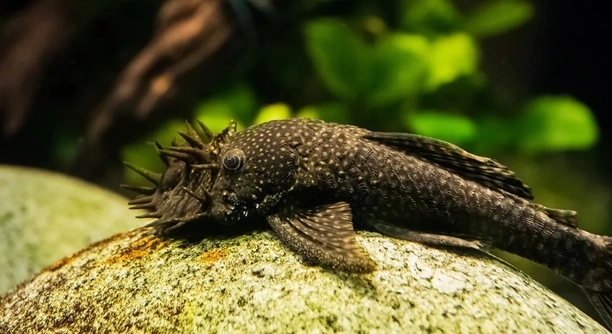
Are you looking to create the best environment for breeding plecos in your aquarium? Many aquarists find that having the right tank setup can make a significant difference in their breeding success. Proper accessories help fish feel secure and comfortable.
Choosing the right tank accessories is essential for pleco breeding. Providing hiding spots, smooth surfaces, proper filtration, and spawning-friendly structures supports natural behaviors, encourages mating, and increases survival rates for eggs and fry in a controlled environment.
The accessories you add can influence breeding success in ways you might not expect. A few simple changes can make a noticeable difference for your plecos.
Hiding Spots
Plecos feel most comfortable when they have places to hide. Adding caves, driftwood, or PVC tubes provides security, which reduces stress and encourages natural behaviors. Hiding spots give them privacy for resting during the day and for breeding at night. Many species, especially common plecos, prefer dim, secluded areas for laying eggs. It is important to ensure that these hiding spots are smooth inside and free of sharp edges to prevent injury. Driftwood also serves a dual purpose, releasing beneficial tannins that can slightly lower pH and soften water, creating a more natural environment. Providing multiple hiding places ensures that dominant fish do not control all safe areas, which helps maintain harmony in the tank. Choosing a variety of shapes and sizes allows plecos of different ages to find suitable shelters. Overcrowding can reduce effectiveness, so spacing hiding spots strategically across the tank is recommended to allow easy access and privacy.
Hiding spots reduce stress and create an ideal environment for breeding. Plecos are more likely to spawn when they feel safe and undisturbed.
Including a mix of caves, driftwood, and PVC tubes can make your tank more appealing to plecos. Strategically placing these hiding areas helps avoid conflicts and ensures each fish has its own space. Smooth surfaces and careful placement encourage spawning behavior while maintaining overall tank health.
Spawning Surfaces
Plecos often prefer hard surfaces for laying eggs, such as slate, ceramic tiles, or smooth rocks. Providing appropriate surfaces can trigger spawning, as these mimic natural conditions. Regular cleaning of these surfaces is important to prevent algae buildup and ensure eggs remain safe.
Hard surfaces like slate or tiles give plecos a stable, secure place to deposit eggs, preventing them from falling or being dislodged. They also allow easier observation and maintenance for the aquarist.
Different species may prefer different textures and orientations. Flat surfaces are ideal for species that lay eggs in clusters, while vertical surfaces or cave ceilings suit species that prefer hidden spots. Offering a combination allows plecos to choose their preferred location. Placing surfaces near hiding spots can increase comfort, as plecos often feel safer laying eggs in sheltered areas. Avoid sharp edges, as these can harm both adults and fry. Consistent water flow and temperature are also critical around these surfaces, ensuring eggs develop properly. By combining smooth, secure spawning sites with well-placed hiding spots, aquarists can create an environment that encourages regular breeding. Observing fish behavior can help refine placement over time for better results.
Proper Filtration
Filtration keeps the water clean and oxygenated, which is essential for pleco health and successful breeding. A filter that maintains gentle water flow prevents debris buildup without stressing the fish.
A good filter balances water circulation and cleanliness. Plecos produce a lot of waste, and leftover organic matter can harm eggs or fry. Choosing a filter with biological, mechanical, and chemical filtration ensures ammonia and nitrite levels remain low. A sponge or pre-filter attachment can prevent fry from being sucked in while still maintaining adequate water movement. Regular maintenance is necessary, including rinsing filter media in tank water to preserve beneficial bacteria. Positioning the filter to create gentle flow near hiding and spawning areas can mimic natural conditions, encouraging normal behaviors without creating strong currents that stress plecos. Effective filtration supports a stable environment, which is crucial for breeding and raising healthy fry.
Filters that provide consistent, clean water improve survival rates for eggs and fry. Combining proper filtration with other tank accessories optimizes breeding conditions and keeps plecos healthy and active.
Water Heaters
Maintaining stable water temperature is critical for pleco breeding. Many species require slightly warmer water to trigger spawning behaviors. Heaters help create a consistent environment without temperature swings.
Temperature influences breeding cycles and egg development. Most plecos thrive in water ranging from 75°F to 80°F. Small fluctuations can stress adults, delay spawning, or affect egg viability. Using a reliable heater with an accurate thermostat ensures consistent conditions. Placing a heater near water flow promotes even heat distribution across the tank. Monitoring temperature regularly allows for quick adjustments if necessary. Heaters combined with other accessories, such as hiding spots and proper filtration, create an environment conducive to reproduction. Consistency in water temperature reduces stress, improves immune response, and encourages natural behaviors.
Selecting the right heater and maintaining stable temperature supports healthy adult plecos and increases the likelihood of successful spawning. Careful monitoring ensures that eggs and fry develop under optimal conditions, reducing mortality and enhancing overall tank health.
Driftwood
Driftwood provides both hiding spaces and natural food for plecos. Its rough surfaces allow algae and biofilm to grow, giving plecos something to graze on while also making them feel secure.
The tannins released by driftwood slightly soften water and lower pH, creating conditions that resemble their natural habitat. This can encourage spawning and improve overall health.
Egg Guarding
Some pleco species guard their eggs, and providing sheltered areas near hiding spots supports this behavior. Adults feel safer protecting their offspring when they have nearby cover.
Water Conditioner
Using a water conditioner removes chlorine and harmful chemicals from tap water. Conditioned water ensures a safe environment for both adults and developing fry.
FAQ
How do I know if my pleco is ready to breed?
Plecos show several signs when they are ready to breed. Males often become more territorial and display brighter coloring, while females may appear rounder around the belly due to developing eggs. You may also notice increased activity near hiding spots or spawning surfaces. Providing appropriate tank accessories, like caves and smooth spawning surfaces, can encourage natural breeding behavior. Observing these behaviors over several days helps confirm readiness. Stable water conditions and consistent feeding are also critical in preparing plecos for reproduction.
What is the best type of cave for pleco breeding?
A cave with smooth interiors and enough space for the fish to turn around is ideal. PVC pipes, ceramic tubes, or natural driftwood hollows work well. Avoid sharp edges, as they can injure adults or fry. Multiple caves allow more than one breeding pair to coexist peacefully in the same tank. Position caves near moderate water flow and hiding spots to mimic natural conditions. Ensuring caves are slightly elevated from the substrate or anchored prevents them from tipping, which can disturb eggs and stress adults.
How often should I clean the tank during breeding?
Cleaning should be done carefully to avoid disturbing eggs or fry. Remove uneaten food and debris daily while keeping filtration running. Partial water changes of about 20–25% weekly help maintain water quality without shocking the fish. Avoid aggressive scrubbing of spawning surfaces, as eggs can be dislodged. Conditioning replacement water to match tank temperature and pH is important for stability. Maintaining consistent cleaning routines supports adult health and increases survival rates of eggs and fry.
What should I feed plecos during breeding?
Plecos benefit from a diet rich in protein and plant matter during breeding. High-quality sinking pellets, fresh vegetables, and occasional protein treats support energy and egg development. Algae wafers and biofilm from driftwood also supplement nutrition. Feeding smaller amounts multiple times a day helps prevent excess waste, which can affect water quality and fry survival. Adjusting diet based on species ensures optimal breeding conditions.
Do plecos need separate breeding tanks?
While not always necessary, separate breeding tanks can reduce stress and prevent egg predation by other tank mates. Smaller, well-structured tanks with hiding spots, smooth spawning surfaces, and gentle filtration are ideal. A dedicated tank allows better observation of eggs and fry, ensuring proper care and timely interventions if needed.
How long do pleco eggs take to hatch?
Hatching time depends on species and water conditions but generally ranges from 3 to 10 days. Eggs require stable temperature, clean water, and protection from disturbance. During this period, monitoring water quality and adult behavior is critical, as some adults may move or eat eggs if stressed.
Can fry survive without special care?
Pleco fry are sensitive to water quality and require sufficient food. Newly hatched fry can feed on biofilm, powdered fry food, or finely crushed pellets. Regular water maintenance and gentle aeration help maintain healthy growth. Separating fry from adults may increase survival rates, as some adults can be aggressive toward young fish.
How do I encourage repeat spawning?
After the first spawning, maintaining stable water conditions, continuing a nutrient-rich diet, and keeping hiding spots and spawning surfaces available can encourage repeat breeding. Gradual changes in water temperature or simulating seasonal conditions may trigger additional cycles. Observing fish behavior and adjusting care as needed supports long-term breeding success.
What water parameters are ideal for pleco breeding?
Most plecos thrive in slightly soft, slightly acidic to neutral water with a pH around 6.5–7.5 and temperatures between 75°F and 80°F. Consistent parameters reduce stress and encourage spawning. Regular testing of ammonia, nitrite, and nitrate levels ensures a safe environment for both adults and fry.
How can I prevent diseases during breeding?
Good water quality, a varied diet, and regular monitoring are key. Avoid overcrowding and introduce new fish or plants only after quarantine. Observing plecos for unusual behavior or discoloration allows early intervention. Keeping the tank clean and maintaining filtration and temperature stability reduces the risk of infection, supporting healthy breeding cycles.
This FAQ covers the most common concerns about pleco breeding, offering practical advice and steps to improve success rates while maintaining a healthy environment for adults and fry.
Final Thoughts
Breeding plecos can feel overwhelming at first, but the process becomes more manageable with the right tank setup and accessories. Hiding spots, spawning surfaces, driftwood, proper filtration, and heaters all play essential roles in creating an environment that plecos find comfortable. Each of these elements supports their natural behavior, reduces stress, and increases the chances of successful breeding. Plecos are sensitive to changes in water quality and temperature, so maintaining consistency is critical. By observing their behavior and providing what they need, aquarists can foster a healthy, safe space for both adults and fry. Small adjustments, like adding more caves or placing spawning surfaces near hiding spots, can make a noticeable difference. Over time, you learn what works best for your specific pleco species and tank conditions, which can lead to repeated successful spawning events and healthier fry development.
Feeding also plays a crucial role in pleco breeding. A balanced diet of protein, vegetables, and sinking pellets supports reproductive health and energy levels, especially for females developing eggs. Driftwood and biofilm provide supplemental food while keeping adults occupied, reducing stress and aggression. Monitoring water quality, including pH, ammonia, nitrite, and nitrate levels, ensures the tank remains safe for delicate eggs and young fry. Partial water changes, careful cleaning, and proper filtration all contribute to a stable environment, which is necessary for long-term breeding success. The attention to detail may feel demanding at first, but once a routine is established, managing the tank and caring for the fish becomes much easier. Consistency, patience, and observation are the keys to understanding your plecos’ needs and encouraging their natural breeding behaviors.
Finally, patience and observation are important throughout the entire process. Not every attempt at breeding will be successful, and environmental or behavioral changes may impact outcomes. Understanding your plecos’ habits and adjusting tank conditions accordingly helps mitigate problems and fosters a healthier environment. Keeping careful notes about water parameters, feeding schedules, and fish behavior can be very helpful for future breeding cycles. Plecos may require time to acclimate to new tanks or accessories, so providing space and security encourages them to engage in natural behaviors. By combining proper accessories, consistent maintenance, and attention to their needs, aquarists can create an environment that not only supports breeding but also promotes overall health and longevity. With dedication, observation, and steady care, successfully breeding plecos can become a rewarding part of aquarium keeping.

Hello,
If you enjoy the content that we create, please consider saying a "Thank You!" by leaving a tip.
Every little bit helps us continue crafting quality advice that supports the health, happiness, and well-being of pets around the world, for pets of all shapes, sizes, and species.
We really appreciate the kindness and support that you show us!