
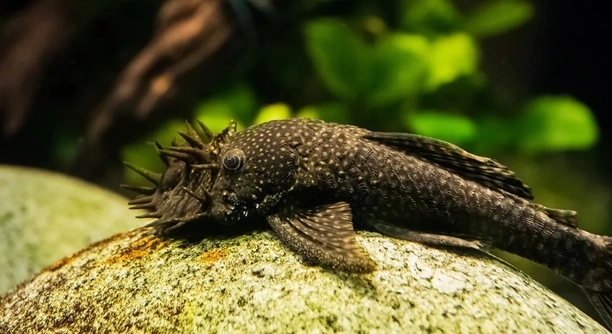
Keeping plecos healthy and lively in your aquarium requires attention to their behavior and environment. Observing their activity levels, feeding habits, and interactions with surroundings can help you ensure they thrive. A happy pleco is a sign of proper care.
A healthy, active pleco displays consistent movement, explores its tank, and interacts with surfaces. Bright eyes, smooth skin, and regular feeding patterns are strong indicators of well-being. Monitoring these behaviors allows owners to maintain optimal conditions for their fish.
Recognizing these signs early ensures your pleco remains energetic, safe, and enjoys a comfortable, well-maintained aquatic environment over time.
Understanding Pleco Behavior
Plecos are naturally active at night, but they can also show daytime activity, especially in well-maintained tanks. Observing how often they move around, graze on algae, or interact with decorations can reveal a lot about their health. A happy pleco will explore corners of the tank, cling to surfaces, and occasionally swim through open water. Signs of lethargy, hiding for long periods, or reduced appetite may indicate stress or poor water conditions. Keeping their environment stable with proper temperature, pH, and oxygenation ensures they remain lively. Plecos also enjoy hiding spots like driftwood, caves, or dense plants, which give them security. Rotating decorations or adding fresh hiding areas can encourage activity. Feeding them a balanced diet, including algae wafers and occasional vegetables, supports both energy levels and overall vitality. Watching these behaviors consistently will help you respond to changes before they become serious issues, maintaining a stable, happy tank.
Regular observation of your pleco’s activity helps you catch problems early and keep them healthy.
Monitoring pleco behavior daily allows you to notice small changes in movement, appetite, or interactions. Adjustments in tank setup, water quality, or feeding schedules can quickly improve their well-being. Keeping notes on activity patterns makes it easier to track improvements or recurring issues. Additionally, plecos often respond positively to environmental enrichment, such as new hiding spots or fresh driftwood. Over time, these simple changes enhance their comfort and encourage natural behaviors. By being attentive, you create an environment where plecos can thrive and exhibit their characteristic liveliness, making maintenance more predictable and satisfying.
Feeding Patterns and Energy Levels
Plecos that eat regularly and finish meals consistently are usually healthy.
A healthy pleco shows clear interest in food, grazes on algae, and consumes offered vegetables. Irregular feeding or refusal to eat can indicate stress or illness.
Observing feeding habits closely provides insight into your pleco’s overall energy. They naturally graze for long periods, scraping algae off surfaces and nibbling on sinking foods. Introducing vegetables like zucchini, cucumber, or spinach ensures they get essential nutrients and keeps them active. Portion control matters—overfeeding can pollute water and reduce activity, while underfeeding may cause weakness. Feeding at consistent times also establishes routine, which plecos respond to positively. Monitoring how quickly they finish food or whether they return to grazing afterward helps gauge energy levels. If a pleco ignores meals or becomes overly sluggish, water quality, tank conditions, or potential illness should be checked immediately. Providing a varied, nutrient-rich diet combined with a stable environment encourages active, healthy behavior.
Physical Appearance and Health Indicators
A pleco’s skin should be smooth and free from discoloration or sores. Bright eyes and intact fins are signs of good health. Any frayed fins, dull coloring, or visible lesions may indicate stress, injury, or illness that needs attention.
Checking your pleco’s physical condition regularly helps prevent minor issues from becoming serious. Healthy plecos have firm, muscular bodies and maintain their natural patterns without fading. Look for signs of weight loss, bloating, or unusual lumps. Changes in appearance often signal water quality problems or dietary deficiencies. Regular observation and careful handling reduce the risk of injury and allow early intervention if problems arise. This attention keeps plecos active and resilient.
Additionally, maintaining proper water parameters directly impacts their physical health. Clean, well-filtered water supports skin integrity, fin strength, and overall vitality. Combining visual checks with consistent tank maintenance ensures your pleco remains energetic, alert, and exhibits natural behaviors without unnecessary stress. Proper care results in fish that are visibly vibrant and active, reflecting their well-being.
Tank Environment and Enrichment
Plecos thrive in tanks with hiding spots, driftwood, and natural decorations that mimic their habitat.
Providing diverse surfaces and structures encourages natural behaviors such as grazing, exploring, and resting. Avoid overcrowding to reduce stress and competition. Proper lighting and temperature also support healthy activity levels.
Enrichment goes beyond hiding spaces. Including driftwood allows plecos to rasp naturally, aiding digestion and maintaining teeth. Plants provide shelter and shade, creating comfort and security. Rotating decorations occasionally keeps the environment stimulating, preventing boredom and encouraging exploration. Water flow matters as well—moderate currents simulate their natural rivers and streams, prompting movement. Combining these elements with stable water parameters enhances overall activity, helping plecos remain lively and interactive. Regularly checking tank setup and introducing subtle changes ensures they continue displaying healthy, engaged behavior.
Activity Patterns and Rest
Plecos show distinct periods of activity and rest. Observing when they swim, graze, or cling to surfaces helps identify healthy routines.
Excessive hiding or continuous stillness can indicate stress or poor tank conditions. Regular activity balanced with rest is a positive sign of well-being.
Social Behavior
Plecos are generally solitary but may interact peacefully with other fish. Watching how they respond to tankmates can reveal comfort levels. Aggression or withdrawal may indicate environmental stress or overcrowding, which should be addressed to maintain a healthy tank dynamic.
Breathing and Gills
Healthy plecos maintain steady breathing patterns with smooth gill movement. Rapid or labored breathing may signal water quality issues, low oxygen, or illness, requiring prompt attention to ensure the fish remain active and comfortable in their environment.
FAQ
How often should I feed my pleco?
Plecos should be fed once daily with a balanced diet of algae wafers, vegetables, and occasional protein sources. Overfeeding can pollute the tank and reduce activity, while underfeeding may weaken the fish. Observing their appetite ensures they get the right amount without excess waste.
What is the ideal water temperature for plecos?
Most pleco species thrive in water between 74°F and 80°F (23°C–27°C). Maintaining stable temperatures helps prevent stress, supports immune function, and encourages natural activity patterns. Sudden changes in temperature can cause lethargy or illness, so a reliable heater and thermometer are important.
How can I tell if my pleco is stressed?
Signs of stress include hiding excessively, reduced appetite, clamped fins, and dull coloring. Stress can result from poor water quality, overcrowding, or inappropriate tank conditions. Observing behavior daily allows you to address the problem early, keeping the pleco healthy and active.
Do plecos need hiding spots?
Yes. Plecos need driftwood, caves, or dense plants to feel secure. Hiding spots reduce stress, promote natural behaviors, and allow rest. Even if they seem active, having shelter ensures comfort and encourages exploration of the rest of the tank.
Can plecos live with other fish?
Plecos are generally peaceful but prefer solitary areas. They can coexist with non-aggressive tankmates if the tank is large enough and hiding spots are abundant. Aggressive or territorial species may provoke stress, so careful selection and observation are necessary.
Why is my pleco less active during the day?
Plecos are naturally nocturnal. Reduced daytime activity is normal, especially in well-lit tanks. They may graze or rest in hiding spots. Providing a proper day-night cycle ensures they remain active at appropriate times and maintains overall health.
What vegetables are safe for plecos?
Zucchini, cucumber, spinach, and peas are commonly recommended. Vegetables should be blanched or softened for easy grazing. Feeding a variety of fresh vegetables supports energy levels, growth, and digestive health, contributing to overall activity and happiness.
How do I know if my pleco is healthy?
Healthy plecos display smooth skin, intact fins, clear eyes, and consistent movement. They graze regularly, respond to environmental changes, and maintain normal weight. Regular checks of physical appearance and behavior help ensure long-term well-being.
Can water quality affect my pleco’s activity?
Yes. Poor water conditions, including high ammonia, nitrite, or nitrate levels, can reduce energy and cause illness. Regular testing, partial water changes, and a reliable filtration system are essential to maintain optimal water quality and encourage activity.
How long do plecos usually live?
With proper care, many pleco species live 10–15 years, and some can exceed 20 years. Providing a stable environment, nutritious diet, and regular health monitoring ensures they remain active and happy throughout their lifespan.
Should I monitor pleco behavior daily?
Daily observation is recommended. Noticing subtle changes in movement, feeding, or interactions allows prompt adjustments to diet, water quality, or tank setup. Consistent monitoring helps maintain energy levels and prevent potential health issues.
What role does driftwood play in a pleco’s tank?
Driftwood provides a natural grazing surface, promotes dental health, and gives shelter. Plecos rasp on wood to help digest food, which supports proper nutrition and encourages natural activity patterns. Including driftwood contributes to overall physical and mental well-being.
Can plecos overgraze on algae?
Plecos will graze algae but may not completely eliminate it. Supplementing with algae wafers and vegetables ensures proper nutrition and prevents overreliance on natural algae growth, supporting consistent activity and health.
How do I encourage a shy pleco to explore?
Adding hiding spots, adjusting lighting, and maintaining stable water conditions encourages exploration. Gentle feeding routines and minimal disturbances help build confidence, gradually increasing activity without causing stress.
Is tank size important for pleco health?
Yes. Plecos need ample space to swim, graze, and explore. A small tank can cause stress, reduce activity, and increase territorial behavior. Ensuring proper tank dimensions supports natural behavior and long-term vitality.
How can I prevent disease in plecos?
Maintaining clean water, a balanced diet, and stable environmental conditions reduces disease risk. Quarantining new fish, avoiding overstocking, and monitoring for early signs of illness are crucial steps in keeping plecos healthy and active.
Do plecos need supplemental lighting?
Moderate lighting helps plants and algae growth but should not be excessive. Plecos prefer dimmer areas to rest during the day. A balanced light schedule supports natural behaviors and encourages consistent activity patterns.
What should I do if my pleco stops eating?
Check water parameters, tank conditions, and diet. Stress, illness, or poor water quality can reduce appetite. Offering blanched vegetables or algae wafers and ensuring a calm environment often restores normal feeding behavior.
Can plecos recognize their owners?
Plecos respond to movement near the tank and may associate feeding with humans. While they are not social in the same way as other fish, they can become accustomed to routine interactions without stress.
Are plecos sensitive to noise or vibrations?
Yes. Loud noises, tapping, or sudden vibrations can stress plecos. Minimizing disturbances and maintaining a calm environment helps them feel secure, supporting healthy activity and natural behaviors throughout the day.
Final Thoughts
Keeping a pleco happy and active requires attention to its environment, diet, and daily behavior. Observing your fish regularly allows you to notice subtle changes in activity, appetite, and physical condition. A pleco that grazes on algae, explores its tank, and interacts with its surroundings is usually healthy. Maintaining stable water parameters, such as temperature, pH, and oxygen levels, ensures the fish remains comfortable and energetic. Providing hiding spots, driftwood, and plants not only gives them security but also encourages natural behaviors. A well-structured tank, combined with proper feeding, creates a setting where plecos can thrive and display lively, healthy activity consistently.
Feeding is an essential factor in maintaining a pleco’s vitality. Offering a balanced diet of algae wafers, fresh vegetables, and occasional protein supplements ensures proper nutrition. Overfeeding can lead to water quality problems, while underfeeding may cause lethargy or malnutrition. Observing how quickly your pleco eats and whether it grazes throughout the day can give important insights into its health. Some plecos are naturally more active at night, so minor variations in daytime activity are normal. Regular observation and attention to feeding routines help identify potential issues early and provide the opportunity to make adjustments before they affect the fish’s overall well-being.
Behavior, appearance, and tank conditions are all closely connected in determining a pleco’s health. Smooth skin, clear eyes, intact fins, and consistent movement indicate proper care and a stable environment. Lethargy, hiding excessively, or irregular breathing may signal stress, poor water quality, or illness, which should be addressed promptly. Enrichment through varied surfaces, hiding spots, and natural driftwood supports both physical and mental health. Over time, maintaining a consistent routine of observation, proper feeding, and environmental care creates an aquarium where plecos remain active, alert, and visibly healthy. By focusing on these core factors, you can ensure your pleco lives a long, comfortable, and engaging life.

Hello,
If you enjoy the content that we create, please consider saying a "Thank You!" by leaving a tip.
Every little bit helps us continue crafting quality advice that supports the health, happiness, and well-being of pets around the world, for pets of all shapes, sizes, and species.
We really appreciate the kindness and support that you show us!