
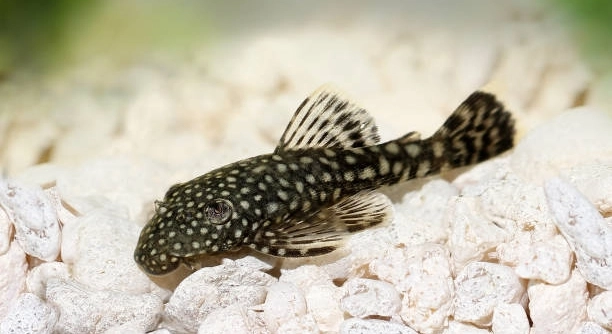
Do you ever notice your pleco spending hours in the same spot, barely moving and avoiding other areas of the tank? Many aquarists observe this behavior and wonder why these fish favor a single hiding place.
Plecos often prefer one hiding spot due to factors such as security, territorial behavior, access to food, optimal water flow, comfort, and reduced stress. Concentrating in a familiar location allows them to conserve energy and maintain a stable environment.
Understanding these preferences can improve tank design, fish welfare, and overall observation of their natural behaviors. Proper placement of hiding spots makes a noticeable difference.
Security and Comfort
Plecos often choose a single hiding spot because it provides a sense of safety. In their natural habitats, these fish are used to hiding among rocks, driftwood, and crevices to avoid predators. Even in a tank environment, that instinct remains strong. A consistent hiding place helps them feel protected from perceived threats, including other fish or sudden movements outside the aquarium. Over time, plecos become familiar with the textures, shapes, and locations of their preferred spot, which reduces anxiety and allows them to rest without constantly scanning their surroundings. Comfort also plays a role: plecos like spaces that are snug but not cramped. They often select hiding spots that fit their body size and shape, letting them rest fully against surfaces. Maintaining this balance of security and comfort supports their overall health, as stressed fish are more prone to disease and less likely to feed properly.
A secure hiding spot also reduces stress and allows plecos to maintain regular feeding habits.
Providing multiple hiding spots can help plecos adjust if one becomes crowded, but they often return to their favorite. Observing their chosen spot can reveal preferences for light levels, water flow, and substrate type. A well-placed hiding area promotes calm behavior, encourages natural activity patterns, and strengthens the bond between the fish and its environment. Over time, the pleco’s consistent choice can guide aquarists in arranging the tank to mimic ideal conditions. Selecting the right wood, rocks, or cave structure can create the optimal setting for long-term comfort and security. This understanding helps maintain water quality, as fish remain in a confined area, reducing stress-driven movement and waste distribution. By noticing these patterns, caretakers can improve tank stability and ensure plecos are thriving in conditions that meet both biological needs and instinctual behaviors.
Territorial Behavior
Plecos often defend a specific hiding spot from others in the tank.
Territorial behavior in plecos is natural and can influence tank dynamics. Fish may mark areas with chemical signals and show mild aggression toward intruders. Dominant individuals usually secure the most desirable spots, leaving less optimal areas for others. Providing multiple hiding areas reduces conflicts, giving each fish a personal zone. Observing plecos claim and defend their spot helps caretakers understand hierarchy, feeding priorities, and space allocation. Proper placement of shelters ensures the tank is both functional and harmonious.
Territorial tendencies also tie into breeding and feeding patterns. Male plecos are particularly defensive of chosen hiding spots, which often serve as nesting or resting areas. In tanks with limited space, these fish may display more aggressive interactions, chasing or nudging others away. Recognizing this behavior helps in planning tank layout with adequate shelters, preventing stress and injury. For larger species, the preferred hiding spot can become a central focus of activity, while smaller or less dominant fish occupy peripheral areas. The type of shelter also matters: caves, driftwood, or dense plant clusters are more likely to be claimed, offering a sense of permanence. Maintaining clear territories allows plecos to feel secure, eat comfortably, and engage in natural behaviors without constant disruption. Adjusting tank arrangements and adding extra hiding spaces improves coexistence, supporting healthy interactions and reducing stress-related illness.
Familiarity with Environment
Plecos return to the same hiding spot because they recognize it. Familiarity makes them feel safe and reduces stress. Repeated use reinforces comfort, and they are less likely to explore unknown areas when a preferred spot meets their needs.
A familiar hiding spot allows plecos to navigate confidently in their tank. They memorize the shape, size, and orientation of the space, which helps them avoid obstacles and potential threats. Changes in water flow, lighting, or decorations near this spot can make them uneasy, so maintaining consistency is important. Familiarity also supports feeding routines, as plecos often venture out from their chosen area to graze before returning. Observing this pattern can provide insight into their comfort levels and preferences.
Recognizing and respecting this preference ensures plecos feel secure, which contributes to their overall health. Providing stable water conditions, consistent lighting, and minimal disturbances around the spot encourages natural behavior. If a hiding place must be moved, it should be relocated carefully to maintain familiarity. By keeping the tank layout consistent, plecos are more likely to exhibit calm, steady behavior. Their reliance on familiar locations also highlights the importance of thoughtful tank design and the need for stable, predictable environments for long-term well-being.
Water Flow and Temperature
Plecos often choose hiding spots with the right water flow and temperature. Spots with gentle currents or warmer areas are preferred for comfort and energy conservation.
Water movement and temperature affect pleco behavior significantly. Locations with moderate flow help them breathe efficiently while avoiding strong currents that could tire them. Temperature consistency in their chosen spot allows them to maintain metabolic balance and reduces stress. Plecos may avoid areas with rapid flow or colder patches, as these require extra energy to navigate. Placement of hides near gentle currents ensures oxygen-rich water without forcing the fish to swim constantly. Proper tank equipment, like filters and heaters, should support these conditions to encourage natural behavior and long-term health.
These factors also influence feeding and activity patterns. Plecos often graze near their hiding spot, preferring areas with water flow that brings food particles or detritus closer. Stable temperature zones allow them to digest efficiently and remain active at predictable times. Uneven heating or fluctuating currents can lead to stress, causing them to hide excessively or reduce feeding. Observing their preferred spots provides valuable insight into optimal tank conditions. Adjusting flow and temperature gradually helps plecos remain comfortable while minimizing disruption to their routine. Consistency in these factors supports healthy growth, energy levels, and overall vitality.
Access to Food
Plecos often select hiding spots near reliable food sources. Staying close reduces energy spent searching and allows them to graze safely.
A spot near driftwood, algae, or prepared foods ensures they can feed without leaving their secure area. This convenience helps maintain consistent nutrition and reduces stress from unnecessary movement.
Light and Shade Preference
Plecos prefer dimly lit areas or spots with partial shade. Bright lights can make them feel exposed and vulnerable, so they naturally gravitate to darker corners or beneath decorations where they can rest comfortably.
Reduced Stress
Consistent hiding spots help plecos feel safe and minimize stress. Fish that feel secure are more likely to maintain healthy behavior, eat regularly, and interact calmly with tankmates.
Why does my pleco always hide in the same spot?
Plecos are naturally cautious fish. Choosing a single hiding spot helps them feel safe and secure, reducing stress. They are used to finding shelter in crevices and under driftwood in their natural habitats. A familiar area allows them to rest without constant vigilance.
Can plecos share a hiding spot with other fish?
Some plecos can tolerate tankmates near their hiding spot, but most are territorial. Larger or dominant plecos may chase others away. Providing multiple shelters is the best way to prevent aggression. This ensures every fish has a safe space to retreat.
How do I know if my pleco is stressed?
Signs of stress include reduced movement, poor appetite, or hiding excessively outside their usual spot. Discoloration, rapid breathing, and rubbing against objects are also indicators. Stress often comes from overcrowding, poor water quality, or insufficient hiding areas.
Is it normal for a pleco to stay hidden most of the day?
Yes. Plecos are nocturnal by nature. They are more active during the night or when lights are dimmed. Daytime hiding is natural behavior, allowing them to rest while remaining secure. They will usually emerge to feed or explore when conditions feel safe.
Do hiding spots affect my pleco’s health?
Absolutely. A good hiding spot reduces stress, which supports immune function and overall well-being. Stressful environments can lead to disease, decreased appetite, and lethargy. Adequate shelters create a comfortable space for resting and feeding, promoting long-term health.
How many hiding spots should I provide in my tank?
It depends on tank size and the number of fish. As a general rule, there should be at least one hiding spot per fish, with extras to reduce competition. Variety in size and type, like caves, driftwood, and plants, helps meet different preferences.
What materials make the best hiding spots for plecos?
Plecos like natural materials such as driftwood, rocks, and ceramic caves. Driftwood also provides a food source, as they scrape algae and biofilm. Avoid sharp or rough surfaces that could injure them. Rounded, smooth structures mimic their natural habitats effectively.
Can I move a pleco’s hiding spot?
Yes, but it should be done gradually. Moving a hiding spot too frequently can stress the fish. Keep the general location similar and introduce changes slowly, allowing the pleco to adjust. This preserves familiarity while maintaining a healthy, dynamic tank layout.
Why does my pleco sometimes guard its hiding spot aggressively?
This behavior is territorial. Male plecos especially may defend their preferred area from intruders. Guarding ensures they have a safe space for resting, feeding, or breeding. Multiple shelters and proper tank spacing reduce conflicts and support peaceful coexistence.
Will my pleco eventually use other hiding spots?
It is possible, especially if the environment changes or new shelters are added. Plecos may explore other areas if their preferred spot becomes crowded or less comfortable. However, many will return to their favorite hiding place because of familiarity and security.
Does the size of the hiding spot matter?
Yes. The shelter should fit the pleco comfortably without being too tight. A space that is too small can cause stress, while a space that is too open may not feel secure. Ideally, the hiding spot should allow the fish to rest fully and retreat completely from view.
How can I make my pleco feel more comfortable in the tank?
Consistency is key. Maintain stable water parameters, provide appropriate hiding spots, and ensure there is enough space for each fish. Minimize sudden disturbances and bright lighting around the hiding areas. Observing their habits helps you adjust the tank to their needs.
Do plecos prefer certain positions for their hiding spots?
Yes. Many plecos choose spots near the bottom of the tank or under decorations where there is minimal light. Some also prefer locations near gentle water flow and food sources. Placement that mimics natural habitats encourages normal, healthy behavior.
Can lack of hiding spots cause health problems?
Yes, a lack of secure spaces increases stress, which can lead to illness, decreased appetite, and behavioral issues. Providing adequate shelters improves overall well-being and supports natural behaviors, creating a stable and healthy environment for plecos to thrive.
How often should I clean or rearrange hiding spots?
Cleaning should be done carefully, without removing all familiar features at once. Light cleaning during water changes is sufficient. Avoid frequent rearrangement, as sudden changes can stress the fish and make them reluctant to use their preferred hiding places.
Will a pleco’s preference for a hiding spot change over time?
It can. Growth, changes in tankmates, or modifications in tank conditions may influence their choice. While they often show loyalty to a favorite spot, they may adapt and explore alternatives if it becomes more comfortable or secure.
Are hiding spots important for breeding plecos?
Yes. Males often choose a secure cave or crevice to attract females and protect eggs. Adequate hiding areas support successful reproduction and reduce stress during the breeding process. Multiple shelters increase the chances of peaceful interactions and safe nesting environments.
How do I encourage my pleco to explore more areas?
Provide additional hiding spots gradually and place food in different locations. Gentle changes in lighting and decorations can entice exploration while keeping the environment safe. Avoid drastic changes that might stress the fish or force them out of their preferred spot.
Does tank size affect hiding spot preference?
Yes. In smaller tanks, plecos may become more territorial over limited shelters. Larger tanks allow for multiple options, reducing conflicts and encouraging natural movement. The number and type of hiding spots should match tank size and fish population.
What is the best way to observe my pleco’s hiding habits?
Watch during dawn or dusk when plecos are more active. Minimal disturbance and dim lighting allow you to see how they use shelters. Observing feeding, movement, and interactions with other fish provides insight into comfort and territory preferences.
Can plecos share a hiding spot during feeding time?
Occasionally, but dominant fish often assert control. Feeding near shelters is common, but multiple spaces reduce competition and ensure all fish can access food comfortably. Rotating feeding locations and providing adequate hiding spots supports peaceful coexistence.
How do I choose the right hiding spot for a new pleco?
Observe the tank layout and existing shelters. Select a location with gentle water flow, partial shade, and easy access to food. Introduce it gradually, letting the pleco acclimate while maintaining familiar areas to reduce stress and encourage settling in.
Does water quality impact hiding spot selection?
Yes. Poor water quality can make a preferred spot less appealing. Plecos often seek areas with stable temperature, oxygen levels, and minimal waste accumulation. Regular maintenance ensures hiding spots remain comfortable and safe for consistent use.
Can a pleco outgrow its hiding spot?
Yes. As plecos grow, previously suitable spaces may become too tight. Upgrading or adding larger shelters ensures comfort and reduces stress. Observing their fit inside each spot helps determine when changes are necessary to maintain security and health.
Are artificial caves as effective as natural ones?
They can be, if designed properly. Smooth surfaces, appropriate size, and placement near gentle water flow make artificial caves suitable. Driftwood and natural rock still provide additional benefits, like food sources and natural textures, which enhance overall comfort.
How does lighting affect hiding spot preference?
Bright lighting makes plecos feel exposed, so they prefer shaded areas or spots with subdued light. Consistent light cycles help establish predictable routines, encouraging regular feeding and movement while keeping them comfortable in their preferred shelter.
Is it necessary to provide multiple hiding spots in a single tank?
Yes. Multiple shelters reduce territorial disputes and stress. They allow each fish to claim a personal area and switch spots if needed. Variety in size and type supports natural behaviors, feeding, and social interactions, promoting a healthier environment overall.
Can a pleco change its hiding spot based on tankmates?
Yes. Aggressive or dominant tankmates may force a pleco to relocate. Observing interactions helps determine safe and comfortable locations for all fish. Additional shelters can reduce conflict and allow each fish to maintain a sense of security.
What role do hiding spots play in pleco behavior observation?
Hiding spots reveal natural tendencies, including territoriality, feeding habits, and activity cycles. Monitoring which areas are used and when provides insight into comfort levels and tank conditions, allowing adjustments to promote health and natural behavior.
How do I balance hiding spots with open swimming areas?
Ensure enough open space for movement while providing multiple shelters. A mix of open areas and secure hiding spots allows plecos to explore, feed, and interact without feeling exposed, maintaining both activity and safety.
Can stress from inadequate hiding spots affect reproduction?
Yes. Stress can reduce breeding behavior and egg viability. Providing secure shelters encourages natural nesting and courtship behaviors, supporting successful reproduction in a controlled environment.
How often should I monitor my pleco’s use of hiding spots?
Regular observation during active periods is sufficient. Look for consistent use, stress signs, and interactions with tankmates. Monitoring helps adjust tank layout, hiding spot placement, and environmental factors to support comfort and health.
Do plecos prefer solitary hiding spots or clustered areas?
Most plecos prefer solitary spots to reduce conflicts and feel secure. Clusters of shelters can work if each fish can claim a personal area. Observing their behavior ensures the arrangement meets territorial and comfort needs.
What is the relationship between hiding spots and nocturnal activity?
Hiding spots provide daytime safety while plecos rest. They emerge during low-light periods to feed and explore, returning to shelters when activity decreases. Properly placed hiding spots support their natural nocturnal rhythms.
Are there signs my pleco dislikes a hiding spot?
Yes. Signs include avoiding the area, excessive swimming around it, rubbing against objects, or showing stress when near it. Relocating or modifying the spot can improve comfort.
Can hiding spots influence a pleco’s interaction with other fish?
Yes. Secure spots reduce conflict by allowing dominant and subordinate fish to have personal spaces. Observing how they interact around shelters helps manage tank harmony and minimize stress-related aggression.
Do different pleco species have unique hiding preferences?
Yes. Some species prefer caves, others driftwood, or densely planted areas. Understanding species-specific needs ensures the right environment and enhances comfort, natural behavior, and health.
How important is stability around the hiding spot?
Very important. Sudden changes in lighting, decorations, or water flow can stress plecos. Stability fosters familiarity, encourages use, and supports consistent feeding and resting patterns.
Can plecos become attached to a hiding spot?
Yes. Many plecos show loyalty to a preferred location, repeatedly returning even if alternatives exist. Attachment indicates comfort and security, reflecting their natural instinct to rely on safe shelters.
Do plecos ever share hiding spots peacefully?
Occasionally, especially in large or spacious tanks. Generally, dominant fish claim the spot, but multiple shelters reduce conflict. Observing behavior helps ensure peaceful coexistence.
How do I encourage shy plecos to use hiding spots?
Place shelters in quiet, low-traffic areas. Ensure appropriate size, shade, and gentle flow. Gradually introduce the fish to the environment while minimizing disturbances to build confidence and encourage use.
Are hiding spots necessary for juvenile plecos?
Yes. Young plecos are vulnerable and benefit from secure shelters. Adequate hiding spaces reduce stress, promote feeding, and support healthy development during growth stages.
Can hiding spots help reduce aggression in community tanks?
Yes. They provide retreat options for subordinate fish, minimizing encounters with aggressive tankmates. Multiple shelters promote peaceful interactions and reduce stress-related injuries.
Do plecos ever abandon hiding spots permanently?
Sometimes, if the environment changes, new tankmates arrive, or the spot becomes unsuitable. Gradual adjustment and maintaining alternative shelters help them settle into new preferred areas.
Can hiding spots affect pleco lifespan?
Indirectly, yes. Secure, comfortable shelters reduce stress, support feeding, and promote natural behavior, contributing to better health and potentially longer lifespan.
Are there signs a hiding spot is perfect for a pleco?
Yes. Regular use, calm resting, consistent feeding nearby, and minimal stress signals indicate a well-chosen, comfortable spot. Consistent preference shows the fish feels secure.
How do I choose hiding spots for multiple plecos?
Provide multiple shelters spaced throughout the tank, with varying sizes and types. This ensures each fish has a personal area, reduces territorial conflicts, and accommodates natural behavior.
Do plecos change hiding spots seasonally or with water changes?
They may, if environmental conditions shift significantly. Maintaining consistency during water changes and gradual adjustments helps them retain comfort and reduces stress.
Can hiding spots be enriched to stimulate plecos?
Yes. Adding texture, gentle flow, and surfaces for grazing encourages natural activity while maintaining security. Enrichment supports health and mental stimulation without compromising safety.
How do I know if my pleco’s hiding spot needs replacement?
Signs include wear, overcrowding, improper fit, or reduced use. Replacing or upgrading ensures comfort, safety, and continued use. Observation guides the timing of adjustments.
Do hiding spots help with pleco acclimation?
Yes. When introduced to a new tank, secure shelters allow plecos to adapt at their own pace, reducing stress and encouraging exploration once they feel safe.
Can I use plants as hiding spots for plecos?
Yes, dense plants provide shade and security, though solid structures like driftwood or caves are preferred for complete concealment. A mix can enhance comfort and variety.
How do hiding spots interact with feeding behavior?
Plecos often feed near their preferred shelter. Proximity to food sources reduces stress and supports consistent feeding patterns, helping maintain health and energy levels.
Do plecos prefer vertical or horizontal hiding spots?
It depends on species and body shape. Some favor horizontal caves or under logs, while others may use vertical crevices. Observing their natural tendencies ensures appropriate placement and comfort.
Can water chemistry influence hiding spot selection?
Yes. Areas with stable pH, temperature, and oxygen levels are more attractive. Sudden fluctuations can make a preferred spot less appealing, stressing the fish.
Are hiding spots more important in small tanks?
Yes. Limited space increases territorial conflicts, making secure shelters critical. Adequate hiding areas prevent stress and aggression, supporting a healthier tank environment.
Do plecos use hiding spots for sleeping?
Yes. Daytime hiding allows them to rest safely, conserving energy for nocturnal activity. Proper shelter ensures uninterrupted sleep and reduces stress.
Can I place food inside a hiding spot?
Yes, but it should be done carefully to avoid overfeeding or water quality issues. Feeding near the shelter encourages natural grazing and comfort.
Are hiding spots necessary for old or sick plecos?
Yes. Vulnerable fish benefit from secure shelters, reducing stress and allowing recovery while maintaining safe resting areas.
Do plecos prefer hiding spots near the tank bottom?
Mostly, yes. Bottom areas provide security, stable conditions, and proximity to food sources. Driftwood, rocks, and caves near the substrate are ideal.
Can hiding spots reduce bullying in community tanks?
Yes. Subordinate fish can retreat to secure shelters, minimizing aggressive encounters and stress. Multiple options help maintain peace.
How do I monitor if a hiding spot is too small?
Signs include the pleco’s body touching edges uncomfortably, hesitation to enter, or repeated attempts to squeeze in. Adjusting size ensures comfort.
Do plecos rearrange their hiding spots?
Some may move small decorations or sediment around, but large shelters remain mostly fixed. Observing this behavior can indicate comfort and environmental interaction.
Can lighting changes affect hiding spot use?
Yes. Bright lights may drive plecos deeper or into shaded areas. Maintaining consistent, gentle lighting helps them use preferred shelters comfortably.
Are hiding spots necessary for nocturnal activity?
Yes. Secure daytime shelters allow plecos to rest safely and emerge at night without feeling exposed, supporting natural activity patterns.
Do plecos prefer natural or artificial hiding spots?
Both can work. Natural driftwood or rocks offer texture and food surfaces, while well-designed artificial caves provide safety. A mix enhances comfort and enrichment.
Can plecos adapt to new hiding spots?
Yes, but adaptation is gradual. Providing familiar conditions, gentle lighting, and minimal disturbances helps them accept new shelters while maintaining comfort.
Do plecos ever share hiding spots during breeding?
Males may use a single cave for eggs and court females, but generally, sharing is limited to nesting purposes. Multiple shelters support peaceful coexistence.
Are hiding spots necessary for algae-eating plecos?
Yes. Even algae grazers need secure shelters to rest during the day, conserve energy, and feel safe while feeding at night.
Can a pleco’s preference for a hiding spot indicate health issues?
Yes. Sudden changes, excessive hiding, or avoidance may signal stress, illness, or water quality problems. Monitoring behavior helps identify concerns early.
Do hiding spots influence aggression between plecos?
Yes. Adequate shelters reduce territorial disputes and allow subordinate fish to retreat, minimizing conflict and stress. Proper placement encourages peaceful coexistence.
How do I make a hiding spot more appealing?
Ensure appropriate size, smooth surfaces, partial shade, and proximity to gentle flow and food sources. Gradual introduction helps the pleco accept it.
Do plecos prefer open or enclosed hiding spots?
Most prefer enclosed spaces for safety. Partial openings allow easy exit, while completely sealed spots may feel too confined. Observation guides the ideal choice.
Can hiding spots prevent plecos from damaging decorations?
Yes. Secure shelters encourage natural resting and reduce wandering or scraping elsewhere, protecting delicate plants and decorations.
Are hiding spots important for juvenile and adult plecos alike?
Yes. Both benefit from secure shelters, though juveniles may require smaller spaces. Adequate hiding promotes health, reduces stress, and supports natural behavior at all stages.
Do plecos prefer hard or soft surfaces in hiding spots?
They generally favor smooth, hard surfaces like driftwood, rocks, or ceramic caves. Soft materials may be less durable and provide inadequate security.
How can I ensure hiding spots remain safe?
Avoid sharp edges, toxic materials, or unstable decorations. Regular inspection and cleaning maintain safe, comfortable shelters for long-term use.
Do plecos need multiple hiding spots if tankmates are aggressive?
Yes. Multiple options reduce conflict, allow retreats, and maintain well-being for all fish in the tank. Proper spacing is essential.
Can hiding spots help plecos feel secure during water changes?
Yes. Shelters give a safe retreat during disturbances. Keeping familiar areas intact minimizes stress and encourages normal behavior despite changes.
Do plecos prefer single or multiple entrances in a hiding spot?
Single entrances offer security, while multiple openings may be used in larger shelters for escape routes. Observ
Plecos are fascinating fish with unique behaviors that often go unnoticed by casual observers. One of the most consistent traits is their preference for a single hiding spot. This behavior is not random; it reflects their natural instincts, need for security, and desire for a stable environment. In aquariums, these hiding spots allow plecos to feel safe from potential threats, reduce stress, and rest without constant vigilance. Over time, plecos develop a strong attachment to these areas, which can also serve as centers for feeding, territorial boundaries, and even breeding. Understanding this behavior helps caretakers create an environment that meets both the physical and psychological needs of these fish. By observing which spots are favored, aquarists can identify ideal locations for caves, driftwood, or other shelters and adjust tank layouts accordingly to support comfort and well-being.
Maintaining a stable environment around a pleco’s chosen hiding spot is crucial for its health. Factors such as water flow, temperature, lighting, and accessibility to food all influence whether a hiding spot is suitable. Gentle water currents and dim lighting make the spot more attractive, while sudden changes in the tank can cause stress and avoidance. The material and size of the shelter also matter; smooth surfaces, proper fit, and proximity to feeding areas ensure that plecos feel comfortable and secure. For tanks with multiple fish, providing several hiding spots reduces territorial conflicts and allows each individual to claim a personal space. Even small adjustments, like adding a second cave or rearranging decorations slightly, can improve overall tank harmony. Regular monitoring of behavior and tank conditions ensures that hiding spots continue to meet the needs of plecos over time, supporting natural behaviors and long-term health.
Ultimately, recognizing the importance of hiding spots allows caretakers to create an environment where plecos can thrive. These areas are more than just places to hide; they serve as safe zones, feeding centers, and resting areas that influence behavior and well-being. Observing pleco preferences provides insight into their comfort, territorial tendencies, and overall health. Providing a variety of suitable shelters, maintaining consistent water conditions, and avoiding sudden disturbances all contribute to a stable and enriching environment. By prioritizing the needs of plecos in this way, caretakers can ensure their fish remain calm, active, and healthy. Respecting these natural preferences not only improves the quality of life for plecos but also makes aquarium management easier and more rewarding, as happy, stress-free fish exhibit predictable, natural behavior. With thoughtful planning and observation, a simple hiding spot can make a significant difference in the well-being and happiness of plecos in any aquarium setting.

Hello,
If you enjoy the content that we create, please consider saying a "Thank You!" by leaving a tip.
Every little bit helps us continue crafting quality advice that supports the health, happiness, and well-being of pets around the world, for pets of all shapes, sizes, and species.
We really appreciate the kindness and support that you show us!