
Is your pleco showing unusual energy or changes in behavior lately? Many owners notice subtle shifts in their fish that signal important life stages, including readiness to breed. Observing these behaviors can help you care for them effectively.
Plecos exhibit specific physical and behavioral signs when entering breeding mode. These include increased territoriality, nest-building behaviors, changes in coloration, heightened activity levels, and frequent interaction with tank surfaces or hiding spots. Recognizing these indicators ensures appropriate environmental management.
Identifying these signs early allows you to provide optimal care and support for your pleco’s natural breeding instincts. Following these guidelines will help maintain a healthy, thriving aquarium environment.
Increased Territorial Behavior
During breeding mode, plecos often become noticeably territorial. You may observe your fish guarding a specific cave, corner, or surface in the tank. This behavior can include chasing other tank mates away or aggressively defending a chosen area. Territoriality is a natural instinct tied to reproduction, as the pleco seeks a safe space for laying eggs. You might notice the pleco patrolling its area more frequently than usual, inspecting surfaces, and staying close to potential nesting sites. Other plecos in the tank may respond with caution or avoid the dominant fish entirely, which can alter the social dynamics of the aquarium. Maintaining a clean tank with sufficient hiding spots can reduce stress for all inhabitants. Observing these behaviors closely helps you understand when the pleco is preparing for reproduction. Small adjustments in environment, such as adding extra caves or smoothing surfaces, can support healthy breeding behavior while minimizing conflicts.
This territorial behavior signals readiness to breed and ensures a safe environment for future offspring.
Providing proper tank setup with hiding spots and monitoring interactions helps maintain a balanced and stress-free habitat.
Nest-Building Behavior
Plecos often start moving gravel, rocks, or other materials to prepare nesting areas.
When breeding, plecos actively seek and modify spaces suitable for egg-laying. They may clean out caves, rearrange substrate, or scrape surfaces to create a secure site for eggs. This behavior is instinctive and ensures that the eggs will have a protected environment. Some species may prefer smooth surfaces, while others use small cavities. During this time, you might notice the fish spending more time in one area and less in open swimming zones. They may also push smaller items around, like pebbles or plant matter, to form a nest-like space. Observing these preparations can indicate that mating is imminent, allowing you to provide optimal conditions. Ensuring water quality is high and minimizing disturbances are crucial steps, as plecos are sensitive to changes during nesting. Adjusting lighting and maintaining stable temperatures can further support the fish in completing this process naturally.
Monitoring these behaviors closely provides insight into the pleco’s reproductive readiness and environmental needs.
Changes in Coloration
Plecos may show darker or more intense colors during breeding. These changes signal maturity and readiness to mate.
Color shifts in plecos are a clear indicator of hormonal changes related to reproduction. Males often display darker tones, especially around the head and fins, while females might appear slightly brighter or more vibrant. These changes are temporary and usually coincide with other breeding behaviors, like nest preparation and increased territoriality. The intensity of coloration can vary depending on species, age, and environmental conditions. Maintaining consistent water parameters and a calm environment helps support these natural displays. Sudden changes in water quality can reduce coloration or stress the fish. Watching for these color changes gives insight into the timing of breeding activities and the pleco’s overall health.
Monitoring coloration alongside behavior helps ensure the tank is ready for breeding activity. Observing subtle shifts can guide adjustments in care and tank management.
Increased Activity Levels
Breeding plecos move around the tank more than usual. They explore surfaces, caves, and hiding spots frequently.
Heightened activity is common during breeding periods. The pleco may patrol its territory, inspect potential nesting sites, or interact with other fish more actively. This increased movement is linked to instinctual preparation for reproduction. Plecos may also dig or shift objects, signaling readiness to lay eggs. Providing enough space and maintaining a stable environment is essential to accommodate these behaviors. If the fish appears restless or constantly moving, it often indicates that nesting and mating behaviors are in progress. Observing activity patterns can help you anticipate breeding events and adjust feeding schedules or tank arrangements accordingly. Ensuring calm lighting and minimal disturbances supports the pleco’s natural rhythms.
Tracking activity levels provides insight into reproductive timing and overall tank dynamics, allowing for better care and observation.
Frequent Hiding
Plecos spend more time in caves or behind decorations during breeding. Hiding provides security and privacy for nesting and reduces stress from tank mates.
These hiding spots allow plecos to focus on breeding without interference. Males especially prefer secluded areas for guarding eggs, while females use them to rest or prepare for egg-laying.
Interaction with Tank Surfaces
Plecos often rub or scrape surfaces during breeding periods. This behavior helps them clean potential nesting sites and may encourage spawning.
Surface interactions are an important part of reproductive preparation. Scraping rocks, glass, or wood is instinctive and signals that the pleco is ready to lay eggs or guard a chosen spot.
Changes in Appetite
Breeding plecos may eat less or show selective feeding habits. Reduced appetite often coincides with increased focus on nesting and mating behaviors.
Guarding Behavior
Male plecos frequently patrol and defend nesting areas more aggressively during breeding. They keep other fish away and monitor eggs closely.
How can I tell if my pleco is male or female?
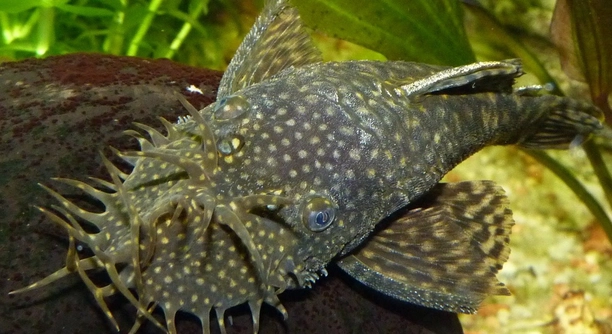
Male and female plecos can be distinguished by subtle physical traits. Males often have broader heads, thicker pectoral fins, and a more muscular body compared to females. Some species develop small bristles on the head or snout, which are absent or smaller in females. Females tend to have rounder, fuller bellies, especially when carrying eggs. Observing behavior during breeding also helps differentiate sexes. Males usually become territorial and guard nesting areas, while females focus more on choosing sites and laying eggs. These visual and behavioral cues are the most reliable methods for identifying sex in plecos without invasive procedures.
Why is my pleco hiding so much?
Hiding is a natural behavior when plecos enter breeding mode. They seek security for nesting and to reduce stress from other tank inhabitants. Males often guard caves or secluded areas, while females may retreat after laying eggs. Providing enough hiding spots and keeping the environment calm can help plecos feel safe during this period. Overcrowding, sudden changes in water conditions, or aggressive tank mates may increase hiding behavior, so monitoring tank dynamics is important. A pleco that hides frequently but still shows healthy appetite and movement is likely preparing for breeding rather than indicating illness.
What triggers plecos to enter breeding mode?
Several environmental and biological factors can trigger breeding behavior. Water temperature, pH levels, and overall water quality play a key role. Seasonal changes in light and temperature often simulate natural conditions, encouraging reproductive activity. Providing hiding spots, smooth surfaces for egg-laying, and a nutritious diet also supports readiness. Stress reduction is critical, as plecos are sensitive to disturbances, which can delay or inhibit breeding. Hormonal changes related to maturity drive physical and behavioral shifts, such as territoriality, nest-building, and increased activity. Observing these triggers helps owners create optimal conditions for healthy breeding.
Do plecos need special care during breeding?
Yes, plecos require careful attention when in breeding mode. Maintaining stable water parameters is essential, as fluctuations can stress the fish and disrupt breeding. Adding caves, smooth surfaces, and adequate hiding spots helps replicate natural nesting environments. Feeding a balanced, high-quality diet supports energy needs during this demanding period. Avoiding excessive disturbance or introducing aggressive tank mates minimizes stress. Monitoring for territorial disputes is important, as males can become more aggressive. Clean water, proper filtration, and gentle lighting adjustments contribute to successful breeding and healthy eggs. Observing behavior closely allows timely adjustments to ensure a supportive environment.
How long does pleco breeding last?
Breeding behavior can last from several days to a few weeks. Males may guard the nest continuously, while females lay eggs and then retreat. The guarding period continues until eggs hatch and fry become mobile. Environmental conditions, species differences, and fish maturity influence duration. During this time, feeding patterns, activity levels, and coloration changes may be more pronounced. Some plecos cycle through multiple breeding attempts in a season, especially in stable environments. Maintaining a calm, nutrient-rich, and well-structured tank supports the full breeding period. Careful observation ensures minimal stress and maximizes the chances of successful reproduction.
Can plecos breed in a community tank?
Breeding in community tanks is possible but challenging. Territorial males may become aggressive toward other fish or even fry. Hiding spots and separate nesting areas are critical to prevent conflict. Monitoring tank dynamics and providing sufficient space reduces stress and increases the likelihood of successful breeding. Some owners prefer using breeding-specific tanks to control environmental conditions and ensure safety for eggs and fry. Water quality must remain consistent, and aggressive species should be avoided near nesting sites. Observing behavior and separating fry once hatched helps maintain survival rates in mixed-species tanks.
What should I do after eggs are laid?
Once eggs are laid, males typically guard them, and minimal disturbance is key. Maintaining stable water conditions and preventing sudden changes supports healthy development. Avoid overfeeding to reduce waste, which can harm eggs. If in a community tank, separating eggs or fry may be necessary to prevent predation. Gentle monitoring ensures eggs remain intact and that the male continues guarding effectively. Fry become free-swimming after a week or two, depending on species. Providing small, nutritious foods and maintaining clean water helps the young plecos thrive.
How do I care for pleco fry?
Pleco fry require consistent water quality, mild filtration, and a secure environment free from aggressive tank mates. Start feeding small portions of finely crushed food or specialized fry diets. Gradually increase food size as they grow. Frequent water changes are important to prevent waste buildup, which pleco fry are sensitive to. Observing growth and behavior helps adjust care routines. Providing hiding spots ensures they feel safe and reduces stress, improving survival rates. Maintaining stable light and temperature supports healthy development. Careful attention during this stage sets the foundation for strong, healthy adult plecos.
What are common mistakes during breeding?
Common mistakes include sudden changes in water conditions, overcrowding, insufficient hiding spots, and improper nutrition. Disturbing the fish or nest can lead to stress and egg loss. Aggressive tank mates may harm eggs or fry. Ignoring environmental triggers like temperature and pH changes can delay breeding. Overfeeding or underfeeding during this period may affect energy levels and reproductive success. Ensuring stable water, proper diet, and a well-structured tank minimizes these risks. Close observation allows timely interventions, supporting healthy breeding and higher fry survival rates.
Is special lighting necessary for breeding?
While plecos do not require specialized lighting, simulating natural day-night cycles supports reproductive behavior. Consistent lighting helps regulate hormonal activity, while dim or adjustable lighting reduces stress near nesting areas. Sudden changes in brightness can cause agitation or withdrawal. Matching light periods to temperature and feeding schedules enhances breeding success. Moderate lighting also allows owners to monitor behavior and egg development without disturbing the fish. Simple adjustments like extended daylight or slightly dimmed evenings often improve comfort and encourage natural breeding instincts. Stable, predictable lighting supports overall tank health and pleco reproduction.
This FAQ covers most common concerns and provides practical guidance for successfully managing pleco breeding in home aquariums.
Observing your pleco during breeding season can be a fascinating experience. These fish show clear behavioral and physical changes that indicate readiness to reproduce. From increased territorial behavior to nest-building activities, each action serves a purpose in their natural reproductive process. Noticing these signs helps you provide the right care and ensures that your pleco feels secure and supported in the tank. Paying attention to these subtle cues allows you to understand your fish better and strengthens your ability to maintain a healthy environment that supports natural behaviors. A pleco that is allowed to follow its instincts will be less stressed and more active, which benefits the entire aquarium ecosystem.
Maintaining proper tank conditions is essential during this time. Clean water, stable temperature, and suitable hiding spots are critical factors that influence breeding success. Plecos are sensitive to changes, and disturbances can cause stress that may interrupt breeding behaviors. Providing smooth surfaces for nesting, adjusting lighting to simulate natural cycles, and ensuring sufficient food supply are practical steps that encourage reproduction. Monitoring interactions between tank mates and preventing aggression is equally important. A male guarding eggs can become territorial, and overcrowding can lead to stress or injury. By carefully managing these conditions, you create an environment that supports both adult plecos and their future fry. These small adjustments go a long way in ensuring a smooth and safe breeding period, reducing stress and enhancing overall fish health.
Breeding plecos requires patience and observation. Each fish behaves differently depending on its species, age, and environment, so understanding individual needs is crucial. Watching for changes in activity, coloration, and appetite helps you anticipate breeding events and respond appropriately. Providing proper care during this time not only increases the chances of successful spawning but also promotes long-term health for your fish. Supporting natural behaviors while maintaining a clean, stable environment ensures that your pleco thrives. Observing and caring for plecos during breeding is a rewarding experience that reinforces the connection between you and your aquarium. Proper planning, attention, and a calm environment make the process smoother and help your plecos reach their full reproductive potential.

Hello,
If you enjoy the content that we create, please consider saying a "Thank You!" by leaving a tip.
Every little bit helps us continue crafting quality advice that supports the health, happiness, and well-being of pets around the world, for pets of all shapes, sizes, and species.
We really appreciate the kindness and support that you show us!