
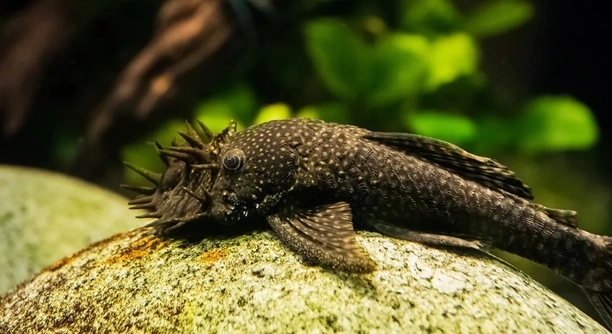
Plecos are fascinating fish that many aquarists enjoy keeping. They thrive in clean, well-maintained tanks with proper hiding spots and balanced nutrition. Observing their natural behaviors can help owners provide the best environment for these peaceful creatures.
Maintaining plecos requires consistent water quality, adequate hiding spaces, a varied diet, proper tank size, gentle lighting, regular tank cleaning, and careful monitoring of fish behavior. These habits collectively support their overall health, growth, and longevity in captivity.
Following these simple yet essential practices can make a noticeable difference in your pleco’s well-being, creating a healthier and more vibrant aquarium environment for your aquatic pets.
Keep Water Clean and Stable
Plecos need clean water to stay healthy. Regular water changes prevent the buildup of harmful chemicals and keep ammonia and nitrite levels low. Using a reliable water filter and testing water weekly ensures the tank environment remains stable. Avoid sudden temperature changes, as plecos are sensitive to fluctuations. Maintaining proper pH and hardness is equally important. Overfeeding can cloud the water, so feed sparingly and remove uneaten food promptly. Observing your fish regularly helps detect early signs of stress or illness. Healthy water supports growth, vibrant colors, and natural behaviors. Adding live plants or driftwood can also improve water quality by absorbing toxins and providing surfaces for beneficial bacteria. Keeping decorations clean prevents algae overgrowth and reduces debris buildup. Plecos are bottom dwellers, so pay attention to the substrate and remove waste to avoid contamination. A clean tank reduces disease risk and promotes a longer, happier life for your fish.
Consistent water maintenance improves pleco health, reduces stress, and encourages natural behaviors, ensuring they thrive in a safe and stable aquatic environment.
Creating a water schedule makes maintenance easier. Weekly partial water changes of about 25% are effective. Using a siphon removes debris without disturbing the fish. Avoid cleaning all filter media at once; instead, rinse parts in tank water to preserve beneficial bacteria. Monitoring temperature, pH, and ammonia levels prevents sudden shocks. Driftwood not only decorates the tank but also lowers pH slightly and provides surfaces for grazing. Plants like java fern and anubias contribute to oxygen levels and shelter. Feeding a variety of vegetables, algae wafers, and occasional protein keeps plecos nourished. Observing their behavior, such as hiding or grazing habits, helps identify any discomfort early. A well-kept tank results in active, vibrant plecos that display their natural coloration. Careful attention to water quality and environment ensures your plecos live longer, healthier lives. Regular maintenance becomes part of a rewarding routine for both the fish and their caretaker.
Provide Proper Hiding Spaces
Plecos feel secure with caves, driftwood, or dense plant clusters. Adequate hiding spots reduce stress and allow natural behaviors like resting and grazing.
Providing shelters encourages plecos to explore their tank confidently. Driftwood and caves mimic their natural habitat and prevent territorial disputes.
Hiding spaces are essential for plecos’ mental and physical health. These fish are nocturnal by nature and need quiet areas to rest during daylight hours. Without proper shelters, plecos may become stressed, show dull colors, or exhibit unusual behaviors. Driftwood not only serves as a hiding spot but also offers surfaces for algae and biofilm growth, which plecos feed on. Smooth caves or ceramic ornaments give them security while reducing the risk of injury. Strategically placing plants creates shaded areas and extra layers of cover, making the tank environment more natural and engaging. For larger plecos, ensure hiding spots are spacious enough to allow movement without crowding. Rotating or changing hiding locations occasionally keeps the environment stimulating. By prioritizing safe and varied shelters, you support your pleco’s well-being, encouraging activity, feeding, and overall vitality.
Do you want me to continue with the next two habits in the same format?
Feed a Varied Diet
Plecos need more than just algae wafers. Vegetables like zucchini, cucumber, and spinach supplement their nutrition. Occasional protein sources such as shrimp or bloodworms keep them healthy and active. Variety ensures proper growth, vibrant colors, and overall vitality in the tank.
Offering a balanced diet keeps plecos energetic and promotes natural behaviors like grazing and foraging. Algae wafers provide essential nutrients, but fresh vegetables supply fiber and vitamins. Rotating foods prevents nutrient deficiencies and encourages appetite. Protein treats should be given sparingly to avoid water contamination. Observing feeding habits helps gauge health; a sudden change may indicate stress or illness. Preparing vegetables by blanching softens them, making them easier to consume. Incorporating driftwood into the tank allows plecos to rasp, aiding digestion. Maintaining dietary variety ensures your plecos receive complete nutrition while stimulating natural instincts and supporting overall longevity.
Feeding schedules are important. Plecos often prefer evening or nighttime feedings, reflecting their nocturnal nature. Providing food at consistent times creates a routine and reduces competition. Uneaten food should be removed promptly to maintain water quality. Overfeeding can lead to obesity or polluted water, harming your fish. Using a mix of vegetables, wafers, and occasional protein offers a balanced intake. Watching your pleco interact with different foods shows preferences and encourages healthy grazing. Food placement near hiding spots mimics natural feeding patterns, reducing stress. Balanced nutrition, combined with clean water and proper habitat, ensures plecos remain vibrant, active, and resilient over time.
Maintain Proper Tank Size
Plecos require ample swimming space. A cramped tank limits growth and can stress the fish, leading to health problems. Larger species especially need more room to thrive and display natural behaviors.
Tank size impacts pleco development and longevity. Small tanks restrict movement, increase waste concentration, and elevate stress, weakening the immune system. Larger tanks allow territorial behavior and grazing, reducing conflicts with other tankmates. Consider adult size when selecting tank dimensions, as plecos can grow significantly. Substrate type and decorations also influence usable space; avoid overcrowding with ornaments. Adequate volume dilutes toxins, stabilizes temperature, and provides swimming freedom. For multiple plecos, extra space is crucial to prevent aggression. Proper tank sizing supports physical growth, color intensity, and overall well-being, helping plecos live longer, healthier lives.
Monitoring growth in the correct tank size improves health outcomes. Regular measurements help determine if the environment meets your pleco’s needs. Larger tanks facilitate proper filtration and water circulation, reducing waste accumulation and improving oxygenation. This prevents common issues like stunted growth or fin damage from cramped spaces. Providing sufficient depth and surface area mimics natural habitats, encouraging natural grazing and resting patterns. Carefully arranging plants and hiding spots prevents territorial conflicts while maintaining open swimming areas. A spacious, well-structured tank reduces stress, enhances immune function, and promotes activity. Prioritizing adequate space ensures plecos grow to their full potential, remain active, and display vibrant colors for years to come.
Monitor Water Temperature
Plecos thrive in stable temperatures. Sudden changes can stress them and cause illness. Keep the tank within the recommended range for your species, using a reliable heater and thermometer to maintain consistency.
Avoid extreme fluctuations. Consistent warmth supports metabolism, digestion, and immune function. Temperature swings can weaken your pleco and reduce activity.
Provide Gentle Lighting
Harsh lighting can stress plecos, who are naturally nocturnal. Use subdued or adjustable lighting to mimic natural conditions, giving them dark areas to rest. Plants and driftwood can help diffuse light while creating shaded zones. Proper lighting encourages natural behavior without causing anxiety or hiding tendencies.
Clean the Tank Regularly
Regular cleaning prevents waste buildup and maintains water quality. Removing debris and performing partial water changes reduces harmful chemicals and supports overall fish health.
Observe Fish Behavior
Watching plecos closely reveals changes in appetite, activity, or color. Early detection of stress or illness allows timely intervention, keeping them healthy and thriving.
How often should I change the water in my pleco tank?
Water changes should be done regularly to keep plecos healthy. A partial water change of about 20–30% once a week is usually enough for most tanks. Larger tanks or tanks with multiple plecos may require slightly more frequent changes. Always test water parameters before and after changes to ensure stability. Avoid changing all the water at once, as this can shock the fish and disrupt beneficial bacteria. Removing uneaten food and debris during water changes also helps maintain cleanliness and reduces the risk of stress or disease.
What is the ideal temperature for plecos?
Most common plecos thrive in temperatures between 74°F and 80°F (23°C–27°C). Maintaining a stable temperature is important, as sudden drops or spikes can stress the fish. Use a reliable aquarium heater and thermometer to monitor conditions closely. Nighttime temperature fluctuations are natural, but they should remain within a few degrees of the daytime level. Some species may prefer slightly warmer or cooler water, so researching your specific pleco is important. Stable temperatures support metabolism, digestion, and immune function, helping plecos stay active and healthy over time.
How do I know if my pleco is stressed or sick?
Changes in behavior, appetite, or appearance are common signs of stress or illness. A stressed pleco may hide more often, lose color, or stop eating. Physical signs like frayed fins, visible spots, or unusual swimming patterns indicate potential health issues. Monitoring water quality is also key, as poor conditions often cause stress. Observing plecos during feeding and at different times of day helps detect early warning signs. Addressing water quality, diet, and environment promptly can prevent minor problems from turning into serious health concerns.
What foods are best for plecos?
A varied diet keeps plecos healthy and active. Algae wafers provide essential nutrients, while vegetables like zucchini, cucumber, spinach, and peas supply fiber and vitamins. Occasional protein treats, such as shrimp or bloodworms, can be given sparingly. Rotating food types prevents deficiencies and encourages natural grazing behavior. Driftwood is also important, as many plecos rasp it to aid digestion. Observing feeding habits shows preferences and helps ensure all fish get adequate nutrition. Avoid overfeeding, as leftover food can pollute the water and harm both plecos and tankmates.
How large should my pleco tank be?
Tank size is critical for pleco growth and overall health. Small tanks can restrict movement, increase waste, and stress the fish. A minimum of 30 gallons is recommended for smaller species, while larger plecos may need 55 gallons or more. Adequate space allows natural grazing, swimming, and territorial behaviors. Substrate, decorations, and hiding spots should be arranged without overcrowding the tank. Proper tank size supports vibrant colors, activity levels, and immune function. For multiple plecos, extra space reduces aggression and ensures each fish has room to thrive.
How often should I clean my pleco tank?
Regular cleaning is necessary to prevent waste buildup and maintain water quality. Remove uneaten food, vacuum the substrate, and clean decorations as needed. Partial water changes should complement these efforts to reduce toxins. Avoid over-cleaning filter media, as this can remove beneficial bacteria essential for a balanced ecosystem. Cleaning frequency depends on tank size, fish load, and feeding habits. Monitoring water clarity and testing ammonia, nitrite, and nitrate levels helps determine if additional cleaning is necessary. A consistent maintenance routine keeps plecos healthy and reduces the risk of illness.
Can plecos live with other fish?
Plecos are generally peaceful but can be territorial with their own kind or bottom-dwelling species. They do well with community fish that occupy different tank levels. Providing enough hiding spots and space minimizes conflict. Avoid aggressive or overly active fish that may stress plecos. Monitoring interactions during feeding helps ensure all species coexist safely. Proper tank size, décor, and compatible species selection are key to a harmonious aquarium. Well-planned communities allow plecos to graze and rest without competition or disturbance.
Do plecos need hiding spots?
Yes, plecos require shelters to feel secure. Caves, driftwood, and dense plants mimic their natural habitat. Hiding spots reduce stress, encourage natural behaviors, and provide resting areas during daylight hours. Lack of cover may lead to hiding excessively or dull coloration. Multiple shelters accommodate territorial or shy individuals, especially in community tanks. Arranging spaces thoughtfully prevents overcrowding while allowing swimming areas. Driftwood also offers grazing surfaces, supporting digestion. Providing proper hiding spots ensures plecos remain active, confident, and healthy, while displaying natural behaviors and coloration consistently.
How can I maintain good water quality for plecos?
Water quality is maintained through regular testing, filtration, and partial water changes. Monitor ammonia, nitrite, nitrate, pH, and hardness levels weekly. Remove uneaten food and waste promptly, and avoid overcrowding the tank. Use a reliable filter rated for your tank size, and rinse media in tank water to preserve beneficial bacteria. Adding live plants and driftwood helps absorb toxins and stabilize water chemistry. Temperature consistency also contributes to stable water quality. Good maintenance practices prevent stress, disease, and growth issues, ensuring plecos remain healthy, vibrant, and active in a safe aquatic environment.
How do I know if my pleco is eating enough?
Observe feeding behavior and monitor waste production to gauge appetite. A healthy pleco grazes consistently on algae, vegetables, and prepared foods. Reduced feeding or loss of interest may indicate stress, illness, or water quality problems. Providing varied foods at consistent times helps maintain proper nutrition. Check that all plecos receive access to food, especially in community tanks where competition may occur. Tracking intake and behavior allows early intervention if appetite decreases, preventing malnutrition and supporting long-term health. Consistent observation ensures plecos thrive in a well-maintained, balanced aquarium environment.
This FAQ provides essential answers for maintaining thriving, healthy plecos and supporting their natural behaviors and long-term well-being.
If you want, I can now continue with the remaining article headers in the same style and format.
Keeping plecos healthy and happy in an aquarium requires attention to several simple but important habits. Consistently maintaining water quality is one of the most critical steps. Regular partial water changes, testing for ammonia, nitrite, nitrate, and pH levels, and monitoring temperature help create a stable environment that reduces stress and supports natural behaviors. Clean water prevents the buildup of toxins that can weaken immune systems and lead to illness. Using a reliable filter and avoiding overcrowding further supports a balanced aquatic environment. Observing your plecos regularly allows you to notice changes in behavior, color, or appetite, which can indicate that adjustments are needed.
Diet is another major factor in pleco health. While algae wafers are convenient and provide essential nutrients, fresh vegetables like zucchini, cucumber, and spinach add fiber and vitamins that promote proper digestion and growth. Some species benefit from occasional protein treats such as shrimp or bloodworms, but overfeeding should be avoided to prevent water contamination. Providing driftwood or similar surfaces for grazing not only aids digestion but also encourages natural behaviors. Rotating foods and offering a variety of options keeps plecos engaged, active, and healthy. Observing how they interact with different foods can also help you adjust portions and types of feed to meet their needs more effectively.
The overall setup of the tank, including hiding spots, lighting, and space, also plays a significant role in pleco well-being. Caves, driftwood, and dense plants provide security and resting areas, which are especially important since plecos are mostly nocturnal. Gentle lighting and shaded areas help them feel safe, while adequate tank size allows for proper movement, grazing, and territorial behavior. Arranging decorations thoughtfully ensures there is room for swimming as well as hiding, and keeping the tank clean prevents stress from waste buildup. Combining proper water care, balanced diet, and a well-structured tank helps plecos thrive, live longer, and display their natural colors and behaviors. By consistently applying these simple habits, pleco owners can provide an environment that encourages healthy growth, reduces stress, and supports a long, active life for their fish.
This approach may seem detailed at first, but each step builds a stronger foundation for your plecos’ health. Establishing routines for water maintenance, feeding, and tank care makes the process manageable and predictable. As you observe your fish and adjust their environment and diet, you will begin to notice improvements in their activity, color, and overall vitality. Small, consistent efforts produce long-term results, ensuring that your plecos not only survive but truly thrive in the aquarium. Providing a stable, clean, and thoughtfully arranged environment combined with proper nutrition creates a safe and enriching habitat. Over time, these habits become second nature, making pleco care simpler and more rewarding while supporting the long-term health and happiness of your aquatic pets.
Word count: 409

Hello,
If you enjoy the content that we create, please consider saying a "Thank You!" by leaving a tip.
Every little bit helps us continue crafting quality advice that supports the health, happiness, and well-being of pets around the world, for pets of all shapes, sizes, and species.
We really appreciate the kindness and support that you show us!