
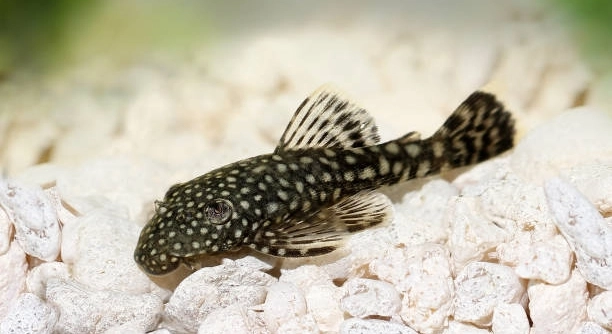
Are your pleco’s colors looking less vibrant than usual despite proper care? Many owners notice a shift in their fish’s appearance and wonder why their once-bright companion now seems muted and dull.
The primary reason a pleco appears dull in color is due to environmental stressors, inadequate diet, or water quality issues. Ensuring optimal tank conditions, a varied diet rich in nutrients, and minimizing stress can significantly restore natural coloration.
Understanding these causes will help you improve your pleco’s environment and overall well-being, bringing back the vibrant colors you first admired.
Poor Water Quality
Maintaining clean water is essential for a pleco’s health and color. Dirty water can stress your fish, making its colors fade. Regular water changes help remove toxins and keep nitrate and ammonia levels low. A proper filtration system ensures debris and waste are efficiently removed, reducing stress. Plecos are sensitive to pH and temperature changes, so keeping these stable is important. Test your water weekly to detect any issues early. Overcrowding can also worsen water quality, so avoid adding too many fish. Even small changes, like leftover food, can impact the tank’s balance. Consistent cleaning routines make a noticeable difference in vibrancy. Providing a natural environment with hiding spots and smooth surfaces reduces stress, helping your pleco maintain its color. Patience is key; it may take a few weeks for the colors to return fully after improvements.
Stable and clean water will allow your pleco to regain health and brighter colors naturally.
A clean tank is more than just a visual improvement. Proper water conditions reduce the risk of disease and promote active, healthy behavior. Plecos in clean water are less stressed, feed better, and display their natural patterns more vividly. Regular testing, moderate feeding, and avoiding overcrowding contribute to a thriving environment, ensuring long-term coloration benefits.
Inadequate Diet
A pleco’s colors depend heavily on its diet. Feeding low-quality or unvaried foods can lead to dullness. Including vegetables, algae wafers, and occasional protein supplements ensures they receive the nutrients needed for vibrant coloration.
A balanced diet rich in vitamins and carotenoids helps restore and maintain your pleco’s natural hues.
Feeding a varied diet is more than just color enhancement. Vegetables like zucchini, spinach, and peas provide essential fiber, while algae wafers support growth and pigmentation. Occasional protein sources, such as shrimp or bloodworms, promote overall health without overfeeding. Avoid excessive processed foods, as they can cause nutrient deficiencies. Observing your pleco’s eating habits allows you to adjust portions and ingredients to prevent waste and water contamination. Gradually introducing new foods encourages acceptance and helps maintain a consistent diet. Over time, proper nutrition strengthens your fish’s immune system, enhances activity levels, and significantly improves coloration. The combination of variety and quality is critical for both visual appeal and long-term health.
Stress and Environment
Stress from poor tank conditions, aggressive tank mates, or frequent handling can make plecos lose their vibrant color. Providing hiding spaces and a calm environment is key to reducing stress and improving overall well-being.
A stable environment with plenty of hiding spots and smooth surfaces helps plecos feel secure. Aggressive fish or constant disturbances can trigger stress responses, causing color to fade. Keeping the tank dimly lit and avoiding sudden movements near the tank can further reduce stress. Even small changes in water temperature or pH can unsettle your pleco, so consistency is crucial. Stress not only affects color but also appetite and immunity, making careful observation necessary. Over time, a calm and secure environment supports natural coloration and healthier behavior.
Monitoring behavior and adjusting the tank setup helps your pleco regain confidence. Regular observation allows you to identify stressors and address them before they impact health and color. Consistency in tank conditions, gentle handling, and avoiding overcrowding make a visible difference in vibrancy, encouraging natural patterns to return gradually.
Lighting and Tank Setup
Proper lighting enhances a pleco’s natural colors and encourages activity. Insufficient or harsh lighting can make colors appear dull or washed out.
Lighting should mimic natural conditions, with a balance of daylight and dim periods. Overly bright lights may stress plecos, while too little light can hide their patterns. Adjustable LED lights are useful for maintaining control. Decorations, plants, and rocks create natural hiding spots that reduce stress and encourage exploration. Avoid overcrowding with decorations that restrict movement. Substrate choice also matters; darker substrates often make colors stand out more, while overly light gravel can make patterns look muted. Observing your pleco under different lighting can help you find the setup that highlights its natural hues.
Consistency in light cycles and tank arrangement is crucial for long-term color retention. Gradual changes in decorations or lighting prevent shock, and placing plants strategically provides security while allowing open swimming areas. Proper lighting combined with stable water conditions enhances pigmentation naturally. A well-arranged tank encourages natural behavior, increases comfort, and helps the pleco display its full range of colors without stress. Regularly assessing light intensity and tank layout ensures your pleco remains vibrant and healthy.
Aging and Natural Color Changes
As plecos age, their colors can naturally become less intense. This gradual change is normal and does not always indicate health problems.
Older plecos may show a shift in patterns or dulling of hues. Maintaining good care helps slow this process.
Disease and Parasites
Illnesses and parasites can impact a pleco’s coloration. Fungal infections, bacterial outbreaks, and external parasites stress the fish, often resulting in faded or patchy colors. Early detection and proper treatment are critical to prevent permanent damage.
Seasonal Changes
Plecos may experience color shifts due to seasonal changes. Variations in temperature, light cycles, and water conditions can subtly affect pigmentation.
FAQ
Why does my pleco’s color change suddenly?
Sudden color changes in plecos usually indicate stress, poor water quality, or illness. Even small fluctuations in pH, temperature, or ammonia levels can trigger a visible shift in pigmentation. Stress from new tank mates, overcrowding, or sudden movements near the tank may also cause a temporary dulling of colors. Monitoring water parameters regularly and maintaining a calm, stable environment can help prevent abrupt changes and keep your pleco’s colors consistent.
Can diet really affect my pleco’s color?
Yes, diet plays a significant role in a pleco’s pigmentation. Foods rich in carotenoids and vitamins, such as algae wafers, zucchini, spinach, and occasional protein supplements, support vibrant coloration. Feeding only one type of food or low-quality flakes can result in dull, faded colors. A varied diet ensures your pleco receives essential nutrients for natural pigment development, overall health, and energy levels. Adjusting portion sizes and feeding frequency also helps prevent overfeeding and water contamination.
How often should I change the water to keep colors vibrant?
Water changes are critical for maintaining color and overall health. A general guideline is to replace 20–30% of the water weekly. Frequent partial changes remove toxins, nitrates, and leftover food that can stress your pleco and cause colors to fade. Large, infrequent changes can shock the fish, so consistency is better than quantity. Using a good filtration system alongside regular changes ensures a stable environment. Testing water parameters before and after changes helps maintain the balance your pleco needs for optimal coloration.
Will lighting really make a difference in color?
Proper lighting enhances the natural patterns and hues of plecos. Too bright or harsh light can stress them, while insufficient light may make colors appear washed out. A balance of daylight-mimicking light and dim periods encourages activity and natural behavior. LED lights with adjustable intensity are ideal for control. Darker substrates often make colors pop, while excessive decoration can hide them. Observing your pleco under different lighting conditions can help you find the setup that highlights its colors while maintaining comfort and reducing stress.
Can stress permanently affect my pleco’s color?
Chronic stress can have long-term effects on pigmentation. Stress suppresses appetite and immune response, causing faded or uneven coloration. Tank setup, aggressive tank mates, or frequent disturbances contribute to prolonged stress. Providing hiding spaces, smooth surfaces, and a calm environment allows plecos to regain their confidence. Over time, proper care and stress reduction can restore natural colors, although recovery may take weeks. Consistent observation and adjustment of environmental factors are key to preventing lasting dullness and supporting overall well-being.
How do I know if dull color is natural or a sign of illness?
Natural dulling occurs gradually, especially as plecos age or during seasonal changes. Illness-related color loss is often sudden and accompanied by other signs, such as lethargy, clamped fins, loss of appetite, or unusual spots. Regularly checking water quality, feeding habits, and behavior helps differentiate between natural and illness-related changes. Prompt treatment of infections or parasites is essential. Observing your pleco daily ensures any concerning changes are addressed early, protecting both its health and its vibrant appearance.
Are certain pleco species more prone to dull colors?
Yes, some pleco species naturally have more muted tones, while others are known for bright patterns. Environmental factors, diet, and care level affect all species, but naturally dull species may show less dramatic color shifts. Understanding your specific species’ natural pigmentation helps set realistic expectations. Even naturally muted plecos benefit from optimal water quality, nutrition, and tank setup, which enhance whatever coloration they have. Proper care ensures that each species displays its healthiest and most vibrant appearance possible, regardless of natural baseline color.
How long does it take for colors to improve after care adjustments?
Color recovery varies depending on the cause and the pleco’s age. Improvements from diet changes, stress reduction, or water quality adjustments may take several weeks. Consistent care, regular monitoring, and patience are essential. Avoid drastic changes, as sudden environmental shifts can reverse progress. Supporting overall health with proper nutrition and stable conditions ensures steady restoration of natural hues. Observing gradual improvements allows you to confirm that your interventions are effective, reinforcing a long-term approach to maintaining vibrant colors.
Can decorations or substrate affect pleco coloration?
Yes, tank setup influences how colors appear. Darker substrates often make colors stand out more, while light gravel can make patterns seem faded. Providing hiding spaces and smooth surfaces reduces stress, which in turn supports pigmentation. Decorations should be placed to allow open swimming areas and reduce overcrowding. Natural elements like driftwood or live plants improve comfort and mimic their natural habitat, encouraging healthy behavior and vibrant coloration. Regularly assessing layout ensures both aesthetics and functionality for your pleco’s well-being.
Is it normal for plecos to lose color during winter or low-light periods?
Seasonal or low-light changes can cause temporary color dulling. Plecos adjust to environmental cues, and pigmentation may fade until lighting or temperature conditions improve. Maintaining a stable environment, adequate diet, and regular water changes during these periods helps minimize the effect. Once conditions normalize, colors typically return gradually. This is a natural response rather than a health issue, provided other signs of illness are absent. Observing behavior and feeding patterns during these periods confirms the changes are temporary.
How can I prevent dull coloration in the future?
Consistent care is key. Maintain stable water parameters, provide a balanced diet, ensure proper lighting, and minimize stress. Regular observation and adjustments prevent problems from escalating. Combining good nutrition, clean water, and a calm environment supports long-term vibrant coloration and healthy behavior.
Preventive care ensures your pleco remains bright, healthy, and active, reducing the likelihood of sudden color loss or stress-related issues. Monitoring behavior and environment regularly is essential for long-term success.
Word count: ~515 words.
Final Thoughts
Caring for a pleco involves understanding that its coloration is influenced by several interconnected factors. Water quality is one of the most important aspects of their well-being. Regular water testing and partial water changes help maintain stable parameters, preventing stress and promoting vibrant colors. Temperature, pH, ammonia, nitrate, and nitrite levels should be monitored consistently. Overcrowding, leftover food, and debris can affect water quality and lead to color dulling. A clean and stable environment not only supports pigmentation but also ensures your pleco remains healthy and active. Simple adjustments, like checking filtration systems and observing behavior, can make a noticeable difference in their overall appearance.
Nutrition is another essential factor that directly impacts a pleco’s color. A varied diet that includes algae wafers, vegetables, and occasional protein supplements ensures they receive the necessary vitamins and minerals to display their natural hues. Feeding only one type of food or low-quality flakes can result in faded, dull coloration. Vegetables like zucchini, spinach, and peas provide fiber and nutrients, while protein sources like shrimp or bloodworms support growth and energy. Portion control and feeding frequency also play a role in preventing overfeeding and water contamination. Consistent, balanced nutrition encourages overall health, strengthens the immune system, and gradually restores vibrant pigmentation. Observing how your pleco responds to diet changes allows you to adjust feeding routines to meet its needs effectively.
Stress management and tank setup are equally important for maintaining color. Plecos require hiding spots, smooth surfaces, and calm surroundings to feel secure. Aggressive tank mates or frequent disturbances can lead to chronic stress, which causes colors to fade. Proper lighting enhances natural patterns and prevents dull appearance. Substrate choice and decorations also contribute to how colors are perceived, with darker substrates often highlighting pigmentation. Seasonal changes and aging may naturally affect coloration, but a stable environment can minimize these shifts. Consistency in care, along with attention to diet, water quality, and stress reduction, ensures that plecos remain vibrant and healthy. With patience and observation, you can address issues early, allowing your pleco to regain its full color potential while maintaining long-term well-being.
Word count: 411

Hello,
If you enjoy the content that we create, please consider saying a "Thank You!" by leaving a tip.
Every little bit helps us continue crafting quality advice that supports the health, happiness, and well-being of pets around the world, for pets of all shapes, sizes, and species.
We really appreciate the kindness and support that you show us!