
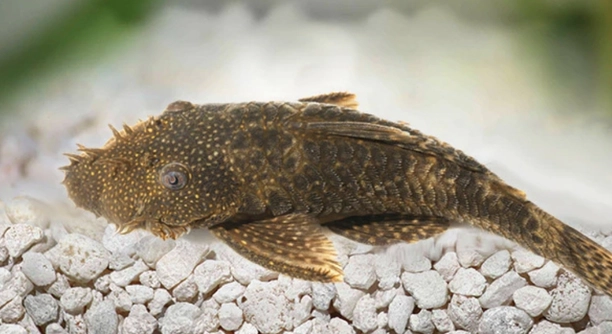
Are your plecos behaving differently in your aquarium and showing signs of increased activity? Many fish owners notice subtle changes when plecos are preparing to spawn, and recognizing these signs can make breeding more successful and stress-free.
Plecos ready to spawn exhibit distinct behavioral and physical cues. Males often become more territorial and display brighter coloration, while females develop fuller bellies. Observing changes in hiding, nesting, and interaction patterns provides clear indications of reproductive readiness.
Understanding these early indicators helps ensure proper care and environment for successful breeding. Knowing what to look for allows for timely adjustments in tank setup and maintenance.
Recognizing Male Pleco Behavior
Male plecos often show changes in their behavior before spawning. They become more territorial, patrolling caves and surfaces in the tank. You might notice them chasing other fish away or inspecting potential nesting areas. Their fins may appear larger or more vibrant, signaling health and readiness. Observing these shifts carefully helps identify which fish are ready for breeding. Paying attention to movements and interactions within the tank is essential. Males may also rub their bodies against surfaces or decorations, which is part of their preparation for mating. These actions are instinctual and indicate they are seeking a suitable site to attract a female.
Males may display brighter colors and guard specific areas, which signals imminent spawning activity.
Consistent observation of male plecos allows you to create optimal conditions for spawning. Providing caves or hollow structures encourages nesting. Water quality, temperature, and diet all affect readiness. Ensuring the male feels secure reduces stress and promotes natural behaviors. Over time, you will notice patterns in activity and territory marking, making it easier to predict spawning. Watching these behaviors closely provides insight into their health and reproductive timing.
Female Pleco Readiness
Female plecos develop fuller bellies and seem less aggressive than males. They spend more time near potential nesting sites.
The physical changes in females are crucial for breeding success. Their abdomen enlarges as eggs mature, which is easier to see in clear or well-lit tanks. Females may become more selective in interacting with males, often avoiding overly aggressive partners. Observing eating habits and energy levels also provides insight; a healthy, well-fed female is more likely to spawn successfully. Proper nutrition, including vegetables and protein-rich supplements, supports egg development. Adjusting tank conditions to maintain stable water parameters reduces stress. Providing sufficient hiding spaces ensures females feel safe during the spawning period. Tracking these signs helps determine the right time to introduce males or separate fish to encourage successful breeding. Monitoring females carefully complements the observation of males, giving a complete picture of your plecos’ readiness to reproduce.
Nesting Habits
Plecos choose specific spots for laying eggs, often in caves or under flat surfaces. Observing these preferences helps you anticipate spawning and provide suitable structures in the tank.
Providing hollow decorations or ceramic caves encourages natural nesting behavior. Males will inspect and guard these areas, sometimes cleaning the surfaces before spawning. The female will follow the male’s lead and enter the selected site when ready. Choosing locations with minimal current and consistent water conditions ensures eggs remain safe. Watching how plecos interact with these spots gives insight into their readiness and comfort level, making spawning more predictable and less stressful for the fish.
Monitoring nesting behavior allows you to intervene only when necessary. Adjusting tank conditions, such as temperature or water flow, can make the environment more suitable. Keeping an eye on how often fish enter or leave their chosen site indicates the timing for spawning. Properly observing these behaviors reduces surprises and ensures eggs are laid in a secure, well-maintained location.
Increased Activity Levels
Plecos become noticeably more active when preparing to spawn. Males patrol territories, and females explore nesting areas.
Activity patterns often change subtly at first, then become more consistent. Males may chase rivals more frequently, while females swim along cave edges or hover near potential spawning surfaces. Feeding times may show heightened energy levels, and both sexes appear more alert. These behaviors indicate readiness for reproduction, signaling that environmental conditions are appropriate. Increased activity also helps establish dominance and courtship routines. Observing these patterns over several days confirms reproductive readiness. Ensuring water quality, diet, and habitat stability supports these behaviors, making spawning more successful.
Heightened movement often accompanies color changes and territorial displays. Male plecos may flare fins and emphasize markings to attract females. Females respond by frequenting guarded areas and displaying subtle cues. This period of increased activity is critical for mating, as it sets the stage for courtship and egg-laying. Tracking these changes consistently helps determine the optimal timing for breeding interventions, such as introducing additional hiding spaces or adjusting tank parameters to mimic natural seasonal cues. Careful observation ensures that both sexes remain healthy and ready for successful spawning.
Physical Changes
Plecos show noticeable physical changes before spawning. Males may display brighter colors, while females develop fuller bellies. Observing these shifts helps identify reproductive readiness.
Fins can appear more extended, and males may have small bristles on their heads. These traits signal sexual maturity and preparation for breeding.
Territorial Behavior
Male plecos become highly territorial when ready to spawn. They patrol nesting sites and chase away intruders. This behavior ensures the chosen area remains secure for egg-laying. Properly observing territory patterns can indicate which males are ready to breed and how to manage tank space effectively.
Pair Bonding
Once ready, males and females start forming pairs. They spend more time near each other, often swimming in close proximity and engaging in synchronized movements. This behavior strengthens the bond needed for successful spawning and indicates the fish are prepared for reproduction.
Cleaning Surfaces
Plecos clean potential nesting surfaces before laying eggs. Males often scrape or rub surfaces to remove debris and algae. This behavior ensures a safe, clean area for eggs, which increases the chances of successful hatching and protects the offspring from infections.
FAQ
How can I tell if my pleco is male or female?
Male plecos usually have more pronounced bristles on their heads and longer pectoral fins. They tend to be slightly larger in size and more territorial. Females have rounder, fuller bellies, especially when they are preparing to spawn. Observing behavior alongside physical traits gives a clearer indication of sex.
At what age do plecos start spawning?
Most common pleco species reach reproductive maturity between 1 and 3 years, depending on diet and tank conditions. Healthier fish with proper nutrition and stable water parameters often show spawning readiness earlier. Keeping track of size and physical changes is more reliable than relying solely on age.
What tank conditions encourage spawning?
Stable water parameters, including temperature, pH, and filtration, are essential. Temperatures around 78–82°F are ideal for most species. Soft, slightly acidic water often encourages breeding. Providing caves or hollow structures mimics natural spawning sites and reduces stress. Clean water and regular partial changes support healthy reproductive behavior.
How do I know when eggs are ready to hatch?
Eggs are typically small, white or translucent, and attached to surfaces in protected areas. Over time, they may develop darker centers, signaling embryo growth. Incubation periods vary by species but usually range from 4 to 10 days. Monitoring without disturbing the nest is key for successful hatching.
Do plecos care for their eggs?
Male plecos are usually the primary caretakers, guarding the nest and fanning the eggs to provide oxygen. They remove debris and may chase away other fish. Females generally leave after laying eggs, leaving males responsible for protection. This behavior is instinctive and ensures higher survival rates for the offspring.
Can I separate the eggs or fry from adult plecos?
Yes, separating eggs or fry can prevent them from being eaten, especially in community tanks. Using a breeding box or transferring eggs to a separate nursery tank can increase survival rates. Ensure water conditions in the new tank match the main tank closely to avoid shock.
What should I feed plecos before and during spawning?
A varied diet supports health and reproductive readiness. Include vegetables, algae wafers, and protein-rich foods like bloodworms or shrimp. Feeding smaller, frequent portions maintains energy without overfeeding. Nutrient-rich diets improve egg quality and increase the likelihood of successful hatching.
How often do plecos spawn?
Frequency depends on species, age, and environmental conditions. Some species spawn multiple times a year if conditions are ideal, while others may breed only once or twice. Observing nesting behavior and monitoring water conditions helps predict future spawning events.
What signs indicate unsuccessful spawning?
Signs include eggs failing to develop color, males ignoring the nest, or eggs being eaten. Stressful conditions, poor water quality, or aggressive tank mates can interfere. Identifying and correcting these factors early increases the chances of successful reproduction.
Can plecos spawn in a community tank?
Spawning in community tanks is possible but riskier. Eggs and fry may be eaten by other fish. Providing caves and hiding spaces helps, but separating the breeding pair or using a dedicated breeding tank is usually more effective for successful hatching.
How long does it take for fry to grow?
Growth rates vary by species and diet. Fry often begin eating algae or prepared foods within a week, gradually growing over several months. Consistent feeding, clean water, and proper tank conditions ensure healthy development and increase survival rates.
Is it necessary to condition plecos before spawning?
Conditioning helps improve reproductive success. Feeding high-quality protein foods and maintaining stable water conditions for several weeks before spawning encourages healthy eggs and active, fertile males. This preparation mimics seasonal changes in the wild that trigger natural breeding behaviors.
What should I do if my plecos are not spawning?
Review water quality, diet, tank size, and hiding spaces. Stress or incompatible pairings often prevent spawning. Adjusting conditions gradually, providing proper nutrition, and ensuring the fish are healthy increases the likelihood of breeding. Patience is important, as some plecos take longer to initiate spawning.
Can I breed different pleco species together?
It is generally not recommended. Cross-species breeding can produce hybrids with unknown traits and health issues. Keeping species separate ensures predictable offspring and prevents aggression or reproductive complications. Focus on one species per breeding setup for the best results.
How do I care for pleco fry after hatching?
Provide shallow areas with gentle water flow and frequent feeding of small, nutritious foods. Monitor water quality closely, performing regular partial changes. As fry grow, gradually introduce larger food and adjust tank space to prevent overcrowding. Consistent care promotes healthy development into juvenile plecos.
Final Thoughts
Breeding plecos can feel challenging at first, but observing their behavior closely makes the process much more manageable. Each species has unique habits, and understanding these differences is key to successful spawning. Males and females display distinct physical changes and behaviors before reproducing. Paying attention to cues like territorial displays, color changes, and nesting activity allows you to anticipate when the fish are ready. By providing the right tank conditions, such as stable water parameters, suitable hiding spots, and a nutritious diet, you create an environment that encourages natural reproductive behaviors. Watching plecos interact with each other and their surroundings offers insight into their readiness and helps reduce stress, which is critical for healthy breeding.
It is important to approach pleco breeding with patience and care. Not every attempt will result in successful spawning, and that is normal. Environmental factors, individual health, and tank dynamics all influence whether plecos will reproduce at a given time. Ensuring the water is clean, well-oxygenated, and at the appropriate temperature supports their well-being and increases the likelihood of eggs being laid safely. Observing nesting habits, cleaning behaviors, and increased activity levels allows you to know when intervention is necessary, such as providing additional hiding spaces or separating eggs for protection. By taking these steps, you help the fish feel secure, which is essential for both the adults and the future fry.
Successful pleco breeding also requires ongoing attention after spawning. Eggs and fry are delicate, and proper care is crucial for their survival. Monitoring water quality and providing suitable food for growing fry ensures healthy development. As the young plecos grow, maintaining clean tank conditions and gradually increasing their diet prepares them for independent life. Keeping detailed notes of behaviors, spawning timing, and environmental adjustments can help you improve future breeding efforts. Ultimately, understanding and responding to the signs plecos display before and during spawning makes the process more predictable and rewarding. Observing, adjusting, and supporting your fish creates a healthier, more balanced aquarium where plecos can reproduce naturally and thrive.

Hello,
If you enjoy the content that we create, please consider saying a "Thank You!" by leaving a tip.
Every little bit helps us continue crafting quality advice that supports the health, happiness, and well-being of pets around the world, for pets of all shapes, sizes, and species.
We really appreciate the kindness and support that you show us!