
Do your plecos seem more active and relaxed lately? Observing their behavior can reveal how at ease they are in their tank. Comfort in fish often shows through small yet noticeable daily habits.
When plecos are comfortable, they display consistent and calm behaviors. These include resting openly, exploring without hesitation, feeding regularly, and interacting with their environment in a relaxed manner. Such actions indicate proper water conditions, adequate space, and minimal stress factors.
Recognizing these signs helps ensure your plecos remain healthy and content. Each behavior provides insight into their well-being and overall happiness in the tank.
Resting in Open Spaces
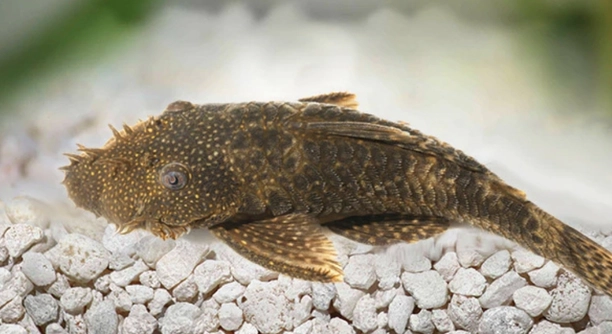
Plecos often choose a spot in the tank where they feel safe to rest when they are comfortable. Unlike stressed plecos that hide constantly, a relaxed pleco may lie openly on the substrate or cling to a smooth surface, showing they trust their environment. These resting spots are typically away from strong currents, providing stability. Observing your pleco resting calmly can give insight into their comfort level, including the temperature, pH, and cleanliness of the water. Their fins may spread gently, and breathing appears steady, not rapid or labored. Plecos are nocturnal by nature, so daytime resting in open areas signals trust. Offering hiding spots alongside open areas ensures they have choices. A healthy pleco will alternate between activity and rest without showing signs of distress, demonstrating balance in its tank routine. Watching these habits over time allows you to understand what makes your pleco feel secure and cared for in its habitat.
Open resting shows confidence and comfort in their environment, reflecting proper care and stable conditions in the tank.
Plecos resting openly also benefit physically. Constant hiding can cause stress and impact appetite, growth, and immune health. By creating a safe and calm space, you encourage natural behavior. The choice to rest in open areas is a positive sign of mental and physical well-being.
Feeding Without Hesitation
A comfortable pleco will approach food eagerly and feed calmly without hiding or hesitation. This behavior contrasts with anxious fish that may dart away or eat only under cover.
When plecos feel secure, feeding becomes predictable and relaxed. They will consume algae wafers, fresh vegetables, or sinking pellets without signs of stress. Observing this behavior confirms that water conditions, tank mates, and diet are appropriate. Consistent feeding habits indicate a healthy appetite, reflecting both comfort and proper nutrition. Feeding times may be anticipated by the pleco, showing memory and adaptation. This behavior also encourages regular tank cleaning and maintenance, as uneaten food is less likely to stress them.
Regular, stress-free feeding improves digestion and growth, keeping plecos healthy. Their willingness to eat openly demonstrates that the tank environment supports their natural instincts. Observing this behavior over weeks ensures they remain comfortable and thriving. Additionally, comfortable plecos often interact gently with tank decorations while feeding, showing curiosity without fear. Understanding these feeding patterns helps maintain a balanced diet, prevents overfeeding, and ensures the pleco’s long-term health. Predictable feeding behaviors allow owners to monitor well-being efficiently, making adjustments when necessary. Plecos that feed openly tend to develop more confidence and display other signs of comfort in the tank, creating a peaceful and natural environment.
Exploring the Tank
Plecos that feel safe will swim around the tank confidently, investigating decorations, plants, and surfaces without hesitation. This behavior shows trust in their environment and indicates minimal stress from tank mates or water conditions.
Comfortable plecos explore slowly and deliberately, often inspecting caves, driftwood, and plants. They may move along the glass or hover near surfaces, testing their surroundings. Unlike anxious plecos that stick to corners, these fish demonstrate curiosity balanced with caution. Their movements are smooth, without sudden bursts or frantic swimming, which signals proper oxygen levels and stable water parameters. Regular exploration also helps them find food naturally and maintain physical activity, which supports growth and strengthens muscles. Watching these behaviors over time allows for adjustments to tank layout, ensuring areas remain engaging yet secure.
Exploring the tank also helps plecos establish territories and routines. When multiple plecos share a space, observing interactions during exploration can indicate social comfort. Peaceful coexistence while moving freely is a clear sign of adaptation and trust, reflecting consistent care and a well-maintained habitat.
Interaction with Tank Decor
Plecos that are comfortable will interact with tank decor, rubbing against driftwood or gliding over rocks. This activity is natural and shows engagement with their environment.
Rubbing against surfaces is essential for plecos, aiding in natural scraping behavior that removes algae and stimulates the skin. Comfortable plecos will use caves and decorations to rest or hide when needed, but without constant fear or stress. They may also cling to smooth surfaces or driftwood for balance, displaying strength and coordination. This behavior reflects healthy fins, normal breathing, and adequate space. Observing consistent use of decor provides insight into their comfort, water quality, and tank layout. Adjusting placement or adding enrichment can enhance these positive behaviors.
Interaction with tank decorations also promotes mental stimulation. Plecos will often push small objects or explore crevices, which keeps them active and reduces boredom. Consistent engagement indicates trust and security, while avoidance may signal stress or improper conditions. By offering a variety of textures, surfaces, and hiding spaces, owners support both natural behaviors and overall well-being. Watching how plecos use these items allows you to refine their habitat for better comfort, encouraging confident, calm behavior throughout the tank.
Staying Close to Hiding Spots
Comfortable plecos will rest near caves or plants without appearing stressed. They balance safety with openness, showing confidence while keeping access to shelter.
This behavior indicates they trust their surroundings and feel secure. Access to hiding spots alongside open areas allows plecos to regulate their comfort and reduces stress naturally.
Gentle Fin Movement
Plecos that are relaxed often move their fins slowly and evenly. Rapid or clamped fins may indicate discomfort or poor water conditions.
Gentle fin movement demonstrates proper breathing, low stress, and overall health. Observing this helps monitor environmental stability and confirms the pleco is thriving in its habitat.
Gliding Along Surfaces
Comfortable plecos will glide smoothly over rocks, glass, and driftwood, showing they are at ease in their environment.
What does it mean when my pleco hides all the time?
If your pleco constantly hides, it may be feeling stressed or insecure. Frequent hiding can result from poor water quality, aggressive tank mates, or insufficient hiding spots. Plecos are naturally nocturnal, but excessive hiding during the day can signal that something in the tank isn’t ideal. Checking water parameters like pH, temperature, and ammonia levels is essential.
Providing multiple caves, driftwood, and shaded areas can reduce stress. When plecos have options, they feel safer and gradually spend more time exploring open areas. Observing small changes in behavior, such as slowly moving out of hiding to feed or resting openly, indicates growing comfort.
Why does my pleco scrape its body on wood and rocks?
Plecos scraping on surfaces is a natural behavior used to remove algae and dead skin. It also helps stimulate their fins and body, keeping them healthy. Comfortable plecos do this regularly and calmly, without signs of irritation or rapid movement.
Rubbing against driftwood can also provide nutritional benefits. Plecos absorb certain minerals from the wood, which helps maintain digestive and skeletal health. Observing consistent scraping without signs of injury or excessive stress is a strong indicator that your pleco feels safe and engaged in its environment.
How can I tell if my pleco is stressed?
Signs of stress include rapid breathing, clamped fins, constant hiding, erratic swimming, and loss of appetite. Stress can result from poor water quality, aggressive tank mates, sudden changes in temperature, or inadequate space.
Addressing these factors promptly is crucial. Performing water tests, providing hiding spots, and adjusting tank mates can reduce stress levels. Comfortable plecos display steady breathing, calm movements, and open resting. Monitoring their behavior daily allows you to respond quickly to environmental changes, ensuring long-term health and comfort.
Is it normal for plecos to rest in open areas?
Yes, resting in open areas is a clear sign of comfort. Plecos typically prefer hiding when stressed, so choosing an exposed spot shows they trust the environment.
Open resting also supports physical health. Fish can regulate body functions, conserve energy, and maintain normal fin movement without fear. Observing them choose these areas over time confirms that tank conditions, water quality, and social environment are favorable.
Why does my pleco explore decorations slowly?
Slow exploration is a sign of cautious confidence. Comfortable plecos investigate their surroundings while balancing curiosity and safety. They glide over surfaces, check plants, and inspect caves without rushing.
This behavior shows proper adaptation and mental stimulation. It also encourages natural activity, preventing boredom and supporting physical health. Adjusting decor placement and adding variety can further enrich their environment, keeping them engaged and content.
What feeding behaviors indicate a happy pleco?
A comfortable pleco approaches food without hesitation and eats calmly. They consume algae wafers, fresh vegetables, or pellets steadily, without darting or hiding.
Consistent, relaxed feeding reflects trust and proper nutrition. Observing predictable eating patterns also allows you to track health and adjust diet as needed. Comfortable plecos may even anticipate feeding times, showing memory and routine, which are additional signs of well-being.
Do plecos interact with each other when comfortable?
Yes, relaxed plecos often coexist peacefully. They may swim near each other, explore shared spaces, or rest in proximity without aggression.
Observing positive social behavior indicates that tank size, water conditions, and territory distribution are appropriate. Avoiding constant chasing or fighting is a good indicator that plecos feel secure in their habitat. Ensuring enough hiding spaces and enrichment helps maintain this harmony.
How often should I monitor pleco behavior?
Daily observation is best. Comfortable plecos display calm fin movement, open resting, exploration, and regular feeding. Any changes can indicate stress or health issues.
Consistent monitoring allows quick responses to water changes, illness, or aggression. Keeping a simple log of behavior and tank conditions helps track trends over time, ensuring your plecos remain relaxed, healthy, and thriving.
This FAQ section provides practical guidance on understanding and supporting plecos in their tank. Observing subtle behaviors helps maintain a comfortable and healthy environment for them.
Understanding your pleco’s behavior is essential for keeping them healthy and comfortable. Plecos communicate their well-being through small, observable actions. Open resting, smooth fin movements, and calm feeding are all indicators that they feel safe in their environment. Observing these behaviors daily allows you to notice changes quickly, which can prevent stress-related health issues. Creating a tank environment that balances hiding spots with open areas encourages natural behaviors, letting your pleco feel secure while also exploring. Regular monitoring of water conditions, temperature, and tank cleanliness ensures that the habitat remains stable, supporting both physical health and mental comfort. Plecos that feel at ease are more likely to eat consistently, grow steadily, and interact naturally with tank decorations and other inhabitants.
Providing adequate enrichment is another important factor in promoting comfort. Driftwood, rocks, caves, and plants offer physical and mental stimulation while giving plecos opportunities to rest or explore as they choose. Comfortable plecos will glide over surfaces, investigate hiding spots, and gently rub against driftwood, all of which are natural behaviors. Ensuring that the tank has multiple areas for these activities prevents territorial disputes and encourages peaceful coexistence among multiple plecos. A well-structured environment also reduces stress caused by sudden changes or inadequate space, allowing your pleco to feel confident in its surroundings. These environmental considerations, combined with proper nutrition and consistent care, create the conditions for long-term health and comfort. Observing plecos regularly and adjusting the environment when needed helps maintain a balance that supports their natural instincts and promotes positive behavior.
Finally, patience and consistency are key to understanding and supporting plecos. Each pleco has its own personality and may show comfort in slightly different ways. Some may rest in open areas more often, while others prefer spending time near hiding spots. Paying attention to these preferences and responding accordingly helps maintain a stable and stress-free environment. Comfortable plecos display predictable behaviors, such as relaxed exploration, calm feeding, and gentle interaction with tank features. Recognizing these signs and continuing to provide clean water, proper food, and enriching spaces ensures they remain healthy and content. Over time, you will develop a deeper understanding of your pleco’s needs, making it easier to support their well-being and enjoy observing their natural, confident behavior in the tank. By consistently applying these practices, your pleco can thrive, showing comfort and trust in its home.

Hello,
If you enjoy the content that we create, please consider saying a "Thank You!" by leaving a tip.
Every little bit helps us continue crafting quality advice that supports the health, happiness, and well-being of pets around the world, for pets of all shapes, sizes, and species.
We really appreciate the kindness and support that you show us!