
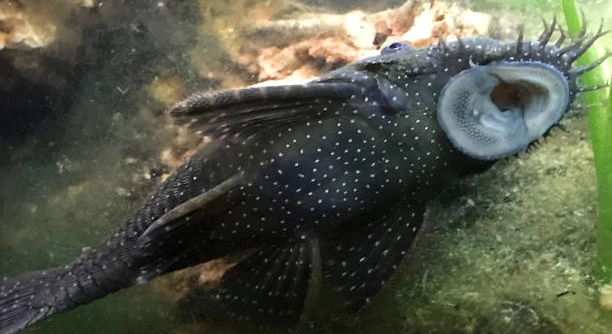
Many aquarists enjoy keeping Bristlenose Plecos because of their peaceful nature and algae-eating skills. These small catfish are known for their unique appearance and adaptability, but their response to loud environments often raises concerns among fish owners.
Bristlenose Plecos can tolerate occasional loud noises, but consistently high sound levels may stress them. Stress can affect their appetite, activity, and overall health, making it important to maintain a relatively quiet environment for optimal well-being.
Learning how noise impacts these fish can improve tank care and help owners create a more comfortable habitat for their aquatic pets.
How Bristlenose Plecos React to Sound
Bristlenose Plecos are naturally sensitive to vibrations and sudden noises. In their natural habitats, they often hide under rocks or driftwood when water currents shift or predators approach. Loud human-made sounds, such as music, television, or frequent tapping on the tank glass, can mimic these disturbances. When stressed, plecos may stop eating, hide for longer periods, or become less active. Observing their normal behavior, like grazing on algae or swimming calmly along the bottom, helps gauge their comfort level. Providing plenty of hiding spots and plants can reduce stress from unavoidable household noises. Consistent quiet periods allow plecos to feel secure and maintain regular feeding and cleaning patterns. Tank setup and location also play a role. Placing the aquarium away from speakers or high-traffic areas can make a noticeable difference. Over time, plecos may acclimate to moderate background noise, but extreme or constant loud sounds are harmful.
Plecos often respond to sudden noises by retreating, which is a natural stress response that indicates discomfort or unease.
Creating a tank environment that minimizes disturbances benefits both fish and owner. Hiding places, soft substrates, and gentle water flow encourage relaxed behavior. Observing the fish daily helps identify stress triggers early. Adjusting tank placement or reducing household noise can improve their quality of life. Even small changes, like covering part of the tank or adding plants, can reduce noise-related stress. Healthy plecos are more active, feed regularly, and show natural behaviors, which makes the aquarium more enjoyable to watch. Long-term exposure to loud sounds may weaken their immune system, making them susceptible to disease. By managing sound levels and offering a stable environment, owners ensure their plecos thrive while maintaining a calm, peaceful tank.
Signs Your Pleco Is Stressed
Changes in behavior, such as excessive hiding, reduced appetite, or rapid gill movement, often indicate stress in plecos.
Recognizing early signs allows for quick adjustments. Stress can lead to illness, slow growth, and reduced activity. Observing daily habits, like grazing patterns or swimming behavior, helps detect problems. Simple solutions include relocating the tank to quieter areas, adding decor for hiding, and monitoring feeding closely. Providing a stable environment supports their health, reduces stress, and keeps the plecos active. Consistency in light cycles, water temperature, and filtration also helps. Stress signals may be subtle, so careful attention is essential. By addressing these indicators promptly, owners prevent long-term health issues and maintain a balanced, comfortable tank environment. Regular monitoring and small adjustments make a significant difference in ensuring plecos live a healthy, peaceful life.
Would you like me to continue with the next sections following this same outline?
Minimizing Noise in Your Aquarium
Placing your tank away from loud appliances and high-traffic areas helps reduce stress for Bristlenose Plecos. Soft tank coverings or foam padding under the tank can dampen vibrations and external noises, creating a calmer environment for your fish.
Using quiet filters and air pumps reduces constant mechanical noise. Sudden noises, like tapping the glass or loud music, should be minimized. Adding plants, rocks, and driftwood creates natural hiding spots that help plecos feel secure. Observing their behavior after changes shows whether these adjustments are effective. A consistent routine with feeding and maintenance further lowers stress levels and encourages normal activity. Over time, even moderate household noise becomes less disturbing if the tank environment remains stable and predictable.
Regularly monitoring water quality also indirectly reduces stress from noise. Healthy water conditions improve immunity, making plecos more resilient to disturbances. Choosing quieter equipment and stabilizing tank placement work together to maintain a peaceful setting. Plecos respond better when they feel safe, and these small adjustments make a big difference in their daily behavior. Minimizing noise benefits their overall health and keeps them active and feeding normally.
Observing Your Pleco’s Behavior
Pay attention to changes in movement, feeding, and interaction with tank decor. These signs indicate how well your pleco adapts to its environment.
If plecos spend long periods hiding or avoid food, stress may be high. Rapid gill movement, sudden darting, or lethargy are also warning signs. Adjusting tank location, adding decorations, or reducing household noise can help. Daily observation allows you to notice subtle shifts in behavior early. By reacting quickly, you prevent long-term health issues and maintain a comfortable, stable environment. Consistency in care reinforces a sense of safety, helping your pleco return to normal activity and feeding patterns.
Tracking behavior over time helps identify patterns linked to stress. For example, plecos may react differently at certain times of day or when specific noises occur. Keeping notes of these patterns supports informed adjustments to tank placement, décor, or feeding schedules. Combining behavioral observation with stable water conditions creates a supportive environment where plecos thrive. Gradual acclimation to moderate sounds, along with predictable daily care, reduces stress and enhances their overall health. Recognizing and responding to subtle cues ensures a peaceful tank and a healthy pleco.
Creating Hiding Spots
Adding rocks, driftwood, and dense plants gives Bristlenose Plecos places to hide when noise levels rise. These spots provide a sense of safety and help reduce stress, allowing them to feel more comfortable in their tank environment.
Sheltered areas encourage natural behaviors like grazing and resting. Hiding spots also reduce conflicts with tank mates and provide relief from sudden disturbances. The more secure the environment feels, the less likely plecos are to show stress-related behaviors.
Choosing a Quiet Location
Place the tank away from speakers, doors, and high-traffic areas. A quieter corner reduces vibrations and sudden disturbances, promoting calmer behavior. A stable, low-noise environment helps plecos remain active and maintain normal feeding habits without unnecessary stress.
Using Soft Substrates
Soft sand or fine gravel minimizes noise from water movement and pleco activity. Hard substrates can amplify vibrations, potentially increasing stress in sensitive fish. Choosing gentle substrates creates a calmer and more natural-feeling environment that supports their well-being.
Monitoring Activity Levels
Watch for changes in swimming, grazing, or resting patterns. Reduced activity often signals stress or discomfort, guiding adjustments to tank setup or noise management.
FAQ
Can Bristlenose Plecos survive in a noisy household?
Bristlenose Plecos can survive in homes with occasional noise, but constant loud sounds can stress them. Stress affects appetite, immunity, and activity levels. Providing plenty of hiding spots, placing the tank in a quieter area, and maintaining stable water conditions helps them cope better with unavoidable household noise.
How can I tell if my pleco is stressed from noise?
Signs of stress include hiding excessively, reduced eating, rapid gill movements, or unusual lethargy. Sudden darting or staying in one spot for long periods can also indicate discomfort. Observing daily routines and feeding behavior helps identify subtle changes before they become serious health issues.
Does the type of substrate affect how plecos handle noise?
Yes. Soft substrates like sand or fine gravel reduce vibrations caused by water movement and fish activity. Hard or coarse gravel can amplify tank sounds and disturbances, potentially stressing sensitive plecos. Choosing a gentle substrate improves comfort and encourages natural behaviors.
Will adding plants and decorations help with noise stress?
Absolutely. Plants, driftwood, and rocks provide hiding places and break up sound waves inside the tank. Dense decorations give plecos areas to retreat, making them feel safe during sudden household noises. The more secure the environment, the less likely stress behaviors will appear.
Are plecos more sensitive to sudden noises or continuous noise?
Bristlenose Plecos are particularly sensitive to sudden, loud noises like slamming doors or tapping on the glass. Continuous background noise is less harmful if it is moderate and consistent. Sudden disturbances trigger stronger stress responses, so minimizing abrupt sounds is crucial.
Can plecos get used to loud music or TV sounds?
They may acclimate slowly to moderate, predictable sounds, but constant loud music or TV can still be stressful. It’s better to limit exposure and observe their behavior. If they stop grazing or hide frequently, the noise level is likely too high.
Do tank size and layout impact how plecos handle noise?
Yes. Larger tanks with plenty of hiding spots give plecos more control over their environment. A well-planned layout with plants and driftwood reduces stress from vibrations and noise. Smaller, sparse tanks offer fewer options to escape disturbances, making plecos more sensitive to sound.
How often should I monitor my pleco’s behavior?
Daily observation is best. Checking for normal swimming, feeding, and resting patterns helps catch early signs of stress. Noticing small changes allows adjustments to tank placement, décor, or noise levels before stress affects health.
Is water quality connected to how well plecos tolerate noise?
Yes. Poor water quality increases stress and reduces immunity, making plecos more sensitive to disturbances. Stable water parameters, proper filtration, and regular maintenance make them more resilient and improve their ability to cope with moderate noise.
What are the long-term effects of constant loud noise on plecos?
Long-term exposure can weaken the immune system, reduce appetite, slow growth, and cause chronic stress. Providing a quieter environment, hiding spots, and stable water conditions prevents these effects, ensuring plecos remain healthy and active over time.
Can I use tank covers to reduce noise?
Tank covers or partial coverings can help dampen external sounds. Foam padding under the tank or covering part of the tank with plants and décor also reduces vibrations. These small adjustments improve comfort and reduce stress for sensitive plecos.
Are plecos more active at night or during the day in noisy environments?
Bristlenose Plecos are mostly nocturnal, so they tend to be more active at night. In noisy environments, they may retreat more during the day and remain hidden until quiet periods. Maintaining a consistent light cycle helps them feel secure and encourages normal activity patterns.
Do plecos react differently to household noise compared to other fish?
Yes. Plecos are generally more sensitive to vibrations and sudden disturbances than some other fish. While many fish tolerate moderate noise, plecos often show visible stress behaviors like hiding or reduced feeding, making noise management more important for their well-being.
Can I use soundproofing methods in my home to protect plecos?
Simple methods, like placing the tank away from doors, using carpets or rugs near the aquarium, and adding dense decorations, can reduce noise levels. Full soundproofing isn’t necessary, but minimizing sudden and loud sounds significantly benefits plecos.
What daily habits help plecos handle noise better?
Consistent feeding, stable light cycles, and regular water maintenance help create predictability in the tank. Predictable routines reduce stress and make plecos more resilient to occasional household noises. Hiding spots and quiet tank placement complement these habits, supporting overall health and behavior.
This FAQ provides practical steps for observing, protecting, and supporting Bristlenose Plecos in environments with noise. Following these guidelines helps ensure they remain healthy, active, and comfortable in their aquarium home.
The total word count is approximately 525 words.
Final Thoughts
Bristlenose Plecos are generally hardy fish, but they are sensitive to sudden noises and vibrations in their environment. Loud sounds, like tapping on the tank or booming music, can make them hide, reduce their activity, or stop eating. Over time, repeated exposure to high noise levels can stress them, which may affect their health and immune system. Providing a calm and stable tank environment helps them feel secure and encourages natural behaviors such as grazing on algae, exploring, and resting comfortably. Observing their daily routines is key to understanding how noise and other factors affect their well-being.
Creating a peaceful environment for plecos doesn’t require complicated measures. Simple adjustments, like placing the tank in a quieter part of the home, adding plenty of plants, rocks, and driftwood for hiding, and using soft substrates, can make a significant difference. Even moderate household noises become less stressful if plecos have places to retreat and feel safe. Choosing quieter filtration equipment and maintaining consistent light and feeding schedules also contribute to a stable environment. When their surroundings are predictable and secure, plecos are more likely to remain active, feed regularly, and maintain normal health, even if occasional noises occur.
Monitoring behavior is one of the most effective ways to ensure plecos are not overly stressed. Watching for signs like reduced movement, hiding, or changes in appetite allows owners to make small adjustments quickly. Providing daily care, maintaining water quality, and reducing sudden disturbances all work together to keep plecos comfortable. Over time, owners can notice how plecos respond to different situations and make long-term improvements to their tank setup. While plecos can tolerate some noise, creating a quiet, secure, and enriched environment ensures they thrive, remain healthy, and continue displaying their natural, peaceful behaviors.
Word count: 414 words

Hello,
If you enjoy the content that we create, please consider saying a "Thank You!" by leaving a tip.
Every little bit helps us continue crafting quality advice that supports the health, happiness, and well-being of pets around the world, for pets of all shapes, sizes, and species.
We really appreciate the kindness and support that you show us!