
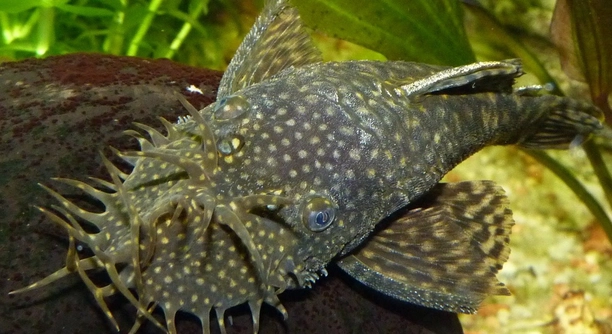
Is your pleco suddenly ignoring the foods it once loved? Changes in behavior can be confusing, especially when your fish seems healthy but refuses its favorite meals. Understanding these shifts can help maintain a happy, thriving aquarium environment.
A pleco avoiding its favorite food is often linked to environmental stressors, illness, or dietary imbalances. Changes in water quality, temperature fluctuations, or underlying health issues can alter appetite, leading to temporary or prolonged food aversion.
Identifying the cause early ensures your pleco returns to healthy eating habits and overall well-being in its aquatic habitat.
Common Reasons Plecos Refuse Food
Plecos can stop eating for several reasons, many of which relate to changes in their environment or health. Poor water quality, including high ammonia or nitrite levels, can stress fish and reduce appetite. Temperature changes can also affect feeding, as plecos are sensitive to water that is too cold or too warm. Another factor is diet. Even if a food was previously loved, it may no longer meet the fish’s nutritional needs. Illness is another possibility. Signs like lethargy, unusual swimming patterns, or visible spots may indicate a health issue. Stress from overcrowding or aggressive tank mates can also cause food avoidance. Observing behavior carefully and making gradual adjustments often helps. Consistency in feeding schedules and maintaining clean, stable water conditions are key. Introducing variety in food types, such as algae wafers, fresh vegetables, and occasional protein, can encourage eating. Monitoring changes daily ensures quick responses if problems arise.
Tracking water parameters and observing behavior closely allows for timely adjustments to prevent long-term health problems.
Gradually adjusting diet and environment often restores appetite. If the fish continues to avoid food, consulting a veterinarian experienced with aquatic species can provide targeted solutions. Sometimes, minor changes in tank setup or feeding routine make a significant difference. Patience and observation are essential.
How to Encourage Your Pleco to Eat
Offering a mix of fresh vegetables and algae-based foods can stimulate feeding. Leafy greens, zucchini, and cucumber are often appealing. Small portions prevent spoilage, and removing uneaten food keeps water clean. Rotating foods occasionally helps maintain interest.
Consistency is crucial when encouraging eating. Feeding at the same time each day and creating a calm environment reduces stress and improves appetite. Observing which foods your pleco prefers can guide adjustments. Removing aggressive tank mates or providing hiding spaces can also make the fish feel secure enough to eat. Sometimes, soaking foods in a little tank water can enhance aroma and texture, making it more inviting. Gradual introduction of new foods ensures the pleco adapts without refusing meals. Monitoring appetite and behavior over several days helps identify effective strategies. Combining environmental adjustments with dietary variety increases the chances of restoring regular feeding. Overall, a structured approach focused on stability, nutrition, and observation supports the health and well-being of your pleco.
Adjusting Water Conditions
Maintaining stable water parameters is essential for plecos to eat consistently. Sudden changes in pH, temperature, or hardness can stress them, causing food avoidance. Regular testing and small, gradual adjustments help keep your fish comfortable and willing to feed.
Monitoring ammonia, nitrite, and nitrate levels is critical. High readings can harm a pleco’s appetite and overall health. Using a reliable test kit and performing partial water changes when necessary keeps levels safe. Temperature should remain within the recommended range for your pleco species. Avoid rapid shifts, which can lead to stress or illness. Consistent filtration, aeration, and clean substrate also support a healthy environment that encourages eating. Small, incremental improvements often restore appetite faster than major overhauls.
Adding hiding spots and reducing stressors enhances the fish’s sense of security. Plecos feel more confident feeding when they have areas to retreat. Avoid overstocking the tank, as crowded conditions create competition and tension. Observing how your pleco reacts to these changes can guide further adjustments. Gradual improvements to water quality, tank layout, and feeding routines collectively improve appetite and overall well-being.
Recognizing Health Issues
Changes in eating behavior often indicate underlying health problems. Plecos that refuse food may show additional symptoms like lethargy, clamped fins, or unusual swimming patterns. Early recognition allows for timely intervention.
Identifying common illnesses is important. Bacterial infections, parasites, and internal issues can reduce appetite. Close observation of color, behavior, and physical condition helps detect problems early. Quarantining affected fish prevents the spread of disease, and consulting a veterinarian ensures proper treatment. Nutrition also plays a role; deficiencies may lead to food avoidance. Treating both environmental and dietary factors often improves recovery. Keeping a record of feeding habits and any physical changes allows you to track progress and adjust care accordingly.
Routine health checks support long-term well-being. Removing uneaten food, maintaining clean water, and observing interactions with tank mates prevent secondary complications. Preventative measures, such as avoiding sudden temperature drops and providing a balanced diet, reduce stress and vulnerability to illness. Prompt attention to even subtle signs of distress can prevent more serious issues, helping your pleco return to regular feeding habits more quickly. Consistent monitoring combined with proper care creates a stable environment that promotes health and appetite.
Dietary Variety
Offering a variety of foods helps prevent plecos from losing interest. Fresh vegetables, algae wafers, and occasional protein sources provide balanced nutrition and keep meals appealing. Small portions ensure nothing goes to waste.
Rotating food types gradually maintains appetite. Plecos often respond well to changes in texture and flavor, which encourages consistent eating habits and overall health.
Feeding Schedule
Establishing a regular feeding schedule supports consistent appetite. Feeding at the same time each day helps plecos anticipate meals and reduces stress. Observation is key to adjusting portion sizes and ensuring all fish receive adequate nutrition.
Tank Companions
Aggressive or overly active tank mates can intimidate plecos, discouraging them from eating. Ensuring peaceful companions and sufficient hiding spaces allows the pleco to feed comfortably and without stress.
Monitoring Behavior
Regularly watching your pleco’s behavior can reveal subtle signs of stress or illness. Changes in activity, swimming patterns, or appetite indicate when intervention is needed to maintain health and encourage feeding.
FAQ
Why is my pleco ignoring food even though the water looks fine?
Even if the water appears clear, small fluctuations in pH, ammonia, or nitrate levels can stress your pleco. Stress often reduces appetite. Temperature changes or sudden light adjustments may also affect feeding. Monitoring water conditions regularly and making gradual adjustments helps restore appetite.
Can illness cause my pleco to refuse its favorite food?
Yes, illness is a common reason for food avoidance. Signs include lethargy, clamped fins, discoloration, or unusual swimming patterns. Internal parasites, bacterial infections, or digestive issues can reduce appetite. Quarantining the fish and consulting a veterinarian experienced with aquatic species often helps identify and treat problems.
Could stress from tank mates affect feeding?
Aggressive or active tank mates can intimidate plecos, preventing them from feeding. Overcrowding also increases competition and stress. Providing hiding spaces, separating aggressive fish, and reducing tank density creates a calmer environment that encourages regular feeding and reduces anxiety-related food refusal.
Does diet variety matter for plecos?
Yes, a varied diet prevents boredom and ensures nutritional balance. Fresh vegetables like zucchini, cucumber, and leafy greens, combined with algae wafers and occasional protein, keep meals appealing. Gradually introducing new foods encourages eating without causing digestive upset or rejection.
How often should I feed my pleco?
Plecos typically eat once a day, often in the evening when they are more active. Small, consistent portions prevent uneaten food from fouling the tank. Observing how much the pleco consumes allows you to adjust the amount, reducing waste and keeping the tank clean.
Can water temperature affect appetite?
Yes, plecos are sensitive to temperature fluctuations. Water that is too cold slows metabolism and reduces appetite, while water that is too warm can increase stress and cause illness. Maintaining a stable temperature within the species’ recommended range supports healthy feeding habits.
Is hiding behavior normal, and can it affect eating?
Hiding is natural, but excessive hiding may indicate stress. Plecos need a sense of security to eat comfortably. Providing caves, driftwood, and plants allows them to feel safe and encourages regular feeding without interference from tank mates or environmental stressors.
How long can a pleco go without eating?
Healthy adult plecos can survive for one to two weeks without food, but prolonged fasting can lead to health issues. Young or sick plecos are more vulnerable. Monitoring appetite, behavior, and body condition is essential to ensure long-term health.
Can changes in light affect feeding behavior?
Yes, plecos are nocturnal and prefer dim lighting during feeding. Bright lights or sudden changes in lighting can reduce appetite. Adjusting the lighting schedule to mimic natural conditions encourages feeding and reduces stress-related avoidance.
What should I do if my pleco refuses all types of food?
If your pleco avoids all foods, check water quality, temperature, and stress factors. Observe for illness and provide hiding spaces. Consulting a veterinarian may be necessary for diagnosis and treatment. Gradual dietary changes and environmental adjustments often help restore appetite.
Does overfeeding affect interest in favorite foods?
Yes, overfeeding can cause plecos to lose interest in preferred foods. Excess food reduces hunger and can foul the tank. Feeding small, controlled portions ensures the pleco remains interested in its meals while maintaining water quality.
Can seasonal changes impact appetite?
Seasonal changes may alter water temperature, lighting, and natural behavior, which can affect feeding. Monitoring conditions and adjusting feeding routines during transitions ensures plecos continue eating and remain healthy throughout the year.
Are supplements necessary for plecos avoiding food?
Supplements can help if the pleco is missing specific nutrients, but only after confirming a dietary deficiency. Providing a balanced diet with vegetables, algae, and protein usually meets nutritional needs. Use supplements cautiously and as a supportive measure, not a replacement for proper feeding habits.
How can I tell if my pleco is stressed?
Signs of stress include hiding excessively, erratic swimming, color changes, clamped fins, and reduced appetite. Addressing water quality, tank mates, diet, and environmental enrichment reduces stress and encourages regular feeding. Regular observation is key to early intervention and prevention of health issues.
What is the best way to reintroduce favorite foods?
Offer small portions at consistent times in a calm environment. Removing uneaten food after a short period prevents spoilage and encourages eating. Gradually reintroducing favorite foods, combined with stable water conditions and reduced stress, increases the chances of the pleco resuming normal feeding patterns.
How long does it take for a pleco to start eating again after refusing food?
The timeframe varies depending on the cause. Environmental improvements, stress reduction, or treatment for illness can restore appetite within a few days to a week. Consistency in water quality, diet, and tank conditions supports a quicker return to normal feeding behavior.
Can age affect feeding habits?
Yes, older plecos may eat less or prefer softer foods. Adjusting diet consistency, portion sizes, and feeding schedules accommodates age-related changes while maintaining nutrition and interest in food. Monitoring overall health ensures age-related changes do not lead to malnutrition.
Should I change feeding locations in the tank?
Yes, placing food in quiet, low-traffic areas helps plecos feed without stress. Moving food away from aggressive fish or strong currents allows easier access, encourages regular feeding, and reduces competition that may cause food avoidance.
Can diseases spread from other fish to affect my pleco’s appetite?
Yes, contagious diseases like parasites or bacterial infections can reduce appetite. Quarantining new fish, maintaining water hygiene, and monitoring behavior prevent disease transmission. Early detection and treatment help restore feeding habits and overall health.
Are there behavioral signs before a pleco refuses food completely?
Yes, subtle signs include nibbling less, inspecting food without eating, or spending more time hiding. Noticing these early allows you to adjust environment, diet, or care routines before complete food refusal occurs, improving recovery and preventing long-term issues.
Final Thoughts
Understanding why a pleco avoids its favorite food requires careful observation and attention to detail. Many factors can influence feeding behavior, including water quality, temperature, stress, and illness. Even when water appears clean and the fish seems healthy, subtle changes in pH, ammonia, nitrate levels, or temperature can cause appetite loss. Maintaining stable conditions is essential. Consistent water testing, gradual adjustments, and regular partial water changes help create an environment where your pleco feels comfortable eating. Small improvements over time often yield better results than drastic changes, as sudden adjustments can increase stress and worsen appetite issues.
Diet is another key aspect to consider. Plecos thrive on a variety of foods, including fresh vegetables, algae wafers, and occasional protein sources. Even favorite foods may be refused if the diet lacks balance or if the fish becomes bored with the same options. Rotating foods gradually, offering small portions, and observing preferences encourages consistent feeding. Providing high-quality nutrition helps maintain overall health and energy levels. Age and size may also influence appetite, with older or larger plecos sometimes requiring softer or differently prepared foods. Paying attention to the texture and variety of offerings can make a noticeable difference in encouraging regular feeding.
Behavior and environment play important roles as well. Stress from aggressive tank mates, overcrowding, or insufficient hiding spaces can discourage a pleco from eating. Creating a calm, secure environment allows the fish to feed comfortably. Observing behavior regularly, noting changes in swimming patterns, hiding tendencies, and interaction with other fish, helps identify problems early. Signs of illness, such as lethargy, clamped fins, discoloration, or abnormal swimming, should be addressed promptly, often with the guidance of a veterinarian experienced in aquatic species. Combining proper water conditions, a varied diet, and a stress-free environment supports your pleco’s long-term health, encourages regular feeding, and ensures a thriving, active fish in the aquarium.

Hello,
If you enjoy the content that we create, please consider saying a "Thank You!" by leaving a tip.
Every little bit helps us continue crafting quality advice that supports the health, happiness, and well-being of pets around the world, for pets of all shapes, sizes, and species.
We really appreciate the kindness and support that you show us!