
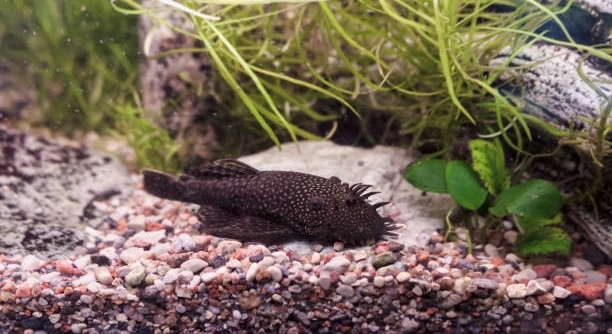
Do your plecos seem hesitant to use the shelter you provide in their tank? Observing them avoid hiding spots can be confusing, especially when you expect them to feel safe and comfortable. Understanding their behavior is key.
Plecos may refuse shelter due to factors such as tank size, water quality, lighting, stress, incompatible tank mates, lack of suitable hiding material, or the shelter’s placement. Identifying and correcting these conditions can encourage normal hiding behavior.
Recognizing these factors can improve your pleco’s comfort and security in the tank. Simple adjustments often lead to healthier, happier fish over time.
Tank Size and Space Issues
A pleco’s tank size can directly impact its willingness to use shelter. Smaller tanks may feel cramped, making hiding spots less appealing or accessible. Overcrowded conditions often increase stress, and plecos may avoid shelters if they feel trapped or exposed. A tank that is too small limits natural movement, and plecos may associate hiding spots with danger rather than security. Even in a medium-sized tank, poor layout can reduce usable space around shelters. Positioning shelters in corners or against walls can create a sense of safety, allowing plecos to feel protected. Additionally, plecos enjoy a variety of areas to explore and rest. Multiple hiding spots at different locations and depths help accommodate territorial behavior and reduce stress. Maintaining enough open swimming space alongside shelters encourages more natural activity patterns. Observing how your pleco moves around the tank and interacts with its environment can indicate whether size or arrangement is affecting shelter use.
Providing more room and thoughtful placement improves your pleco’s comfort and makes hiding behavior more natural.
Tank size influences how safe plecos feel. Shelters must be accessible, well-positioned, and leave enough swimming space to encourage use.
Water Quality and Conditions
Water quality is essential for plecos to feel comfortable using shelter. Poor water conditions, such as high ammonia, nitrite, or nitrate levels, can stress fish and make them avoid hiding spots. Temperature fluctuations and incorrect pH levels also play a significant role in behavior. Plecos are sensitive to environmental changes, and even minor inconsistencies can affect their willingness to rest in shelters. Maintaining stable water parameters ensures that plecos associate shelters with safety rather than discomfort. Regular water changes, proper filtration, and monitoring of chemical levels are necessary steps. Additionally, clean water reduces the risk of disease, which may also prevent plecos from seeking shelter. Decorations, substrate, and hiding materials must be free from harmful substances or debris. Keeping water well-oxygenated and balanced allows plecos to feel secure when entering their shelter. Observing behavior changes after adjusting water conditions can reveal the specific factors discouraging shelter use and guide effective improvements.
Correct water conditions are critical. Even slight imbalances can make shelters unappealing, stressing plecos and reducing their natural hiding behavior.
Lighting and Tank Environment
Excessive light can make plecos feel exposed, causing them to avoid shelters. Bright or direct lighting may stress nocturnal fish and reduce their sense of safety, while dimmer, evenly distributed light encourages natural hiding behavior.
Plecos are nocturnal by nature, preferring low-light conditions for resting and exploring. Bright overhead lights or tanks placed in direct sunlight can create discomfort, leading them to ignore shelters. Adjusting the lighting schedule or providing shaded areas within the tank allows plecos to feel secure. Including floating plants or strategically placed decorations can diffuse light, creating more appealing hiding spots. These adjustments often improve activity patterns and encourage plecos to use shelters consistently. Over time, observing their behavior under adjusted lighting confirms the positive impact of these changes.
Shelter placement is also affected by environmental cues. Plecos prefer spots away from open swimming areas where they can retreat without feeling threatened. Combining proper lighting with thoughtful arrangement enhances their comfort, making shelters a natural part of their daily routine. Consistency and observation are key in creating an environment that plecos accept readily.
Stress and Tank Mates
Stress from other fish can prevent plecos from using their shelter. Aggressive or overly active tank mates may intimidate them, making hiding spots feel unsafe or unreachable.
Territorial behavior from tank mates can significantly impact pleco behavior. If other fish frequently invade hiding areas or chase the pleco, it may stop using the shelter entirely. Overcrowding increases stress levels, causing avoidance of specific areas. Plecos need quiet zones where they can retreat without interference. Properly spacing shelters and providing multiple hiding options reduces conflicts. Selecting compatible species and monitoring interactions ensures plecos feel secure. Even subtle signs of stress, such as erratic swimming or reduced feeding, indicate the need for environmental adjustments.
Plecos are sensitive to social dynamics in the tank. Ensuring sufficient personal space and compatible companions is essential for their well-being. Observing interactions and adjusting tank layout or fish selection improves shelter use. Stress reduction enhances health, encourages natural behavior, and supports long-term comfort in the aquatic environment. Consistent monitoring and small environmental modifications often produce noticeable improvements.
Shelter Material and Texture
Plecos often prefer shelters made of natural materials like driftwood or smooth rocks. Rough, sharp, or artificial surfaces can deter them from entering and make the space uncomfortable or unsafe.
The feel of the shelter matters. Soft or natural textures mimic the pleco’s natural habitat, encouraging use. Avoid plastics or abrasive materials that could injure fins or scales. Proper material selection promotes regular hiding behavior and reduces stress.
Placement of Shelter
Shelters should be placed in quiet areas of the tank, away from high-traffic zones. Corners and edges are often preferred because they offer a sense of security and protection from open water exposure.
Lack of Suitable Hiding Spots
Even if a shelter exists, plecos may avoid it if it is too small or poorly shaped. Properly sized, spacious shelters allow them to rest comfortably, encouraging consistent use.
FAQ
Why does my pleco ignore its shelter even though the tank looks perfect?
Even in a well-maintained tank, plecos can avoid shelters if subtle environmental factors are off. Lighting might be too bright, water flow too strong, or the shelter placed in an exposed area. Plecos respond to security cues more than aesthetics. Adjusting placement, shading, and water movement often improves shelter use.
Can the type of material affect my pleco’s willingness to hide?
Yes. Plecos prefer natural textures like driftwood, smooth rocks, or ceramic with soft edges. Plastic or rough surfaces may feel unsafe. Providing multiple types of natural shelters increases the chances they will find one they like.
How many hiding spots should I provide in a tank?
Multiple shelters are ideal, especially in tanks with several fish. At least two to three hiding areas allow plecos to choose based on comfort and territorial needs. A single shelter can lead to avoidance if other fish dominate or disturb it.
Could stress from tank mates prevent shelter use?
Absolutely. Aggressive or overly active fish can intimidate plecos. Shelters may feel unsafe if they are constantly invaded. Providing quiet zones and monitoring fish interactions ensures plecos have secure areas for retreat.
Does water quality influence hiding behavior?
Yes. High ammonia, nitrite, or nitrate levels can stress plecos, making shelters unappealing. Temperature and pH fluctuations also impact comfort. Stable, clean water encourages normal resting behavior and consistent use of shelters.
Is tank size a factor in shelter avoidance?
Tank size plays a role. Small or overcrowded tanks can make shelters feel cramped or exposed. Proper spacing and adequate swimming room allow plecos to feel secure, encouraging shelter use. Larger tanks also make multiple hiding spots more accessible.
Can lighting schedules affect pleco activity?
Yes. Plecos are nocturnal and prefer dim lighting. Bright overhead lights or direct sunlight can make shelters less attractive. Using low or diffused lighting and creating shaded areas promotes natural behavior and shelter use.
Why does my pleco prefer some shelters over others?
Plecos may select shelters based on location, size, and material. Corners, edges, and shaded spots are often favored. Offering options helps them find a preferred space, reducing stress and promoting regular hiding behavior.
Will adding plants help my pleco feel safe in its shelter?
Plants create cover and diffuse light, enhancing the sense of security. Floating or tall plants near shelters mimic natural environments, encouraging plecos to rest inside. Combining plants with well-positioned shelters supports their comfort.
How can I tell if my pleco is stressed or uncomfortable with its shelter?
Signs include avoiding the shelter entirely, hiding in open water, erratic swimming, or reduced feeding. Monitoring behavior after adjusting environment, lighting, or tank mates helps determine if changes improve comfort.
Can plecos adapt to new shelters over time?
Yes. Plecos may need days or weeks to explore and accept a new shelter. Gradually introducing materials, placing them in preferred areas, and maintaining stable tank conditions promotes adaptation and regular use.
Are there specific shelter designs plecos prefer?
Plecos generally favor caves, hollow logs, or curved structures that provide a tight, enclosed space. Open-top shelters or irregular shapes may be ignored. Providing natural, secure shapes increases the likelihood they will use them consistently.
Should I move the shelter if my pleco isn’t using it?
Relocation can help. Moving it to a quiet corner or near natural cover often increases use. Avoid frequent changes, as plecos may feel insecure with constant rearrangement. Observe their reactions and adjust gradually.
Does diet affect shelter behavior?
Indirectly. Hungry plecos may roam more, delaying shelter use. A balanced diet with enough algae, vegetables, and occasional protein ensures they feel secure enough to rest inside shelters. Proper feeding routines support natural hiding patterns.
Can juvenile plecos behave differently from adults regarding shelter?
Yes. Younger plecos are often more cautious and may explore less. Adults may be territorial and prefer larger or specific shelters. Adjusting shelter size and quantity according to age ensures comfort for all growth stages.
What if my pleco refuses every shelter I provide?
Persistent refusal may indicate stress, poor water quality, or unsuitable tank conditions. Assess tank environment, tank mates, water parameters, and shelter design. Gradual improvements in these areas usually result in increased shelter use.
How long does it take for plecos to start using a new shelter?
It can take several days to weeks. Plecos explore slowly, and patience is necessary. Observing behavior and ensuring a stable, comfortable environment encourages eventual acceptance.
Can water flow near the shelter affect usage?
Strong currents may make plecos avoid shelters. Plecos prefer calm areas for resting. Adjusting flow or placing shelters in low-current zones increases comfort and regular use.
Do plecos ever share shelters?
Some may tolerate sharing if space is sufficient, while others are territorial. Multiple hiding spots prevent conflicts and allow each fish its own secure area.
Are night-time observations important for shelter behavior?
Yes. Plecos are more active at night and may use shelters differently than during the day. Observing them under low-light conditions provides accurate insight into their preferences.
Final Thoughts
Plecos are unique fish that rely heavily on their environment to feel secure and comfortable. Their use of shelters is influenced by many subtle factors that may not be immediately obvious. Tank size, water quality, lighting, stress, and shelter placement all play a role in their behavior. Observing your pleco closely can reveal patterns and preferences that help you adjust the tank setup. Even small changes, like moving a shelter to a quieter corner or adding a piece of driftwood, can have a noticeable impact. Plecos are sensitive to their surroundings, and they respond to cues that indicate safety. Providing them with multiple options for hiding and resting allows them to choose what feels best, reducing stress and promoting natural behavior. By paying attention to these details, you create an environment that supports their physical and emotional well-being.
Consistency is essential when maintaining a tank for plecos. Water parameters should be monitored regularly, including temperature, pH, and ammonia, nitrite, and nitrate levels. Fluctuations or poor conditions can make shelters less appealing and cause stress, even if other factors seem ideal. Lighting should be adjusted to mimic natural conditions, giving plecos areas with lower light where they can rest undisturbed. Tank mates should be chosen carefully, with attention to temperament and territorial behavior, ensuring the pleco has secure spaces free from harassment. Even the type of shelter material matters; smooth surfaces and natural textures like driftwood or rocks are usually preferred over artificial or abrasive options. Combining these elements thoughtfully creates an environment where plecos can explore, hide, and rest comfortably, making shelters a valued part of their habitat.
Finally, patience is important when encouraging shelter use. Some plecos take time to adjust to new tanks or new hiding spots, and forcing them into shelters is never effective. Observing their behavior over days and weeks provides insight into what works and what does not. Gradual improvements in the tank, including rearranging shelters, adding plants, or adjusting lighting, can lead to more consistent shelter use. Understanding your pleco’s needs helps reduce stress and supports overall health, ensuring they thrive in captivity. By providing proper care and attention to their environment, you create a space where plecos feel safe and secure, naturally encouraging them to use the shelters you provide.

Hello,
If you enjoy the content that we create, please consider saying a "Thank You!" by leaving a tip.
Every little bit helps us continue crafting quality advice that supports the health, happiness, and well-being of pets around the world, for pets of all shapes, sizes, and species.
We really appreciate the kindness and support that you show us!