
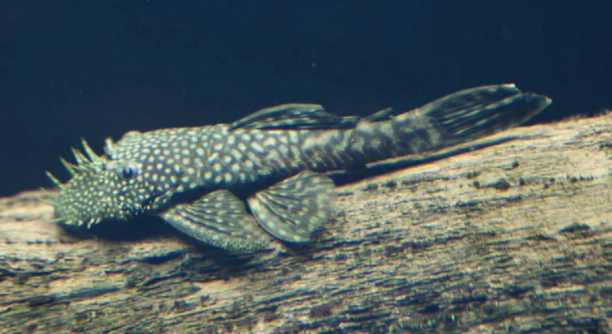
Are your plecos thriving in their tank, but you notice algae and waste starting to build up? Maintaining a clean environment is essential for their health and comfort. Regular care can keep them active and happy.
Cleaning a pleco tank requires careful planning to ensure the fish remain unharmed. Using gentle water changes, siphoning debris, monitoring water parameters, and avoiding harsh chemicals helps maintain a safe and balanced aquatic environment. Proper filtration and substrate care are also critical.
Keeping the tank in top condition benefits both the fish and the overall aquarium. These methods make tank maintenance simpler and more effective.
Gentle Water Changes
Performing regular water changes is one of the simplest ways to keep your pleco’s tank clean. Replacing 20–30% of the water weekly helps reduce toxins like ammonia and nitrites. Using a dechlorinator ensures tap water is safe for the fish. Smaller, frequent changes are less stressful than large, occasional ones. Monitoring water temperature during changes is important to avoid shocking the fish. This method also helps maintain stable pH and hardness levels. When siphoning water, be careful not to disturb your pleco too much, as they can be sensitive to sudden movement. Removing water slowly allows debris to be collected without stressing the tank’s balance. Over time, consistent water changes prevent algae overgrowth and minimize odors. Even with a good filter, water changes remain essential. By incorporating this practice into your routine, you maintain a healthier and more comfortable environment for your pleco to thrive.
Water changes keep tanks balanced and reduce harmful buildup. Regular maintenance ensures a safe, clean habitat for plecos.
Small adjustments during each water change can prevent stress. Proper tools like siphons and buckets make the process efficient and manageable without harming the fish.
Siphoning Debris
Using a siphon to remove leftover food and waste is essential for tank cleanliness. This prevents detritus from settling into the substrate and producing harmful chemicals. Regular siphoning keeps the tank visually clean and reduces the risk of water quality spikes. Focus on areas where plecos tend to hide, as debris often accumulates there. Siphoning can be done alongside water changes for efficiency. Ensure the suction isn’t too strong to avoid disturbing your pleco or suctioning them accidentally. Collecting debris before it breaks down maintains the balance of beneficial bacteria. A clean substrate allows your pleco to forage safely without ingesting excess waste. Over time, this practice minimizes algae growth and keeps decorations and plants in better condition. Consistency is key; even a quick siphon weekly prevents larger problems. Pairing this method with water changes creates a reliable maintenance routine that supports long-term tank health.
Siphoning targets hidden waste and reduces chemical buildup in the tank. It works alongside water changes to maintain a healthy environment.
With the right technique, siphoning becomes simple and effective. Start at the edges and move toward the center, carefully lifting debris. This helps maintain a balanced ecosystem, prevents ammonia spikes, and ensures your pleco enjoys a cleaner habitat. Regular attention keeps both the fish and the tank in optimal condition, minimizing stress for all aquatic life.
Filter Maintenance
A clean filter is crucial for pleco health. Regularly rinsing filter media in tank water prevents buildup without killing beneficial bacteria. Replace worn components as needed to maintain proper water flow.
Cleaning the filter prevents harmful chemical spikes and keeps the tank balanced. Debris trapped in the filter can degrade water quality, affecting your pleco’s well-being. Using tank water instead of tap water preserves beneficial bacteria that aid in breaking down waste naturally. Check the filter weekly for clogs or slow flow. If left unmaintained, filters can become inefficient, leading to cloudy water or odor issues. Proper filter care reduces long-term maintenance and ensures a safe environment.
Filters play a dual role, removing debris and supporting bacterial growth. Maintaining them protects the ecosystem and keeps plecos healthy. When you monitor the filter regularly, you avoid sudden water problems and provide a steady, clean habitat. Investing a few minutes in weekly care prevents major issues and helps your pleco thrive consistently.
Substrate Cleaning
Gravel and sand should be gently cleaned to remove waste and leftover food. Siphons or small scoops work well for this task.
Substrate cleaning reduces toxins and prevents odor buildup. Waste trapped in the substrate can decay, producing ammonia that stresses plecos. Performing partial substrate cleaning during water changes ensures the tank remains balanced. Focus on areas where plecos rest or forage, as debris often accumulates there. Avoid over-disturbing plants or decorations while cleaning. This process also helps identify uneaten food before it causes water quality issues. Regular attention keeps the tank healthy and visually appealing, supporting your pleco’s activity and comfort.
Cleaning the substrate prevents harmful buildup and keeps the tank safe. Consistent maintenance supports a healthy environment for plecos, making tank care easier overall.
Algae Scraping
Algae can quickly cover tank surfaces, decorations, and glass. Regular scraping prevents buildup and keeps the tank visually clean. Using a soft scraper avoids scratching the glass or disturbing your pleco.
Target areas where light exposure is strongest, as algae grows faster there. Gentle, consistent removal ensures algae does not overwhelm the tank and keeps the water quality stable.
Live Plants Care
Healthy live plants help absorb excess nutrients and reduce algae growth. Trimming dead or decaying leaves prevents waste accumulation and maintains a clean tank. Strong root systems also stabilize the substrate, minimizing debris movement and providing plecos with natural hiding spots that reduce stress.
Water Testing
Regular water testing ensures ammonia, nitrite, nitrate, and pH levels remain safe. Consistent monitoring prevents sudden spikes that could harm plecos, allowing for quick corrective actions if needed.
FAQ
How often should I change water in a pleco tank?
Water changes should be done weekly, replacing 20–30% of the tank’s water. Smaller, consistent changes are less stressful for plecos and help maintain stable water parameters. Using a dechlorinator ensures tap water is safe, and monitoring temperature prevents shocking the fish.
Can I clean the filter with tap water?
No, always rinse filter media with tank water. Tap water can kill beneficial bacteria that break down waste. Gently swish the media to remove debris while preserving bacterial colonies. Replace worn components as needed to maintain proper filtration.
Is it safe to scrub decorations?
Yes, but avoid harsh chemicals. Use a soft brush or sponge and tank water to remove algae or waste buildup. Scrubbing keeps the tank visually clean without introducing toxins that could harm your pleco.
Do plecos eat leftover food?
Plecos are scavengers and will eat leftover food, but excess uneaten food can decay and harm water quality. Remove uneaten pellets, vegetables, or algae wafers promptly to prevent ammonia spikes.
How do I prevent algae growth?
Algae thrives on excess nutrients and light. Reduce feeding, perform regular water changes, and trim live plants. Scraping surfaces and maintaining clean filters also keeps algae under control. Consistent maintenance is more effective than occasional deep cleaning.
Can I vacuum the substrate while plecos are in the tank?
Yes, but carefully. Use a siphon with gentle suction to avoid stressing or injuring the fish. Focus on areas where waste collects, and avoid disturbing plants or decorations too much.
Are chemical cleaners safe for pleco tanks?
No, never use soaps or chemical cleaners. These can be deadly to fish. Stick to rinsing with tank water and gentle scrubbing tools. Natural cleaning methods and proper maintenance are safer for a balanced ecosystem.
How do I know if my pleco is stressed from cleaning?
Signs of stress include hiding excessively, reduced movement, or loss of appetite. Perform water changes slowly, avoid strong suction, and ensure temperature and pH remain stable to minimize stress.
Do plecos need hiding spots during cleaning?
Yes, providing caves, driftwood, or dense plants helps plecos feel secure. Even brief cleaning can be stressful, and hiding spots allow them to stay calm and avoid direct disturbance.
What is the best order for cleaning tasks?
Start with water changes, then siphon debris, clean the filter gently, scrape algae, and trim plants if needed. Following a routine ensures efficiency, protects beneficial bacteria, and keeps the tank balanced.
Can I use a vacuum cleaner attachment for substrate cleaning?
No, use aquarium-specific siphons or gravel vacuums. Household vacuum tools can be too powerful and unsafe for fish, potentially injuring plecos or disturbing tank ecology.
How do I balance cleaning and pleco health?
Keep changes gradual, monitor water parameters, and avoid over-cleaning. Minimal stress during maintenance ensures plecos remain healthy, active, and thriving while the tank stays clean.
Is it necessary to clean decorations regularly?
Yes, algae and waste buildup can occur on decorations. Regular, gentle cleaning maintains water quality and keeps surfaces free from excessive algae, providing a healthier environment for plecos.
How do I prevent cloudy water after cleaning?
Rinse substrate gently, avoid stirring too much debris, and ensure proper filtration. Performing water changes after cleaning helps remove suspended particles and restores clarity.
Can plecos tolerate brief exposure during tank cleaning?
Yes, but minimize handling and stress. Allow them to hide during cleaning, and perform tasks slowly to keep their environment safe and stable.
How do live plants affect cleaning routines?
Live plants help absorb excess nutrients, but trimming dead leaves prevents waste buildup. Cleaning around roots carefully maintains balance and prevents disturbing plecos or substrate unnecessarily.
How do I maintain consistency in tank cleaning?
Set a weekly schedule for water changes, filter checks, substrate cleaning, and algae removal. Consistency prevents water quality issues, reduces stress on plecos, and makes maintenance manageable.
Can multiple plecos share the same tank during cleaning?
Yes, but ensure adequate hiding spots and avoid overcrowding. Cleaning slowly and carefully keeps all fish safe while maintaining a healthy environment.
Is partial cleaning better than deep cleaning?
Yes, partial cleaning avoids shocking the ecosystem. Remove debris gradually, maintain beneficial bacteria, and only deep clean when necessary to prevent stress or water parameter swings.
What tools are recommended for pleco tank cleaning?
Use siphons, soft brushes, algae scrapers, buckets, and tank-safe sponges. Avoid harsh chemicals or strong suction that could harm plecos. Proper tools simplify maintenance while keeping the tank safe and healthy.
This FAQ provides practical guidance for maintaining a clean and safe environment for plecos while minimizing stress. Following these steps consistently supports both fish health and long-term tank stability.
Keeping a pleco tank clean is not just about appearances—it directly impacts the health and well-being of your fish. Consistent water changes, careful substrate cleaning, and proper filter maintenance all work together to create a balanced environment. Plecos are sensitive to water quality, and even small changes in ammonia, nitrite, or pH levels can cause stress or illness. By establishing a regular maintenance routine, you reduce the chances of sudden water issues and provide a safe space for your pleco to thrive. The methods outlined, such as siphoning debris, scrubbing algae, and trimming live plants, may seem simple, but when done consistently, they make a significant difference in water clarity, toxin levels, and overall tank stability.
Maintaining the tank also supports natural behavior and comfort for plecos. Clean decorations, stable substrate, and proper hiding spots allow plecos to explore and forage without stress. Live plants not only help absorb excess nutrients but also provide shelter and contribute to a healthier ecosystem. Gentle cleaning techniques prevent sudden disturbances, ensuring that plecos remain active and engaged. Even though some tasks may take a little time, the benefits are clear: less cloudy water, minimal algae overgrowth, and a healthier, more vibrant aquarium. Establishing a straightforward schedule makes these tasks manageable, and over time, they become a normal part of caring for your pleco. By approaching tank maintenance with care and consistency, you ensure a stable and comfortable home for your fish.
Finally, understanding the balance between cleaning and stability is key. Over-cleaning can be as harmful as neglect, disrupting beneficial bacteria or stressing your pleco. By using tank-safe tools, avoiding harsh chemicals, and performing gradual changes, you preserve the ecosystem while keeping the tank clean. Monitoring water parameters regularly provides an early warning for potential problems, allowing you to act before issues escalate. Plecos respond well to a stable, well-maintained environment, and their health improves noticeably when water quality and habitat are prioritized. With patience and attention to detail, maintaining a pleco-friendly tank becomes a straightforward process, leading to happier fish and a cleaner, more enjoyable aquarium overall.

Hello,
If you enjoy the content that we create, please consider saying a "Thank You!" by leaving a tip.
Every little bit helps us continue crafting quality advice that supports the health, happiness, and well-being of pets around the world, for pets of all shapes, sizes, and species.
We really appreciate the kindness and support that you show us!