
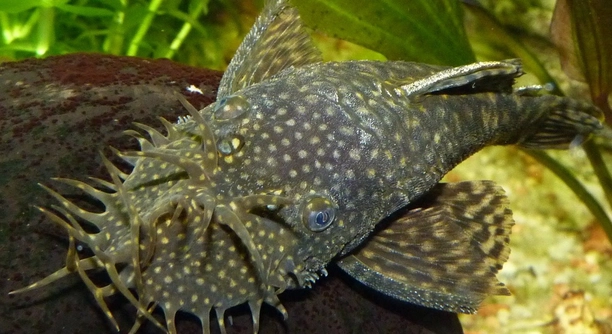
Have you ever set up a new tank for your pleco and felt unsure about how lighting affects them? Plecos are sensitive to bright lights, and the wrong setup can stress them over time and affect their behavior.
The most effective way to make tank lighting pleco-friendly is by providing dim, indirect light. Using adjustable LED lights or floating plants can help reduce brightness, creating a comfortable environment that aligns with their nocturnal and bottom-dwelling nature.
Proper lighting goes beyond aesthetics, influencing your pleco’s health and activity. These seven tips will help ensure a safer, more natural habitat for your fish.
Choosing the Right Light Intensity
Plecos thrive in low-light conditions because they are naturally nocturnal. Bright lights can stress them and alter their feeding patterns. Start by selecting LED or fluorescent lights with adjustable settings. These lights allow you to mimic natural day-night cycles without overwhelming your tank’s bottom dwellers. Position lights higher above the tank to diffuse brightness and avoid direct exposure. Using dimmers or timers can gradually introduce light, which plecos tolerate better than sudden changes. Floating plants or decorations can further soften the illumination, providing shaded areas for your fish to retreat when needed. Observing your pleco’s behavior under different light levels can guide adjustments to ensure they remain calm and active. Stress signs include hiding excessively, reduced feeding, or irregular swimming patterns. By keeping light levels moderate and consistent, you help maintain their health, behavior, and overall comfort. Lighting is not just aesthetic; it directly impacts their daily rhythm and long-term well-being.
Proper light intensity supports natural feeding and reduces stress for plecos, improving both their behavior and tank environment.
Maintaining the right light intensity means balancing visibility for observation with comfort for the fish. Too bright, and plecos may hide excessively; too dim, and algae growth or viewing clarity can be affected. Adjusting the light gradually, combined with shaded areas, allows plecos to feel secure while encouraging normal activity. Over time, subtle tweaks to light placement, intensity, and duration can create a habitat that meets both the fish’s needs and the owner’s preferences, making it easier to care for them effectively.
Using Timers for Consistency
Timers make it simple to maintain consistent light cycles for your tank, keeping plecos comfortable.
Automating light schedules ensures plecos receive predictable periods of light and darkness. Sudden changes in lighting can trigger stress or disrupt feeding routines. By setting a timer, you provide a reliable cycle that mirrors natural environments, supporting nocturnal behavior while making tank maintenance easier. Timers also help prevent overexposure, which can encourage unwanted algae growth and create extra cleaning work. Consistency benefits plecos by reducing erratic behavior and promoting healthy sleep patterns, which are essential for growth and immune function. Integrating a timer with adjustable lights allows gradual increases or decreases in brightness, giving fish time to adapt. In addition to fish well-being, timers free you from manually switching lights, ensuring a routine is never missed even during busy weeks. Over time, this practice contributes to a balanced ecosystem within the tank, stabilizing plant growth, water conditions, and fish activity. Automating light cycles is a small step with a significant impact on tank harmony and pleco comfort.
Providing Hiding Spots
Plecos feel safer with shaded areas. Caves, driftwood, and plants give them places to retreat from bright lights, reducing stress and encouraging natural behaviors.
Adding decorations like driftwood or ceramic caves helps plecos hide when lights are on. These structures also mimic their natural habitat, offering security and comfort. Dense plants near the tank surface can filter light, softening illumination below. Observing your pleco’s response to these spots allows you to adjust placement and density, ensuring every fish has access. Overcrowding or poorly positioned hides can cause territorial disputes, so balance is key. Multiple small hiding areas are better than one large space, giving plecos options and encouraging movement around the tank. These retreats also serve as resting places, reducing energy expenditure and promoting healthy behavior patterns. Properly arranged hiding spots improve the overall tank environment, making it calmer and more suitable for nocturnal fish.
Driftwood not only provides shelter but also subtly affects water chemistry, releasing tannins that slightly lower pH. This creates a more natural and comfortable environment for plecos.
Choosing Light Spectrum
Plecos respond better to warmer, softer light tones instead of harsh, cool white lights.
Using lights in the warm white or soft yellow spectrum reduces stress for plecos, creating a calm environment. Cooler lights can be too intense, disrupting their nocturnal activity patterns and causing hiding or erratic behavior. Adjusting the spectrum to mimic natural habitats supports healthy feeding and resting cycles. Combining warm lighting with shaded areas helps fish feel secure while still allowing you to observe their activity. Over time, a proper spectrum encourages normal behavior, better coloration, and improved overall health.
Warm-toned lights also enhance the appearance of natural tank decorations, making plants and driftwood more visually appealing. Balancing intensity with spectrum ensures plecos remain active during low-light periods while protecting them from stress caused by overly bright, artificial lighting.
Adjusting Light Duration
Limiting how long lights stay on prevents plecos from becoming stressed. A daily cycle of 8–10 hours mimics natural conditions, keeping their activity and feeding patterns healthy.
Consistent light duration helps maintain a balanced tank ecosystem. Too much light can encourage algae and disrupt the fish’s natural rhythm, while too little can affect plant growth and visibility.
Using Floating Plants
Floating plants soften the light entering the tank. They create shaded areas plecos can retreat to, helping them feel secure during daylight hours.
Plants like duckweed, water lettuce, or frogbit are easy to maintain and provide partial coverage. They also improve water quality by absorbing excess nutrients, which reduces algae growth. Floating plants make the tank visually appealing while benefiting plecos’ comfort. Proper placement ensures the shade reaches the areas plecos frequent most, allowing them to rest or explore at their own pace. Over time, these plants contribute to a more natural and stress-free environment.
Avoiding Direct Sunlight
Direct sunlight can overheat the tank and stress plecos, causing erratic behavior and poor health.
Observing Fish Behavior
Pay attention to how plecos respond to lighting changes. Hiding, reduced feeding, or lethargy indicates adjustments are needed to improve their environment.
FAQ
What type of lighting is best for plecos?
Plecos prefer dim and soft lighting rather than bright or harsh lights. LED lights with adjustable intensity or warm-toned bulbs work well. Positioning lights higher above the tank or using floating plants can diffuse brightness, helping plecos feel more secure while still keeping the tank visible.
How long should lights be on each day?
A daily light cycle of 8–10 hours is ideal for plecos. This mimics natural day-night patterns, supporting their nocturnal behavior. Using timers ensures consistency, which reduces stress and keeps algae growth under control. Avoid leaving lights on for more than 12 hours, as it can disturb feeding and resting patterns.
Can plecos live under bright lights?
While plecos can survive under bright lighting, it can cause stress, hiding, or irregular swimming. Continuous exposure may reduce feeding and weaken their immune system. Providing shaded areas or lowering light intensity allows plecos to adjust while still allowing you to enjoy tank visibility.
Do floating plants help with lighting?
Yes, floating plants soften light and create shaded areas. Duckweed, frogbit, or water lettuce filter light and give plecos comfortable hiding spots. They also absorb excess nutrients, reducing algae growth. Proper placement ensures shaded areas cover spots where plecos spend the most time, improving their sense of security.
Should I use a timer for my tank lights?
Using a timer is highly recommended. Timers create a consistent schedule for light and dark periods, reducing stress and supporting natural feeding and resting cycles. They prevent accidental overexposure and make tank maintenance easier, especially when you’re busy or away. Timers combined with adjustable lights provide gradual transitions that plecos tolerate better.
Can light spectrum affect plecos?
Yes, the light spectrum plays a role in pleco comfort. Warmer, soft white or yellow tones are preferable to harsh, cool white lights. Warm tones reduce stress, encourage natural behavior, and make decorations like driftwood and plants look more natural. Balancing spectrum and intensity helps maintain a calm environment.
Do plecos need hiding spots under lights?
Absolutely. Caves, driftwood, and dense plants provide essential retreats. These shaded areas let plecos rest safely during bright periods and reduce stress. Multiple small hides work better than a single large cave, giving options and encouraging movement. Observing plecos helps you adjust placement to meet their needs.
Is direct sunlight harmful to plecos?
Direct sunlight can overheat the tank and cause sudden brightness, which stresses plecos. It may also promote excessive algae growth. Position the tank away from windows or use blinds to control natural light. Indirect or filtered sunlight is much safer and helps maintain stable water conditions.
How do I know if my pleco is stressed by lighting?
Stress signs include excessive hiding, reduced feeding, lethargy, or erratic swimming. If plecos hide most of the day or avoid areas near the light, consider adjusting intensity, duration, or providing more shaded spots. Observing their behavior daily ensures timely changes to their environment.
Can lighting affect algae growth?
Yes, prolonged or intense lighting encourages algae. Balancing light duration and using floating plants can reduce this issue. Regular maintenance, like cleaning surfaces and controlling nutrients, works with proper lighting to keep the tank clean while keeping plecos comfortable.
Do all pleco species require the same lighting?
While most plecos prefer low light, species differences exist. Some like bristlenose plecos tolerate slightly brighter conditions, while common plecos are more sensitive. Researching your species’ natural habitat helps determine ideal light intensity, spectrum, and duration. Adjustments may be necessary based on behavior and stress indicators.
How can I combine aesthetics with pleco-friendly lighting?
Using warm-toned LED lights, floating plants, and driftwood allows a visually pleasing setup while prioritizing pleco comfort. Soft light highlights decorations without stressing fish. Adjustable lights, timers, and careful placement of shaded areas balance tank appearance with fish well-being.
What maintenance helps keep lighting safe for plecos?
Clean lights, remove algae, and check for overheating regularly. Ensure timers work properly and bulbs maintain consistent intensity. Replacing old lights that dim or change color ensures a stable environment, reducing stress and supporting pleco health.
Is it necessary to dim lights gradually?
Gradual changes are beneficial. Plecos respond better to slow transitions rather than sudden bright or dark shifts. Using adjustable lights or combining timers with floating plants creates smooth light changes, encouraging normal behavior and reducing stress.
Can lighting influence pleco feeding habits?
Yes, proper lighting encourages activity during active periods and feeding times. Bright lights may make plecos hide, reducing food intake. Shaded areas and consistent light schedules support natural nocturnal feeding patterns, ensuring better nutrition and overall health.
Do plecos need light at night?
Plecos are nocturnal and do not require nighttime lighting. Darkness allows normal rest and reduces stress. Only use dim, indirect lights if you want to observe activity at night without disturbing their natural rhythm.
How often should I adjust lighting setups?
Adjustments are needed only if plecos show stress or if tank conditions change. Monitoring behavior and plant growth helps determine if intensity, duration, or spectrum needs modification. Minimal adjustments maintain stability and comfort for the fish.
Can lighting affect pleco coloration?
Proper lighting enhances natural coloration, while too bright or inconsistent lighting may dull colors. Warm, soft tones and shaded areas help plecos display vibrant patterns while reducing stress. Consistency in lighting ensures long-term health and visual appeal.
Are there signs that the tank is too dim for plecos?
If plants struggle to grow or algae reduces visibility, the tank may be too dim. Gentle increases in light intensity or longer duration can improve plant health without stressing plecos. Observing both fish behavior and plant condition helps find the right balance.
How do I balance light for both plecos and plants?
Use moderate intensity with warm spectrum lights, and add floating plants for shading. Timers maintain consistent cycles, supporting plant growth while giving plecos low-light zones. Observing algae, plant health, and pleco activity ensures both thrive without compromising tank comfort.
Final Thoughts
Setting up pleco-friendly lighting is a key part of maintaining a healthy tank. Plecos are nocturnal fish that prefer dim, soft light over bright, harsh illumination. Providing the right environment helps them feel secure, encourages natural behavior, and reduces stress. While it may seem simple to just put a light over the tank, the way it is done can significantly impact your pleco’s health. Using adjustable LEDs, warm-toned lights, or floating plants can create shaded areas that mimic their natural habitats. This not only makes your plecos comfortable but also gives you the ability to observe them without causing distress.
Timers and consistent lighting schedules play an important role in maintaining pleco comfort. A regular light cycle of 8–10 hours of daylight followed by darkness supports natural feeding and resting behaviors. Timers also help reduce human error and make maintaining the tank easier, especially when life gets busy. Gradual changes in light intensity, combined with shaded hiding spots, ensure plecos are not startled by sudden brightness. Over time, a well-planned lighting setup reduces erratic swimming, improves feeding habits, and contributes to overall fish health. Observing how your plecos respond to different lighting conditions allows you to make small adjustments to better suit their needs.
Beyond comfort, lighting interacts with other aspects of tank care. Proper spectrum and intensity support plant growth, reduce excessive algae, and enhance the appearance of driftwood and other decorations. Floating plants and hiding spots serve a dual purpose: they offer security for plecos while also softening the light, improving tank aesthetics naturally. Adjusting lighting in a thoughtful way helps maintain stable water conditions and a balanced ecosystem. While it requires some planning and observation, creating a pleco-friendly lighting setup makes a noticeable difference in your fish’s behavior, health, and happiness. A careful balance between illumination, shaded areas, and consistent scheduling ensures that plecos thrive while the tank remains visually pleasing and easy to maintain.

Hello,
If you enjoy the content that we create, please consider saying a "Thank You!" by leaving a tip.
Every little bit helps us continue crafting quality advice that supports the health, happiness, and well-being of pets around the world, for pets of all shapes, sizes, and species.
We really appreciate the kindness and support that you show us!