
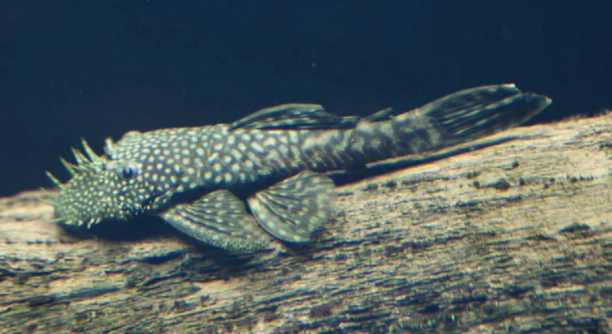
Do you ever find yourself preparing fresh vegetables for your aquarium fish and wondering if certain parts are safe for them? Bristlenose plecos are popular for their algae-eating habits, but their dietary preferences can surprise many fish keepers.
Bristlenose plecos can safely eat cucumber skins, provided they are thoroughly washed and free from pesticides. The skins offer essential nutrients and fiber, complementing their diet of algae wafers and vegetables, and should be offered in moderation.
Providing cucumber skins can enhance your pleco’s diet while supporting their digestive health and natural feeding behavior in a home aquarium environment.
Why Bristlenose Plecos Enjoy Cucumber Skins
Bristlenose plecos are natural herbivores, and their diet thrives on plant matter. Cucumber skins provide a source of fiber and nutrients that help maintain their digestive health. When introduced slowly, they can adapt to eating vegetables alongside their regular algae wafers. Washing the skins thoroughly is essential to remove pesticides or residues that could harm the fish. Some plecos prefer the soft inner part, while others enjoy nibbling on the tougher outer skin. Offering small, manageable pieces ensures they can consume it without difficulty. Using a clip or weight to keep the cucumber submerged prevents it from floating and keeps the pleco engaged in feeding. Overfeeding vegetables can upset their digestion, so moderation is key. Balancing cucumber skins with algae wafers and occasional treats ensures a diverse and healthy diet. Observing your pleco’s preferences helps you tailor their meals and avoid wastage of uneaten food.
Bristlenose plecos nibble slowly, so patience is needed. Some fish take time to adjust to new vegetables.
Introducing cucumber skins gradually allows plecos to recognize it as part of their diet. Rotate with zucchini, spinach, or peas to keep meals interesting. Remove uneaten portions after a few hours to prevent water contamination. Proper feeding supports their growth, fin health, and natural grazing behavior, creating a healthier aquarium environment.
Preparing Cucumber Skins for Your Pleco
Wash cucumber skins thoroughly before feeding to remove any chemicals. Raw skins are ideal.
Cut into thin strips or small pieces to make it easy for plecos to grasp and nibble. Avoid seasoning or cooking, as additives can harm them. Blanching is unnecessary but can soften particularly tough skins for older or smaller plecos. Submerging the pieces using a clip keeps them in place, encouraging the pleco to feed naturally. Rotate cucumber skins with other vegetables and algae wafers for a balanced diet. Regular feeding prevents overgrowth of algae and promotes active grazing behavior. Observing your pleco’s reaction to each preparation method helps determine what they prefer. Clean any leftovers promptly to maintain water quality. Proper handling and portion control ensure your pleco stays healthy, active, and interested in its meals.
Signs Your Pleco Likes Cucumber Skins
Bristlenose plecos show interest by nibbling actively and lingering around the vegetable. They may rasp the skin with their mouths or fins, signaling enjoyment and acceptance of the new food.
Plecos that enjoy cucumber skins will return to them repeatedly, often grazing throughout the day. They may also show excitement by swimming near the vegetable immediately after it is placed in the tank. Observing how quickly they approach the cucumber can indicate preference. Some plecos are cautious and take time to adjust, so repeated, consistent offerings help them feel comfortable. Not all plecos eat immediately; patience and consistency are key. Watching feeding behavior over several days provides a clear picture of their acceptance.
It is important to note that not every pleco will eat cucumber skins. Some may prefer zucchini or other vegetables instead. Offering a variety ensures proper nutrition and reduces the risk of picky feeding habits. Skins that remain untouched for too long should be removed to maintain water quality.
Maintaining Aquarium Cleanliness While Feeding Vegetables
Leftover cucumber pieces can decay quickly, impacting water quality if not removed. Monitoring feeding sessions prevents contamination.
Using a clip or weight to hold cucumber pieces in place minimizes waste. Remove uneaten portions after a few hours to prevent algae overgrowth or bacterial buildup. Rinse vegetables thoroughly before feeding to avoid introducing chemicals or debris into the tank. Feeding in moderation helps maintain balanced water parameters, keeping both fish and plants healthy. Consistent cleaning routines make vegetable feeding manageable and reduce maintenance time. Observing plecos during feeding ensures they consume most of the food, leaving minimal residue.
Maintaining cleanliness while feeding vegetables protects your pleco’s health and prevents unnecessary stress on filtration systems. Rotating vegetables and removing leftovers promptly supports water clarity and overall tank stability. Regular observation also helps detect changes in feeding habits early, allowing adjustments before problems arise. A well-maintained feeding routine keeps plecos active and ensures a balanced, nutritious diet without compromising the aquarium environment.
Best Practices for Feeding Cucumber Skins
Feed cucumber skins in small amounts to avoid overfeeding. A few pieces per day are sufficient for most plecos.
Introduce skins gradually alongside regular algae wafers. This helps the pleco adjust to new textures and flavors without digestive issues.
Alternative Vegetables for Bristlenose Plecos
Other vegetables such as zucchini, spinach, and peas can complement cucumber skins. These provide essential nutrients and variety. Offering a mix encourages natural grazing behavior, reduces boredom, and supports digestive health. Rotating vegetables also prevents selective feeding and ensures a balanced diet for long-term well-being.
Observing Pleco Health
Regular observation ensures the pleco is eating properly and shows no signs of distress after vegetable feeding.
Can all Bristlenose Plecos eat cucumber skins?
Most Bristlenose plecos can eat cucumber skins, but individual preferences vary. Some plecos may nibble eagerly, while others might ignore the skins. Gradually introducing the vegetable allows plecos to adjust to new foods without causing stress or digestive upset. Monitoring their response is essential to ensure they are actually eating it.
How often should I feed cucumber skins to my pleco?
Cucumber skins should be offered in moderation, about once every two to three days, depending on the pleco’s diet. Overfeeding vegetables can upset their digestion and affect water quality. Pairing cucumber skins with algae wafers or other vegetables ensures a balanced diet and proper nutrient intake.
Should I remove the cucumber skins if my pleco doesn’t eat them?
Yes, uneaten cucumber skins should be removed after a few hours. Leftover pieces can rot, affecting water quality and encouraging harmful bacterial growth. Using a clip or weight to keep the cucumber submerged can help the pleco reach it more easily and reduce waste.
Is it necessary to peel the cucumber before feeding?
Peeling is not required, but it is important to wash the cucumber thoroughly to remove any pesticides or residues. Some plecos prefer the softer inner part, while others enjoy the tougher outer skin. Offering small, manageable pieces ensures they can consume it without difficulty.
Can cucumber skins replace algae wafers in my pleco’s diet?
Cucumber skins should not replace algae wafers entirely. They are a supplement to the pleco’s diet and provide fiber and nutrients, but algae wafers remain a primary food source, ensuring proper nutrition and supporting healthy growth. Vegetables alone cannot fulfill all dietary requirements.
What are the signs my pleco likes cucumber skins?
A pleco that enjoys cucumber skins will actively nibble, linger around the vegetable, and return repeatedly to graze. Some may rasp the skin with their mouths or fins. Consistent feeding over several days helps determine preference and ensures the vegetable is a suitable part of the diet.
Can cucumber skins cause health issues for plecos?
Cucumber skins are generally safe if washed and offered in moderation. Overfeeding or leaving uneaten skins in the tank can cause digestive problems and water contamination. Following proper portion control and cleaning routines minimizes any potential risks.
How should I prepare cucumber skins for older or smaller plecos?
For smaller or older plecos, cutting the cucumber into thin strips or softening the skin slightly can make it easier to consume. Avoid cooking or seasoning, and ensure pieces are small enough to prevent choking or struggling while eating.
Are there other vegetables that work well alongside cucumber skins?
Yes, vegetables like zucchini, spinach, and peas provide variety and essential nutrients. Rotating vegetables encourages natural grazing, reduces boredom, and supports digestive health. Offering different textures also helps maintain a balanced diet for long-term pleco well-being.
How do I know if my pleco is digesting cucumber skins properly?
Signs of proper digestion include regular grazing behavior, normal swimming activity, and consistent waste production. If the pleco refuses food, shows bloating, or has loose feces, adjust the portion size or remove the vegetable until their digestive system stabilizes. Monitoring feeding habits regularly is key.
Can cucumber skins improve my pleco’s tank environment?
Feeding cucumber skins in moderation can promote natural grazing behavior and reduce excessive algae growth. Proper feeding routines and removing uneaten portions maintain water clarity and overall tank stability, supporting a healthier, more active pleco.
Is it safe to feed cucumber skins to multiple plecos in the same tank?
Yes, but ensure enough pieces for all fish to prevent competition. Monitoring how each pleco eats helps avoid dominance or starvation of more timid fish. Proper distribution and portion control keep the feeding environment fair and stress-free.
How long can cucumber skins stay in the tank before removal?
Cucumber pieces should not remain in the tank longer than a few hours if uneaten. Prolonged exposure can decay, affecting water quality. Removing leftovers promptly ensures a clean environment and reduces the risk of harmful bacteria growth.
Do plecos prefer fresh or slightly aged cucumber skins?
Fresh cucumber is best, as it retains nutrients and is easier for plecos to nibble. Aged pieces may become soft or develop bacteria, which can harm both the fish and the tank’s ecosystem. Consistently offering fresh vegetables supports health and encourages feeding interest.
Can feeding cucumber skins reduce algae growth in the tank?
Indirectly, yes. Encouraging plecos to graze on vegetables supplements their diet, potentially reducing their need to feed heavily on algae. However, it does not replace regular tank maintenance and algae management. A balanced diet contributes to healthier fish behavior.
Is it necessary to monitor pleco behavior after introducing cucumber skins?
Yes, observing behavior ensures they are consuming the food and not experiencing stress or digestive issues. Monitoring over several days helps establish whether cucumber skins are a suitable addition to their diet. Behavioral cues indicate acceptance and overall health.
Can cucumber skins be frozen for later use?
Freezing is possible but may slightly alter texture. Thaw completely before feeding and ensure they are free from ice or excess water. Frozen pieces are still safe if offered in moderation and can provide a convenient way to rotate vegetables in the pleco’s diet.
Do cucumber skins provide enough vitamins for plecos?
Cucumber skins offer fiber and some vitamins, but they are not a complete source of nutrition. Combining them with algae wafers and other vegetables ensures plecos receive a full range of nutrients necessary for growth, coloration, and overall health.
How can I tell if my pleco is ignoring cucumber skins due to preference or health issues?
If a healthy pleco refuses cucumber skins consistently, it may simply prefer other vegetables. Signs of illness include lethargy, discoloration, or abnormal swimming. Observing other feeding behaviors and overall activity helps determine whether refusal is due to preference or health concerns.
Can cucumber skins be used as a treat for plecos?
Yes, cucumber skins work well as an occasional treat. Offering them in moderation ensures variety and interest without compromising their regular diet. Treats can encourage grazing behavior while maintaining balance in overall nutrition.
How should I store cucumber skins before feeding?
Keep cucumber skins refrigerated if not used immediately. Cut into small portions to maintain freshness. Avoid leaving them at room temperature for extended periods, as this can lead to bacterial growth and spoilage before feeding.
Are there risks in feeding too much cucumber skin?
Overfeeding cucumber skins can cause digestive upset, bloating, and water contamination. Moderation is crucial. Combining vegetables with algae wafers ensures balanced nutrition and prevents health issues associated with excessive vegetable intake.
What is the best way to encourage a picky pleco to try cucumber skins?
Introduce cucumber skins gradually alongside familiar foods. Slightly softening tough skins and offering small, manageable pieces helps picky plecos adapt. Repetition and patience are key, as some fish need multiple attempts before accepting new vegetables into their diet.
Can cucumber skins affect pleco coloration?
While cucumber skins provide fiber and some nutrients, they do not significantly affect coloration. A varied diet that includes algae wafers, vegetables, and occasional protein sources has a greater impact on vibrant colors and overall health.
How long does it take for a pleco to accept cucumber skins?
Acceptance varies. Some plecos try it immediately, while others may take several days or weeks of consistent offerings. Gradual introduction and observation help determine the pleco’s willingness to include cucumber skins in its regular diet.
Is it okay to mix cucumber skins with other vegetables in one feeding?
Yes, mixing vegetables provides variety and nutrients. Rotating or combining cucumber skins with zucchini, peas, or spinach encourages natural grazing, reduces boredom, and supports balanced nutrition. Proper portioning ensures all pieces are consumed without waste.
What should I do if my pleco ignores cucumber skins completely?
If ignored, try other vegetables or adjust size and placement. Some plecos prefer certain textures. Continue offering alternatives like zucchini or peas to maintain diet diversity. Removing uneaten cucumber promptly prevents water contamination and encourages feeding interest with more preferred options.
Can feeding cucumber skins improve pleco behavior?
Providing vegetables can encourage natural grazing and active feeding behavior. Plecos become more engaged and interactive with their environment. Balanced feeding routines that include cucumber skins contribute to mental stimulation and overall well-being.
How do I ensure all plecos in a community tank get cucumber skins?
Distribute pieces evenly and use clips to prevent dominant fish from monopolizing food. Observing feeding times ensures shy or smaller plecos access vegetables. Rotating placements in the tank can help all fish participate in grazing activities.
Are there any pleco species that should avoid cucumber skins?
Bristlenose plecos generally tolerate cucumber skins well. Some carnivorous or omnivorous pleco species may not benefit from vegetables and should rely more on protein sources. Knowing the species’ dietary needs is essential before introducing any new food.
Can cucumber skins affect water pH or quality?
If uneaten pieces are left in the tank, decomposition can slightly alter water parameters. Prompt removal of leftovers and feeding in moderation prevents negative effects on pH, clarity, or ammonia levels. Regular monitoring maintains a stable environment.
Is it better to offer cucumber skins at a specific time of day?
Offering cucumber skins during their natural feeding hours, usually early morning or evening, encourages consumption. Plecos are more active at these times and are likely to engage with vegetables rather than ignore them.
Can cucumber skins replace other vegetables entirely?
No, cucumber skins should be part of a varied vegetable rotation. Other vegetables provide different nutrients and textures. A balanced mix ensures proper digestion, interest, and nutrient intake for long-term health.
How can I tell if cucumber skins are improving my pleco’s health?
Signs include consistent grazing, healthy fins, bright coloration, and active swimming. Improved digestion and interest in food also indicate positive effects. Observing these cues over time helps assess the benefits of including cucumber skins in their diet.
Can cucumber skins help juvenile plecos grow faster?
Cucumber skins provide fiber and some nutrients, but they are not sufficient for rapid growth. Pairing with algae wafers and protein-rich foods ensures juvenile plecos receive all necessary nutrients for proper development.
Should I change the size of cucumber pieces for different plecos?
Yes, adjust size according to the pleco’s age and size. Smaller or older plecos may need thinner, softer strips, while larger plecos can handle thicker pieces. Proper sizing prevents choking and ensures easier consumption.
How do I balance cucumber skins with other foods?
Offer vegetables like cucumber skins alongside algae wafers in controlled portions. Rotate different vegetables to maintain variety and prevent selective feeding. Moderation and observation ensure the pleco receives a complete, balanced diet without overfeeding.
Are frozen cucumber skins as effective as fresh ones?
Frozen cucumber skins are safe if thawed completely and free from excess water. Some texture changes may occur, but nutritional value remains adequate. Fresh is preferred for taste and appeal, but frozen can be a convenient alternative.
Can cucumber skins be part of a breeding diet?
Yes, providing vegetables like cucumber skins can supplement a breeding diet by promoting overall health and grazing behavior. However, protein sources and other essential nutrients remain necessary for successful breeding and fry development.
Do cucumber skins need any special treatment before feeding?
Wash thoroughly and cut into manageable pieces. No cooking or seasoning is required. Ensuring clean, appropriately sized portions promotes safe consumption and prevents contamination in the tank.
How long can a pleco eat cucumber skins at one time?
Plecos nibble slowly. Allow a few hours, but remove leftovers promptly. Continuous grazing beyond this can risk water contamination or digestive upset. Monitoring ensures safe consumption and keeps the tank clean.
Are there any long-term benefits of feeding cucumber skins?
Yes, regular moderate feeding supports digestive health, encourages natural grazing behavior, and provides fiber. Combined with other vegetables and algae wafers, cucumber skins contribute to overall well-being and balanced nutrition for long-term health.
Can cucumber skins be used as a fasting supplement?
While not a replacement for fasting, cucumber skins can provide light fiber during short fasting periods. They maintain interest in food and grazing behavior without overloading the digestive system.
How do I know if cucumber skins are suitable for my pleco?
Trial and observation are key. If the pleco consumes the skins, maintains normal behavior, and shows no digestive issues, they are suitable. Adjust portion size and frequency based on feeding response and tank conditions.
Do cucumber skins support fin and skin health?
Indirectly, yes. Providing a balanced diet with fiber and nutrients, including cucumber skins, supports overall health, which is reflected in strong fins and healthy skin. Nutrition plays a key role in maintaining appearance and vitality.
Can cucumber skins help with picky eating habits?
Introducing cucumber skins gradually alongside familiar foods can encourage picky plecos to try new textures. Combining with other vegetables and algae wafers promotes a more varied diet, reducing selective feeding tendencies over time.
Is there a risk of contamination from cucumber skins?
Yes, unwashed or leftover pieces can introduce bacteria, pesticides, or debris. Proper washing, portioning, and prompt removal of uneaten pieces prevent contamination and maintain water quality.
Should cucumber skins be part of every pleco’s diet?
While beneficial, they are not essential. Cucumber skins supplement the diet and provide variety. Most plecos benefit from vegetables, but the diet should remain balanced with algae wafers and occasional protein sources.
How do I prevent my pleco from overfeeding on cucumber skins?
Offer controlled portions and remove uneaten pieces after a few hours. Pair vegetables with algae wafers to maintain balance. Observing feeding behavior helps prevent overconsumption and ensures digestive health.
Can cucumber skins be used in winter or off-season feeding?
Yes, as long as they are fresh or properly stored. Seasonal availability does not affect safety, but freshness ensures better taste and nutrient retention for consistent feeding.
Are there any special storage tips for cucumber skins?
Refrigerate cut pieces and use within a few days. Avoid leaving them at room temperature to prevent spoilage. Small portions make feeding easier and maintain freshness.
How do I integrate cucumber skins with algae wafers effectively?
Offer cucumber skins alongside algae wafers in separate areas of the tank. This encourages grazing and prevents one food source from dominating. Balanced portioning ensures plecos receive proper nutrition without waste.
Can cucumber skins attract other tank inhabitants?
Yes, shrimp or snails may nibble on cucumber skins. Observing tank interactions ensures your pleco still has access. Adjust placement or feeding strategy if necessary to prevent competition.
Are there any alternatives if my pleco refuses cucumber skins?
Yes, zucchini, peas, and spinach are excellent substitutes. Rotating vegetables ensures a balanced diet and maintains interest in feeding. Observing preferences helps determine the best long-term vegetable options.
Do cucumber skins need to be cut a certain way?
Yes, cutting into thin strips or small pieces ensures plecos can grasp and consume them easily. Proper sizing prevents choking and encourages natural grazing behavior.
Can cucumber skins support juvenile pleco development?
They provide fiber and mild nutrients, supporting digestive health. Pair with algae wafers and occasional protein for full nutritional support, ensuring proper growth and vitality.
How important is consistency in offering cucumber skins?
Consistent offering helps plecos recognize and accept the vegetable. Gradual and repeated introduction builds familiarity, encouraging regular consumption and adding variety to their diet.
Are there any risks with long-term feeding of cucumber skins?
Long-term feeding is safe if moderated. Overfeeding or ignoring water quality can cause digestive issues or tank contamination. Balanced feeding routines prevent these problems while providing consistent dietary variety.
Do cucumber skins affect pleco social behavior?
Indirectly, yes. Providing accessible vegetables reduces competition for food and promotes calmer interactions, particularly in community tanks with multiple plecos or other herbivores.
Can cucumber skins be offered alongside protein sources?
Yes, pairing vegetables with protein maintains a balanced diet. Plecos remain healthy, active, and well-nourished, benefiting from both plant and protein-based nutrients.
Is it safe to mix cucumber skins with other fruits?
Generally, fruits should be limited due to sugar content. Vegetables like zucchini or peas are safer alternatives for consistent feeding without impacting water quality or digestion.
How do I adjust cucumber feeding for different tank sizes?
Smaller tanks require smaller portions to prevent water issues. Larger tanks allow more pieces but still require moderation and prompt removal of uneaten food to maintain quality.
Can cucumber skins help plecos with picky algae eating habits?
Yes, they provide an alternative fiber source. Plecos that avoid algae wafers may accept vegetables, ensuring balanced nutrition while supporting natural grazing behavior.
How do I know if cucumber skins are improving my pleco’s overall diet?
Signs include active grazing, healthy fins, bright coloration, and regular digestive patterns. Observing feeding response and behavior over time confirms the benefits of incorporating cucumber skins.
Can cucumber skins be used during pleco fasting periods?
Yes, in moderation. They provide light fiber without overloading the digestive system. Pairing with regular diet resumes normal feeding afterward.
Are cucumber skins suitable for all aquarium conditions?
Generally yes, as long as water quality is maintained. Uneaten pieces must be removed promptly to prevent contamination, ensuring cucumber feeding does not negatively affect the tank environment.
Do cucumber skins contribute to pleco longevity?
Balanced inclusion of vegetables like cucumber skins supports digestive health, natural feeding behavior, and overall well-being, indirectly contributing to a longer, healthier life when combined with proper care.
Is there an ideal size of cucumber pieces for tank placement?
Pieces should be small enough for plecos to grasp but large enough to last several hours of grazing. Proper sizing prevents waste and encourages natural feeding behavior.
Can cucumber skins be fed daily?
Feeding daily is not recommended. Moderation, typically every two to three days, prevents digestive issues and maintains a balanced diet alongside algae wafers and other vegetables.
Do cucumber skins support pleco digestive health?
Yes, the fiber aids digestion and promotes healthy gut activity. Combined with other vegetables and algae wafers, cucumber skins contribute to proper nutrient absorption and gastrointestinal well-being.
Can cucumber skins reduce selective feeding?
Providing variety alongside cucumber skins encourages plecos to sample different foods. Rotating vegetables reduces selective feeding habits and promotes a balanced diet.
Should cucumber skins be offered to sick or recovering plecos?
Yes, if the pleco can eat normally. Soft, clean cucumber pieces can encourage feeding and provide gentle fiber, but monitor closely for any digestive issues.
How do I monitor pleco response to cucumber skins?
Observe grazing behavior, interest, consumption rate, and waste production. Adjust portion size or frequency based on these responses to ensure acceptance and health.
Can cucumber skins enhance pleco tank activity?
Yes, providing vegetables encourages natural grazing and exploration. Plecos become more active and engaged, contributing to healthier behavior patterns and
Bristlenose plecos are hardy and adaptable fish, and introducing cucumber skins into their diet can be a simple way to provide variety and essential nutrients. These vegetables are safe for plecos when properly washed and offered in moderation. The skins offer fiber that supports digestive health and encourages natural grazing behavior, which is important for their overall well-being. Observing how your pleco interacts with cucumber skins helps determine if they enjoy this addition to their diet. Some plecos may nibble immediately, while others might take several days to adjust. Gradually introducing the vegetable alongside familiar foods can help even the pickiest fish accept it. Cucumber skins should never replace algae wafers or other staple foods, as plecos need a balanced diet that provides all the nutrients necessary for growth, coloration, and long-term health. Offering a mix of vegetables along with algae wafers ensures they receive proper nutrition while preventing selective feeding habits.
When feeding cucumber skins, preparation and portion control are key. Washing the vegetable thoroughly removes any pesticides or residues that could harm the fish. Cutting the cucumber into thin strips or small pieces makes it easier for plecos to nibble and consume without struggling. Using a clip or weight to keep the pieces submerged can prevent floating, which makes the vegetable more accessible and encourages natural grazing. Overfeeding or leaving uneaten portions in the tank can quickly lead to water contamination and affect water quality. Removing leftover pieces after a few hours helps maintain a clean aquarium environment and prevents algae or bacterial growth. Observing how much your pleco eats and adjusting portions as needed is essential to ensure they get the benefits of the vegetable without any negative effects on digestion or tank conditions.
Incorporating cucumber skins into your pleco’s diet is a straightforward way to provide both nutrition and engagement. Regularly offering a variety of vegetables, including zucchini, peas, or spinach, keeps their meals interesting and supports healthy digestive function. Consistent feeding routines also help you monitor your pleco’s health, behavior, and growth over time. Healthy, active fish often display bright coloration, normal swimming patterns, and interest in food, all of which are signs that their diet is balanced and sufficient. Using cucumber skins thoughtfully, alongside algae wafers and other vegetables, creates a more dynamic feeding experience and promotes overall well-being. With proper preparation, observation, and moderation, cucumber skins can become a valuable part of your pleco’s routine, supporting digestive health, natural grazing habits, and a balanced diet that contributes to long-term vitality and happiness in the aquarium.

Hello,
If you enjoy the content that we create, please consider saying a "Thank You!" by leaving a tip.
Every little bit helps us continue crafting quality advice that supports the health, happiness, and well-being of pets around the world, for pets of all shapes, sizes, and species.
We really appreciate the kindness and support that you show us!