
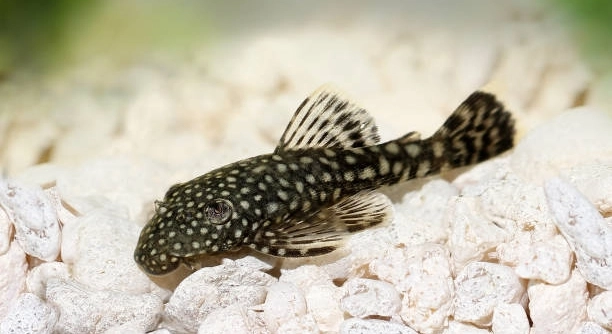
Have you ever noticed your Bristlenose Pleco gliding quietly along the tank glass while other fish swim around? These gentle algae eaters often live peacefully, but their social habits can be subtle and easy to overlook.
Bristlenose Plecos are generally peaceful fish and can coexist with many tank mates, though they do not require companionship. Their interactions are minimal, and their primary concern is sufficient hiding spots and proper feeding rather than social engagement.
Learning the right balance of tank mates and environment can improve your Pleco’s well-being and ensure harmony in your aquarium setup.
Understanding Bristlenose Pleco Behavior
Bristlenose Plecos are calm and mostly nocturnal fish. During the day, they often hide among decorations, driftwood, or plants. Observing them can feel rewarding because of their gentle movements and quiet presence. These fish spend a lot of time scraping algae off surfaces, which keeps the tank cleaner naturally. They rarely display aggression toward other fish, though some territorial behavior can appear if the tank is crowded or lacks hiding spaces. Over time, you notice they develop small routines, moving along similar paths or resting in the same spots. Their behavior is predictable, but adding new tank mates can sometimes make them more cautious. Choosing peaceful species helps maintain a stable environment, reducing stress. They can coexist with small schooling fish, tetras, or rasboras, but aggressive or very large species may intimidate them. Overall, providing structure, food, and calm surroundings allows them to thrive in a community aquarium.
Bristlenose Plecos thrive best in tanks with hiding spots and calm companions, reducing stress and promoting natural behavior.
Observing their interactions shows subtle communication. They often avoid direct confrontation, using body language and movements to establish boundaries. Providing caves and plants helps reduce tension, and they adjust to tank mates gradually, showing curiosity over time.
Choosing Compatible Tank Mates
Peaceful fish species are most suitable for a Bristlenose Pleco tank, especially those that occupy different areas of the aquarium.
Selecting tank mates requires attention to temperament, size, and activity level. Aggressive or fast-moving fish can cause stress, making your Pleco retreat more often. Small tetras, danios, or guppies are usually compatible, sharing the space without competing for the same hiding spots. Other bottom dwellers, such as Corydoras catfish, can coexist if enough space is provided to prevent territorial disputes. Avoid overcrowding, as it increases stress and reduces water quality. Plecos need clean, well-oxygenated water, so any tank mate must also thrive under similar conditions. Feeding habits should be considered too. While Plecos primarily eat algae and sinking foods, fast-feeding fish can dominate mealtime. Providing multiple feeding zones ensures everyone gets enough nutrition. Observing behavior during the first days is important; subtle signs of stress or aggression can guide adjustments. Proper planning ensures harmony and supports the Pleco’s well-being.
Balanced pairing of species supports healthy growth, reduces stress, and encourages peaceful interaction in your tank environment.
Tank Setup Considerations
Providing enough hiding spots is essential for Bristlenose Plecos. Driftwood, caves, and dense plants make them feel secure and reduce stress in community tanks.
A well-structured tank helps prevent territorial disputes. Plecos often claim a favorite cave or piece of driftwood, and having multiple hiding spots reduces competition. Open swimming areas should be balanced with shaded or covered sections to allow the Pleco to rest during the day. Water parameters must be stable: they prefer slightly acidic to neutral pH and moderate temperatures. Proper filtration ensures water stays clean, which is critical because bottom-dwelling fish are sensitive to waste buildup. By creating an environment that mimics their natural habitat, you encourage healthy behavior, less stress, and better feeding habits. Regular observation allows you to adjust décor or hiding spots as needed to maintain a peaceful tank.
Lighting should be moderate to low in some areas, helping the Pleco feel comfortable. This also supports algae growth, a natural food source for them.
Feeding and Nutrition
Bristlenose Plecos are primarily herbivores, eating algae, vegetables, and sinking pellets. Supplementing with fresh vegetables helps them stay healthy.
A varied diet ensures proper growth and longevity. Algae wafers and pellets provide essential nutrients, while zucchini, cucumber, or spinach gives them fiber and vitamins. They often graze during the night, so leaving food that sinks to the bottom encourages natural feeding behavior. Overfeeding should be avoided to prevent water quality issues, as uneaten food can decompose quickly. Observing how much they eat each day helps maintain balance and prevents conflicts with other tank mates during feeding time. A combination of natural algae, prepared foods, and fresh vegetables meets their dietary needs while promoting activity and reducing stress.
Consistency in feeding times also improves their routine. Plecos respond well to a predictable schedule, making their behavior easier to monitor.
Observing Social Interactions
Bristlenose Plecos are mostly solitary but interact occasionally. They rarely engage in aggressive behavior, instead keeping distance from other fish when needed.
When housed with peaceful species, they may share feeding areas or swim near others without conflict. Territorial behavior is minimal with enough space and hiding spots available.
Signs of Stress
A stressed Pleco may hide excessively, refuse food, or show irregular movements. Stress can result from poor water quality, aggressive tank mates, or overcrowding. Monitoring their behavior daily helps catch issues early.
Maintaining Water Quality
Consistent water changes and proper filtration are crucial. Plecos are sensitive to ammonia and nitrite spikes, which can harm their health.
FAQ
Do Bristlenose Plecos need tank mates?
Bristlenose Plecos do not require tank mates to be happy. They are naturally solitary and can thrive alone as long as they have enough hiding spots and proper food. Tank mates are optional but should be peaceful and occupy different areas of the tank to avoid stress.
Can Bristlenose Plecos live with aggressive fish?
It is not recommended to house them with aggressive or overly active fish. Aggressive tank mates can intimidate Plecos, making them hide constantly and skip meals. Stress from bullying can affect their health, reduce lifespan, and cause unusual behavior such as hiding or scraping surfaces excessively.
What fish are compatible with Bristlenose Plecos?
Peaceful species are the best companions. Small tetras, danios, rasboras, and Corydoras catfish typically coexist without conflict. Avoid large, predatory, or very fast fish that may outcompete the Pleco for food or harass them. Bottom-dwelling species can work if there’s enough space and hiding spots.
How much space does a Pleco need in a community tank?
A tank of at least 30 gallons is recommended for one Pleco, with larger tanks for multiple fish. Space is important to reduce territorial disputes and allow hiding spots, swimming areas, and feeding zones. Overcrowding leads to stress and can trigger aggression even in typically peaceful fish.
Do Plecos interact with other fish?
Interactions are subtle. They may swim near other fish without conflict or share a hiding area if space allows. Bristlenose Plecos communicate mostly through body movements rather than direct interaction, establishing boundaries quietly and avoiding confrontation.
How can I tell if my Pleco is stressed by tank mates?
Signs include hiding constantly, refusing food, scraping surfaces excessively, or showing erratic movements. Watch how they behave around other fish during feeding and resting times. Stress often decreases if aggressive or overly active tank mates are removed or hiding spots are added.
Can Plecos be kept in a planted tank with other species?
Yes, they adapt well to planted tanks. Live plants provide cover and reduce stress while giving Plecos extra surfaces to graze for algae. Choose non-aggressive tank mates that don’t uproot plants, and provide adequate hiding spots so the Pleco can rest safely.
Should I feed Plecos differently if they have tank mates?
Yes, feeding strategies may need adjustment. Fast or aggressive eaters can take food before the Pleco reaches it. Offer sinking pellets, algae wafers, or vegetables near their hiding spots. Multiple feeding points help ensure they get proper nutrition without competing with other fish.
Do Plecos prefer single-species tanks?
They do well in single-species setups but can coexist with compatible community fish. A single-species tank eliminates any risk of stress from other fish and allows better control over feeding, hiding spaces, and monitoring behavior.
How many Plecos can live together?
Two or more Plecos can coexist if the tank is large enough and there are multiple hiding spots. Overcrowding leads to territorial disputes, especially among males. Providing caves, driftwood, and dense plants helps maintain peace and allows each fish to establish its own space.
Are there specific times Plecos are more social?
They are mostly nocturnal, so activity peaks at night. During this time, they may swim more openly, explore the tank, or feed alongside other fish. Daytime behavior is generally solitary, with frequent resting in shaded or covered areas.
What should I do if my Pleco is not interacting with other fish?
This is normal behavior. They naturally keep to themselves and prefer to have their own space. Focus on maintaining good water quality, adequate food, and hiding spots. Avoid forcing interactions, as Plecos thrive when they can move freely and choose when to approach others.
Can Plecos help maintain a community tank’s cleanliness?
Yes, they graze on algae and leftover food, which helps keep surfaces clean. However, they do not replace regular tank maintenance. Consistent water changes and monitoring water quality are still essential to ensure a healthy environment for all tank inhabitants.
Do Plecos require special care when housed with other fish?
The main considerations are space, hiding spots, and feeding. Make sure the tank is large enough, provide multiple hiding areas, and monitor meals to prevent competition. Choosing peaceful, compatible species reduces stress and allows your Pleco to display natural behavior comfortably.
How do Plecos show comfort or discomfort around tank mates?
Comfortable Plecos move freely, graze naturally, and occasionally explore open areas. Discomfort is shown by constant hiding, erratic swimming, or avoiding other fish entirely. Observing these behaviors helps identify issues and make adjustments, like adding décor or separating aggressive species.
Are Bristlenose Plecos social with their own kind?
They are tolerant of other Plecos but not highly social. Multiple Plecos require sufficient space and hiding spots. Males can become territorial, so observing their interactions and separating individuals if aggression occurs helps maintain harmony in the tank.
Can tank mates influence a Pleco’s health?
Yes, stress from aggressive or overly active tank mates can weaken immunity, reduce appetite, and lead to illness. Choosing peaceful companions and monitoring behavior helps prevent health issues and ensures the Pleco remains active, well-fed, and healthy.
Do Plecos bond with specific tank mates?
Not in the traditional sense. Plecos are independent, and while they may tolerate certain fish nearby, they do not form bonds. Their focus is on territory, food, and hiding spots rather than companionship or social connections.
Is it better to keep Plecos in small or large community tanks?
Larger tanks are preferable. They provide ample space for swimming, feeding, and hiding. Crowded conditions can increase stress and trigger territorial behavior. A spacious setup supports natural behavior, reduces conflict, and improves overall health and well-being.
How long does it take for Plecos to adjust to new tank mates?
Adjustment can take several days to weeks. Plecos observe the behavior of other fish and establish their preferred hiding spots. Patience and monitoring are key, ensuring stress is minimized and the environment supports peaceful coexistence.
What is the key to harmony in a Pleco community tank?
Balance space, hiding spots, diet, and compatible tank mates. Observing behavior, preventing overcrowding, and maintaining water quality ensure a calm, healthy environment where Plecos can thrive alongside other peaceful species.
Do Plecos require special lighting with other fish?
Moderate to low lighting is ideal. Plecos prefer shaded areas for resting, while other species may need brighter sections. Providing varied lighting supports natural behavior, reduces stress, and encourages algae growth for grazing.
How can I encourage interaction without stress?
Interaction is subtle and mainly about tolerance. Ensuring hiding spots, adequate food, and compatible companions allows them to explore safely without being forced into direct contact. This creates a peaceful coexistence while maintaining natural behavior patterns.
Are there signs of a happy Pleco in a community tank?
A healthy, happy Pleco moves confidently at night, grazes regularly, and uses hiding spots without stress. They explore the tank gradually, feed well, and coexist peacefully with compatible species, showing natural patterns of movement and activity.
How do I know if my Pleco needs more space?
Signs include frequent chasing, excessive hiding, or aggression among Plecos. If these behaviors occur, consider adding hiding spots or moving them to a larger tank to reduce stress and maintain harmony among all tank inhabitants.
What tank maintenance helps Plecos thrive with other fish?
Regular water changes, cleaning uneaten food, and monitoring ammonia and nitrite levels are essential. Maintaining a balanced diet and observing fish behavior ensures both Plecos and other tank mates stay healthy and stress-free.
Do Plecos prefer certain types of tank mates over others?
They prefer peaceful species that are not aggressive or overly active. Small schooling fish or calm bottom dwellers generally work best, allowing them to graze, rest, and establish territory without frequent interference or competition.
Can Plecos coexist with shrimp or snails?
Yes, in most cases. Shrimp and snails occupy different niches, so conflict is rare. Plecos may occasionally nibble at algae-covered shells but generally ignore them. Ensure there’s enough space and hiding spots for all inhabitants to coexist comfortably.
How often should I monitor Pleco behavior with new tank mates?
Daily observation is recommended, especially in the first two weeks. Watch for signs of stress, hiding, or aggression. Adjust tank setup, feeding, or companion species as needed to maintain a calm, healthy environment.
Does tank temperature affect Pleco interactions?
Yes, stable temperatures promote calm behavior. Sudden fluctuations can cause stress, making them more defensive or withdrawn. Maintaining their preferred range of 73–81°F supports natural behavior and peaceful coexistence with other species.
What is the ideal number of hiding spots for multiple Plecos?
Provide at least one hiding spot per Pleco, plus a few extras. Driftwood, caves, and plants give each fish space to retreat, preventing territorial disputes and encouraging peaceful interactions in a community tank.
Are Plecos active during the day with other fish?
They are primarily nocturnal, so daytime activity is limited. They may move occasionally but spend most of the day resting in shaded or covered areas, regardless of tank mates. Nighttime activity is when they graze and explore the most.
Can Plecos coexist with fast-swimming mid-level fish?
Yes, if the tank is large and hiding spots are available. Fast mid-level fish usually occupy different areas, so competition is minimal. Monitor feeding to ensure the Pleco gets enough food without being chased or crowded.
Do Plecos need special consideration during breeding in a community tank?
Yes, during breeding, males can become territorial. Provide separate caves and sufficient space to reduce conflicts. Observing behavior ensures eggs and fry remain safe from other tank mates, and stress is minimized during this period.
How long do Plecos typically live with compatible tank mates?
With proper care, Bristlenose Plecos can live 5–10 years or more. Compatible tank mates, adequate hiding spots, stable water conditions, and a proper diet contribute to longevity and overall well-being in a community environment.
Is it necessary to quarantine new tank mates for Plecos?
Yes, quarantining new fish prevents the introduction of disease. Plecos are sensitive to infections, so ensuring newcomers are healthy protects both them and existing tank inhabitants, reducing stress and potential health issues.
Can tank size compensate for aggressive tank mates?
Only partially. Larger tanks reduce encounters but do not eliminate aggression. Choosing peaceful companions remains the best strategy, while space and décor help minimize tension when interactions are unavoidable.
Do Plecos enjoy tanks with heavy plant growth?
Yes, plants provide cover, reduce stress, and support natural grazing behavior. Dense planting allows them to feel secure and encourages calm, healthy interactions with other fish while maintaining a balanced tank environment.
How do I introduce new Plecos to a community tank?
Introduce them slowly, ideally at night or when lights are dim. Provide multiple hiding spots and monitor interactions carefully. Gradual introduction reduces stress and helps them establish territory without conflict with other fish.
What is the most common mistake with Plecos and tank mates?
Overcrowding, aggressive companions, and insufficient hiding spots are common issues. Ignoring these factors leads to stress, poor feeding, and health problems. Careful planning and observation are essential for a harmonious tank.
Do Plecos require any special feeding routine with tank mates?
Yes, they benefit from sinking food and vegetables near hiding spots to avoid competition. Feeding multiple zones ensures all fish receive proper nutrition without stress or conflict over food.
Can Plecos coexist with large community fish if space is sufficient?
Sometimes, if the Pleco can hide and avoid direct encounters. Still, overly aggressive or predatory large fish may intimidate or harm them. Observation and tank adjustments are critical for maintaining safety.
How do I prevent territorial disputes among multiple Plecos?
Provide sufficient caves, driftwood, and plants. Space each fish’s territory and ensure there’s enough room for feeding and resting. Observing interactions allows adjustments before conflicts escalate.
Do Plecos need specific tank decor for comfort?
Yes, caves, driftwood, and plants mimic natural habitats. These elements give Plecos hiding spots, grazing areas, and security, reducing stress and promoting peaceful coexistence with other fish.
Can Plecos coexist with aggressive species if hiding spots are increased?
Only to a limited extent. While more hiding spots reduce stress, aggressive species may still chase or intimidate them. Choosing compatible, calm species is the more reliable approach.
Are Plecos territorial only with other Plecos?
Mostly, but males can show territorial behavior toward other bottom-dwellers if space is limited. Providing multiple hiding spots and adequate tank size helps minimize conflicts between all fish.
Do Plecos prefer certain textures for hiding spots?
Yes, driftwood and smooth rocks are preferred. They provide surfaces for grazing and secure resting areas. Rough surfaces or sharp edges may cause stress or injury.
How often should hiding spots be rearranged?
Occasionally, but not too frequently. Sudden changes can stress Plecos. Gradual adjustments allow them to establish territory while keeping the tank environment stimulating and natural.
Do Plecos interact more when tank conditions are optimal?
Yes, calm water, stable temperatures, sufficient food, and hiding spots encourage natural exploration and tolerance of other species, resulting in peaceful coexistence and visible healthy behaviors.
Can Plecos coexist with tropical community fish?
Yes, if tank conditions match their requirements. Temperature, pH, and diet compatibility are key. Peaceful tropical species that occupy different zones generally coexist without stress.
Are Plecos more active at night with other fish?
Yes, nocturnal behavior remains. They graze, explore, and occasionally swim near other fish, showing natural patterns while avoiding direct confrontation during daylight hours.
How do I adjust feeding when new Plecos are added?
Provide multiple feeding points and observe food consumption. Sinking pellets, vegetables, and algae wafers near hiding spots help ensure all Plecos eat without competition from newcomers.
Do Plecos need special attention when adding large tank mates?
Yes, monitor interactions closely. Large fish can unintentionally intimidate or harm Plecos. Ensure hiding spots, adequate space, and proper feeding to reduce stress and maintain peaceful coexistence.
Can Plecos coexist with fast-moving surface feeders?
Yes, as long as there is enough space and separate feeding zones. Plecos occupy the bottom, so competition with surface feeders is minimal if care is taken to manage food distribution.
Do Plecos tolerate community tanks better as they age?
Yes, adults are generally calmer and more predictable. Juveniles may be more sensitive and easily stressed by aggressive or active tank mates, so careful monitoring is important early on.
What is the best way to monitor Pleco comfort in a community tank?
Watch for grazing, resting, and movement patterns. Healthy behavior includes using hiding spots, eating regularly, and swimming without signs of stress. Any sudden changes indicate the need for adjustments in space, hiding, or tank mates.
Do Plecos prefer shaded areas with other fish?
Yes, shaded or covered areas allow them to rest safely. Providing multiple shaded spots reduces stress and encourages peaceful coexistence with other species.
Are Plecos affected by overly bright lighting in a community tank?
Yes, bright lighting can stress them. Including shaded zones or dimming lights allows them to feel secure and maintain normal behavior patterns.
How do I ensure all Plecos and tank mates get enough food?
Feed sinking pellets, algae wafers, and vegetables in multiple locations. Observe consumption to prevent dominant fish from taking all food, ensuring all fish remain healthy and stress-free.
Do Plecos prefer calm water flow with other species?
Moderate water flow is ideal. Too strong a current can stress Plecos, especially near hiding spots, while too weak can reduce oxygen levels. Balanced flow supports comfort and peaceful interactions.
Can Plecos coexist with fast-growing algae?
Yes, algae provide a natural food source. Plecos graze on surfaces, helping maintain balance while enjoying the growth. Ensure the tank also has sufficient hiding spots and space for peaceful coexistence.
How do Plecos react to changes in tank population?
They may become cautious or hide more often initially. Gradual introductions, monitoring, and adequate hiding spots help them adjust without stress, allowing peaceful interactions to resume over time.
Do Plecos enjoy multiple hiding spots with other fish?
Yes, multiple caves, driftwood, and plants give them security and reduce competition. This allows coexistence with other species and prevents territorial disputes among Plecos themselves.
Are Plecos more comfortable in groups or alone?
Mostly alone. While they tolerate other Plecos if space is sufficient, they do not form social bonds. Independence and sufficient territory are key to their comfort.
Can Plecos coexist with bottom-dwelling tank mates?
Yes, if there’s enough space and hiding spots. Monitoring behavior is essential to prevent competition over territory or food among bottom dwellers.
Do Plecos need specific tank zones when housed with other fish?
Yes, creating top, middle, and bottom zones allows all species to occupy separate areas. Plecos primarily use the bottom, so open swimming areas and mid-level zones for others reduce stress and conflict.
Are Plecos affected by overcrowding in community tanks?
Yes, overcrowding increases stress, territorial disputes, and disease risk. Adequate space, hiding spots, and compatible companions are critical for maintaining a healthy, peaceful tank.
Do Plecos prefer driftwood over caves with other fish?
Driftwood provides both hiding and grazing surfaces, making it highly suitable. Caves are also useful for resting and breeding. A mix ensures comfort and reduces stress in a community tank.
How do Plecos behave when they feel safe around other fish?
They graze openly, explore the tank, and may swim near other species without stress. This calm behavior indicates proper tank setup, compatible companions, and sufficient hiding spots.
Can Plecos coexist with gouramis or angelfish?
Yes, if tank size and hiding spots are adequate. Choose peaceful species to avoid harassment, and monitor initial interactions to ensure harmony and safety for all fish.
Do Plecos need extra food if tank mates are fast feeders?
Yes, provide sinking food and vegetables near hiding spots to ensure Plecos receive enough nutrition without competing with faster fish. Multiple feeding zones help distribute food evenly.
How do Plecos react to new decorations or rearranged tank setups?
They may become cautious and hide temporarily. Gradual changes allow them to adjust while maintaining comfort. Sudden or drastic rearrangements can increase stress, especially in community tanks.
Do Plecos require specific water parameters with other fish?
Yes, stable pH, temperature, and cleanliness are essential. Plecos are sensitive to poor water quality, so ensuring
Bristlenose Plecos are unique fish that can live happily in both single-species and community tanks. They are calm, mostly nocturnal, and spend much of their time hiding or grazing on algae. Their independent nature makes them different from more social species, but this doesn’t mean they are difficult to care for. As long as they have proper hiding spots, sufficient space, and the right diet, they can thrive alongside compatible tank mates without stress. Observing their natural behavior, like scraping surfaces and resting in shaded areas, can help you understand when they are comfortable and when adjustments are needed. It’s important to remember that while Plecos do not seek companionship, they do respond to environmental factors, so creating a stable, calm aquarium is the key to their well-being.
Choosing the right tank mates is crucial for a peaceful setup. Bristlenose Plecos coexist best with small, non-aggressive fish that occupy different areas of the tank. Schooling fish like tetras or rasboras, or other calm bottom dwellers such as Corydoras catfish, usually make suitable companions. Aggressive or overly active fish can intimidate Plecos, causing them to hide constantly and skip meals, which can lead to health problems over time. Overcrowding is another factor that can trigger territorial disputes, even among normally peaceful fish. Providing multiple hiding spots, caves, and driftwood helps reduce stress, allowing Plecos to explore the tank and feed naturally. Feeding practices also matter; sinking pellets, algae wafers, and fresh vegetables should be placed near their preferred hiding spots so they can eat without being outcompeted. These measures ensure that Plecos remain healthy, active, and stress-free in a community tank.
Water quality, tank structure, and feeding routines all play important roles in a Pleco’s happiness. Regular water changes, proper filtration, and stable temperatures are essential because Plecos are sensitive to poor water conditions. Adequate hiding places, shaded areas, and a structured tank layout allow them to feel secure while navigating around other fish. They are mostly solitary, so providing their own space is more important than trying to force social interactions. Observing behavior daily helps catch early signs of stress, such as excessive hiding or refusing food, and allows adjustments to be made promptly. With proper care, compatible tank mates, and thoughtful planning of the aquarium environment, Bristlenose Plecos can live long, healthy lives and contribute to a calm, balanced community tank. They are peaceful, interesting, and rewarding fish to keep, and their subtle behaviors make them a fascinating species to observe over time.
Word count: 414

Hello,
If you enjoy the content that we create, please consider saying a "Thank You!" by leaving a tip.
Every little bit helps us continue crafting quality advice that supports the health, happiness, and well-being of pets around the world, for pets of all shapes, sizes, and species.
We really appreciate the kindness and support that you show us!