
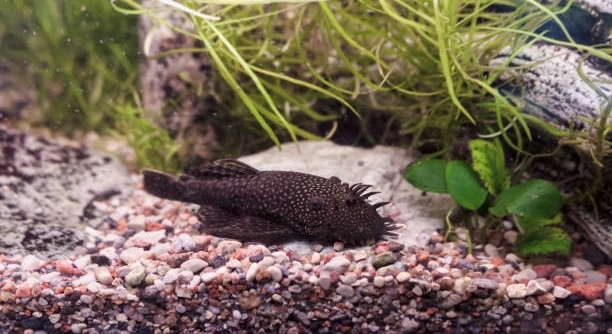
Many pleco owners enjoy keeping these fish as part of their aquariums, appreciating their peaceful nature and algae-cleaning habits. Ensuring their health requires attention to diet, as certain foods may not be ideal for digestion.
Several common foods can cause constipation in plecos, including those high in starch, low in fiber, or difficult to digest. Overfeeding, processed items, and certain vegetables can lead to digestive blockages, impacting the fish’s overall health and comfort.
Knowing which foods may harm your pleco’s digestion will help you make better feeding choices and maintain a healthier, happier aquarium environment.
Algae Wafers
Algae wafers are a common staple for plecos, and I’ve noticed that many owners rely on them heavily. While they are convenient and packed with nutrients, feeding them too often can be problematic. Algae wafers tend to be dense and rich in starch, which slows digestion in plecos. If your fish consumes too many, their digestive system can become sluggish, leading to constipation. Some plecos handle them better than others, but it’s important to monitor how much they are eating. I usually mix wafers with fresh vegetables to balance their diet and encourage smoother digestion. Observing your pleco’s behavior and appearance helps spot early signs of bloating or irregular waste. Gradually reducing the amount of wafers and supplementing with fiber-rich foods like cucumber or zucchini often improves digestion. Over time, this small change can make a big difference in your fish’s comfort and overall health, preventing potential digestive issues before they escalate.
Balancing algae wafers with fresh vegetables keeps your pleco healthy and reduces the risk of constipation effectively.
A simple feeding strategy works best. Offer wafers every other day instead of daily. Rotate with fresh produce, ensuring your pleco gets fiber and variety. Watch for any signs of distress or bloating. By combining moderation, observation, and diet variety, you help your pleco stay comfortable and digest food properly. Small adjustments can prevent blockages and support long-term health, making feeding both safe and easy.
Cucumbers and Zucchini
These vegetables are often given to plecos because they are soft and hydrating. They provide essential fiber that helps digestion.
Although these vegetables are generally safe, feeding only cucumbers or zucchini can still cause constipation. Plecos need a mix of vegetables and occasional protein sources to maintain healthy digestion. Relying solely on soft vegetables might make them fill up without getting all necessary nutrients. Additionally, overfeeding any vegetable can slow down their digestive system, leading to bloating or irregular waste. I usually slice them thin and blanch them lightly to make them easier to digest. Mixing in leafy greens or occasional pellets helps create a balanced diet. Keeping track of how your pleco reacts to different vegetables is important. Some fish may tolerate cucumbers better than zucchini, or vice versa. Paying attention to digestion patterns ensures they remain healthy and comfortable. Adjusting portion sizes and providing a variety of vegetables keeps your pleco active and prevents digestive issues. A well-planned feeding routine makes a noticeable difference in their overall well-being.
Iceberg Lettuce
Iceberg lettuce is often given to plecos because it is soft and easy to nibble. However, it has very little nutritional value and almost no fiber, which can slow down digestion and contribute to constipation.
Feeding iceberg lettuce regularly can leave your pleco feeling full without providing essential nutrients. Its high water content may seem helpful, but the lack of fiber prevents proper digestion. Over time, relying on iceberg lettuce alone can make your fish’s digestive system sluggish. I’ve seen plecos become bloated or pass very little waste when given too much of this lettuce. Mixing it occasionally with more fibrous vegetables like spinach or cucumber improves digestion. Observing their behavior and waste patterns helps determine whether the lettuce is causing any issues. Small adjustments, like reducing the amount or frequency, can prevent long-term digestive problems.
Even occasional iceberg lettuce should be paired with other vegetables. A mix of high-fiber greens ensures your pleco remains active and avoids constipation, keeping their digestive system healthy and efficient.
Bread and Other Starches
Bread and starchy human foods should never be a regular part of a pleco’s diet. These items are dense and hard to digest, increasing the risk of blockages in the intestines.
Introducing bread or starchy leftovers into the tank can quickly cause digestive distress. Plecos are not equipped to process processed carbohydrates efficiently, so feeding them bread may lead to bloating, lethargy, or constipation. I’ve learned that even small amounts can cause noticeable issues if given frequently. Starches can absorb water in the digestive tract, slowing waste passage and creating discomfort. Instead, focusing on natural, fiber-rich foods supports healthy digestion. Observing your pleco after introducing any new food helps catch problems early. A few days of monitoring can reveal whether their system is handling the starch properly or struggling.
Preventing constipation is easier than treating it. Avoid processed starches and prioritize vegetables and algae-based foods. Maintaining a fiber-rich diet ensures your pleco’s digestive system works efficiently, supporting overall health and reducing stress from blocked intestines.
Romaine Lettuce
Romaine lettuce is slightly better than iceberg, but it still has limited fiber and nutrients. Feeding it too often can lead to slow digestion and occasional constipation in plecos.
I usually give romaine in small amounts mixed with other vegetables. Overreliance on it may leave my pleco’s digestive system sluggish, so moderation is key to keeping them healthy.
Peas
Peas are commonly offered to plecos for their fiber content. They help move waste through the digestive tract and prevent blockages. However, canned or frozen peas should be cooked or softened to avoid digestive stress.
Feeding raw peas can be tough on a pleco’s system, leading to bloating or incomplete digestion. I always remove the skins before offering peas, which makes them easier to eat and digest. Peas work best as part of a varied diet that includes algae and fibrous vegetables. Consistent inclusion of properly prepared peas helps maintain regularity and comfort. Over time, I’ve noticed that plecos with peas in their diet have fewer digestive issues and remain more active and alert in the tank.
Cucurbitaceae Family Vegetables
Some squashes, like pumpkin and butternut, provide fiber that aids digestion. These vegetables are gentle on plecos’ systems and prevent constipation when fed in moderation.
FAQ
What are the main signs of constipation in plecos?
Constipation in plecos usually shows up as bloating, lethargy, and reduced appetite. You might notice smaller or irregular waste, sometimes stringy or hard pellets. My pleco once stopped eating for a few days, and careful observation revealed bloating. Early detection is key to preventing severe issues, so watching behavior and tank habits helps a lot.
How can I help a constipated pleco at home?
A simple method is to offer high-fiber vegetables like peas, zucchini, or spinach. I usually blanch them lightly to make them easier to digest. You can also fast your pleco for a day or two and then reintroduce fiber-rich foods. Maintaining clean water and stable tank conditions also supports recovery. Avoid starchy or processed foods entirely during this time to give the digestive system a chance to reset.
Is fasting effective for plecos with digestive issues?
Yes, short fasting periods of 24–48 hours can help relieve constipation. During fasting, the digestive tract gets time to clear existing waste. I’ve found that following a fast with soft, fibrous vegetables helps restore normal digestion. Never extend fasting beyond two days without monitoring, as plecos still need regular nutrients for energy.
Can overfeeding cause constipation?
Absolutely. Even healthy foods can lead to blockages if given in excess. I usually feed small portions, ensuring my pleco finishes within a few hours. Overfeeding increases the risk of bloating and slows digestion, making high-fiber foods less effective. Splitting meals or feeding every other day works well to maintain regularity.
Are certain foods safer than others to prevent constipation?
Yes, fibrous vegetables like peas, cucumber, zucchini, and leafy greens are the safest. These foods promote regular waste movement and are gentle on the digestive system. I mix these with occasional algae wafers to provide balanced nutrition. Avoid iceberg lettuce, bread, or other starch-heavy foods. Rotating vegetables and monitoring portion sizes ensures your pleco stays comfortable and healthy.
When should I contact a vet for my pleco?
If bloating, lethargy, or lack of waste persists beyond a few days, a vet visit is necessary. Persistent constipation could indicate internal blockages or infections. I’ve learned not to wait too long, as untreated digestive issues can become serious. A professional can provide treatments like mild laxatives or dietary adjustments.
Does water temperature affect digestion?
Yes, plecos digest more slowly in cooler water. I keep my tank at a stable, species-appropriate temperature to support regular digestion. Sudden changes can cause stress and worsen constipation. Proper heating combined with fiber-rich foods and moderate feeding helps maintain digestive health.
Can supplements help prevent constipation?
Occasionally, adding a small amount of spirulina or algae-based supplements can support digestion. I use them sparingly, as too much can cause imbalances. Focus on natural, fibrous foods first, and treat supplements as an addition rather than a replacement for a balanced diet. Proper diet and tank care remain the most effective prevention.
How often should I feed vegetables to prevent constipation?
Daily small portions work best. I usually rotate between peas, zucchini, and leafy greens, ensuring variety. Overfeeding one type can cause problems, while mixing vegetables provides fiber and nutrients. Regular, balanced feeding keeps the digestive system moving smoothly and prevents bloating or blockages.
Are there long-term effects if constipation is ignored?
Yes, prolonged constipation can lead to severe bloating, organ stress, and reduced lifespan. I’ve seen plecos become lethargic and lose weight when their digestion is blocked for too long. Maintaining a proper diet, moderate feeding, and observation is essential to prevent long-term health issues.
Can aquarium conditions influence constipation?
Definitely. Dirty water, low oxygen, or improper pH can stress plecos and affect digestion. I keep the tank clean, monitor water parameters, and provide hiding spots to reduce stress. A healthy environment supports appetite and waste movement, reducing constipation risk.
What is the best diet for digestive health in plecos?
A mix of fibrous vegetables, occasional algae wafers, and small amounts of protein if needed is ideal. I focus on variety and moderation. Avoid starchy or processed foods entirely. Observing waste consistency and activity levels lets me adjust feeding, ensuring long-term digestive comfort and overall health.
This FAQ covers common concerns about constipation in plecos and provides practical steps to maintain a healthy digestive system. Paying attention to food, portion size, and tank conditions prevents issues before they start, keeping plecos active and comfortable.
Final Thoughts
Taking care of plecos goes beyond keeping the tank clean and water parameters stable. Diet plays a major role in their overall health, especially their digestive system. Constipation is one of the more common issues that can affect plecos, and it often develops from the foods we provide. Foods that are low in fiber, high in starch, or difficult to digest can slow down their digestive process, causing bloating, lethargy, and discomfort. Paying attention to what your pleco eats and making small adjustments to their diet can prevent many of these problems. Over time, small, consistent changes—like reducing starchy foods, providing more fibrous vegetables, and offering occasional algae wafers—can make a noticeable difference in your pleco’s digestion. Observing their behavior, appetite, and waste production is key to understanding what works best for them.
Feeding a varied diet is important not only for preventing constipation but also for supporting long-term health. Vegetables such as peas, zucchini, cucumber, and certain leafy greens provide fiber that helps move food through the digestive tract efficiently. Occasionally offering foods that are softer and easier to digest, while avoiding iceberg lettuce or bread, keeps your pleco comfortable and active. Moderation is equally essential; even healthy foods can cause issues if overfed. Small portions, rotated throughout the week, allow your pleco to benefit from nutrients without overloading their digestive system. In addition, simple preparation steps like lightly blanching vegetables or removing skins from peas can further improve digestibility and reduce strain on the gut. Taking these steps shows care and attention, which directly impacts their well-being.
Maintaining healthy digestion also involves monitoring environmental factors. Water temperature, cleanliness, and stability all play a role in how well a pleco processes food. Stress from sudden changes in temperature, poor water quality, or overcrowding can slow digestion and increase the risk of constipation. Providing hiding spots, keeping the tank clean, and ensuring proper filtration all contribute to a comfortable environment that supports digestive health. Combined with a fiber-rich diet and careful feeding practices, these measures help prevent constipation and other digestive issues. By staying observant, feeding responsibly, and creating the right environment, you can ensure your pleco stays happy, active, and healthy for years. Good care means more than just feeding; it’s about understanding your fish’s needs and supporting them every step of the way.

Hello,
If you enjoy the content that we create, please consider saying a "Thank You!" by leaving a tip.
Every little bit helps us continue crafting quality advice that supports the health, happiness, and well-being of pets around the world, for pets of all shapes, sizes, and species.
We really appreciate the kindness and support that you show us!