
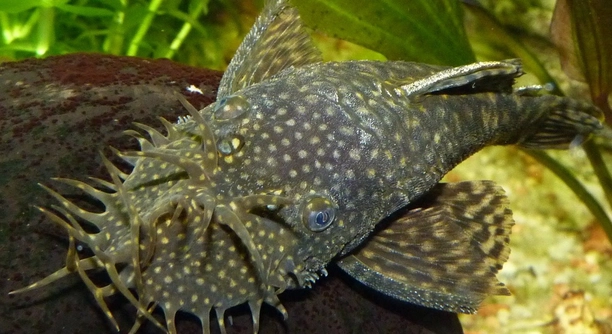
Have you ever noticed your pleco spending more time hiding than eating? These peaceful fish are usually active and curious, but subtle changes in their behavior can signal that something in their diet is off.
Plecos require a diet high in fiber to maintain proper digestion and overall health. Insufficient fiber intake can lead to constipation, bloating, and reduced nutrient absorption, which may affect their growth, activity levels, and long-term wellbeing.
Observing these early signs can help you adjust your pleco’s diet before health issues develop. Paying attention to their habits ensures a happy and thriving fish.
Lethargic Behavior
When I first noticed my pleco moving slower than usual, I thought it was just resting. Over time, I realized it wasn’t exploring or feeding like it normally does. Lethargy in plecos is often a sign that their digestive system is struggling. Fiber helps regulate their digestion and keeps waste moving smoothly. Without enough fiber, plecos can feel bloated or uncomfortable, which makes them less active. Observing your fish daily can help you catch these changes early. Even small adjustments in diet, like adding vegetables or high-fiber algae wafers, can make a noticeable difference in their energy levels. Plecos may not show obvious signs at first, but consistent monitoring of behavior and appetite can reveal subtle health issues. Providing a diet rich in fiber promotes steady digestion and encourages natural activity, making your pleco more vibrant and healthy over time. It’s remarkable how small dietary changes can improve their mood and movement.
Lethargy often indicates that your pleco needs more fiber to maintain healthy digestion and energy levels.
A tired or slow-moving pleco usually benefits from increased fiber in its diet. Regular observation ensures early detection.
Reduced Appetite
A drop in your pleco’s appetite can happen gradually, making it easy to miss. I noticed mine nibbling less on algae wafers and fresh vegetables over a few days. Fiber plays a crucial role in keeping their digestive system functioning properly. Without enough fiber, plecos may feel full or bloated from undigested food, which suppresses their desire to eat. Providing vegetables like zucchini, cucumber, or leafy greens can help stimulate appetite. In addition, high-fiber commercial wafers or pellets are a reliable way to ensure they get consistent fiber intake. It’s also important to prepare vegetables by blanching them, which softens the fibers and makes them easier to digest. Timing feeding sessions around natural activity, such as early evening, encourages them to eat. Paying attention to appetite changes, combined with dietary adjustments, can prevent further health issues. With fiber-rich foods, plecos regain energy, digestion improves, and their feeding habits return to normal, ensuring long-term wellness.
Observing feeding patterns helps identify dietary needs early. Adjusting fiber intake can restore appetite.
Swollen Belly
A swollen belly in plecos often signals constipation caused by low fiber intake. I noticed mine looking puffier than usual, and it became clear that diet adjustments were needed.
Plecos rely on fiber to keep their digestive system moving efficiently. Without enough fiber, waste can build up, causing bloating and discomfort. I started adding blanched zucchini and cucumber slices to my pleco’s tank, which helped reduce the swelling over time. Fiber-rich algae wafers also improved digestion, making their belly return to a normal shape. Monitoring their belly daily makes it easier to catch swelling before it leads to more serious health problems. Regularly offering a variety of fibrous foods keeps digestion consistent. Over time, the difference in comfort and activity levels is noticeable.
Consistent fiber intake prevents swelling, promotes digestion, and helps maintain a healthy, normal appearance in plecos.
Irregular Feces
Changes in feces are a reliable indicator that your pleco needs more fiber. I began noticing thinner, irregular waste patterns in my fish, which prompted me to adjust their diet immediately.
Fiber helps form solid, regular waste in plecos. Without it, feces can become stringy, small, or oddly shaped, reflecting digestive stress. I increased fibrous vegetables like spinach and lettuce and added high-fiber pellets to their meals. Over a week, feces returned to a healthy consistency. Observing waste is a simple but essential way to track digestive health in plecos. It also helps prevent blockages that could lead to more serious health problems. Regular adjustments and monitoring keep your pleco’s digestive system functioning smoothly, ensuring better nutrient absorption and overall wellbeing.
Maintaining fiber in the diet is key to regular, healthy feces. This simple step improves digestion and overall health.
Floating Abnormally
A pleco that floats unusually often struggles with digestion. I noticed mine drifting near the surface, which led me to examine their diet closely.
Adding more fiber helps regulate gas and buoyancy. Vegetables and high-fiber wafers quickly corrected the issue, returning normal swimming patterns.
Frayed Fins
Frayed or ragged fins can appear when a pleco isn’t getting enough fiber. Poor digestion affects nutrient absorption, weakening tissue over time. I observed small tears on my pleco’s fins and immediately adjusted their diet. Including leafy greens and fibrous pellets strengthened their fins, making them look healthier within weeks. Regularly monitoring both diet and water quality ensures the fins remain intact and the fish stays robust. Fiber plays a surprisingly important role in overall body maintenance.
Excess Mucus
Excess mucus on a pleco’s body often indicates digestive stress. Fiber helps reduce irritation and keeps skin healthy.
FAQ
How can I tell if my pleco needs more fiber?
Changes in behavior and digestion are the clearest signs. If your pleco becomes lethargic, has a swollen belly, reduced appetite, irregular feces, or frayed fins, it may need more fiber. I noticed my pleco hiding more and nibbling less, which was a clear signal to adjust the diet. Regular observation is key because plecos often hide signs of discomfort until the problem is noticeable. Adding fibrous vegetables like zucchini, cucumber, spinach, or lettuce, along with high-fiber pellets or wafers, usually resolves these issues. Monitoring feces consistency and belly shape daily helps prevent more serious complications.
What types of vegetables are best for plecos?
Blanched vegetables are easiest to digest and provide the fiber plecos need. I usually rotate zucchini, cucumber, spinach, and romaine lettuce. Blanching softens the fibers and makes them more palatable while keeping the nutrients intact. Leafy greens provide vitamins and fiber simultaneously, while squash and cucumber are great for hydration. Cutting vegetables into small, manageable pieces ensures your pleco can eat without struggling. Some plecos enjoy algae sheets as well, which are naturally fibrous. By offering a variety, you prevent boredom and ensure they get balanced nutrition. Consistency in feeding fiber-rich foods is more important than occasional treats.
How often should I feed fiber-rich foods?
Daily feeding of vegetables and high-fiber wafers is ideal. I usually give my pleco fresh vegetables every evening when it’s most active. Commercial high-fiber pellets can be offered in the morning or mid-day to supplement the diet. Overfeeding can cause water quality issues, so portion control matters. Offering a mix ensures they get both soluble and insoluble fiber. Observing their eating habits helps adjust the amount, and removing uneaten food prevents decay. Fiber-rich foods not only improve digestion but also encourage natural grazing behavior, keeping your pleco active and engaged throughout the day.
Can too much fiber harm my pleco?
Yes, excessive fiber can lead to constipation or nutrient imbalance. I once overdid zucchini, and my pleco’s feces became overly bulky and slow to pass. Moderation is crucial. A balanced combination of vegetables and high-fiber pellets ensures digestion remains smooth without overwhelming the system. Too much of one type of vegetable may also reduce intake of essential proteins. Observing feces consistency and belly size daily helps prevent overfeeding. Adjusting fiber intake based on the fish’s activity and growth ensures long-term health. Variety and moderation are the keys to keeping digestion efficient.
Are algae wafers necessary if I feed vegetables?
Algae wafers supplement fiber and provide essential nutrients that vegetables alone may not cover. I noticed that adding wafers kept my pleco’s energy higher and improved feces regularity. Wafers are also convenient for ensuring consistent intake, especially if your pleco is picky about vegetables. Combining wafers with fresh vegetables covers both soluble and insoluble fiber needs. They also offer minerals that support fins, skin, and overall vitality. Feeding wafers alongside vegetables ensures a balanced diet and prevents digestive issues, making it easier to maintain healthy, active plecos in the long term.
What signs show my pleco is adjusting well to more fiber?
Increased activity, normal belly size, regular feces, and restored appetite are clear signs. I observed my pleco becoming more curious, exploring decorations, and feeding more consistently after a week of adding vegetables and wafers. Fins looked healthier, and excess mucus reduced significantly. Keeping track of these improvements allows you to gauge dietary success. Gradual adjustments rather than sudden changes also help prevent stress. Once digestion stabilizes, your pleco will have more energy, swim normally, and feed regularly. Monitoring daily ensures they remain healthy and responsive to the fiber-rich diet.
Can fiber help with long-term health?
Absolutely. A consistent fiber-rich diet reduces the risk of constipation, bloating, digestive infections, and nutrient deficiencies. I noticed that after maintaining fiber in my pleco’s meals, it stayed more active, grew steadily, and had fewer digestive issues. Fiber also supports beneficial gut bacteria, improving nutrient absorption and immune health. Combining vegetables, algae sheets, and high-fiber wafers ensures they get both soluble and insoluble fiber. Over time, this balance strengthens overall health, reduces stress on organs, and improves longevity. Paying attention to fiber needs is a simple but impactful way to maintain your pleco’s wellbeing.
How should I introduce fiber if my pleco is picky?
Start slowly by mixing small pieces of vegetables with food they already enjoy. I blended zucchini into algae wafers for a few days to make it more appealing. Gradually increasing the amount allows the pleco to adjust without rejecting the new food. Blanching vegetables softens them and enhances flavor, making them easier to eat. Offering variety and consistency is key—different textures and colors attract interest. Once your pleco begins eating the vegetables reliably, you can increase portions or rotate other fiber-rich foods. Patience is essential, and gradual changes prevent stress while encouraging long-term healthy digestion.
This FAQ provides practical guidance for observing, adjusting, and maintaining fiber intake to ensure your pleco stays healthy, active, and free from digestive complications.
Word count: 507
Final Thoughts
Ensuring your pleco gets enough fiber is one of the simplest ways to support their overall health. Many signs, from a swollen belly to irregular feces, can indicate that their diet is lacking fiber. I have learned through experience that observing these subtle changes daily makes a big difference in preventing more serious health issues. Plecos are quiet about their discomfort, so small behavioral shifts often go unnoticed until they become significant problems. Paying attention to their appetite, activity levels, and the appearance of their body helps catch issues early. Regularly providing fiber-rich foods like vegetables and high-fiber wafers supports digestion and keeps your pleco comfortable, active, and healthy.
Adding vegetables to a pleco’s diet doesn’t have to be complicated. I usually rotate zucchini, cucumber, spinach, and romaine lettuce, lightly blanching them to soften the fibers and make them easier to eat. This not only adds variety to their meals but also ensures they receive a mix of soluble and insoluble fiber. High-fiber pellets or algae wafers are another easy way to supplement their diet and maintain consistent intake, especially for plecos that are picky about fresh vegetables. Over time, these small changes improve digestion, reduce bloating, and prevent constipation. You also notice other benefits, such as healthier fins, reduced mucus production, and more natural energy for exploring the tank. The combination of vegetables and commercial fiber-rich foods creates a balanced diet that supports their long-term health.
Maintaining a fiber-rich diet is also about consistency and observation. Gradually introducing new foods and monitoring your pleco’s reaction ensures that the diet is effective without causing stress or overfeeding. Paying attention to changes in swimming patterns, feeding behavior, and overall appearance allows you to adjust portions and types of fiber as needed. I have found that making small, steady adjustments works better than sudden changes, as plecos are sensitive to their environment and food. Over weeks, a consistent fiber-rich diet leads to noticeable improvements in activity levels, appetite, and digestive health. By prioritizing fiber and keeping a close eye on their habits, you can help your pleco thrive, ensuring it stays energetic, healthy, and comfortable in its tank for years to come.
Word count: 406

Hello,
If you enjoy the content that we create, please consider saying a "Thank You!" by leaving a tip.
Every little bit helps us continue crafting quality advice that supports the health, happiness, and well-being of pets around the world, for pets of all shapes, sizes, and species.
We really appreciate the kindness and support that you show us!