
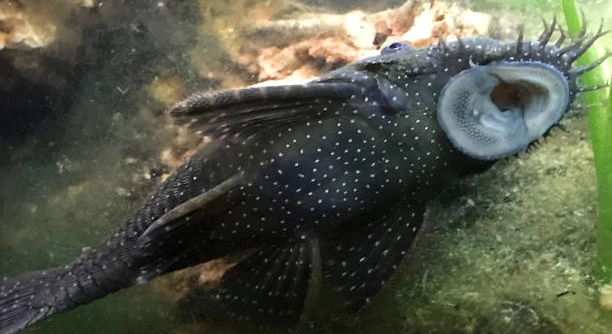
Are your bristlenose plecos showing signs of fin damage, leaving their tails ragged or frayed? Fin issues are common in home aquariums and can stem from multiple environmental and behavioral factors affecting your fish’s health.
Fin damage in bristlenose plecos typically arises from poor water quality, aggressive tank mates, nutritional deficiencies, infections, fin-nipping behaviors, stress, and injuries caused by sharp or rough decorations within the aquarium environment. Proper care can minimize these risks.
Understanding the causes of fin damage will help you maintain healthier plecos and create a safer, more comfortable environment for them to thrive.
Poor Water Quality
Poor water conditions are one of the most common reasons bristlenose plecos develop fin damage. High levels of ammonia, nitrites, and nitrates can irritate their delicate fins, causing them to fray or rot over time. Even minor fluctuations in pH or temperature can stress plecos, making their fins more vulnerable to damage. Regular water testing and partial water changes are essential to maintain a healthy environment. Filtration should be strong enough to remove waste but gentle enough not to create strong currents that stress the fish. Overfeeding can also contribute to water pollution, so controlling food intake is important. Observing your pleco daily allows you to notice early signs of stress or fin deterioration. In addition, decorations and substrate should be kept clean to prevent bacterial or fungal buildup. Attention to these details will ensure your pleco’s fins stay strong and healthy.
Keeping water clean and stable is critical for preventing fin damage. Regular testing, proper filtration, and careful feeding maintain a healthy environment for bristlenose plecos.
Even small improvements in water quality can make a noticeable difference in your pleco’s fin condition. Clear water, consistent temperature, and minimal toxins reduce stress and help fins heal naturally. Monitoring these factors closely ensures your pleco remains active and healthy.
Aggressive Tank Mates
Aggressive fish in the tank can bite or nip at bristlenose plecos, leading to torn fins.
Some fish species are territorial or competitive, especially in smaller tanks. Fin-nipping can happen even if the pleco is generally peaceful. Aggression often increases during feeding times or when space is limited. Hiding spots and decorations can give plecos places to retreat, reducing conflicts. Observing interactions between fish can help identify problematic tank mates before injuries become serious. Removing or separating aggressive fish may be necessary to prevent recurring damage. Maintaining a balanced stocking level also reduces competition and stress. By carefully selecting companions and providing sufficient space, plecos are much less likely to suffer from torn or frayed fins. Creating a calm, well-structured environment encourages all fish to coexist peacefully, promoting both physical health and a stable tank dynamic. Proper planning and observation are key to keeping plecos safe from aggression-related injuries.
Nutritional Deficiencies
Bristlenose plecos need a balanced diet to keep their fins healthy. A lack of essential vitamins and minerals can weaken fin tissue, making it prone to tearing and slow to heal.
Providing a mix of algae wafers, vegetables, and occasional protein helps maintain strong fins. Vitamin supplements can support recovery if deficiencies are suspected. Avoid feeding only one type of food, as this limits nutrient intake. Fresh vegetables like zucchini, cucumber, and spinach are excellent sources of fiber and nutrients, while occasional bloodworms or shrimp provide protein. Monitoring how your pleco eats ensures they are receiving proper nutrition and can prevent fin issues before they worsen.
Even if the tank looks clean and peaceful, poor nutrition quietly affects your pleco. A varied diet strengthens fins, improves immune function, and supports overall health. Healthy fins allow plecos to swim naturally and interact comfortably with tank mates. Consistency in feeding and careful observation can prevent small problems from becoming significant injuries.
Infections
Bacterial and fungal infections can attack bristlenose pleco fins, causing fraying, discoloration, or patches of missing tissue. These infections often follow injuries or poor water conditions.
Treating infections early is critical. Medications designed for fish, such as antibacterial or antifungal treatments, can halt the progression of fin rot. Quarantining affected plecos prevents the spread of infection to other tank inhabitants. Clean water, gentle aeration, and removing decaying matter support healing and reduce stress. Healthy, clean environments minimize the chance of infections taking hold. Regular monitoring ensures any issues are caught quickly.
Fin infections can progress rapidly if ignored. In addition to medications, boosting water quality and nutrition aids recovery. Observing daily changes in fin appearance and behavior allows for timely intervention. Even small tears can become infected without proper care, so preventative measures and quick responses make a significant difference in overall fin health. Maintaining hygiene in the tank is equally important, as leftover food, detritus, or overcrowding can exacerbate infections. A consistent care routine ensures plecos recover faster and maintain vibrant, intact fins.
Fin-Nipping Behaviors
Some tank mates or even plecos themselves may nip at fins, causing fraying or tears. This behavior often happens during feeding or when territory is contested.
Providing enough space, hiding spots, and proper diet reduces fin-nipping. Observing interactions closely helps prevent repeated injuries before they become serious.
Stress
Stress in bristlenose plecos weakens their immune system and makes fins more vulnerable to damage. Sudden changes in environment, overcrowding, or aggressive tank mates can all cause stress. Maintaining stable water conditions and giving plecos quiet areas reduces stress significantly.
Sharp Decorations
Sharp rocks, ornaments, or rough substrate can tear pleco fins easily. Plecos often brush against decorations while exploring, which can lead to injuries. Choosing smooth, safe decorations and avoiding jagged edges minimizes the risk of damage while keeping the tank visually appealing and functional for your fish.
Injuries
Accidental injuries from bumps or rough surfaces can result in torn fins. These injuries are common in newly set-up tanks or during rearrangements. Monitoring your pleco and ensuring decorations are securely placed helps reduce the chances of such damage occurring.
FAQ
What are the first signs of fin damage in bristlenose plecos?
The earliest signs include small frays, tears, or missing chunks along the edges of the fins. You may notice discoloration, such as white or red streaks, and your pleco might swim less actively or hide more. Early detection is important to prevent further deterioration.
Can poor water quality alone cause fin damage?
Yes. High levels of ammonia, nitrites, or nitrates can irritate fins, making them prone to tearing. Sudden pH shifts or temperature fluctuations also stress plecos, weakening fin tissue. Regular water changes and testing are essential to maintain stable conditions.
How can I improve my pleco’s diet to protect fins?
A balanced diet includes algae wafers, fresh vegetables like zucchini and spinach, and occasional protein sources such as bloodworms or shrimp. Vitamin supplements may help if deficiencies are suspected. Feeding variety ensures fins and overall health remain strong.
Are fin-nipping tank mates a serious problem?
Yes, repeated nipping can lead to torn fins and secondary infections. Observing interactions, providing hiding spots, and separating aggressive fish can reduce damage. Overcrowding also increases competition and fin-nipping behavior.
How do I treat fin infections?
Infections caused by bacteria or fungi require medication specific to the type of infection. Quarantining affected plecos prevents spreading, while clean water and proper nutrition support healing. Removing decaying plant matter or leftover food also helps reduce infection risk.
Can stress cause fin damage even without injuries?
Stress weakens immune responses, making fins vulnerable to infection and slow healing. Sources of stress include sudden water changes, loud noises, overcrowding, and aggressive tank mates. Providing stable water conditions and hiding areas minimizes stress.
Do sharp decorations in the tank really matter?
Yes, rough or jagged decorations can tear fins when plecos brush against them. Smooth rocks, driftwood, or rounded ornaments are safer. Ensuring decorations are securely placed prevents accidental bumps or injuries.
How long does it take for fins to heal?
Healing time varies based on severity, water quality, and diet. Minor frays may heal within a few weeks, while severe tears or infections can take longer. Consistently clean water, proper nutrition, and reduced stress accelerate recovery.
Can I prevent fin damage entirely?
While complete prevention isn’t guaranteed, maintaining clean water, a balanced diet, safe decorations, and peaceful tank mates greatly reduces the risk. Regular observation allows early intervention before problems worsen, keeping your plecos healthy and active.
Should I isolate a pleco with damaged fins?
Isolation is helpful if tank mates are aggressive or if infections are present. A separate quarantine tank allows targeted treatment, reduces stress, and prevents the spread of disease. Ensure the quarantine environment mimics the main tank to avoid additional stress.
Is fin rot reversible?
Yes, fin rot can be reversed if detected early. Proper water quality, medications, and nutrition help fins regenerate. Severe cases may require extended care, but plecos can often fully recover if treated promptly.
Are young plecos more prone to fin damage than adults?
Juvenile plecos have smaller, more delicate fins, making them more vulnerable to nipping, injuries, and infections. Extra care, gentle tank mates, and careful feeding routines help protect younger fish while their fins grow stronger.
How often should I check my pleco for fin issues?
Daily observation is ideal. Quick visual checks allow you to notice fraying, discoloration, or behavioral changes early. Catching issues early improves treatment outcomes and prevents serious damage.
Can adding hiding spots reduce fin damage?
Yes. Hiding spots reduce stress and protect plecos from aggressive tank mates. Driftwood, caves, and plants provide safe areas for resting and recovering, minimizing the chance of accidental nips or scrapes.
Does tank size affect fin health?
Smaller, overcrowded tanks increase stress and aggression, leading to higher risk of fin damage. Larger tanks with proper stocking levels give plecos space to swim, hide, and avoid conflicts, promoting healthier fins.
Are there signs that indicate fins are healing properly?
Healthy regrowth appears as smooth, evenly colored fin edges without fraying. Plecos resume normal swimming behavior, and torn areas gradually close. Monitoring for any signs of renewed tearing or discoloration ensures recovery is progressing.
Can temperature fluctuations contribute to fin damage?
Yes. Rapid changes in temperature stress plecos, weaken immune responses, and increase susceptibility to infections. Stable, species-appropriate water temperatures are critical for preventing fin deterioration and promoting healing.
Should I use aquarium salt for fin damage?
Aquarium salt can help prevent secondary infections and reduce stress in some cases. Use it carefully and according to recommended dosages for bristlenose plecos, as excessive salt can harm sensitive fish.
How do I know if fin damage is from nipping or infection?
Torn fins with ragged edges often indicate nipping, while frayed fins with discoloration, white edges, or fuzzy growth suggest bacterial or fungal infections. Observing tank behavior and water conditions helps determine the cause.
Can fin damage affect my pleco’s lifespan?
Severe or untreated fin damage can lead to infections, stress, and weakened health, potentially shortening lifespan. Early care, good water quality, and proper diet prevent long-term effects and support overall well-being.
Is it safe to keep multiple plecos together?
Yes, but monitor interactions carefully. Aggression can occur over territory, especially in smaller tanks. Providing sufficient space, hiding spots, and multiple food sources reduces competition and protects fins from damage.
How do I prevent recurring fin damage?
Maintain clean water, stable conditions, safe decorations, and a balanced diet. Observe tank mates, reduce stressors, and intervene quickly when injuries or infections appear. Consistency in care is the best way to keep plecos’ fins healthy over time.
This FAQ section provides practical guidance for understanding, preventing, and addressing fin damage in bristlenose plecos, helping maintain their health and well-being in a home aquarium.
Final Thoughts
Bristlenose plecos are resilient fish, but their fins are delicate and prone to damage. Maintaining a healthy tank environment is essential to keeping their fins intact. Clean water, stable temperatures, and proper filtration form the foundation of a safe habitat. Even small lapses in water quality can cause stress, making fins weaker and more susceptible to tearing or infection. Regular water testing, partial water changes, and careful observation of fish behavior help prevent problems before they become serious. Paying attention to these basic care needs ensures your pleco stays healthy and active, reducing the risk of fin damage over time.
Nutrition also plays a key role in fin health. Plecos require a balanced diet that includes algae wafers, fresh vegetables like zucchini or spinach, and occasional protein sources such as shrimp or bloodworms. Nutrients like vitamins and minerals help maintain strong fin tissue and promote healing if damage occurs. Feeding a variety of foods prevents deficiencies, while monitoring how much your pleco eats helps avoid overfeeding, which can impact water quality. Healthy fins allow plecos to swim naturally, interact with their environment, and display their characteristic behavior. A consistent feeding routine combined with proper water care creates an environment where fins can regenerate if they are slightly damaged.
Finally, managing interactions with other tank mates and providing safe hiding spots is equally important. Aggressive or fin-nipping fish can cause physical injuries, while stress from overcrowding or sudden changes in the tank can slow fin recovery. Adding smooth decorations, driftwood, or caves gives plecos places to retreat and reduces the chance of accidental scrapes. Observing fish daily helps you notice changes in fin condition early, allowing prompt intervention with treatments or adjustments to the tank setup. By combining careful water maintenance, proper nutrition, and a calm, safe environment, fin damage can be minimized, giving your bristlenose pleco a healthier and more comfortable life.
This approach emphasizes proactive care. Rather than waiting for problems to appear, attending to water quality, diet, and tank dynamics helps prevent fin damage and supports overall well-being. Plecos may seem hardy, but their fins are sensitive indicators of their health. Consistent care allows them to thrive, heal naturally from minor injuries, and live longer, active lives. Maintaining this balance between environment, nutrition, and social dynamics is the key to keeping bristlenose plecos in optimal condition and ensuring their fins remain strong and intact.

Hello,
If you enjoy the content that we create, please consider saying a "Thank You!" by leaving a tip.
Every little bit helps us continue crafting quality advice that supports the health, happiness, and well-being of pets around the world, for pets of all shapes, sizes, and species.
We really appreciate the kindness and support that you show us!