
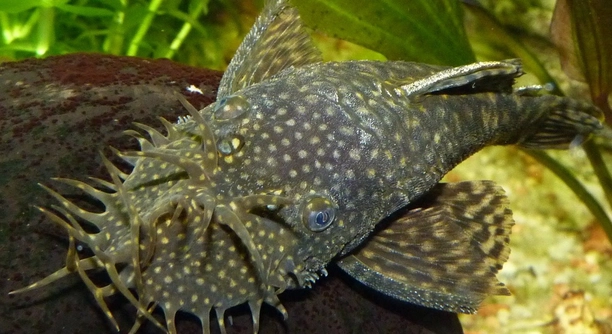
Plecos are popular freshwater fish known for their algae-eating habits. Many owners enjoy keeping them healthy and active, but digestive issues like bloating can become a concern if their diet is not carefully managed.
Feeding plecos foods rich in fiber and low in starch helps prevent bloating. Vegetables such as zucchini, cucumber, and peas, along with specially formulated sinking wafers, support proper digestion and maintain gut health, ensuring their digestive system functions efficiently.
Knowing which foods aid digestion can make a significant difference in your pleco’s overall well-being and longevity in a home aquarium.
Vegetables That Aid Digestion
Vegetables are essential for plecos to maintain healthy digestion and avoid bloating. Zucchini is one of the best options. It is soft, easy to digest, and provides fiber that supports gut function. Cucumbers are another excellent choice. They are hydrating and light, preventing water retention that can contribute to bloating. Peas are highly beneficial as well, especially when shelled and softened. They promote regular bowel movements and help clear waste in the digestive tract. Leafy greens like spinach and romaine lettuce also provide fiber while supplying essential vitamins and minerals. Blanching vegetables before feeding can make them easier for plecos to eat and digest, reducing the risk of digestive discomfort. Offering a variety of these vegetables ensures that plecos receive a balanced intake of nutrients, which supports both digestion and overall health. A consistent vegetable-based diet can prevent common bloating problems.
These vegetables are easy to prepare and can be offered regularly, keeping plecos healthy.
Incorporating vegetables into your pleco’s diet requires some preparation. Blanching or lightly steaming makes tough fibers easier to digest. Slicing vegetables into manageable sizes encourages eating and reduces waste in the tank. Rotating different vegetables prevents monotony and ensures they receive a full spectrum of nutrients. Observing your pleco’s response to each vegetable can help identify preferences and tolerances. Overfeeding should be avoided, as excess vegetables can also disrupt digestion. A steady, controlled feeding schedule maintains proper gut function. Vegetables alone may not provide all nutrients, so supplementing with sinking wafers or algae-based foods is recommended. Monitoring water quality is important, as leftover vegetables can decompose quickly and affect the tank environment. By maintaining a balanced diet and clean habitat, plecos are less likely to experience bloating, leading to a longer, healthier life.
Sinking Wafers and Prepared Foods
Sinking wafers are convenient and digestible options for plecos, helping prevent bloating and providing balanced nutrition.
Prepared wafers contain essential fibers and proteins that support digestive health, offering a reliable supplement to vegetable intake.
These wafers are specifically designed to sink slowly, allowing plecos to feed naturally at the bottom of the tank. They are fortified with vitamins and minerals that vegetables alone may not provide, ensuring a complete diet. Feeding wafers in moderation alongside fresh vegetables prevents overfeeding and reduces the risk of bloating. Observing the pleco while it eats ensures that each portion is consumed fully, preventing waste and water contamination. Rotating different brands or types of wafers can keep their diet varied and nutritionally balanced. Additionally, some wafers include algae or spirulina, which mimic their natural food sources and promote gut motility. Consistency in feeding schedules and portion control are key factors in preventing digestive issues. By combining sinking wafers with fresh vegetables, plecos maintain optimal digestion, energy levels, and overall health, creating a stable environment in which they thrive.
Algae and Leafy Greens
Algae is a natural food source for plecos and supports healthy digestion. Leafy greens like kale and romaine provide fiber and essential nutrients, preventing bloating while keeping plecos active and strong in the tank environment.
Algae can be offered as wafers or grown naturally in the tank. It contains polysaccharides that aid digestion and keep the gut functioning properly. Leafy greens, when blanched, are easier to digest and help prevent constipation. Rotating different greens ensures a variety of nutrients and keeps feeding interesting. Overfeeding any single type can cause digestive discomfort, so portion control is important. Together, algae and leafy greens maintain proper gut health and reduce bloating risks in plecos.
Consistently offering these foods along with vegetables and wafers creates a balanced diet. Plecos benefit from the fiber, vitamins, and minerals, improving overall digestion and reducing digestive stress. Observing how plecos respond to each type helps refine their feeding routine, ensuring they remain healthy and active. These natural foods complement other dietary elements to support a strong and functional digestive system.
Frozen and Blanched Vegetables
Frozen vegetables are convenient and preserve nutrients, making them ideal for pleco diets. Blanching softens tough fibers, improving digestibility and preventing bloating.
Frozen vegetables such as peas, spinach, and zucchini retain vitamins and minerals that promote gut health. Blanching helps break down cellulose, allowing plecos to digest the food without strain. Offering small portions prevents leftover waste in the tank, maintaining water quality. Combining frozen vegetables with fresh options ensures a variety of nutrients and keeps feeding balanced. Observing plecos while they eat helps adjust portion sizes and avoid overfeeding, which can cause digestive issues. Using frozen vegetables also reduces preparation time while providing consistent quality.
Blanching and freezing vegetables extends their shelf life and makes feeding easier. The process removes potential pathogens and softens fibers, reducing the likelihood of bloating. Portioning vegetables into small pieces encourages consumption and minimizes waste. Alternating between frozen and fresh vegetables ensures plecos receive diverse nutrients while keeping meals interesting. Integrating these options into a feeding schedule supports healthy digestion, nutrient absorption, and overall vitality in plecos. Proper preparation, portion control, and observation are key to maintaining digestive health.
Cucumbers and Zucchini
Cucumbers are light, hydrating, and easy for plecos to digest, reducing bloating risks. Zucchini provides fiber and nutrients, supporting gut health while being gentle on their digestive system.
Both vegetables should be sliced or blanched before feeding. This makes them easier to eat and ensures plecos can process them without digestive strain.
Sweet Potato
Sweet potato is rich in fiber and low in starch, making it ideal for pleco digestion. When cooked and softened, it promotes bowel regularity and prevents constipation. Including small portions in their diet adds essential vitamins while supporting gut health and overall well-being.
Peas
Peas are excellent for maintaining proper digestion. Shelled and softened, they help move waste through the digestive tract efficiently.
FAQ
What causes bloating in plecos?
Bloating in plecos often results from poor digestion, overfeeding, or consuming foods that are too starchy or hard to process. Low-fiber diets and irregular feeding schedules can also contribute. Water quality and tank conditions may indirectly affect digestion, making gut issues more likely.
How can I tell if my pleco is bloated?
A bloated pleco will appear swollen or unusually round, especially around the abdomen. They may move slower than usual, struggle to swim, or cling to surfaces more often. In some cases, bloating may be accompanied by lethargy or reduced appetite. Observing their regular behavior helps identify subtle changes.
Which foods should I avoid to prevent bloating?
Avoid feeding plecos high-starch foods, such as potatoes that are not prepared correctly, bread, or excessive grains. Processed human foods can be harmful. Stick to vegetables, algae wafers, and natural foods designed for pleco digestion to reduce the risk of bloating.
How often should I feed my pleco to prevent digestive issues?
Feeding small portions once or twice daily is generally sufficient. Overfeeding increases the risk of bloating and waste buildup. Observing how quickly the pleco consumes food and adjusting portions accordingly ensures proper digestion and maintains water quality.
Can supplements help with pleco digestion?
Fiber-rich supplements or algae-based pellets can aid digestion. These products are formulated to support gut health and prevent constipation. They should be used alongside a balanced diet of vegetables and sinking wafers, rather than replacing fresh foods entirely.
Is it necessary to blanch vegetables for plecos?
Yes, blanching softens tough fibers in vegetables like zucchini, spinach, or peas. This makes them easier to digest and reduces the likelihood of bloating. Blanching also removes potential pathogens and helps maintain water quality by preventing quick decomposition.
How long can plecos go without food?
Plecos can survive for several days without food, but extended fasting may stress their system. Short periods without food can help regulate digestion if bloating occurs, but regular feeding is important for long-term health and energy.
Can water temperature affect digestion?
Yes, water temperature influences metabolic rates. Cooler water can slow digestion, while overly warm water may speed it up too much. Maintaining a stable, species-appropriate temperature supports consistent digestion and reduces digestive stress.
What is the best way to combine vegetables and wafers in a pleco diet?
Offer vegetables first, such as blanched zucchini or peas, followed by a small portion of sinking wafers. This ensures fiber intake while supplementing essential nutrients. Rotating different vegetables and wafer types prevents monotony and encourages consistent eating habits.
Should I consult a vet for bloating issues?
Yes, persistent bloating or digestive distress warrants a professional check. A vet can rule out infections, organ problems, or parasites and provide guidance on diet adjustments to maintain long-term digestive health.
How can I monitor my pleco’s digestion effectively?
Observe their eating behavior, swimming patterns, and physical appearance. Regularly check the tank for leftover food and maintain clean water. Noting changes in stool consistency can indicate digestive issues early, allowing timely adjustments to diet or feeding schedules.
Are there long-term effects of repeated bloating?
Repeated bloating can cause organ strain, reduce activity, and impair nutrient absorption. Chronic digestive problems may shorten lifespan and affect overall health. Preventing bloating through proper diet and care is essential for maintaining plecos’ long-term well-being.
Can other fish affect pleco digestion?
Aggressive or competitive tank mates may prevent plecos from eating enough or cause stress, which can impact digestion. Providing ample hiding spots and feeding areas reduces stress and ensures each fish can feed adequately, supporting healthy digestion for all tank inhabitants.
How important is variety in a pleco’s diet?
Variety prevents nutrient deficiencies and encourages proper digestion. Rotating vegetables, algae wafers, and occasional frozen foods ensures plecos receive balanced nutrition. Different textures also stimulate feeding behavior and keep their digestive system active and healthy.
What signs indicate my pleco is digesting food well?
A healthy pleco eats consistently, maintains a normal body shape, and produces firm, regular stool. Active swimming and smooth, coordinated movements indicate good energy levels and proper digestion. Observing these signs helps confirm that their diet is supporting gut health effectively.
This FAQ section provides clear, practical answers for maintaining a pleco’s digestive health, helping prevent bloating and supporting overall well-being. Proper diet, observation, and care are key to keeping plecos healthy and active.
Final Thoughts
Maintaining a healthy diet is the most important factor in preventing bloating in plecos. Vegetables, algae, and prepared sinking wafers all play a crucial role in supporting digestion and providing essential nutrients. Offering a variety of foods ensures that plecos receive fiber, vitamins, and minerals needed for proper gut function. Consistency is key—feeding them on a regular schedule and in proper portions helps avoid overfeeding, which is a common cause of bloating. Observing your pleco during feeding allows you to adjust portions according to its appetite, preventing leftover food from decaying in the tank. A balanced diet not only keeps plecos free from digestive issues but also promotes healthy growth, energy, and longevity. While it can take some time to establish a routine that works best, investing effort into diet planning pays off by keeping your pleco active, healthy, and comfortable in its environment.
Preparation methods also matter when feeding plecos. Blanching vegetables softens fibers, making them easier to digest, while freezing preserves nutrients for long-term use. Slicing vegetables into manageable pieces ensures that plecos can eat them without difficulty and reduces waste. Rotating different types of vegetables and prepared foods prevents monotony in their diet and helps maintain gut health. Observing the effects of each type of food on digestion can guide future feeding decisions. Combining natural foods with commercially prepared sinking wafers provides a complete nutrient profile, supporting both digestion and overall health. Attention to portion control, preparation, and feeding consistency can significantly reduce the risk of bloating, creating a more comfortable life for your pleco.
Environmental factors should not be overlooked when maintaining digestive health. Clean water and appropriate tank conditions support proper digestion and prevent additional stress on the fish. Overcrowded or dirty tanks can contribute to poor feeding habits, which may lead to digestive problems. Temperature stability is also important, as water that is too cold or too warm can affect metabolism and gut motility. Providing hiding spaces and a calm environment ensures plecos can feed without stress, supporting a steady digestion process. By focusing on diet, preparation, and environmental factors, bloating can be effectively minimized, promoting long-term well-being. Regular observation and small adjustments to feeding routines and tank care can make a significant difference, helping plecos thrive in a balanced and healthy habitat.

Hello,
If you enjoy the content that we create, please consider saying a "Thank You!" by leaving a tip.
Every little bit helps us continue crafting quality advice that supports the health, happiness, and well-being of pets around the world, for pets of all shapes, sizes, and species.
We really appreciate the kindness and support that you show us!