
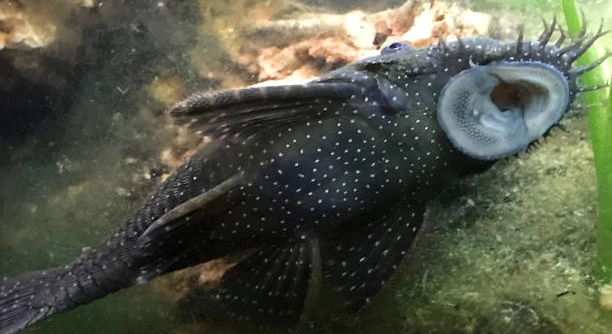
Have you ever noticed your plecos acting more protective or spending extra time near their hiding spots? These subtle shifts often signal that spawning behavior may soon begin in your aquarium environment.
Plecos are ready to spawn when the males become territorial, clean potential nesting areas, and display brighter coloration. Females often appear rounder as their eggs develop, signaling that the pair is approaching breeding readiness within their aquatic setting.
Understanding these signs will help you prepare the right conditions, ensuring a healthy and successful spawning experience for your plecos.
Increased Territorial Behavior
When plecos are ready to spawn, males begin to claim and defend a specific area within the tank. This behavior becomes noticeable as they chase away other fish and guard their chosen spot more aggressively. You may see them spending more time inside caves, under driftwood, or around rocks, cleaning these surfaces carefully. This preparation is vital for attracting a mate and creating a safe place for eggs. Females will often observe this activity before deciding whether to approach the nesting area. These changes show the beginning of breeding readiness and indicate that spawning could soon occur.
Once you observe consistent guarding behavior, it’s best to avoid rearranging the aquarium setup or adding new fish. This helps maintain a calm environment and reduces stress during the breeding process.
Understanding this behavioral change allows you to monitor your plecos more closely and provide the right environment for successful spawning. Keeping the tank peaceful, clean, and dimly lit supports the natural process. Adding suitable caves and smooth surfaces also encourages breeding behavior. When males are allowed to prepare and defend their territory without disruption, the chances of a successful spawn increase. This stage reflects both maturity and environmental comfort, signaling that your plecos feel secure enough to reproduce.
Cleaning Behavior
A key sign that plecos are preparing to spawn is their sudden focus on cleaning a specific area. Males often use their mouths to scrub surfaces like cave walls, driftwood, or slate pieces where eggs will later attach.
This cleaning behavior is a strong indicator of spawning readiness. The male pleco instinctively ensures that the chosen spot is free from algae, dirt, or bacteria that could harm the eggs. Once he’s satisfied, he’ll begin displaying to the female, encouraging her to inspect the site. If she approves, she will lay her eggs in the cleaned area, and the male will fertilize them immediately after. Observing this process helps aquarists know that conditions are ideal—stable water parameters, suitable hiding spots, and a comfortable temperature range. Recognizing and supporting this phase helps ensure a smoother and more successful breeding experience for your plecos.
Brightened Coloration
During spawning readiness, male plecos often show brighter and more intense coloration, especially along their fins and body. This change happens naturally as they attempt to attract a mate and display dominance within the tank.
This visual transformation is most noticeable in species like the Bristlenose and Common Pleco. The male’s fins may appear more vibrant, and his overall tone deepens to signal his fitness and health. These changes help females recognize a strong breeding partner. The color intensity also increases when males guard nesting sites, emphasizing their role in protecting the area. Monitoring these shifts provides a clear indicator of breeding readiness, helping aquarists predict spawning behavior accurately. Proper nutrition and clean water conditions further enhance coloration, ensuring that the male remains in peak condition during this stage.
Healthy coloration not only reflects maturity but also environmental stability. Maintaining ideal tank conditions encourages natural hormonal balance, promoting successful breeding cycles.
Female Fullness and Shape
Female plecos preparing to spawn develop a noticeably rounder abdomen. This change occurs as eggs mature inside the body, and the swelling becomes more pronounced near the lower belly area. Observing this physical difference helps identify when females are approaching spawning time.
This physical sign becomes easier to recognize when comparing females to males of the same species. Their bellies expand gently without affecting swimming behavior, and they may appear heavier when resting on surfaces. At this stage, maintaining consistent water parameters and providing high-protein foods, like bloodworms or algae wafers, supports egg development. It’s important to avoid excessive handling or tank changes, as stress can interrupt the spawning process. A balanced diet and low-stress environment encourage healthy egg production and smooth breeding transitions. This noticeable fullness is one of the most reliable signs that your plecos are nearly ready to spawn successfully.
Increased Cave Activity
Male plecos often spend long periods inside caves as spawning approaches. They guard the entrance, fan their fins to maintain water flow, and make sure the area remains clean for egg protection. This behavior shows their readiness to attract a mate.
If females show interest, they may briefly enter the cave to inspect the nesting site. When conditions are ideal, egg laying happens soon after. Monitoring this increased cave activity helps you recognize when breeding is imminent, allowing you to avoid disturbing the tank during this sensitive stage.
Consistent Water Temperature Preference
Plecos preparing to spawn become more active and responsive when water temperatures remain stable, typically between 78°F and 82°F. Sudden temperature drops or fluctuations can delay or disrupt their readiness. Maintaining steady warmth helps stimulate breeding behavior and supports overall health. Consistency is key to encouraging a natural spawning response in plecos.
Reduced Feeding Interest
As spawning nears, plecos may eat less than usual. This temporary decrease in appetite is normal and often linked to hormonal shifts and nesting focus. It’s important not to overfeed during this period, as they naturally prioritize breeding over regular feeding routines.
FAQ
How old do plecos need to be before they can spawn?
Plecos typically reach sexual maturity between one and two years of age, depending on the species and their environment. Smaller species, such as Bristlenose plecos, may mature faster, while larger types, like Common or Sailfin plecos, can take longer. It’s important to ensure both the male and female have reached full size and are in good health before attempting breeding. Providing a balanced diet rich in protein and maintaining a stable water temperature will help them mature properly. Once mature, they will naturally begin showing the behaviors that signal spawning readiness.
What type of environment encourages plecos to spawn?
Plecos prefer a calm and clean tank environment with hiding places such as caves, tubes, or driftwood. Dim lighting and soft water conditions help mimic their natural habitat, encouraging breeding behavior. Water temperature should remain steady between 78°F and 82°F, as fluctuations can disrupt spawning patterns. Regular water changes and proper filtration are essential to keep the tank healthy. Adding smooth surfaces or cave-like structures provides the perfect area for egg laying. When they feel secure and undisturbed, plecos are more likely to begin spawning activity naturally.
How can I tell if my plecos are forming pairs?
You may notice a male and female spending more time near each other, especially around the chosen spawning area. The male becomes protective, while the female often inspects his cleaned nesting site. Their movements become synchronized as they interact more frequently. This mutual attention indicates pairing and interest in breeding. Although plecos don’t always form long-term pairs, these interactions show readiness for spawning. Observing this behavior can help you confirm that the environment is suitable for breeding and that the fish feel safe and comfortable in their surroundings.
Do plecos need a specific diet before spawning?
A nutrient-rich diet supports pleco health and improves their breeding success. Before spawning, offer foods high in protein such as bloodworms, sinking pellets, and vegetables like zucchini or cucumber. Balanced nutrition ensures proper egg development in females and increases stamina in males. Avoid overfeeding, as excess food can affect water quality and stress the fish. Consistent feeding routines combined with clean water help encourage spawning behavior. Providing a mix of natural and prepared foods ensures both fish receive the nutrients needed to reproduce successfully.
How long does pleco spawning last?
The spawning process can last from several hours to a full day. During this time, the female lays eggs inside the cave while the male fertilizes and then guards them. Once the eggs are secured, the male stays inside the cave to protect and fan them until they hatch. This incubation period usually lasts four to ten days, depending on temperature and species. Patience is essential during this time, as disturbing the male or moving the cave can cause stress and risk the eggs being abandoned.
What should I do once the plecos have spawned?
After spawning, it’s best to leave the male undisturbed inside the cave. He will guard and care for the eggs, fanning them to ensure oxygen flow and cleanliness. Avoid feeding directly near the cave or rearranging the tank. If other fish are present, consider adding a barrier or moving them to another tank to protect the eggs. Once the fry hatch, they can be fed infusoria or crushed algae wafers until they are large enough for regular pleco food. Keeping the environment quiet and stable during this period ensures a higher survival rate for the fry.
Why did my plecos stop showing spawning behavior?
Several factors can cause plecos to stop preparing for spawning. Common reasons include unstable water conditions, lack of proper hiding spots, or changes in temperature. Stress from tank mates or frequent handling can also discourage breeding. Ensure the water remains clean, warm, and slightly soft, with caves available for nesting. Adjusting diet, lighting, and tank layout may also help restore breeding behavior. Plecos often require consistency, and once conditions improve, they typically return to normal spawning activity within a few weeks. Patience and stable care are essential for long-term breeding success.
How many eggs do plecos usually lay?
The number of eggs varies based on the pleco species and their size. Smaller species like Bristlenose plecos may lay between 50 and 200 eggs, while larger species can produce several hundred. The eggs are usually adhesive and placed neatly on the cave surface. After fertilization, the male remains inside to guard them until they hatch. Maintaining proper water flow and temperature helps the eggs develop safely. Avoid interfering during this time, as any disturbance can cause stress or result in the male eating the eggs.
How can I tell when the eggs are about to hatch?
As hatching approaches, the eggs turn from bright orange to a lighter, almost transparent shade. You may notice small movements inside the eggs as the fry begin developing. This usually happens within a week, depending on temperature and species. The male will continue guarding and fanning them until they hatch. Once the fry emerge, they cling to surfaces near the nest until they start swimming freely. Keeping water conditions stable and oxygen levels high during this stage helps ensure healthy hatching and strong fry development.
Final Thoughts
Understanding when plecos are ready to spawn takes patience and close observation. These fish communicate their readiness through clear behaviors such as territorial guarding, cleaning surfaces, and displaying brighter coloration. Recognizing these signs not only helps in predicting spawning but also ensures that both fish are healthy and comfortable in their environment. Stable water conditions, proper nutrition, and quiet surroundings play essential roles in encouraging this natural process. Breeding plecos successfully depends on the aquarist’s ability to maintain consistency and create an environment that mirrors their natural habitat. When these conditions are met, the chances of spawning and raising healthy fry increase significantly.
Caring for plecos during spawning is about balance and understanding their instincts. The male’s dedication to cleaning and protecting the cave shows his readiness to reproduce, while the female’s rounded shape indicates that her eggs are ready for fertilization. These small but important details reveal a lot about their behavior and health. Aquarists who remain observant and avoid unnecessary interference will usually see better breeding outcomes. It is also vital to maintain proper filtration without creating excessive current, as this can disturb the eggs or stress the fish. Providing natural materials like driftwood and smooth stones gives plecos comfortable areas for nesting and resting. These thoughtful adjustments make a noticeable difference in their breeding success.
Once spawning occurs, patience becomes essential. The male takes on the responsibility of guarding the eggs, ensuring they remain clean and well-oxygenated. During this stage, it is best to keep the tank stable and avoid making changes. Allowing the natural process to unfold helps both adults and fry thrive. Once the eggs hatch, young plecos begin feeding on biofilm and algae before transitioning to soft foods. Supporting them through this stage ensures strong growth and survival. Breeding plecos can be a rewarding experience when approached with care, consistency, and understanding. Observing their natural behaviors and providing the right environment not only leads to successful spawning but also deepens appreciation for these remarkable fish. With time, patience, and steady care, even small details like water flow, diet, and lighting can help create a healthy and thriving breeding environment for plecos.

Hello,
If you enjoy the content that we create, please consider saying a "Thank You!" by leaving a tip.
Every little bit helps us continue crafting quality advice that supports the health, happiness, and well-being of pets around the world, for pets of all shapes, sizes, and species.
We really appreciate the kindness and support that you show us!