
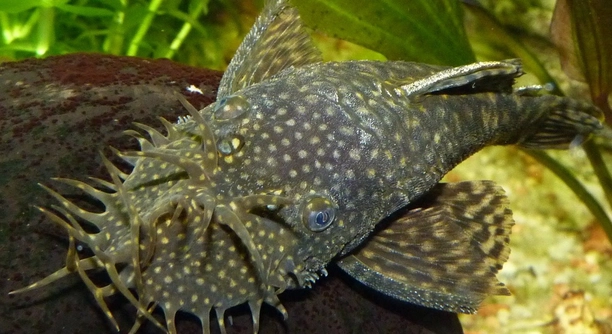
Do you ever notice your pleco acting sluggish or hiding more than usual? A poor diet can quietly affect their health, leading to problems that are not always obvious. Feeding them correctly is essential for their well-being.
Poor pleco diets can lead to significant health issues, including stunted growth, digestive problems, weakened immunity, and shorter lifespans. Providing a varied and nutritionally balanced diet is crucial to prevent these complications and maintain optimal fish health.
Understanding the consequences of inadequate feeding helps ensure your pleco thrives in its tank environment. Proper nutrition is key to supporting both their health and longevity.
Stunted Growth
A pleco’s growth can be severely impacted by a poor diet. These fish require a mix of algae, vegetables, and occasional protein to grow properly. If they only receive one type of food, such as commercial pellets, they may fail to reach their full size. Stunted growth is not just about appearance; it can affect overall health, making the fish more vulnerable to disease. Over time, a lack of proper nutrients can weaken bones, fins, and other vital organs. Monitoring your pleco’s size and development is essential to identify dietary deficiencies early. Incorporating fresh vegetables like zucchini, cucumber, and spinach can provide necessary vitamins and minerals. Algae wafers and occasional protein sources help support their growth and energy levels. Observing behavioral changes, such as decreased activity or lack of interest in food, can also indicate nutritional problems. Consistency in providing a balanced diet ensures healthy, steady growth and prevents long-term health complications.
Poor nutrition directly slows development, making early intervention critical to prevent lasting harm.
Feeding plecos a balanced diet requires planning and attention to detail. Fresh vegetables should be washed and cut appropriately for easier consumption. Rotating foods and including algae-based products keeps the diet varied. Avoid over-reliance on processed pellets, as they lack certain essential nutrients. Regularly check for signs of stunted growth and adjust feeding accordingly. Overfeeding can also cause digestive issues, so portion control matters. Observing how your pleco interacts with its food provides insight into its nutritional needs. A proper diet enhances vitality, growth, and long-term health, making it easier to maintain a thriving tank. Providing the right combination of nutrients ensures your pleco develops fully and remains active. Small adjustments in feeding practices can prevent stunting and improve overall fish welfare, creating a healthier environment for all tank inhabitants.
Digestive Problems
Inadequate diets can lead to constipation, bloating, and poor digestion. Plecos need fiber from vegetables to maintain proper gut function.
Digestive issues may cause discomfort, reduce activity, and make plecos more prone to illness.
Feeding the right balance of fiber and protein is key to healthy digestion. Vegetables like cucumber, zucchini, and spinach help keep the gut moving smoothly. Avoid foods that are difficult to digest or high in starch, as they can lead to bloating or blockages. Occasional protein supplements support metabolism but should not dominate the diet. Observing your pleco after feeding can help identify digestive problems early. Symptoms like bloating, lethargy, or floating in unusual positions indicate an imbalance. Maintaining clean water also supports proper digestion and overall health. By combining varied foods and monitoring feeding habits, you ensure your pleco thrives without digestive setbacks. Proper nutrition supports activity levels, immune function, and longevity, reducing the risk of long-term health complications associated with poor dietary choices.
Weakened Immunity
A poor diet can make plecos more susceptible to infections. Without essential vitamins and minerals, their immune system weakens, increasing the likelihood of bacterial or fungal diseases.
Consistently feeding only one type of food limits nutrient intake. Plecos need vitamins such as C and E to maintain strong immunity. Vegetables, algae wafers, and occasional protein provide these nutrients. When immune function drops, minor injuries or environmental stress can quickly turn into serious health issues. Monitoring for changes in behavior, such as reduced activity or loss of appetite, helps identify immune problems early. Adjusting the diet with nutrient-rich foods strengthens defenses and improves resilience against illness, reducing the risk of chronic health problems.
Supporting immunity also means maintaining tank conditions. Clean water, proper temperature, and adequate hiding spots reduce stress. Combining environmental care with a balanced diet ensures plecos remain healthy, energetic, and less prone to recurring illnesses.
Shortened Lifespan
Nutritional deficiencies can significantly reduce a pleco’s lifespan. Without a varied diet, essential nutrients are missing, leading to long-term health decline.
Chronic lack of vitamins and minerals can damage organs and weaken the body over time. Plecos that do not receive sufficient fiber, protein, or micronutrients may experience stunted growth, digestive issues, and repeated infections. Each of these factors contributes to a shorter life expectancy. By providing a balanced diet that includes vegetables, algae, and occasional protein, the risk of early mortality decreases. Regularly monitoring behavior and physical condition ensures dietary needs are being met, preventing complications that could otherwise shorten their life.
Proper nutrition is not just about growth but longevity. Balanced feeding practices strengthen immunity, support organ function, and maintain energy levels. Plecos thrive when their diet mirrors natural feeding habits, giving them the best chance at a full, healthy life. Consistency in diet, combined with good tank care, directly influences how long they live and how active they remain. Adjusting feeding routines and providing variety ensures they develop properly, resist disease, and enjoy a stable environment conducive to a long lifespan.
Poor Coloration
A lack of proper nutrients can cause plecos to lose their vibrant colors. Dull or faded appearance often signals deficiencies in essential vitamins and minerals.
Carotenoids from vegetables and certain algae help maintain natural coloration. Without these, plecos may look pale and less healthy, affecting their overall appearance in the tank.
Behavioral Changes
Dietary deficiencies can make plecos less active and more reclusive. They may hide more often or show reduced interest in food, signaling stress or poor health. Inadequate nutrition impacts energy levels and cognitive functions, making plecos sluggish and less interactive within their environment.
Bone and Fin Weakness
Insufficient calcium and other minerals can weaken bones and fins. Fragile fins may tear easily, and skeletal deformities can develop over time. Proper supplementation through vegetables and fortified foods is essential to maintain strong structures and prevent long-term physical damage.
Overeating and Obesity
Feeding high-calorie foods without balance can lead to obesity. Excess fat accumulates, slowing metabolism and stressing internal organs, which reduces overall health and activity.
What should I feed my pleco to ensure a balanced diet?
Plecos require a mix of vegetables, algae, and occasional protein to stay healthy. Vegetables like zucchini, cucumber, spinach, and peas provide fiber and essential vitamins. Algae wafers help replicate natural feeding habits, while protein from shrimp pellets or occasional bloodworms supports growth. Rotating foods ensures all nutritional needs are met.
How often should I feed my pleco?
Most plecos do well with one or two feedings per day. Young plecos may need more frequent small portions, while adults often require a single feeding daily. Overfeeding can cause digestive problems, bloating, and water quality issues. Observing their eating habits ensures the right portion size.
Can a poor diet really affect my pleco’s lifespan?
Yes, consistent dietary deficiencies can shorten a pleco’s lifespan. Lack of essential vitamins, minerals, and fiber can weaken immunity, cause organ damage, and lead to chronic health issues. Providing a varied, nutrient-rich diet improves longevity and overall vitality.
Why does my pleco hide so much after feeding?
Behavioral changes like increased hiding can indicate digestive discomfort or nutritional deficiencies. Plecos may retreat when they feel unwell. Ensuring a balanced diet with easily digestible foods, along with clean tank conditions, can help reduce stress and restore normal activity.
Are commercial pellets enough for plecos?
Pellets alone are not sufficient. While they provide some nutrients, they lack fiber and certain vitamins found in fresh vegetables and algae. A diet that combines pellets with fresh, plant-based foods ensures proper growth, immune function, and coloration.
How can I prevent digestive problems in plecos?
Feeding vegetables high in fiber, such as zucchini and spinach, supports proper digestion. Avoid overfeeding and remove uneaten food promptly. Occasionally including protein in moderation ensures metabolic balance without causing bloating or constipation. Clean water and consistent feeding routines also reduce digestive stress.
Do plecos need supplements?
Supplements are useful if natural foods do not meet all nutritional needs. Calcium, vitamin C, and certain trace minerals can be added via fortified foods or occasional supplements. However, over-supplementing can create imbalances, so moderation is important. Observing behavior and health signs can guide supplementation.
How do I know if my pleco is undernourished?
Signs of undernourishment include dull coloration, stunted growth, lethargy, frequent hiding, and fragile fins. Monitoring eating habits and observing physical appearance regularly helps identify dietary gaps. Adjusting the diet immediately can prevent long-term health problems.
Is it okay to feed plecos human vegetables?
Yes, but only safe, non-toxic vegetables. Wash and cut them into manageable pieces. Avoid onions, garlic, or processed foods, which can harm plecos. Safe vegetables include cucumber, zucchini, spinach, and peas, which provide fiber, vitamins, and minerals essential for overall health.
Can dietary changes improve my pleco’s health if it is already sick?
Improving diet can support recovery, but it may not reverse all health issues. Providing nutrient-rich foods, maintaining clean water, and ensuring minimal stress can strengthen immunity. Severe conditions may require veterinary attention, but a proper diet is a key part of the healing process.
How important is variety in a pleco’s diet?
Variety is crucial. A single food type cannot supply all essential nutrients. Rotating vegetables, algae-based products, and protein ensures plecos receive vitamins, minerals, and fiber needed for growth, immunity, and overall health. This reduces the risk of deficiencies and encourages natural feeding behaviors.
What are the best vegetables for plecos?
Cucumber, zucchini, spinach, peas, and lettuce are excellent choices. These provide fiber for digestion and vitamins for immunity and coloration. Cutting them into small, manageable pieces ensures plecos can consume them easily, promoting proper nutrition and reducing uneaten food in the tank.
How long can plecos survive without proper food?
Plecos can survive for some time, but prolonged poor nutrition leads to stunted growth, weakened immunity, digestive issues, and a shorter lifespan. Consistent access to a varied diet is essential to prevent chronic health problems and maintain vitality.
Can plecos overeat?
Yes, overfeeding is common, especially with high-calorie foods. Obesity stresses internal organs and slows metabolism. Feeding measured portions, monitoring consumption, and removing uneaten food helps maintain a healthy weight and prevents long-term complications.
How does a poor diet affect pleco behavior?
Nutritional deficiencies can cause lethargy, hiding, reduced activity, and less interest in food. Poor energy levels and stress may also result from imbalanced diets. Correcting nutrition helps restore normal behavior and encourages active engagement in the tank environment.
What role does fiber play in a pleco’s diet?
Fiber is essential for digestion. Vegetables like zucchini, cucumber, and peas prevent constipation and support gut function. Without enough fiber, plecos may experience bloating, slowed metabolism, or difficulty digesting food, leading to broader health issues over time.
How can I monitor my pleco’s dietary health?
Regular observation of color, growth, fin condition, activity level, and feeding behavior helps assess dietary health. Keep track of changes in appetite or appearance. Adjusting diet based on these observations ensures plecos receive adequate nutrients for long-term well-being.
Are frozen or live foods necessary?
Frozen or live foods can supplement a pleco’s diet but are not mandatory. Occasional use provides protein and variety, supporting growth and metabolism. They should complement a vegetable-heavy diet, not replace it entirely, to maintain balanced nutrition.
What is the impact of diet on pleco coloration?
Dull or faded colors often indicate nutritional deficiencies. Carotenoids from vegetables and algae enhance natural coloration. Feeding a variety of nutrient-rich foods helps plecos maintain bright, healthy hues while supporting overall health and vitality.
Can poor diet cause fin damage?
Yes, lack of calcium and other minerals can weaken fins and bones. Fragile fins are more prone to tearing and infections. Including mineral-rich foods and maintaining a balanced diet prevents structural damage and supports overall physical health.
How do I prevent long-term problems from poor diet?
Feed a varied diet rich in vegetables, algae, and occasional protein. Observe health indicators, maintain clean tank conditions, and adjust feeding routines. Early intervention and consistent care minimize long-term complications like stunted growth, weakened immunity, and shortened lifespan.
This FAQ provides a practical guide to identifying, preventing, and correcting dietary issues to ensure plecos remain healthy, active, and vibrant. Proper feeding is the foundation of their well-being and longevity.
Maintaining a proper diet for your pleco is essential for its overall health and longevity. A poor diet can lead to multiple problems, including stunted growth, weakened immunity, digestive issues, and shortened lifespan. By providing a mix of vegetables, algae, and occasional protein, you ensure your pleco receives the nutrients it needs. Feeding a varied diet not only supports physical health but also encourages natural behaviors and keeps your fish active and engaged in its tank. It is easy to underestimate the importance of nutrition, but small changes can make a significant difference in your pleco’s well-being. Paying attention to portion sizes and avoiding overfeeding are also key to preventing obesity and related complications.
Observing your pleco’s behavior and appearance provides important clues about its dietary health. Signs such as lethargy, hiding, dull coloration, or fragile fins often indicate deficiencies or imbalances in its diet. Addressing these signs early can prevent long-term problems. Regularly offering different vegetables like zucchini, cucumber, spinach, and peas ensures fiber intake, while algae-based foods provide additional nutrients. Occasional protein supplements, such as shrimp pellets or bloodworms, help support growth and metabolism. Monitoring tank conditions, including water quality and temperature, complements a balanced diet by reducing stress and supporting immunity. Together, proper feeding and tank care create an environment where plecos can thrive and live longer, healthier lives.
Consistency is key when managing a pleco’s diet. Creating a feeding routine that includes variety and moderation helps prevent health issues and ensures steady growth and development. Understanding the nutritional needs of plecos allows you to make informed choices when selecting foods. Avoid relying solely on commercial pellets, as they do not provide all the nutrients your pleco requires. By combining vegetables, algae, and occasional protein, you can prevent digestive problems, maintain vibrant coloration, and support strong bones and fins. Investing time and attention in proper nutrition benefits both your pleco and your tank environment. A healthy diet leads to a more active, resilient, and long-living pleco, making it easier to enjoy observing your fish and maintaining a balanced, thriving aquatic habitat.

Hello,
If you enjoy the content that we create, please consider saying a "Thank You!" by leaving a tip.
Every little bit helps us continue crafting quality advice that supports the health, happiness, and well-being of pets around the world, for pets of all shapes, sizes, and species.
We really appreciate the kindness and support that you show us!