
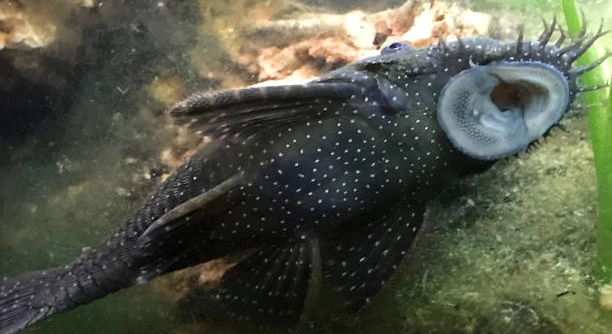
Do you ever notice your plecos hiding more than usual, spending hours in corners or under decorations instead of swimming freely in the tank? Lighting conditions can subtly affect their comfort and daily behavior without obvious signs.
Plecos are highly sensitive to light intensity and duration. Excessive brightness can stress them, disrupt their circadian rhythms, and lead to reduced activity. Optimal lighting should mimic their natural, dimly lit habitats to maintain proper health and behavior.
Adjusting your aquarium lighting can greatly improve your plecos’ well-being and encourage more natural activity throughout the day.
Understanding Plecos’ Natural Lighting Preferences
Plecos come from rivers and streams where sunlight is often filtered through trees and water. In these environments, they are used to dim, indirect light rather than bright, direct exposure. Too much light can make them feel unsafe, triggering hiding behavior or even reducing their appetite. Their eyes are adapted to detect movement in low-light conditions, which helps them find food and avoid predators. In aquariums, bright overhead lights or prolonged light cycles can confuse them, leading to stress. Stress can affect their immune system, growth, and overall activity. To provide a comfortable setting, try using subdued lighting or placing floating plants that diffuse the light. Many hobbyists notice plecos become more active in the early morning or late evening, reflecting their natural habits. Observing your plecos’ behavior under different lighting can help determine the best setup for their tank, keeping them healthy and engaged.
Careful lighting adjustments help plecos feel secure and reduce hiding, improving their overall activity in the aquarium environment.
Plecos are nocturnal by nature, so providing shaded areas and dimmer zones in the tank encourages natural behavior. Adding caves, driftwood, or plants allows them to retreat when the light feels too strong. By matching their habitat to more natural conditions, you can see them explore and feed with less stress. Monitoring how long the lights are on and experimenting with lower-intensity bulbs can create a balanced routine. This approach supports both their health and their natural instincts, making the aquarium more harmonious for all tank inhabitants.
Signs Your Lighting May Be Too Harsh
When plecos dislike lighting, they often stay hidden or cling to shaded surfaces more than usual.
Overly bright lighting can make plecos inactive or lead to constant hiding, reducing their ability to feed and interact with the tank. Prolonged exposure to strong light may also affect their coloration, causing it to fade, and can increase stress-related behaviors. Adjusting the light schedule and intensity can significantly improve their comfort. Using a timer to create consistent day and night cycles, along with dimmable lights or indirect lighting, can help plecos feel secure. Additionally, incorporating plants or floating covers provides shaded areas that mimic natural river conditions. Observing the fish during different lighting periods will guide the right setup for your tank. Careful attention to light preferences ensures plecos remain active and display healthier behavior patterns over time. By prioritizing these adjustments, you can create an environment where plecos thrive.
Adjusting Light Intensity
Reducing light intensity immediately helps plecos feel less stressed. Using dimmable bulbs or lowering fixture height can create a more comfortable environment that encourages natural activity.
Plecos prefer subdued lighting that resembles the shaded areas of rivers and streams. Bright, direct lights can overwhelm their senses, causing them to hide or become inactive. Gradually reducing light intensity allows them to adapt without sudden stress. Consider using floating plants, caves, or driftwood to diffuse light further. Adjusting the tank setup in small increments ensures the plecos remain comfortable and continue feeding normally. Observing how they respond to changes will help you find the ideal balance for long-term health and behavior.
Some hobbyists notice plecos are more active during the dim parts of the day, reflecting their nocturnal habits. By creating zones of low light and shaded areas, you can encourage exploration while giving them safe spaces to retreat. Combining lower-intensity lighting with consistent day-night cycles supports both their natural instincts and overall well-being.
Timing and Light Cycles
Maintaining consistent light cycles prevents stress and promotes healthy behavior in plecos. A timer can ensure predictable day and night periods.
Plecos respond well to regular lighting schedules that mimic natural conditions. In the wild, they experience gradual sunrise and sunset, not sudden, prolonged brightness. A cycle of 8–10 hours of light, followed by darkness, allows them to rest and feed according to their instincts. Avoid keeping lights on overnight or extending daylight artificially, as this can disrupt their circadian rhythms. Observing pleco activity patterns under controlled lighting will guide adjustments. Regular cycles also help tank plants and other inhabitants thrive, creating a balanced ecosystem.
Consistency in timing supports plecos’ natural nocturnal tendencies, making them more active when lights are dimmed. Combining appropriate intensity with predictable schedules helps reduce hiding, encourages feeding, and fosters healthier overall behavior in the aquarium. Monitoring responses over time ensures that adjustments meet their needs without unnecessary stress.
Choosing the Right Bulbs
LED or fluorescent bulbs with adjustable brightness are ideal for pleco tanks. They allow control over intensity without overheating the water.
Warm-colored bulbs mimic natural light better than harsh white or blue lights. This creates a calmer environment and encourages plecos to explore without stress.
Creating Shaded Areas
Adding driftwood, caves, and floating plants provides plecos with places to retreat from bright light. These shaded zones support natural behavior. By arranging decorations strategically, plecos can move freely between light and dark areas, reducing stress and promoting activity.
Observing Behavioral Changes
Notice changes in hiding, feeding, or activity patterns after adjusting lighting. These observations indicate whether the current setup meets plecos’ needs. Monitoring their response ensures lighting adjustments are effective and creates a more comfortable habitat.
Avoiding Sudden Changes
Gradual adjustments in lighting intensity and duration prevent stress. Sudden changes can confuse plecos and negatively affect their health.
FAQ
How much light do plecos need each day?
Plecos thrive with moderate light that reflects their natural environment. Typically, 8–10 hours of light per day is sufficient. This duration allows plants to photosynthesize while giving plecos periods of darkness to rest and display natural behaviors. Overexposure can stress them.
Can plecos get stressed from bright aquarium lights?
Yes, intense or prolonged light can cause stress. Signs include hiding constantly, reduced feeding, and less activity. Stress affects health, immunity, and coloration. Using dimmable bulbs, shaded areas, and floating plants helps create comfortable zones, reducing stress and encouraging normal behavior.
Should I use LED or fluorescent bulbs for plecos?
Both LED and fluorescent bulbs work well if brightness is controlled. LEDs are energy-efficient and often dimmable, while fluorescent bulbs provide soft, consistent light. The key is avoiding harsh, direct light and creating shaded zones for retreat. Warm-toned bulbs are preferred over cold, bright whites.
Is it okay to leave the light on overnight?
No. Plecos need a consistent day-night cycle to mimic natural conditions. Leaving lights on overnight disrupts circadian rhythms, increases stress, and can affect feeding and activity patterns. Using a timer ensures predictable lighting schedules and supports healthy behavior.
How can I tell if my pleco likes the lighting setup?
Observe behavior closely. If your pleco explores the tank, feeds regularly, and moves between shaded and lit areas, the setup is likely comfortable. Excessive hiding, clinging to surfaces, or lack of activity signals the lighting may be too harsh or intense.
Do plants affect plecos’ lighting comfort?
Yes, plants help diffuse light, creating shaded zones that plecos can use for retreat. Floating plants, broad-leafed species, and decorations like driftwood can reduce direct exposure. This mimics river environments and encourages more natural activity.
Can plecos adapt to brighter lights over time?
Some adaptation is possible, but sudden brightness changes can be stressful. Gradually adjusting light intensity and providing shaded areas helps plecos acclimate without negative effects. Constant monitoring ensures the transition supports their health and natural instincts.
Does tank size affect lighting preferences?
Yes, larger tanks with more surface area allow light to disperse and provide deeper shaded areas. Smaller tanks may require lower-intensity lighting or additional decorations to prevent bright spots from stressing plecos. Proper setup ensures even light distribution.
What’s the best way to reduce light without removing it completely?
Use dimmable bulbs or reposition lights higher above the tank. Adding floating plants, driftwood, or caves can diffuse light without eliminating it. This approach creates zones of comfort while keeping the tank visually appealing and functional for other inhabitants.
Are all pleco species equally sensitive to light?
No, sensitivity varies by species. Some nocturnal plecos are more light-averse, while others tolerate moderate brightness. Researching your species’ natural habitat helps determine appropriate lighting levels and setups that support their unique behavior patterns.
How often should I adjust lighting to suit plecos?
Adjust only if you notice stress, hiding, or reduced activity. Minor tweaks in intensity or duration may improve comfort. Constant changes can be confusing, so stick to gradual adjustments and observe responses over time to maintain a stable, healthy environment.
Can other fish in the tank affect plecos’ lighting preferences?
Yes, aggressive or active species may cause plecos to hide regardless of light. Providing sufficient shaded areas ensures plecos have safe zones to retreat while other fish occupy more exposed areas, balancing activity and comfort for all tank inhabitants.
How important is mimicking natural light patterns?
Very important. Plecos evolved in rivers with filtered sunlight and gradual transitions between day and night. Replicating these conditions reduces stress, encourages normal behavior, and supports feeding, breeding, and overall well-being. Timers and shaded zones help achieve this balance.
Do plecos ever prefer complete darkness?
They may seek complete darkness temporarily, especially during molting, stress, or rest periods. Providing caves or heavily shaded areas allows them to retreat as needed, ensuring they feel secure without permanently keeping the tank dark.
Can I use colored lights in a pleco tank?
Soft, warm-colored lights are generally safe and can reduce stress compared to harsh white or blue lights. Avoid intense colored LEDs that drastically change the tank’s brightness or create unnatural glare. Observing pleco behavior under different lights helps guide choices.
How quickly will plecos show improvement after adjusting lighting?
Behavioral changes can appear within a few days to a week. You may notice more exploration, consistent feeding, and reduced hiding. Continued observation ensures that the lighting setup remains comfortable and supports their health and natural habits over the long term.
Is direct sunlight harmful to plecos?
Yes. Direct sunlight can overheat water, increase algae growth, and create bright, stressful conditions for plecos. Indirect, diffused light or artificial lighting with controlled intensity is safer and supports a stable tank environment.
Can lighting changes affect pleco coloration?
Yes. Stress from overly bright or inconsistent lighting can cause dulling of colors. Proper, consistent lighting with shaded areas helps maintain natural coloration and overall health, reflecting a more balanced and comfortable habitat.
How do I know if my adjustments are too subtle?
If plecos continue to hide excessively or show inactivity, the changes may be insufficient. Gradually increasing shaded zones, reducing intensity, or adjusting timing can create a noticeable improvement without causing stress from abrupt changes.
What’s the most effective combination of strategies for comfortable lighting?
Use dimmable, warm-toned lights, provide shaded areas with plants and driftwood, maintain consistent day-night cycles, and observe behavior. Gradual adjustments, along with attention to species-specific needs, create a stress-free, healthy environment where plecos can thrive naturally.
Final Thoughts
Proper lighting is one of the most important factors for keeping plecos comfortable in an aquarium. These fish evolved in rivers and streams with filtered sunlight, and bright or harsh lighting in a tank can feel unnatural and stressful to them. When plecos are exposed to intense light for long periods, they often hide, reduce their activity, or even stop eating. Observing their behavior is key to understanding how your lighting setup affects them. Signs like clinging to shaded areas, hiding for long stretches, or fading coloration are all indicators that the light may be too strong or the cycle may be inconsistent. Adjusting the lighting to better suit their natural preferences is not only about comfort but also supports their overall health. Gradual changes in intensity and timing can help plecos adapt without sudden stress. Using dimmable lights, adding plants, caves, and driftwood to create shaded areas, and setting timers for consistent day-night cycles are practical steps that can make a significant difference.
Lighting is closely tied to plecos’ natural rhythms. They are mostly nocturnal and naturally spend more time in dim or shaded conditions. This means that long periods of bright light during the day can disrupt their normal behavior, affecting feeding, exploration, and rest. By mimicking their natural environment, plecos feel safer and display more normal patterns. Floating plants or decorations can diffuse light effectively, creating zones where they can retreat when necessary. Even minor changes, like adjusting the height of the light fixture or switching to warmer-toned bulbs, can reduce stress. Observing their activity over time is important. When plecos begin exploring more, feeding consistently, and interacting with their tank environment, it is a clear sign that the lighting adjustments are working. Consistent monitoring and small refinements ensure that the setup continues to meet their needs as they grow and adapt to the aquarium.
Creating a balanced lighting environment benefits not only plecos but the entire aquarium ecosystem. Other tank inhabitants and live plants also respond well to stable and appropriate light conditions. While bright lights may seem visually appealing, prioritizing the well-being of your plecos ensures that the tank remains a healthy and active space. Taking the time to adjust intensity, create shaded areas, and maintain regular cycles helps reduce stress, support natural behavior, and maintain vibrant coloration. Over time, a well-planned lighting setup encourages plecos to be more active during the day, while still respecting their nocturnal tendencies. Careful attention to these details makes the aquarium more enjoyable to observe and creates a safer, healthier environment for plecos to thrive. Consistency, observation, and small adjustments are the keys to maintaining an ideal lighting setup that keeps plecos comfortable and stress-free.

Hello,
If you enjoy the content that we create, please consider saying a "Thank You!" by leaving a tip.
Every little bit helps us continue crafting quality advice that supports the health, happiness, and well-being of pets around the world, for pets of all shapes, sizes, and species.
We really appreciate the kindness and support that you show us!