
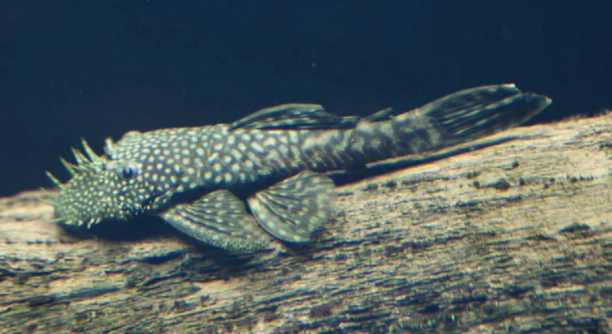
Do you ever notice your plecos moving differently depending on where you place decorations or plants in your tank? Over time, these fish may adjust their behavior in subtle ways that reflect their surroundings.
Plecos are capable of recognizing tank patterns over time through repeated exposure and spatial memory. This allows them to navigate more efficiently, establish preferred resting areas, and respond consistently to familiar structures within their environment.
Observing these behaviors can offer insight into your pleco’s adaptability and the ways your tank setup affects daily activity and comfort.
How Plecos Learn Their Environment
Plecos spend a lot of time exploring their tank. They notice where hiding spots, plants, and decorations are located, gradually remembering these areas. Over time, they develop routines that help them feel safe and comfortable. By observing movement patterns, they learn the quickest routes between resting areas and feeding spots. Plecos also respond to changes in their environment, such as rearranged rocks or new plants, adjusting their behavior accordingly. This learning process relies on their ability to form spatial memories, which allow them to recall familiar locations and avoid unfamiliar or potentially threatening areas. Repetition is key; the more often plecos encounter certain patterns, the stronger their recognition becomes.
Plecos tend to explore actively in the morning and evening, often returning to familiar hiding spots when they feel threatened or need rest.
Understanding this behavior can help tank owners create a stable and engaging environment that encourages natural activity. By paying attention to how plecos interact with different elements, adjustments can be made to improve comfort, accessibility, and overall tank harmony. Creating consistency in their environment supports their well-being and reduces stress. Adjusting layouts too frequently may confuse them, but gradual changes allow plecos to adapt without disrupting established routines. Tank design can influence feeding efficiency, social interactions with other fish, and preferred resting areas. Observing patterns in movement can reveal preferences for shaded areas, flowing water sections, or specific substrates. Recognizing these tendencies provides insight into their cognitive abilities and environmental needs. Over time, consistent patterns in tank layout can strengthen plecos’ confidence, reduce hiding, and encourage exploration. These small observations are valuable for maintaining a healthy, responsive aquarium.
Signs That Plecos Remember Tank Patterns
When plecos remember patterns, they often return to the same spots consistently.
You may notice plecos navigating efficiently around obstacles, quickly finding food, or consistently resting in certain locations. These behaviors indicate memory retention and comfort with the tank layout. Repeated recognition of these areas shows their ability to adapt to a controlled environment. Observing these patterns can guide future adjustments in tank design, ensuring spaces are safe and accessible while promoting natural behavior. Recognizing these signs also allows owners to monitor changes in activity, stress levels, or health over time. Consistency in layout helps maintain predictable routines, reducing unnecessary stress. Understanding how plecos interact with their environment provides a glimpse into their intelligence, spatial memory, and adaptability, which can enhance care practices and support their overall well-being in captivity.
How Tank Layout Affects Pleco Behavior
Tank layout directly influences how plecos move and interact. Open areas encourage swimming, while caves and plants provide hiding spots. Uneven surfaces give them places to graze and explore. Plecos adjust routines based on the arrangement of decorations and objects in the tank.
Plecos often test new layouts slowly. They explore unfamiliar areas cautiously and return to known spots for safety. The placement of rocks, driftwood, and plants guides their navigation. Certain textures or shapes become preferred resting areas. Over time, repeated exposure strengthens memory of these spots, making their movements more predictable. Plecos may even follow invisible “paths” between feeding points, hiding spots, and resting areas, showing how layout impacts daily behavior and activity levels.
Changes to tank structure should be gradual. Sudden rearrangements can stress plecos and disrupt established routines. Maintaining consistency while introducing small adjustments allows them to adapt naturally. Observing reactions to these changes can reveal preferences and comfort levels. Proper layout also affects social dynamics with other tank mates, helping reduce conflicts and ensure everyone has access to preferred spaces. This thoughtful planning supports both physical activity and mental stimulation.
Feeding Habits and Spatial Memory
Plecos use memory to find feeding spots efficiently, often returning to the same locations after each meal. They quickly recognize where food is placed.
Feeding schedules and locations play a big role in how plecos navigate their tank. When food is consistently provided in the same areas, plecos develop a routine, remembering both the timing and location. Over days or weeks, they begin to anticipate feeding times and move toward the spots in advance. This demonstrates not only spatial memory but also time-based learning. Changes in feeding locations or times can temporarily confuse them, but they adapt with repeated exposure.
The type of food also influences memory and movement. Sticky wafers, fresh vegetables, or sinking pellets are associated with specific areas in the tank. Plecos remember which foods are in which spots and may prioritize certain locations over others. This behavior highlights how environmental cues, feeding practices, and spatial awareness combine to shape daily routines. Observing these patterns can help optimize feeding strategies, ensuring food reaches all tank inhabitants while reducing waste. Predictable feeding areas support healthy habits and reinforce memory of tank layout, encouraging confident, stress-free movement.
Signs of Stress in Plecos
Plecos may hide excessively when stressed, avoiding open areas or interacting less with tank mates. Rapid or erratic swimming can also indicate discomfort. Monitoring these behaviors helps identify environmental or health issues early.
Changes in water quality, temperature, or tank layout often trigger stress responses. Plecos may cling to surfaces more often or reduce feeding. Observing patterns over time allows adjustments to support their comfort and overall well-being. Maintaining consistent routines and familiar spaces helps reduce these stress indicators.
Interaction with Tank Mates
Plecos often establish territories and preferred zones within a shared tank. They interact minimally with aggressive species while coexisting peacefully with similar, calm fish. Territorial behavior can be subtle, such as nudging or positioning near hiding spots. Recognizing these patterns helps maintain harmony in a community tank.
Adjusting Tank Patterns
Plecos adapt gradually to changes in tank layout. Small adjustments, like moving a plant or decoration, help them explore without causing stress. Sudden changes may lead to hiding or erratic behavior, but consistent patterns encourage confidence and natural movement throughout the aquarium.
Observation Tips
Watching plecos at different times of day reveals routines, preferred areas, and feeding habits. Keeping notes on these behaviors helps improve tank management and ensures a comfortable environment for your fish.
FAQ
Can plecos remember where hiding spots are?
Yes, plecos can remember hiding spots over time. They learn which caves, plants, or driftwood provide safety and comfort. Once they identify a preferred area, they will often return to it consistently, especially when feeling threatened or resting. Gradual changes in placement allow them to adapt without stress.
Do plecos recognize their feeding schedule?
Plecos can learn routines related to feeding. When food is offered at the same time and location daily, they begin to anticipate it. They may swim toward feeding areas in advance or show increased activity around mealtime. This behavior demonstrates both spatial and temporal memory.
Will changing the tank layout confuse plecos?
Sudden rearrangements can cause stress or temporary disorientation. Plecos rely on familiar patterns to navigate efficiently. Gradual adjustments, like moving one plant or rock at a time, help them adapt while maintaining confidence and minimizing hiding or erratic swimming.
How do plecos react to new tank mates?
Plecos are generally peaceful but can show territorial behavior. They may mark or guard preferred areas and avoid aggressive fish. Observing their interactions helps ensure compatibility. Calm species that share similar activity levels tend to coexist with minimal conflict.
Can plecos distinguish between different tank decorations?
Yes, plecos notice shapes, textures, and locations of decorations. They form preferences for certain areas and may explore specific objects repeatedly. Recognizing these differences allows them to navigate efficiently and choose resting or feeding spots confidently.
Do plecos use memory to avoid dangers?
Plecos can remember areas associated with threats, such as aggressive fish or strong currents. They tend to avoid these zones after repeated exposure, showing an ability to learn from experience. Safe and familiar areas become their preferred routes for swimming and feeding.
How long does it take plecos to adapt to changes?
Adaptation varies, but most plecos adjust within a few days to a couple of weeks. Gradual changes in layout, feeding routines, or tank mates speed up this process. Observing behavior daily helps track their comfort and identify any lingering stress signs.
Are plecos more active at certain times?
Plecos tend to be more active during morning and evening hours, with periods of rest during the day. Recognizing these patterns helps with feeding schedules, cleaning, and monitoring tank behavior to maintain a healthy and stress-free environment.
Do plecos remember food locations long-term?
Yes, plecos can recall food locations over time. They associate specific areas with meals, returning predictably for food. Changes in placement may initially confuse them, but repeated exposure allows them to learn new locations efficiently.
How can I encourage natural behavior in plecos?
Providing a consistent layout, safe hiding spots, and regular feeding times supports natural movement, exploration, and territorial habits. Observing patterns allows small, gradual adjustments to improve stimulation while minimizing stress. A stable environment encourages confidence and long-term health.
Can plecos recognize their owner?
While plecos do not form bonds like some other fish, they can recognize humans associated with feeding or tank maintenance. They may respond to your presence by becoming more active near feeding areas or following routine actions.
Do plecos get stressed with frequent changes?
Yes, frequent changes in tank layout, water conditions, or lighting can cause stress. Stress may manifest as hiding, reduced feeding, or erratic swimming. Minimizing sudden changes and maintaining predictable patterns supports mental and physical well-being.
Is it possible for plecos to remember multiple tanks?
Plecos are capable of forming memories in one tank, but moving to a completely new environment requires adjustment. They must learn new layouts, hiding spots, and food locations, often relying on cautious exploration until familiar patterns are established.
Can plecos learn from observing other fish?
Plecos may pick up cues from other tank mates, such as where food is placed or safe zones. While they primarily rely on their own exploration, observing behavior can influence movement patterns and decisions, especially in community tanks with non-aggressive species.
Does lighting affect plecos’ memory or behavior?
Lighting impacts activity levels and comfort. Bright or inconsistent lighting may cause stress, affecting exploration and feeding habits. Plecos learn routines in stable lighting conditions, using consistent cues to navigate their environment confidently.
How do water conditions impact behavior?
Poor water quality, incorrect temperature, or fluctuating parameters can stress plecos, reducing exploration and memory-based behaviors. Maintaining stable conditions supports confidence, natural routines, and the ability to recognize and respond to familiar patterns in the tank.
Can plecos adapt to seasonal changes?
Plecos may adjust behavior based on gradual seasonal shifts, such as temperature changes or light cycles. They can learn to modify activity patterns, feeding times, and resting areas as long as changes occur slowly and conditions remain safe.
How can I tell if plecos are using memory effectively?
Consistent use of hiding spots, efficient navigation, and predictable feeding responses indicate memory utilization. Sudden confusion or erratic behavior suggests disruption in their routines, often due to environmental changes or stress. Tracking these patterns helps maintain a stable and healthy tank environment.
Are some pleco species better at recognizing patterns than others?
While all plecos display memory-based behavior, larger or more active species may show more noticeable navigation and routine habits. Observing species-specific tendencies allows for tailored tank setups and feeding strategies that match their cognitive and environmental needs.
Does age affect a pleco’s memory?
Younger plecos may take longer to learn and adapt to tank patterns, while adult plecos usually demonstrate reliable memory and routine behavior. Providing consistent layouts and feeding schedules supports memory development and reduces stress across all life stages.
How does tank size influence memory and behavior?
Larger tanks provide more space to explore, increasing opportunities to establish preferred areas and routes. Smaller tanks limit movement, but consistent patterns still allow plecos to form reliable routines. Understanding space needs helps optimize layout for comfort and natural behavior.
What role does diet play in behavior and memory?
A consistent diet helps plecos associate specific areas with feeding. Variety stimulates exploration, while predictable placement reinforces spatial memory. Balanced nutrition supports activity, learning, and overall well-being, allowing plecos to navigate their environment confidently and efficiently.
Can plecos become bored with a static environment?
Yes, lack of stimulation can reduce activity and curiosity. Introducing gradual changes, enrichment objects, or varied feeding strategies encourages exploration and reinforces memory skills, keeping plecos engaged without causing stress.
Is it normal for plecos to forget parts of the tank temporarily?
Temporary disorientation can occur after significant changes in layout, water parameters, or tank mates. With consistent exposure, plecos usually relearn preferred areas, demonstrating adaptability and the ability to rebuild spatial memory effectively over time.
How long can plecos retain learned patterns?
Plecos can remember tank patterns for weeks or months with consistent routines. Repeated exposure reinforces memory, helping them navigate, feed, and rest efficiently. Long-term retention supports confidence and reduces stress in both stable and moderately changing environments.
Do plecos recognize sounds or vibrations?
Plecos are sensitive to vibrations and may respond to routine activity near the tank. While not “recognition” in the human sense, they learn to associate certain movements or disturbances with feeding or handling, influencing their behavior.
Can plecos be trained to respond to signals?
While limited, plecos can associate repeated cues with feeding or environmental changes. Consistency in timing, placement, or gentle signals helps them learn predictable responses, illustrating cognitive flexibility and memory use in their tank environment.
Are nocturnal plecos more reliant on memory than visual cues?
Nocturnal plecos rely heavily on spatial memory and tactile senses to navigate. Limited vision makes recognition of familiar patterns and textures essential for feeding, hiding, and movement, demonstrating the importance of consistent tank layout for these species.
How do plecos cope with tank renovations?
Plecos adapt slowly to changes such as new decorations, substrates, or plants. Gradual introduction and maintaining familiar areas allow them to adjust without excessive stress. Observation during this period ensures that routines and hiding spots are re-established effectively.
What is the best way to monitor pleco behavior over time?
Regular observation at different times of day, noting feeding patterns, resting areas, and interactions with tank mates, provides insight into memory and adaptability. Recording these behaviors helps identify stressors and optimize layout, lighting, and feeding for long-term health.
Do plecos prefer certain textures or materials?
Plecos often show preferences for driftwood, smooth rocks, or plant leaves. Familiar surfaces provide comfort and guidance when navigating the tank. Recognizing these preferences can improve placement of hiding spots, feeding areas, and exploration zones to support natural behavior.
Can plecos detect changes in water current?
Yes, plecos respond to changes in current strength and direction. They learn which areas offer suitable resting zones or feeding positions. Consistent flow patterns help reinforce spatial memory and reduce stress, allowing confident movement throughout the tank.
How can I encourage exploration without causing stress?
Introduce small adjustments gradually, add new hiding spots or textured surfaces, and maintain consistent feeding areas. Allow plecos to investigate at their own pace, supporting learning, curiosity, and confidence while avoiding sudden disruptions.
Do plecos form routines based on human activity?
Plecos notice regular maintenance or feeding actions and adjust behavior accordingly. While not social in the same sense as other animals, they respond predictably to repeated cues, demonstrating memory and recognition of human-associated patterns in their environment.
Can stress affect pleco memory?
High stress can disrupt navigation and feeding behavior, causing plecos to forget previously familiar routes or hiding spots. Maintaining stable water conditions, lighting, and tank layout minimizes stress, allowing memory and natural routines to function effectively.
Are plecos capable of long-term memory?
Yes, plecos can retain spatial and routine memories for extended periods. Consistent exposure to the same patterns, feeding areas, and hiding spots strengthens retention, helping them navigate efficiently, anticipate food, and maintain comfort in their tank over time.
Do plecos show preferences for specific areas of the tank?
Plecos often choose preferred zones for resting, feeding, and hiding. These choices are influenced by safety, food availability, and comfort. Recognizing these preferences helps optimize layout, minimize stress, and support natural behavior patterns.
Can multiple plecos remember the same patterns?
Yes, in shared tanks, plecos often develop similar routes or resting areas. Individual preferences still exist, but repeated exposure to feeding zones or decorations allows multiple fish to navigate efficiently without conflict.
How often should I observe pleco behavior?
Daily observation is ideal to monitor routines, feeding response, and stress indicators. Consistent attention helps identify changes, maintain a stable environment, and support memory retention by reinforcing predictable patterns in the tank.
Do plecos respond differently to familiar and unfamiliar objects?
Plecos approach familiar objects confidently while cautiously exploring new items. Over time, repeated exposure turns new objects into recognized areas, showing adaptability and the ability to incorporate changes without long-term stress.
Can plecos learn over weeks or months?
Yes, repeated exposure over weeks or months strengthens memory. They remember feeding spots, hiding places, and navigation routes, showing the capacity for long-term spatial learning and routine development in their environment.
How important is consistency for memory retention?
Consistency in tank layout, feeding times, and environmental cues supports memory retention. Predictable routines allow plecos to navigate efficiently, reduce stress, and maintain natural behaviors, improving overall health and comfort.
Do plecos react to visual cues?
Plecos use vision to recognize objects, hiding spots, and movements of tank mates. While tactile and spatial cues are important, consistent visual markers help guide navigation and reinforce learned patterns.
Are some plecos better at adapting to changes than others?
Adaptability varies by species, age, and individual temperament. Some plecos adjust quickly to new layouts or tank mates, while others require gradual exposure. Observing individual responses helps guide tank adjustments and care strategies effectively.
Can plecos recognize their reflection?
Plecos may notice reflections but generally do not interpret them as other fish. They rely on spatial memory and cues from the environment rather than reflections for navigation, feeding, and resting.
Do plecos respond to vibrations from water movement?
Yes, plecos are sensitive to vibrations, which can indicate water flow, approaching tank mates, or human activity. They use these cues along with spatial memory to navigate, hide, and interact with their environment safely.
Is mental stimulation important for plecos?
Yes, varied tank layout, hiding spots, and feeding routines stimulate exploration and reinforce memory. Providing gentle challenges and new textures encourages natural behavior without causing stress, supporting cognitive health.
Can plecos develop favorites among decorations or plants?
Yes, repeated use and comfort with certain objects make them preferred spots for resting or hiding. Recognizing these favorites helps optimize tank layout and encourages predictable, stress-free behavior.
How do plecos adapt if a favorite area is removed?
Plecos may initially hide or explore more cautiously. Gradual introduction of alternative spaces or replacement objects allows them to adjust without prolonged stress, demonstrating flexibility in memory and environmental adaptation.
Does tank cleanliness affect behavior and memory?
Dirty tanks can stress plecos, reducing exploration and disrupting routines. Maintaining clean water and surfaces supports memory, natural behavior, and overall health, allowing confident movement and predictable patterns.
Can plecos distinguish between multiple feeding spots?
Yes, they can learn to associate different areas with food types or routines. Over time, plecos navigate efficiently between spots, demonstrating spatial memory and adaptability to feeding strategies.
Do plecos benefit from observing other fish’s behavior?
Plecos may notice movement or feeding patterns of tank mates, adjusting routes or routines accordingly. While primary learning comes from personal experience, observing others can reinforce memory and enhance confidence in familiar areas.
How do environmental changes affect long-term memory?
Significant or abrupt changes may temporarily confuse plecos, but gradual adjustments allow memory retention to rebuild. Stable conditions support navigation, feeding efficiency, and natural routines over extended periods.
Can plecos recognize seasonal or light cycle changes?
Plecos adjust activity and feeding patterns with gradual changes in light or temperature. They rely on memory and spatial awareness to adapt to predictable environmental shifts, maintaining routine behaviors.
Do plecos prefer certain areas at night?
Nocturnal plecos use memory to navigate safely in darkness, returning to familiar hiding spots and feeding zones. Consistent layout supports nighttime exploration without stress.
How important is hiding space for memory reinforcement?
Hiding spots provide safety and reference points for navigation. Regular use of these areas reinforces spatial memory, encouraging natural routines and reducing stress in the tank.
Can plecos become disoriented if tank lighting changes suddenly?
Yes, abrupt lighting changes may temporarily confuse them. Gradual transitions allow plecos to adjust while maintaining confidence and predictable use of familiar areas.
Do plecos remember preferred swimming routes?
Yes, they often follow consistent paths between hiding spots, feeding zones, and resting areas. Repetition strengthens memory, improving efficiency and confidence in movement.
How can I tell if plecos are stressed after changes?
Signs include excessive hiding, erratic swimming, or reduced feeding. Observing behavior closely after modifications allows you to provide additional support and ensure gradual adaptation to maintain health and routine.
Can plecos learn from repeated exposure to new objects?
Yes, repeated interaction with new decorations or surfaces helps them recognize and incorporate these areas into their routines, reinforcing spatial memory and comfort within the tank.
Do plecos remember multiple hiding spots?
Plecos can retain memory of several hiding locations, using them interchangeably depending on comfort, activity level, and environmental conditions. This behavior highlights their spatial awareness and adaptability.
How does tank size affect pleco memory use?
Larger tanks provide more space to develop routes and preferred areas, enhancing spatial memory. Smaller tanks still allow routine formation, but fewer options limit exploration and complexity of learned patterns.
Are plecos sensitive to water vibrations from other fish?
Yes, they notice movements of tank mates and respond accordingly. Memory of safe zones and previously observed behaviors helps them navigate efficiently and avoid potential stressors.
Can plecos recognize feeding areas after weeks without food?
Yes, they can retain memory of feeding spots for extended periods. Familiar locations encourage exploration and efficient retrieval of food once regular feeding resumes, showing long-term spatial memory.
Do plecos need mental stimulation to maintain memory?
Providing varied objects, hiding spots, and small layout changes encourages exploration and reinforces memory. Stimulated plecos are more active, confident, and better able to adapt to new situations.
How do plecos respond to changes in water temperature?
Sudden shifts may slow activity or cause hiding. Gradual changes allow them to adjust while continuing to use learned routes, hiding spots, and feeding areas effectively.
Can plecos identify favorite feeding surfaces?
Yes, plecos often develop preferences for certain textures or locations for feeding. Recognizing these favorites supports efficient feeding, reduced stress, and reinforcement of learned routines.
Do plecos show signs of memory loss with age?
Older plecos may explore more slowly or take longer to adapt to changes, but they generally retain spatial and routine memory. Maintaining stable routines supports memory retention and reduces stress over time.
Are plecos affected by noise outside the tank?
Yes, vibrations or sounds can influence activity and hiding behavior. Familiar patterns help them navigate and remain confident, while sudden disturbances may cause temporary disorientation.
Can plecos be trained to respond to hand signals or tapping?
Limited training is possible. Repeated cues associated with feeding or routine maintenance may elicit predictable responses, demonstrating recognition and memory of human-associated patterns.
Do plecos remember areas where water flow is stronger?
Yes, they learn to navigate currents efficiently, avoiding areas that are uncomfortable and preferring resting zones with suitable flow. This demonstrates spatial awareness and environmental adaptation.
How often should tank layout be changed for mental stimulation?
Small, gradual adjustments every few weeks provide stimulation without causing stress. Frequent or abrupt changes can disrupt memory, while predictable, gentle modifications encourage exploration and reinforce learned patterns.
Do plecos interact differently with familiar objects than new ones?
Familiar objects are approached confidently, while new items are explored cautiously. Over time, repeated exposure transforms new objects into recognized spaces, highlighting learning and memory adaptation.
Can plecos differentiate between similar-looking hiding spots?
Yes, subtle differences in shape, texture, or location allow plecos to choose preferred spots, showing attention to detail and the ability to form distinct spatial memories.
Are plecos’ memory skills affected by tank mates?
Aggressive or overly active species can interfere with exploration and learned routines. Calm tank mates allow plecos to navigate and establish patterns confidently, maintaining memory and natural behavior.
Can plecos adapt to a completely new tank?
Yes, they explore cautiously and gradually form new routines, recognizing hiding spots, feeding areas, and swimming routes. This process relies on repeated exposure, observation, and memory retention over time.
Do plecos respond to routine maintenance activities?
Plecos are fascinating fish with surprising abilities to recognize and adapt to their environment. Over time, they learn the layout of their tank, including hiding spots, feeding areas, and resting zones. This learning is largely based on repetition and memory. When tank conditions remain consistent, plecos become more confident in their movements and routines. They can efficiently navigate around obstacles and return to familiar places without hesitation. Observing these behaviors can provide insight into their comfort and overall well-being. A well-organized tank helps plecos feel secure, which reduces stress and promotes natural activity patterns. Even small details, like the placement of a plant or rock, can influence how plecos interact with their space. They quickly learn to recognize safe areas and avoid sections they have associated with discomfort or disturbances. Their memory allows them to establish predictable routines, which is important for both feeding and resting. Understanding these tendencies makes it easier to provide an environment that supports their natural behaviors.
Consistency plays an important role in helping plecos adjust and retain information about their surroundings. Sudden changes in tank layout, lighting, or water conditions can cause temporary disorientation or stress. However, when changes are gradual, plecos can explore new areas without disrupting their established routines. They rely on spatial memory to navigate and identify preferred spots for feeding or hiding. Feeding schedules are particularly important, as plecos learn to associate certain locations and times with meals. They often return to the same feeding areas repeatedly and can even anticipate feeding times. Providing multiple hiding spots and resting areas also supports their natural behavior, giving them options when they feel threatened or want to rest. Over time, these repeated experiences strengthen memory and confidence, allowing plecos to move about the tank efficiently and comfortably. Their ability to remember patterns demonstrates cognitive skills that are often underestimated in aquarium fish. Observing these patterns can help in creating a tank layout that is both stimulating and safe for plecos, encouraging exploration while reducing stress.
Plecos are adaptable and capable of learning from experience, which makes them interesting to watch and care for. Their responses to tank layouts, feeding routines, and environmental cues show a clear connection between memory and daily behavior. By observing how they move and interact with their surroundings, you can make informed decisions about tank design, feeding schedules, and the placement of hiding spots or decorations. Providing a stable environment with gradual changes allows plecos to explore confidently and maintain predictable routines. This stability promotes both mental and physical health, as stress is minimized and natural behaviors are encouraged. Plecos are able to retain learned patterns over long periods, demonstrating that even fish can form memories that influence their daily lives. Recognizing these abilities helps in creating a supportive environment that allows plecos to thrive. Paying attention to their movements, preferred areas, and feeding habits not only strengthens the bond between caretaker and fish but also ensures the tank functions efficiently. A thoughtfully arranged aquarium that considers plecos’ memory and adaptability can lead to healthier, more active, and confident fish, making care more rewarding and enjoyable.

Hello,
If you enjoy the content that we create, please consider saying a "Thank You!" by leaving a tip.
Every little bit helps us continue crafting quality advice that supports the health, happiness, and well-being of pets around the world, for pets of all shapes, sizes, and species.
We really appreciate the kindness and support that you show us!