
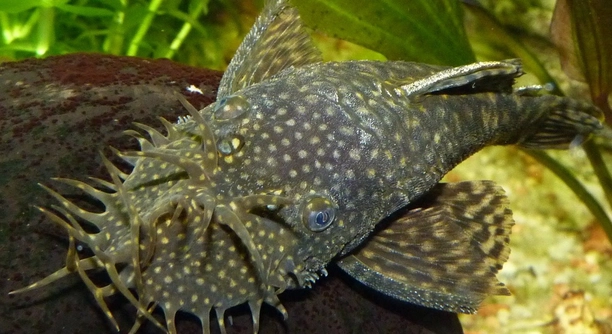
Plecos are fascinating freshwater fish that many aquarium owners enjoy keeping. Watching them grow and thrive can be very rewarding, but proper nutrition plays a crucial role in their development and overall health in captivity.
Providing plecos with nutrient-rich foods that are high in protein, vitamins, and minerals promotes faster growth. Ingredients such as algae wafers, fresh vegetables, and occasional protein supplements supply essential nutrients that enhance both size and vitality in these fish.
Knowing which foods support growth can make caring for plecos simpler and more effective, ensuring they remain healthy and active in any home aquarium.
Algae Wafers
Algae wafers are a staple for plecos and are excellent for supporting their growth. These wafers are specifically formulated to provide essential nutrients like protein, fiber, and vitamins. Feeding them regularly helps maintain healthy digestion and boosts energy levels, which directly influences growth rates. Plecos often enjoy these wafers because they mimic their natural diet in the wild. In addition, algae wafers slowly dissolve in water, allowing the fish to graze over time without polluting the tank quickly. For young or smaller plecos, breaking the wafers into smaller pieces ensures they can consume them easily. Consistent feeding of high-quality wafers supports not only growth but also enhances color and activity levels. Pairing algae wafers with fresh vegetables or occasional protein treats ensures a balanced diet. Over time, you’ll notice your plecos becoming more active, eating more confidently, and reaching optimal size faster than if fed a limited diet.
Algae wafers should be offered daily in small amounts to prevent overfeeding and maintain water quality.
Using algae wafers as the main staple while supplementing with greens and protein-rich foods provides a comprehensive diet. Regularly observing their eating habits helps adjust portions and maintain growth efficiency.
Fresh Vegetables
Fresh vegetables provide plecos with essential fiber and micronutrients that support growth. They enjoy items like zucchini, cucumber, and spinach.
Vegetables like zucchini or cucumber should be blanched lightly before feeding to soften them, making it easier for plecos to consume. Consistent vegetable supplementation ensures that plecos receive natural vitamins and minerals not always present in commercial foods. Fibrous vegetables aid digestion, preventing issues like bloating or constipation that can slow growth. Introducing variety keeps them interested and promotes balanced nutrition. Rotating vegetables daily allows different nutrients to be delivered, including potassium, iron, and vitamin C, all vital for cellular development and metabolism. While algae wafers cover protein needs, vegetables supply the fiber necessary for intestinal health. Providing these foods for a few hours and then removing leftovers prevents water contamination and keeps the tank clean. With proper handling and a balanced feeding schedule, fresh vegetables become an essential part of accelerating pleco growth while keeping them healthy and active.
Protein-Rich Foods
High-protein foods help plecos build muscle and grow faster. Options include bloodworms, brine shrimp, and specially formulated protein pellets that supply essential amino acids.
Protein-rich foods should be fed in moderation to avoid overloading the digestive system. Young plecos benefit the most from occasional protein supplements, as they require more nutrients to support rapid growth. Using a mix of protein sources ensures balanced development while preventing deficiencies. Freeze-dried or live protein foods encourage natural feeding behavior and provide variety to their diet. Careful monitoring of portion sizes helps maintain water quality, reducing the risk of pollution from uneaten food. Protein supplementation alongside algae wafers and vegetables creates a complete diet that maximizes growth potential.
Incorporating protein-rich foods a few times per week strengthens immunity and supports healthy skeletal development, giving plecos the energy and nutrients needed for optimal growth without compromising tank health.
Driftwood
Driftwood helps plecos with digestion and provides essential nutrients. It also serves as a natural habitat element in the tank.
Certain species of plecos scrape driftwood to extract fibers, which aid digestion and promote gut health. Regular access to driftwood prevents digestive issues and encourages natural behavior patterns. Some driftwood varieties release tannins, which can slightly acidify the water, creating a healthier environment for plecos. Placing driftwood in different areas of the tank allows fish to explore and maintain activity levels. Properly cleaned and prepared driftwood is safe and long-lasting, adding both nutrition and structure. Observing how plecos interact with the wood can guide placement and quantity, ensuring maximum benefit.
Combining driftwood with a diet of vegetables, algae wafers, and protein foods supports healthy growth and activity. The fibers from wood improve digestion while maintaining a natural tank environment that encourages overall well-being. Driftwood acts as both a functional and dietary component, making it a simple yet effective addition to a pleco’s daily care routine.
Leafy Greens
Leafy greens like lettuce, kale, and spinach are excellent for plecos, providing fiber and essential nutrients. They support digestion and overall health, helping plecos grow steadily while keeping their intestines functioning properly.
Blanching leafy greens softens them, making them easier for plecos to eat and digest. Regularly offering these vegetables adds variety and prevents nutritional gaps in their diet.
Cucumber Slices
Cucumber slices are low in calories but high in hydration and fiber, making them a gentle, nutritious treat. Plecos enjoy nibbling on them, which aids digestion and supports steady growth. Regular cucumber feeding complements algae wafers and vegetables for a balanced diet.
Peas
Peas help prevent constipation and improve digestive health for plecos. They are an easy-to-prepare food that complements other vegetables in their diet. Properly cooked and peeled peas provide fiber that ensures smooth digestion and supports healthy growth rates.
Occasional Treats
Occasional treats like small pieces of shrimp or fish flakes provide extra protein and variety. They can boost energy and stimulate natural feeding behavior, supporting faster growth without overfeeding or affecting tank water quality.
FAQ
What is the best food for plecos to grow faster?
Algae wafers are the most consistent choice for promoting pleco growth. They provide essential protein, fiber, and vitamins that support healthy development. Supplementing with fresh vegetables like zucchini, cucumber, and spinach ensures they get necessary micronutrients and fiber for proper digestion. Occasionally adding protein-rich foods such as bloodworms, brine shrimp, or specially formulated pellets further supports muscle growth and overall vitality. A balanced combination of algae wafers, vegetables, and protein foods creates an efficient growth-focused diet. Monitoring portion sizes and feeding schedules ensures that plecos receive enough nutrients without overfeeding, which can harm water quality and slow growth.
How often should I feed my plecos?
Feeding frequency depends on age and size. Juvenile plecos benefit from daily small feedings, while adult plecos can be fed once every 1–2 days. Overfeeding can lead to water pollution and digestive issues. Offering measured portions allows plecos to eat consistently without leftovers decaying in the tank. Foods like algae wafers can remain in the tank for longer periods, allowing plecos to graze throughout the day. Vegetables and protein supplements should be offered in small amounts to avoid waste. Keeping a regular schedule helps maintain growth rates and keeps plecos healthy and active. Observation is important, adjusting feeding amounts based on how much is eaten.
Can plecos eat meat or protein foods regularly?
Protein foods are necessary but should not replace their main diet. Plecos require protein for growth, but too much can cause digestive issues. Bloodworms, brine shrimp, and protein pellets can be offered 2–3 times per week, depending on their size. Juvenile plecos benefit most from occasional protein boosts, while adults need less frequent supplementation. Combining protein with algae wafers and vegetables ensures a balanced diet. It’s important to vary protein sources to provide different amino acids and nutrients. Overfeeding protein can pollute the tank and stress plecos, so careful portioning is crucial for growth and overall health.
Do plecos need vegetables every day?
Vegetables are essential for fiber and micronutrients. Feeding small amounts daily or every other day helps digestion and prevents constipation. Vegetables like zucchini, cucumber, spinach, and lettuce provide vitamins that support growth. Blanching vegetables makes them easier for plecos to eat. Rotating different vegetables ensures a more complete nutrient intake. Leafy greens also encourage natural grazing behaviors. While algae wafers provide protein, vegetables supply fiber that keeps the digestive system working efficiently. Regular vegetable feeding, combined with protein and wafers, ensures plecos grow faster and stay healthier.
How does driftwood help plecos grow?
Driftwood provides essential fiber and supports digestion. Many pleco species scrape wood to extract nutrients, which prevents digestive issues and encourages natural feeding behavior. Driftwood also adds structure to the tank, giving plecos places to hide and explore, reducing stress. Some types release tannins that slightly acidify the water, which can benefit certain species. Including driftwood in their habitat complements their diet of vegetables, wafers, and protein foods. Observing how plecos interact with driftwood helps determine placement and quantity for maximum benefit. Properly prepared driftwood can last for years, supporting both growth and overall well-being.
Can plecos grow without protein foods?
Plecos can survive without protein, but growth will be slower. Protein foods provide essential amino acids needed for muscle development. Relying only on algae wafers and vegetables may sustain health but limits maximum size potential. Including protein foods 2–3 times weekly enhances growth, immunity, and activity. Balanced feeding ensures that plecos reach their optimal size faster while remaining healthy. Careful moderation prevents overfeeding, which can affect water quality and stress the fish.
Is it necessary to peel or blanch vegetables for plecos?
Blanching softens tough vegetables, making them easier to eat and digest. Peeling can remove pesticides or contaminants, ensuring safer consumption. Softened vegetables prevent choking and encourage consistent feeding. Proper preparation also reduces the chance of leftover waste polluting the tank. Small, manageable pieces allow plecos of all sizes to consume the nutrients efficiently. Combining peeled and blanched vegetables with wafers and protein foods ensures a balanced diet that promotes growth and digestive health.
How do I prevent overfeeding my plecos?
Overfeeding slows growth and damages water quality. Measure food portions carefully, offering only what plecos can consume in a few hours. Remove uneaten vegetables or protein to avoid decay. Observing eating habits helps adjust portions to match appetite. Using small, frequent feedings for juveniles or controlled portions for adults maintains health. Combining algae wafers, vegetables, and protein foods ensures a balanced diet without excess. Proper monitoring of tank conditions and fish behavior helps maintain optimal growth rates while preventing health issues caused by overfeeding.
Can I mix commercial foods with fresh foods for plecos?
Yes, combining commercial foods like algae wafers or protein pellets with fresh vegetables and occasional treats provides a complete diet. This approach ensures plecos receive sufficient protein, fiber, and micronutrients for growth. Rotating food types prevents boredom and nutrient gaps. Observing feeding behavior allows adjustments to balance intake and avoid leftovers. Mixing fresh and commercial foods replicates a natural diet and supports faster growth while maintaining water quality. Proper portioning and variety create a sustainable feeding routine for long-term pleco health.
What are the signs that my pleco is growing properly?
Healthy growth includes consistent weight gain, vibrant color, and regular activity. Plecos should show interest in food, actively graze on algae wafers and vegetables, and interact with tank features like driftwood. Digestive health is visible in normal swimming patterns and waste consistency. Poor growth may indicate insufficient nutrition, overfeeding, or water quality issues. Monitoring these signs allows adjustments in diet or tank care. Balanced feeding with vegetables, protein foods, and algae wafers ensures steady growth, energy, and overall well-being.
How important is water quality for pleco growth?
Water quality directly affects growth rates. Ammonia, nitrite, and nitrate levels must be monitored regularly. Clean, oxygen-rich water supports digestion, nutrient absorption, and immune function. Regular water changes and proper filtration prevent stress, which can slow growth. Feeding routines should complement water maintenance to avoid excess waste. Optimal water conditions allow plecos to maximize nutrient uptake from algae wafers, vegetables, and protein foods. Ensuring a healthy tank environment combined with a balanced diet promotes faster growth and longevity.
Can juvenile plecos grow faster than adults?
Juveniles grow faster because they are in an active development phase. Providing high-quality protein, vegetables, and algae wafers supports rapid muscle and size gain. Adults grow more slowly, needing fewer protein supplements and controlled feeding. Observation of juveniles’ eating habits ensures proper nutrition without overfeeding. Growth potential is highest in the early stages when the diet is balanced and water quality is maintained. Regularly adjusting food type and portions as they mature ensures continuous, healthy development and prevents stunted growth.
How long does it take for plecos to show growth improvements?
With a balanced diet, visible growth can occur within a few weeks for juveniles. Proper feeding of algae wafers, vegetables, and protein foods encourages muscle development and size increase. Consistent monitoring of portions, water quality, and health ensures growth is steady. Growth may be slower for adults, but nutritional improvements still enhance vitality and activity. Patience is key, as gradual changes indicate long-term health benefits rather than quick, unhealthy growth. Observation over weeks allows adjustments in diet and care to maximize growth potential.
Are there any foods plecos should avoid?
Plecos should avoid processed human foods, high-fat items, and anything containing preservatives or seasonings. Certain fruits and starchy vegetables may cause digestive issues. Overfeeding protein or sugary foods can lead to poor water quality and health problems. Sticking to algae wafers, fresh vegetables, protein supplements, and occasional safe treats ensures balanced nutrition. Avoiding unsuitable foods reduces the risk of stunted growth, illness, and tank contamination, maintaining both pleco health and a clean environment for optimal development.
Can tank plants be part of a pleco’s diet?
Some tank plants are edible for plecos, offering fiber and nutrients. Species like Java moss, Anubias, and duckweed can be nibbled occasionally. They supplement the diet without replacing primary foods. Observing feeding ensures plants are not overconsumed, and combining with wafers and vegetables provides complete nutrition. Including safe plants encourages natural grazing and activity.
Do different pleco species have different dietary needs?
Yes, species vary in protein and fiber requirements. Herbivorous species need more vegetables and algae, while carnivorous or omnivorous species benefit from higher protein. Understanding species-specific needs ensures proper growth. Observing feeding habits and adjusting diet composition helps maintain optimal health, digestive efficiency, and growth rates. Tailoring foods to the species guarantees balanced nutrition and reduces stress in the tank.
Is it necessary to supplement vitamins for plecos?
If the diet includes high-quality wafers, vegetables, and protein, extra supplementation is usually unnecessary. Some breeders add vitamins to enhance growth or during stress periods, but over-supplementation can be harmful. Focus on balanced foods first, then consider supplements only if deficiencies are suspected. Regular monitoring of health and activity indicates whether additional vitamins are required.
How can I tell if my pleco is overfed?
Signs include leftover food in the tank, bloating, sluggish activity, and water quality decline. Overfeeding can slow growth and cause health issues. Monitoring portion sizes and observing eating behavior prevents excess food. Removing uneaten items and adjusting feeding frequency maintains proper nutrition. Balanced feeding of wafers, vegetables, and protein foods helps plecos grow steadily without overfeeding consequences.
Can homemade foods replace commercial wafers?
Homemade foods can supplement the diet but rarely provide complete nutrition alone. Combining vegetables, proteins, and occasional additives may meet some dietary needs, but wafers are formulated to ensure proper vitamins and minerals. Homemade options can diversify meals but should not fully replace commercial wafers for growth-focused diets. Observation of growth, color, and activity helps evaluate effectiveness.
What is the safest way to introduce new foods?
Introduce new foods gradually, mixing small amounts with familiar items. Observe plecos for acceptance and digestion. Sudden changes can cause stress or digestive upset. Rotating vegetables, proteins, and treats ensures nutrient variety while preventing rejection. Gradual introduction allows adaptation without disrupting growth or tank health.
How does temperature affect pleco growth?
Temperature influences metabolism. Slightly warmer water increases activity and food consumption, supporting faster growth. Too high or low temperatures stress fish and slow development. Maintaining species-appropriate temperature ensures optimal digestion, nutrient absorption, and energy for growth. Regular monitoring prevents temperature-related growth issues.
Can overfeeding protein affect water quality?
Yes, excess protein produces more waste, raising ammonia, nitrite, and nitrate levels. Poor water quality stresses plecos, slowing growth. Feeding measured protein portions 2–3 times weekly, alongside vegetables and wafers, maintains water quality. Monitoring tank parameters ensures both growth and a safe environment.
Is fasting ever beneficial for plecos?
Occasional fasting, like one day a week, can help prevent overfeeding and maintain digestion. It allows the gut to clear undigested food and reduces waste buildup in the tank. Fasting should be brief and not overused, ensuring plecos remain healthy while supporting steady growth.
How do I encourage picky eaters?
Offering variety and preparing foods appropriately helps picky plecos. Blanching vegetables, breaking wafers into smaller pieces, or lightly soaking protein foods can increase interest. Observing preferences and gradually introducing new items ensures balanced nutrition. Avoid forcing foods, as stress can affect growth.
Are live foods necessary for growth?
Live foods can enhance appetite and provide protein but are not strictly required if other protein sources are available. They can stimulate natural foraging behaviors and offer nutrients that support muscle development. Occasional inclusion benefits growth and keeps the diet varied, but balanced feeding of wafers, vegetables, and protein foods remains sufficient.
How much driftwood is ideal in a tank?
Enough driftwood should be available for all plecos to graze without overcrowding. Placement should allow natural exploration and resting spots. The quantity depends on tank size and species. Proper driftwood supports digestion, fiber intake, and stress reduction, contributing to overall growth and health.
Does water pH impact nutrient absorption?
Yes, pH affects digestion and metabolism. Slightly acidic to neutral water usually supports efficient nutrient absorption. Extreme pH levels can stress plecos and reduce growth rates. Monitoring and maintaining appropriate pH ensures plecos fully benefit from their diet of wafers, vegetables, protein, and driftwood fibers.
Can frozen foods be as effective as live foods?
Frozen foods retain most nutrients if handled correctly. They provide protein and variety comparable to live foods while reducing risk of disease. Thawing properly and feeding in moderation ensures growth benefits similar to live options, complementing wafers and vegetables for balanced nutrition.
Is it necessary to rotate protein sources?
Yes, rotating protein sources provides a wider range of amino acids and nutrients, supporting muscle development and overall growth. Relying on a single protein type may lead to deficiencies. Rotation keeps plecos interested in food and ensures balanced nutrition over time.
How do I know if my pleco is underfed?
Underfed plecos appear thin, less active, and may ignore tank features. Slow growth, dull coloration, and frequent searching for food indicate insufficient nutrition. Adjust feeding amounts and include a mix of wafers, vegetables, and protein foods to restore growth and vitality.
Can stress affect pleco growth?
Yes, stress from overcrowding, poor water quality, or aggressive tank mates slows metabolism and nutrient absorption. Providing hiding spots, driftwood, proper tank size, and balanced diet reduces stress. A stable environment ensures consistent growth and overall health.
Should I remove uneaten food immediately?
Yes, leftover food can decay and pollute water, affecting growth and health. Removing uneaten items prevents ammonia spikes and maintains a clean environment. Observing consumption helps adjust portion sizes and feeding schedules for optimal results.
How important is variety in a pleco’s diet?
Variety ensures all nutrients are covered, prevents boredom, and supports digestion. Rotating vegetables, protein foods, and wafers promotes balanced growth. Relying on one food type may lead to deficiencies. Properly balanced variety maximizes health, size, and activity levels.
Can supplements improve growth rates?
Supplements are rarely necessary with a balanced diet of wafers, vegetables, protein, and driftwood. They can help in stress periods or deficiencies but overuse may harm health. Focus on complete foods first, adding supplements only when needed.
Is tank size related to growth?
Yes, larger tanks allow more space to swim and explore, supporting stronger muscle development and natural behavior. Cramped conditions can stress plecos and limit growth. Adequate space combined with proper diet ensures optimal size and health.
How long should juvenile plecos be on high-protein diets?
Juveniles benefit most from high-protein supplementation for several months, depending on species and growth rate. Gradually reduce protein frequency as they mature. Continuing balanced feeding ensures proper adult size and health without digestive issues.
Can I use frozen vegetables instead of fresh?
Frozen vegetables can work if thawed and blanched lightly. Nutrients may be slightly lower, but they still provide fiber and vitamins. Fresh vegetables are preferred, but frozen options offer convenience and variety in a pleco’s diet.
How often should I clean driftwood?
Clean driftwood every few weeks to prevent algae buildup and debris. Rinse under warm water or boil small pieces before returning to the tank. Proper maintenance supports hygiene and ensures plecos continue benefiting from wood fibers.
Are there seasonal adjustments needed for feeding?
Plecos may eat less in cooler temperatures, slowing growth. Adjust feeding frequency and portion sizes based on activity levels. Warmer water encourages more feeding. Monitoring their behavior ensures proper nutrition year-round.
Can plecos grow in tanks without live plants?
Yes, plecos can grow without live plants if provided proper vegetables, algae wafers, protein foods, and driftwood. Plants are optional for nutrition but offer enrichment and grazing opportunities. Growth depends on diet quality and water conditions.
Do plecos require calcium or other minerals?
Calcium supports bone and fin development. It is often provided through driftwood, vegetables, or fortified foods. A varied diet typically covers mineral needs without extra supplementation. Monitoring growth and skeletal health ensures adequate intake.
How do I adjust feeding for multiple plecos?
Divide food into portions that all plecos can reach. Monitor eating to prevent dominant individuals from taking excess. Providing multiple feeding spots ensures each fish receives adequate nutrition for growth. Rotate food types to maintain balance.
Can plecos eat fruit?
Some fruits like melon or apple in small amounts are safe occasionally. They provide minimal nutrients and should not replace vegetables or wafers. Avoid citrus or sugary fruits, which can cause digestive upset or water contamination.
Is it okay to feed leftover aquarium food to plecos?
Leftover fish food can be offered in moderation but may lack sufficient fiber and protein balance. Rely on wafers, vegetables, and occasional protein treats to ensure proper growth. Monitor water quality to prevent contamination from uneaten leftovers.
Do plecos need vitamin-enriched wafers?
Vitamin-enriched wafers are beneficial, ensuring plecos get all essential vitamins for growth. Regular wafers with vegetables may suffice, but enrichment provides extra assurance of balanced nutrition, especially for juveniles.
How long does it take for a balanced diet to show results?
Visible growth and improved health can appear in a few weeks, especially in juveniles. Adults may show slower changes, but energy levels, digestion, and color often improve first. Consistency is key for long-term benefits.
Are there signs of vitamin deficiency in plecos?
Symptoms include dull color, slow growth, poor activity, or fin deterioration. Adjust diet with vegetables, enriched wafers, and occasional supplements to correct deficiencies. Early intervention prevents long-term health effects.
Can plecos overeat vegetables?
Yes, excessive vegetables can cause digestive upset and water pollution. Feed in moderation and remove leftovers. Balanced feeding with wafers and protein foods prevents overconsumption while supporting healthy growth.
Is it better to feed small amounts frequently or larger meals occasionally?
Small frequent feedings are best for juveniles, supporting growth and digestion. Adults can tolerate larger meals less often. Observation helps determine the ideal schedule based on appetite and tank conditions.
Do plecos need variety in protein sources?
Yes, different protein sources ensure complete amino acid intake. Rotating bloodworms, brine shrimp, and pellets supports growth and keeps plecos engaged. Single-source protein may cause nutrient gaps.
How do I prevent picky eating habits?
Introduce new foods gradually, rotate diet items, and observe preferences. Avoid sudden changes and provide small portions of vegetables, wafers, and protein to encourage consistent consumption.
Can plecos survive on a vegetarian diet?
Some species may survive on vegetables and algae, but growth will be slower. Protein
Final Thoughts
Caring for plecos involves more than just providing a tank and some water. Their growth and health are highly influenced by diet and environment. Ensuring they have a balanced combination of algae wafers, vegetables, protein foods, and driftwood can make a noticeable difference in their size, vitality, and activity. Algae wafers serve as the foundation of their diet, providing consistent nutrients that are easy to digest. Fresh vegetables, such as zucchini, cucumber, and leafy greens, supply fiber and essential vitamins, helping maintain proper digestion. Protein-rich foods, offered occasionally, support muscle growth and overall strength. Including driftwood in the tank not only offers a natural element for grazing but also contributes fiber that aids digestion. Providing this mix of foods in the correct portions encourages healthy growth while preventing common issues like digestive stress or slow development.
It is important to pay attention to feeding routines and portion sizes. Overfeeding can harm water quality, which in turn affects the health of plecos and slows growth. Removing uneaten food and monitoring how much your fish are consuming helps maintain a clean environment. Juvenile plecos benefit from daily feedings in small amounts, while adults generally require less frequent portions. Observing their eating habits and adjusting accordingly ensures each pleco receives the nutrients it needs without overwhelming the tank. Additionally, maintaining proper water conditions and temperature is critical. Stress from poor water quality, inappropriate temperatures, or crowded conditions can slow metabolism, making it harder for plecos to grow even with the best diet. Consistent tank maintenance combined with a balanced diet supports both growth and overall well-being, giving your plecos the best chance to thrive.
Variety in the diet is also key to long-term health. Rotating vegetables, protein sources, and occasionally supplementing with treats keeps plecos interested in food while covering all nutritional needs. This approach helps prevent deficiencies that can stunt growth and ensures they receive essential amino acids, vitamins, and minerals. While commercial foods like algae wafers provide a solid nutritional base, fresh and protein-rich options offer nutrients that are difficult to replicate in a single food type. Paying attention to individual species’ needs is also beneficial, as some plecos require more protein while others thrive primarily on plant-based foods. By carefully observing behavior, adjusting the diet, and maintaining a clean and stress-free environment, pleco owners can support faster, healthier growth. Taking these steps ensures plecos develop properly, remain active, and stay vibrant, creating a healthy aquarium that benefits both the fish and the overall ecosystem. A thoughtful combination of diet, tank care, and observation is the most reliable way to see consistent, healthy growth in plecos.

Hello,
If you enjoy the content that we create, please consider saying a "Thank You!" by leaving a tip.
Every little bit helps us continue crafting quality advice that supports the health, happiness, and well-being of pets around the world, for pets of all shapes, sizes, and species.
We really appreciate the kindness and support that you show us!