
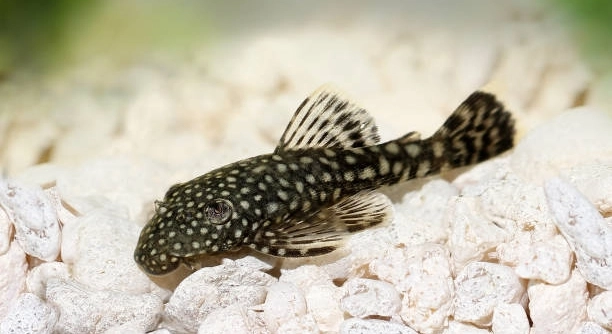
Are your plecos hiding more than usual in their tank and leaving you wondering why they seem so shy? Many pleco owners notice these quiet moments and find themselves observing their fish with careful attention.
Plecos often act shy due to environmental stressors, lack of hiding spaces, or changes in water quality. Ensuring proper tank conditions, adequate shelter, and minimal disturbances can help reduce their reclusive behavior and support overall health and well-being.
Understanding these subtle behaviors can improve your pleco’s comfort and help you create a more balanced and secure aquarium environment.
Environmental Stressors
Plecos are sensitive to their surroundings, and even small changes in the tank can make them act shy. Sudden movements near the tank, loud noises, or frequent rearranging of decorations can cause them to hide. Temperature fluctuations and inconsistent lighting also contribute to stress. Maintaining stable water conditions, proper filtration, and keeping the tank in a calm area can help your pleco feel more secure. Providing plants, driftwood, and caves gives them hiding spaces, which can reduce their anxious behavior. Observing their patterns over time helps you understand their comfort zones. Some plecos are naturally more reserved, and they may spend more time hiding regardless of conditions. Feeding at consistent times and limiting sudden changes to the tank environment encourages confidence. Being patient and attentive allows your pleco to gradually adapt. Over time, a stable, calm tank with appropriate hiding spots can significantly reduce shy behaviors and encourage more natural activity.
Environmental factors like noise, sudden movements, and tank rearrangements often trigger hiding behavior in plecos, emphasizing the importance of stability.
Monitoring your pleco closely for signs of stress and maintaining a predictable tank environment allows you to address issues before they escalate. Providing enrichment, like caves and driftwood, encourages exploration while reducing anxiety. Observing interactions with tankmates is also important, as aggressive or territorial fish can cause a pleco to retreat more frequently. By creating a secure, consistent environment, you can promote healthy, confident behavior over time. Patience is key, as plecos may slowly become more comfortable and active once their surroundings feel safe.
Water Quality and Diet
Poor water quality can make plecos shy or inactive. High ammonia, nitrite, or nitrate levels, as well as improper pH, can stress them. Regular water changes, testing, and maintaining proper filtration are essential. Feeding a balanced diet with vegetables and algae wafers supports their health and encourages activity.
Plecos that receive consistent feeding schedules and clean, stable water often display more confident and natural behaviors.
Providing high-quality nutrition and optimal water conditions not only keeps plecos healthy but also influences their behavior. A varied diet, including fresh vegetables like zucchini or spinach and algae-based foods, ensures proper growth and energy levels. Neglecting these needs can lead to lethargy, hiding, or reduced appetite. Monitoring water parameters with test kits allows you to correct issues before they affect your fish’s comfort. Temperature, pH, and hardness should align with the species’ natural preferences, and consistent maintenance helps prevent stress-related behaviors. Observing your pleco’s eating habits also reveals health changes early. Over time, attentive care improves their confidence, encourages interaction with the environment, and reduces unnecessary hiding. A combination of proper diet, clean water, and a stable tank is essential for nurturing an active and healthy pleco.
Tankmates and Social Behavior
Plecos can be sensitive to the presence of other fish. Aggressive or overly active tankmates often make them hide more frequently. Ensuring compatible species and enough space helps them feel secure and reduces shy behavior.
Observing interactions in the tank is important. Plecos may retreat if other fish are territorial or competitive over food and hiding spots. Providing multiple hiding places and sufficient decorations allows them to escape when needed. Choosing peaceful tankmates, such as tetras or rasboras, reduces stress and encourages your pleco to explore the tank. Overcrowding can also increase hiding tendencies, so maintaining proper stocking levels is essential. Small changes in behavior often indicate how comfortable they are, allowing you to adjust tank conditions proactively.
Sometimes shy behavior is normal, especially for younger plecos or newly introduced fish. Gradual acclimation to the tank and its inhabitants helps them gain confidence. Consistent routines in feeding and water maintenance encourage stability. Additionally, avoiding sudden changes in lighting or decorations supports their sense of security. Over time, they may become more active and visible, interacting with the environment and other fish without fear. Watching these subtle improvements makes caring for your pleco rewarding and helps ensure a healthier, less stressed aquarium community.
Light and Day-Night Cycle
Plecos respond strongly to lighting and daily cycles. Too bright or inconsistent light can make them hide, while a stable day-night cycle promotes normal activity and comfort.
Providing low or diffused lighting mimics natural habitats. Nighttime dimming encourages exploration and feeding, while bright light can trigger retreating behavior. Using floating plants or shaded areas helps create shelter and reduces stress. Gradual light transitions, rather than sudden changes, make your pleco feel more secure. Consistency in light schedules helps regulate their internal rhythms, supporting feeding and resting patterns. Watching how they respond to lighting adjustments allows you to fine-tune the environment for comfort.
Some plecos are more nocturnal and naturally shy during daylight. Observing their behavior at different times helps you understand their preferences. Adjusting lighting to mimic dawn and dusk encourages natural activity while still providing hiding options. Combining shaded areas, floating plants, and gradual light changes reduces stress and promotes confidence. These adjustments, alongside proper tank conditions and compatible tankmates, ensure your pleco feels secure and behaves more naturally. Over time, they become more visible and active, reflecting a healthier and more balanced aquarium ecosystem.
Hiding Spots and Decorations
Plecos rely on hiding spots to feel secure. Providing caves, driftwood, and dense plants allows them to retreat when stressed or shy. The more options they have, the more confident they become in exploring the tank.
Changing decorations too often can increase hiding behavior. Consistent placement of shelters helps them establish safe zones. Observing which spots they prefer allows you to optimize the tank layout. Over time, these secure areas encourage natural activity and reduce stress.
Acclimation to a New Tank
New plecos often act shy due to unfamiliar surroundings. Gradual acclimation to water temperature and chemistry reduces stress and encourages them to explore more confidently. Introducing them slowly helps build comfort.
Health Concerns
Shyness can sometimes indicate illness or discomfort. Watch for signs like faded color, lethargy, or poor appetite. Addressing potential health issues promptly ensures your pleco stays active and comfortable.
FAQ
Why is my pleco hiding all the time?
Plecos often hide due to stress, new surroundings, or bright lighting. They feel safest in shaded or enclosed areas. Ensuring plenty of hiding spots like caves, driftwood, or plants helps them feel secure. Over time, with stable water conditions and gentle observation, most plecos become more comfortable and visible.
Can plecos be social with other fish?
Yes, plecos can coexist with peaceful tankmates. Aggressive or overly active species can make them retreat frequently. Observing interactions and providing enough space and hiding areas reduces tension. Gradual introductions and maintaining proper tank size encourage more confident behavior.
How often should I feed my pleco?
Feeding once or twice daily is sufficient for most plecos. A balanced diet includes algae wafers, fresh vegetables, and occasional protein sources. Overfeeding can lead to water quality issues, which increase stress and hiding. Monitoring appetite ensures your pleco stays healthy and active.
Does lighting affect pleco behavior?
Yes, plecos respond strongly to light levels. Bright or inconsistent lighting often causes them to hide. Using dimmed, diffused light or shaded areas mimics natural habitats. Gradual light transitions between day and night support their natural rhythms, encouraging activity and exploration.
What water conditions are ideal for plecos?
Plecos thrive in stable water with a temperature around 72–82°F (22–28°C), pH between 6.5–7.5, and low ammonia or nitrite levels. Regular testing and partial water changes help maintain consistent conditions. Sudden changes in water parameters can trigger hiding and stress.
Can plecos be active during the day?
While many plecos are nocturnal, some species are active during the day if they feel secure. Providing shaded areas, plants, and hiding spots allows them to explore without fear. Gradual acclimation and a calm environment increase daytime activity over time.
How long does it take for a shy pleco to adjust?
Adjustment times vary by individual and species. Some plecos may hide for days, while others take weeks. Consistency in water quality, feeding, tankmates, and lighting is key. Observing gradual changes in behavior signals growing comfort and confidence.
What are signs of illness in a shy pleco?
Shyness paired with faded color, lethargy, rapid breathing, or poor appetite may indicate illness. Promptly checking water quality and consulting resources for treatment helps prevent further stress and promotes recovery. A healthy pleco is more likely to be active and visible.
Do plecos need hiding spots even in large tanks?
Yes, even in spacious tanks, hiding spots are essential. They provide security and reduce stress, allowing plecos to explore at their own pace. Multiple shelters encourage natural behaviors and help prevent conflicts with tankmates.
Can stress make a pleco stop eating?
Yes, stress from bright light, poor water quality, or aggressive tankmates can reduce appetite. Ensuring a calm environment, proper diet, and plenty of hiding areas encourages feeding and improves overall health. Monitoring eating habits helps detect issues early.
Are some pleco species naturally more shy?
Yes, species like the Bristlenose or Rubber Lip plecos often prefer hiding and are less active in open areas. Understanding species-specific traits helps set expectations for behavior and allows you to tailor tank conditions to their needs.
How do I know if my pleco is happy in the tank?
A confident pleco will gradually explore, feed regularly, and interact with the environment. Visible activity, proper growth, and bright coloration indicate comfort. Consistent monitoring of behavior and water quality ensures your pleco maintains a healthy, stress-free life.
Can rearranging the tank make a pleco more shy?
Yes, sudden changes in decorations or layout can trigger hiding. Plecos need stable environments to feel secure. If rearranging is necessary, move items gradually and observe their reactions to reduce stress and allow adaptation.
How can I encourage a shy pleco to come out?
Gentle feeding routines, stable water, and multiple hiding spots encourage them to explore. Avoid tapping the tank or sudden movements. Over time, consistent care and a calm environment will help your pleco gain confidence and be more visible.
Is it normal for a pleco to hide most of the day?
Yes, especially for nocturnal species or newly introduced fish. While hiding frequently is natural, prolonged inactivity combined with poor appetite or health concerns should be investigated. Proper tank conditions and hiding options support normal behavior while ensuring comfort.
Can water temperature affect pleco behavior?
Yes, temperatures outside their preferred range can stress plecos, making them hide or become lethargic. Maintaining a stable temperature within species-specific ranges ensures comfort, promotes feeding, and reduces unnecessary stress-related behaviors.
Do plecos need live plants or artificial decorations?
Either works as long as there are adequate hiding spots. Live plants offer natural cover and improve water quality, while artificial decorations provide secure spaces without additional care. A combination can encourage exploration and reduce stress.
How do I know if my pleco is adjusting well?
Signs include increased visibility, regular feeding, and natural interactions with tankmates. Gradual exploration and consistent activity indicate they feel safe. Observing small behavioral changes helps you understand their comfort level and supports long-term health.
Can plecos sense people outside the tank?
Yes, plecos can notice movement and shadows but typically do not approach unless accustomed to feeding routines. Gentle observation without sudden motions allows them to feel secure and encourages more confident behavior over time.
What should I do if my pleco never comes out?
Ensure water quality, provide hiding spots, and verify tankmate compatibility. Some species are naturally reserved, but prolonged hiding paired with health or environmental issues should be addressed promptly to ensure well-being and reduce stress.
Final Thoughts
Understanding why a pleco acts shy is essential for maintaining a healthy and comfortable aquarium. Shyness in plecos is often linked to environmental factors, water quality, tankmates, and natural behaviors. Observing your pleco closely can help identify the reasons behind their hiding or reclusive tendencies. Small adjustments, like adding caves or driftwood, providing shaded areas, and ensuring a stable day-night cycle, can significantly improve their confidence. Recognizing that each pleco is unique allows you to tailor the tank setup to its needs, which encourages natural behaviors and reduces stress. Over time, creating a secure and predictable environment helps shy plecos become more active and visible, promoting both their health and your enjoyment as an owner.
Maintaining proper water conditions is one of the most important steps in reducing shy behavior. Temperature, pH, and cleanliness all play a direct role in a pleco’s comfort and willingness to explore. Sudden changes or poor water quality can cause them to hide more frequently or lose interest in feeding. Feeding a balanced diet and keeping a consistent schedule also supports their well-being. Additionally, considering the behavior and temperament of tankmates can prevent unnecessary stress. Peaceful companions and sufficient space allow plecos to feel safe, while aggressive or territorial fish may force them into hiding. Observing your pleco’s reactions to these factors over time allows you to make necessary adjustments to the environment. Patience and consistency are key, as shy plecos may need weeks to feel fully secure.
Shyness in plecos is often natural, especially for nocturnal or newly introduced fish, but attentive care can help them adjust. Providing multiple hiding spots, proper lighting, and minimal disturbances creates an environment where they feel safe to explore. Watching subtle changes in behavior, such as increased activity during feeding or more frequent swimming around the tank, can indicate growing comfort. Health monitoring is also important, as prolonged hiding combined with lethargy or poor appetite may signal illness. By understanding their behavior, catering to their natural instincts, and maintaining stable tank conditions, you ensure a balanced and stress-free habitat. Ultimately, creating a supportive environment allows your pleco to thrive, express its natural behaviors, and develop confidence, making the aquarium a more engaging and rewarding space.

Hello,
If you enjoy the content that we create, please consider saying a "Thank You!" by leaving a tip.
Every little bit helps us continue crafting quality advice that supports the health, happiness, and well-being of pets around the world, for pets of all shapes, sizes, and species.
We really appreciate the kindness and support that you show us!