
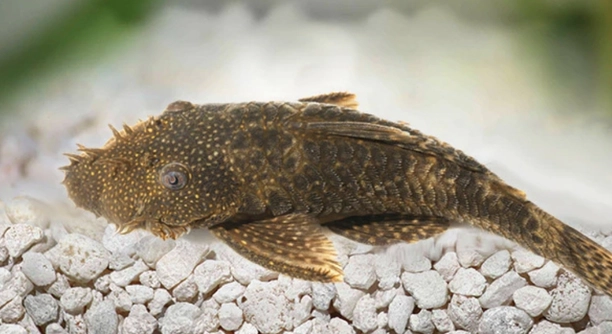
Do you ever find yourself staring at leftover fish food wondering if it can be fed to your bristlenose pleco? Many fish owners struggle to manage uneaten pellets while keeping their tank clean and safe.
Bristlenose plecos can consume leftover fish food, but it is important to ensure that the food is fresh and free from mold. Providing expired or spoiled food may lead to health issues and water quality problems.
Feeding practices and proper tank maintenance are key to keeping plecos healthy. Understanding how leftover food affects them can improve their diet and overall well-being.
Understanding Bristlenose Plecos’ Diet
Bristlenose plecos are primarily herbivores with a natural preference for algae and plant matter. In an aquarium, their diet can be supplemented with sinking pellets, vegetables, and occasional protein sources. While leftover fish food can provide additional nutrients, it is essential to monitor its freshness. Spoiled food can lead to bacterial growth and water contamination, which directly affects pleco health. Observing your pleco’s behavior when introducing new food types helps ensure they are consuming a balanced diet. Overfeeding can result in leftover food accumulating at the bottom, creating poor water conditions and promoting algae overgrowth. Plecos naturally scavenge, but they should not rely solely on leftover pellets. Fresh vegetables such as zucchini, cucumber, and spinach are excellent alternatives, offering essential vitamins and fiber. Rotating food types also helps prevent nutritional deficiencies and keeps the fish active. Maintaining clean water through regular tank maintenance is equally important as providing a proper diet for healthy growth.
Bristlenose plecos benefit most from a varied diet that mimics their natural feeding habits. Fresh vegetables and pellets keep them healthy.
Providing a balanced diet helps prevent diseases and ensures your pleco thrives. Observing their feeding patterns reveals if they are consuming enough food and can indicate any health concerns early. Incorporating fresh, high-quality vegetables, supplemented with occasional protein or pellets, supports proper growth and vibrant coloration. Leftover fish food may supplement their diet but should never replace primary food sources. Consistent feeding schedules and water maintenance further support long-term well-being.
Risks of Feeding Leftover Fish Food
Leftover fish food can introduce harmful bacteria and degrade water quality if not managed properly.
Overfeeding or relying on leftover pellets may result in digestive problems and tank contamination. Spoiled food produces excess waste, increasing ammonia levels that are toxic to plecos. Uneaten food can promote harmful algae and affect other tank inhabitants. It is important to remove excess food promptly and monitor feeding amounts. Feeding fresh vegetables or formulated sinking pellets reduces these risks while ensuring nutritional needs are met. Regularly checking the tank for uneaten food and maintaining a clean substrate supports pleco health and tank stability. Establishing a clear feeding routine prevents excessive leftovers and encourages proper consumption habits.
Feeding leftover fish food requires careful attention and timing. While plecos can consume it safely if fresh, improper management leads to water contamination, disease, and stress. Observing how much your pleco eats and removing uneaten portions promptly is essential. Combining leftovers with fresh vegetables ensures they receive necessary nutrients. Avoiding overfeeding and spoiled food prevents digestive issues and maintains water quality. Proper feeding routines improve growth, coloration, and overall well-being. Cleaning the tank regularly and rotating diet options supports a healthy environment. Leftover pellets can be a useful supplement, but they should never form the primary diet. Consistent monitoring, paired with varied, fresh food sources, guarantees long-term pleco health and reduces potential health complications.
How to Safely Feed Leftover Fish Food
Always check leftover food for freshness before offering it to your pleco. Remove any pellets that appear discolored, moldy, or softened. Only feed small amounts to avoid water contamination.
Even fresh leftover pellets should be given in moderation. Overfeeding can cause uneaten food to accumulate, producing excess waste and raising ammonia levels. Plecos can nibble on leftovers, but relying on them exclusively reduces diet quality. Pair leftovers with fresh vegetables or sinking pellets to ensure balanced nutrition. Observing how much your pleco consumes helps adjust portions and prevents digestive issues. Consistent cleaning of the tank substrate is important to remove any remaining food and maintain water quality.
Feeding leftover food requires careful timing. Introduce small portions right after main feeding to minimize spoilage. Ensure leftovers are only a minor part of the diet, supplemented by high-quality vegetables or formulated pellets. Watch your pleco’s response and remove any uneaten pieces promptly. Maintaining clean water reduces stress and prevents illness. Regularly rotating food types keeps their diet varied and supports healthy growth, digestion, and overall vitality. Avoiding reliance on leftovers protects the aquarium environment while providing plecos with the nutrients they need.
Preferred Food Types for Bristlenose Plecos
Vegetables like zucchini, cucumber, and spinach are ideal for daily feeding. They provide essential fiber and vitamins while supporting digestive health.
Protein-rich options should be occasional, including bloodworms or shrimp pellets. Overfeeding protein can harm digestive systems and affect water quality. Sinking algae wafers or formulated pleco pellets remain reliable staples. Observing your pleco’s preference ensures proper consumption and avoids wasted food. Balancing plant matter with occasional protein supports growth and coloration. Introducing fresh vegetables in rotation helps prevent nutritional deficiencies. Feeding a variety of approved foods improves appetite and promotes natural scavenging behavior, maintaining a healthy and active pleco.
Rotating food types prevents monotony and ensures nutritional balance. Fresh vegetables should be the mainstay, supplemented with occasional protein or sinking pellets. Avoid relying solely on leftover pellets, as they may lack essential nutrients. Consistent observation of your pleco’s eating patterns helps identify preferences and potential health issues early. Removing uneaten food promptly prevents water contamination and stress. A balanced diet supports digestive health, vibrant coloration, and steady growth. Combining fresh, high-quality options with careful management of leftovers ensures your pleco remains healthy, active, and resilient in its tank environment.
Monitoring Tank Cleanliness
Regularly check for uneaten food at the bottom of the tank. Removing leftovers prevents ammonia buildup and maintains water clarity.
Vacuuming the substrate and performing partial water changes ensures a healthy environment. Clean tanks reduce stress and disease risks for bristlenose plecos.
Feeding Schedule Recommendations
Establish a consistent feeding routine to prevent overfeeding. Offer measured portions once or twice daily. Monitor consumption carefully and remove any uneaten food after a short period. Consistent timing encourages natural feeding behavior and helps maintain stable water conditions. Feeding at the same time daily also allows you to observe health and appetite changes promptly. Overfeeding or irregular schedules can lead to leftover accumulation, water contamination, and digestive problems. Small, controlled feedings combined with fresh vegetables or sinking pellets provide balanced nutrition. Maintaining a schedule reduces waste, promotes healthy growth, and supports overall pleco well-being in the aquarium environment.
Signs of Overfeeding
Excess waste and clouded water often indicate overfeeding. Monitor leftovers closely to prevent these issues.
FAQ
Can bristlenose plecos eat leftover flakes from other fish?
Yes, they can, but only if the flakes are fresh and not moldy. Older flakes can carry bacteria or degrade water quality. Feed small amounts to avoid leftover accumulation, and combine with vegetables or sinking pellets for a balanced diet.
How often should I feed leftover food to my pleco?
Leftover food should only be offered occasionally, not as a primary diet. Plecos thrive on a combination of fresh vegetables and specialized sinking pellets. Over-reliance on leftovers can lead to poor nutrition and digestive issues. Monitor the amount consumed and remove uneaten portions promptly.
Are there risks in feeding leftover food?
Yes, feeding spoiled or excess leftover food can cause water contamination, elevated ammonia levels, and digestive problems. Bacterial growth may increase, affecting tank health. Regularly inspect food, feed in moderation, and maintain clean substrate to reduce these risks.
Which vegetables are safe for plecos alongside leftover food?
Zucchini, cucumber, spinach, and peas are excellent choices. They provide fiber and essential nutrients. Vegetables should be blanched or softened for easy consumption. Combining these with leftovers ensures a well-rounded diet. Rotate vegetables to prevent nutritional deficiencies and maintain interest.
Can bristlenose plecos survive on leftover food alone?
No, leftover food alone is insufficient. Plecos need plant matter, vitamins, and fiber to maintain digestive health. Relying solely on leftovers can lead to stunted growth, poor coloration, and health issues. Use leftovers only as a supplement to primary food sources.
How much leftover food is safe to feed?
Small, controlled portions are safest. Feed amounts that your pleco can consume in a short time to prevent spoilage and water contamination. Observe your pleco’s behavior and adjust portions accordingly, removing any uneaten food immediately.
What signs indicate that leftover food is harming my pleco?
Cloudy water, sluggish behavior, loss of appetite, or unusual feces can indicate issues. Check for overfeeding or spoiled food. Remove affected food, clean the tank, and offer fresh vegetables or pellets to restore balance.
Can leftover food be stored for later feeding?
It is not recommended to store leftover food for plecos. Even refrigerated flakes or pellets can spoil quickly. Feeding only fresh portions reduces the risk of contamination and ensures proper nutrition.
Is it better to feed leftover food in the morning or evening?
Feeding timing is less important than freshness and portion control. Observe your pleco’s active hours and offer food when they are most likely to feed. Remove any uneaten food promptly, regardless of the time of day.
How do I balance leftover food with pellets and vegetables?
Offer leftovers as a minor supplement while prioritizing vegetables and sinking pellets. For example, provide fresh vegetables daily, pellets every other day, and small leftover portions occasionally. This balance ensures proper nutrition and supports healthy digestion.
Can leftover food affect water parameters?
Yes, uneaten or spoiled food can raise ammonia, nitrite, and nitrate levels, harming pleco health. Regular substrate cleaning and water testing help maintain stable conditions. Proper feeding reduces waste and supports a healthy tank environment.
What is the safest way to introduce leftover food?
Start with a very small amount, observe consumption, and remove any uneaten food quickly. Pair leftovers with vegetables or pellets to provide a complete diet. Monitor tank conditions and adjust feeding habits as needed.
Are frozen or live foods safer than leftovers?
Frozen or live foods are often safer and more nutritious than leftover pellets. They offer higher protein and stimulate natural foraging behavior. Use leftovers sparingly and ensure they complement, not replace, these primary food sources.
How can I tell if my pleco enjoys leftover food?
Signs of interest include active foraging, nibbling, and visible enthusiasm when food is introduced. If ignored, the food may be stale or unappealing. Adjust portions, freshness, or pairing with vegetables to maintain interest and consumption.
Can leftover food replace algae wafers?
No, leftover food cannot fully replace algae wafers. Algae wafers provide essential fiber and plant matter specifically formulated for plecos. Leftovers can supplement their diet but should not be the main food source.
How often should I clean the tank when feeding leftovers?
Frequent cleaning is necessary. Remove uneaten food daily and perform partial water changes regularly. Monitoring leftovers and tank cleanliness prevents water quality decline and ensures the pleco’s environment remains healthy.
Are all leftover fish foods safe for plecos?
Not all leftover foods are safe. Avoid highly processed, spiced, or colored flakes designed for tropical fish, as they may contain additives harmful to plecos. Stick to simple, plain pellets and flakes in small amounts.
Can overfeeding leftovers affect other tank inhabitants?
Yes, excess leftovers can increase waste, affecting water quality and stressing other fish. Overfeeding can lead to algae blooms and increased ammonia, harming the entire tank ecosystem. Proper portion control and monitoring prevent these issues.
Do plecos prefer leftover food over fresh vegetables?
Plecos may show interest in leftovers due to taste or ease of consumption, but fresh vegetables are nutritionally superior. Leftovers are a supplement, not a replacement, and should be used carefully to maintain a balanced diet.
What is the best practice for leftover food management?
Feed only small, fresh portions, monitor consumption, remove uneaten food promptly, and combine with fresh vegetables or sinking pellets. Maintain clean substrate and stable water parameters to protect pleco health. Careful management ensures leftovers enhance, not harm, the diet.
Final Thoughts
Feeding bristlenose plecos leftover fish food can be useful if done carefully, but it should never replace their main diet. Plecos require a variety of nutrients that leftovers alone cannot provide. Their diet should primarily consist of vegetables, algae wafers, and sinking pellets formulated for their digestive needs. Leftover food can serve as a minor supplement, providing extra energy or a small treat, but it must be fresh, free from mold, and given in very small amounts. Observing the pleco while it eats ensures that it is consuming the food and that no waste is left to decompose in the tank. Overfeeding leftovers can lead to poor water quality, increased ammonia levels, and stress on the fish. Taking the time to prepare and check leftover food before feeding is a simple step that protects both the health of the pleco and the overall aquarium environment. By incorporating leftovers responsibly, it is possible to make use of uneaten food without compromising nutrition or water safety.
Maintaining clean water is just as important as providing proper nutrition. Leftover food, if not removed promptly, can quickly degrade water quality and create conditions that are harmful to plecos. Ammonia, nitrites, and nitrates can build up, affecting not only the pleco but all other inhabitants of the tank. Regular substrate cleaning and partial water changes are essential to prevent this. Observing the tank for uneaten food and waste helps prevent problems before they become serious. Feeding smaller portions reduces the chance of leftovers accumulating and ensures that your pleco receives the right amount of nutrition. Combining fresh vegetables with limited leftover food supports healthy digestion and growth. Rotating the types of vegetables, sinking pellets, and occasional supplemental foods keeps the diet balanced and maintains interest. Careful feeding practices, paired with proper tank maintenance, make it possible to safely include leftovers without compromising the pleco’s health.
Consistency and observation are key to keeping bristlenose plecos healthy when feeding any type of food. Monitoring how much food is eaten and removing any uneaten portions quickly helps prevent contamination and digestive issues. Leftover food can be a convenient way to reduce waste, but it is only effective when integrated carefully into a broader feeding routine. Paying attention to the pleco’s behavior, appetite, and health ensures that any food provided contributes to its well-being. Balancing fresh vegetables, sinking pellets, and occasional leftovers creates a varied diet that supports growth, coloration, and overall vitality. Feeding responsibly, maintaining clean water, and rotating food types are simple steps that have a major impact on the long-term health of bristlenose plecos. With careful management, leftover fish food can be a small, safe addition to the diet, enhancing nutrition while keeping the tank environment stable and healthy.

Hello,
If you enjoy the content that we create, please consider saying a "Thank You!" by leaving a tip.
Every little bit helps us continue crafting quality advice that supports the health, happiness, and well-being of pets around the world, for pets of all shapes, sizes, and species.
We really appreciate the kindness and support that you show us!