
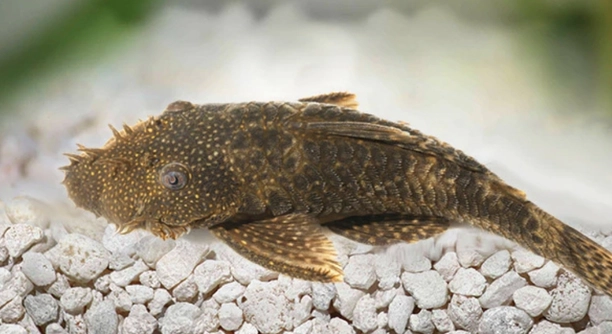
Are your plecos showing signs of white patches or unusual spots on their skin or fins? Fungal infections can appear quickly in freshwater tanks, affecting the health and well-being of these popular aquarium fish.
Preventing fungal issues in plecos primarily involves maintaining clean water, monitoring tank conditions, and providing a balanced diet. Regular water changes, proper filtration, and avoiding overcrowding significantly reduce the likelihood of fungal growth and promote healthy skin and fins.
Following simple care routines and monitoring your pleco’s environment closely can make a significant difference in preventing fungal infections and ensuring they thrive in your aquarium.
Maintain Clean Water
Keeping the tank water clean is essential for preventing fungal infections in plecos. Dirty water can stress your fish, making them more susceptible to diseases. Perform regular water changes, ideally 20–30% weekly, to remove waste and excess nutrients that promote fungal growth. Using a reliable filter helps trap debris and maintain water clarity. Test water parameters often, including ammonia, nitrite, nitrate, and pH, to ensure they stay within safe ranges. Avoid overfeeding, as leftover food can decay and worsen water quality. Introducing live plants or sponge filters can also help maintain a stable environment. Consistent cleaning routines keep plecos healthy and reduce the risk of skin and fin problems caused by fungi. Observing your fish daily can help you spot early signs of infection and act quickly. Clean water directly supports their immune system and overall well-being, making it one of the most important preventive measures you can take.
Regular water checks and weekly cleaning greatly reduce the risk of fungal growth in plecos.
Maintaining clean water is a long-term strategy. It not only prevents fungi but also ensures your plecos remain active and show natural behavior. Over time, you’ll notice stronger coloration, smoother fins, and healthier growth. Clean water also minimizes other diseases, creating a stable environment for all tank inhabitants. By keeping up with these practices, fungal infections become less common, and your plecos enjoy a stress-free habitat. Proper filtration, careful feeding, and monitoring water parameters form the foundation of effective aquarium care, making it easier to maintain a thriving, fungus-free tank.
Control Tank Temperature
Consistent tank temperature helps plecos resist fungal infections. Rapid fluctuations can stress their immune system and trigger health problems.
Keeping the water at the species’ ideal temperature range is critical. Most plecos thrive between 74–80°F (23–27°C). Sudden drops or spikes can weaken their resistance to fungi and bacteria. Using a reliable aquarium heater with a thermostat ensures stable conditions. Avoid placing tanks near drafts, air conditioners, or direct sunlight, which may create temperature swings. Monitoring with a thermometer daily allows quick corrections. Stable temperatures also encourage normal feeding behavior and activity levels, supporting overall health.
Temperature control plays a larger role than many realize. Stress from inconsistent water temperature directly contributes to fungal infections, so maintaining stability is essential. Pairing proper temperature with clean water and balanced nutrition strengthens immunity. Heaters, thermometers, and careful placement of your tank prevent sudden changes. Over time, your plecos will display healthier skin, vibrant colors, and better growth. Preventing stress through temperature management is a simple yet highly effective measure, complementing other care strategies and reducing the likelihood of fungal issues in your tank.
Avoid Overcrowding
Overcrowding increases stress and spreads diseases, including fungal infections. Each pleco needs enough space to move freely and establish territories, which helps maintain their health and immune response.
Providing sufficient space reduces stress-related susceptibility to fungal infections. Tanks that are too crowded lead to competition for food, hiding spots, and oxygen. Stress weakens the immune system, making plecos more likely to develop white patches or fin rot caused by fungi. Overstocked tanks also make it difficult to maintain water quality because waste accumulates faster, overwhelming filtration systems. Carefully plan your tank size according to the number and size of plecos you keep. For example, a 55-gallon tank can comfortably house one or two medium-sized plecos, depending on other inhabitants and decorations. Proper tank management ensures that each fish has enough room to thrive, minimizing the chance of fungal outbreaks.
Monitoring population density is an ongoing task. As plecos grow, you may need to adjust tank mates or move some to larger setups. Observing interactions helps prevent stress and fights, which indirectly protects them from fungal infections. Maintaining a calm, spacious environment allows plecos to feed normally and maintain strong health.
Monitor Water pH and Hardness
Maintaining stable pH and hardness levels helps plecos resist fungal infections. Sudden changes can stress them and create conditions for fungi to thrive.
Plecos generally prefer slightly acidic to neutral water with a pH between 6.5 and 7.5. Hardness should be moderate, around 3–10 dGH, depending on the species. Frequent testing is necessary because even small fluctuations can weaken their immune system, making them more susceptible to fungal growth. Avoid adding chemicals or treatments that drastically change pH without monitoring, as sudden shifts are harmful. Using substrate, decorations, and water sources that match their natural preferences helps maintain stable conditions. Consistent water chemistry supports normal metabolism, feeding, and skin health.
Stable pH and hardness reduce stress and support overall immune function. Sudden shifts often coincide with temperature changes or overfeeding, so monitoring these together is important. Adjustments should be gradual, ideally over several hours or days, to prevent shock. This practice, combined with regular water changes and proper filtration, forms a foundation for preventing fungal infections. Observing pleco behavior can also signal subtle changes in water chemistry, helping you act before problems develop. Regular maintenance ensures your tank remains a healthy, fungus-resistant environment.
Provide a Balanced Diet
A balanced diet strengthens plecos’ immune systems and reduces the risk of fungal infections. Include a mix of algae wafers, vegetables, and occasional protein sources to keep them healthy.
Avoid overfeeding, as uneaten food can decay and promote fungal growth. Consistent, measured meals support growth and resilience against infections.
Remove Uneaten Food Promptly
Leftover food decomposes quickly, raising ammonia and promoting fungal growth. Remove uneaten portions daily to maintain clean water. Proper feeding routines reduce stress, help water quality, and keep plecos healthy, limiting conditions where fungi can develop.
Quarantine New Fish
Quarantining new fish before introducing them prevents the spread of fungi or other diseases. Keep them in a separate tank for at least two weeks, monitor health, and treat if necessary. This step protects your existing plecos and maintains overall tank health.
Observe Regularly
Regular observation helps detect early signs of fungal infections. Watch fins, skin, and behavior daily to catch problems before they worsen.
FAQ
How can I tell if my pleco has a fungal infection?
Fungal infections often appear as white or gray cotton-like patches on the skin, fins, or gills. Your pleco may also show unusual behavior such as hiding more than usual, reduced appetite, or sluggish swimming. Early detection allows for faster treatment and better recovery.
What is the best way to treat fungal infections in plecos?
The most effective treatment involves improving water quality, maintaining stable temperature, and using antifungal medications if necessary. Isolate affected fish in a quarantine tank for targeted treatment, ensuring they are not stressed and have clean water. Follow dosing instructions carefully to avoid harming the fish.
Can diet prevent fungal infections?
Yes. A balanced diet strengthens the immune system, helping plecos resist infections. Provide a mix of algae-based foods, fresh vegetables like zucchini or cucumber, and occasional protein sources. Avoid overfeeding, as leftover food can decay and promote fungal growth.
How often should I change the water to prevent fungi?
Weekly water changes of 20–30% are recommended. Regular cleaning removes waste and excess nutrients that fungi feed on. Combine water changes with testing for ammonia, nitrites, and nitrates to ensure a stable, healthy environment.
Do plecos need quarantine before introducing them to my main tank?
Absolutely. Quarantining new fish for at least two weeks allows you to observe for signs of illness. This prevents spreading fungal infections or other diseases to established tank inhabitants. Treat any issues immediately in the quarantine setup.
Can temperature fluctuations trigger fungal infections?
Yes. Sudden drops or spikes in water temperature can stress plecos, weakening their immune system. Maintaining a stable temperature with a reliable heater and thermometer reduces the risk of infection and supports healthy behavior and feeding patterns.
What water parameters are ideal for plecos?
Plecos thrive in slightly acidic to neutral water, with a pH of 6.5–7.5. Hardness should be moderate, around 3–10 dGH. Regularly test these parameters, as sudden changes can stress your fish and create conditions favorable for fungal growth.
How can I prevent overcrowding in my tank?
Provide enough space according to pleco species and size. A 55-gallon tank is suitable for one or two medium-sized plecos. Overcrowding causes stress, increases waste, and raises the likelihood of fungal infections. Plan tank inhabitants carefully and observe their interactions.
Are there natural remedies for fungal infections?
Some aquarists use salt baths or herbal treatments, but these should be approached cautiously. Salt can help reduce fungal spores, while certain plant extracts may support healing. Always research proper dosages and observe fish closely for any adverse reactions.
How important is daily observation?
Very important. Observing fins, skin, and behavior daily helps detect early signs of fungal infection. Catching problems early allows faster treatment, preventing the infection from spreading or worsening, and ensures your plecos stay healthy.
Can poor filtration lead to fungal issues?
Yes. Inadequate filtration allows waste to accumulate, deteriorating water quality. Fungi thrive in dirty water, so using a suitable filter for your tank size and performing regular maintenance is essential for preventing infections.
How long does it take for a pleco to recover from a fungal infection?
Recovery time varies based on severity, water conditions, and treatment. Mild infections can clear in 1–2 weeks with proper care, while severe cases may take longer. Maintaining clean water, a stable environment, and proper nutrition supports faster healing.
Is it safe to treat the entire tank for fungal infections?
Whole-tank treatments can be risky, especially for sensitive species or plants. Targeted quarantine treatments are usually safer. If a tank-wide treatment is necessary, monitor water chemistry closely and consider temporary removal of vulnerable species.
Can stress cause fungal infections in plecos?
Yes. Stress weakens the immune system and makes plecos more vulnerable to fungal spores. Stress factors include overcrowding, poor water quality, frequent temperature swings, and aggressive tank mates. Reducing stress supports long-term health and lowers infection risk.
What are the most common mistakes that lead to fungal infections?
Overfeeding, poor water quality, overcrowding, ignoring temperature stability, and introducing new fish without quarantine are the main causes. Maintaining a clean, balanced, and stable environment is the most effective way to prevent infections in plecos.
This FAQ section provides practical, straightforward guidance to keep plecos healthy and minimize the risk of fungal infections. Proper observation, maintenance, and care routines make a significant difference in their long-term well-being.
Maintaining healthy plecos requires consistent care and attention to their environment. Fungal infections are one of the more common health issues in aquariums, but they are largely preventable with simple routines. Clean water, stable temperatures, proper filtration, and regular observation are the foundation of good pleco care. When water quality is kept in check, plecos are less stressed and better able to resist infections. Stress from poor conditions weakens their immune system and makes fungal spores more likely to take hold. Keeping tanks clean and monitoring water parameters on a regular schedule is an investment in the long-term health of your fish. Even small adjustments, like weekly water changes or careful feeding practices, can make a noticeable difference in preventing fungal growth.
Diet also plays an important role in the overall health of plecos. A balanced diet strengthens their immune system, helping them resist infections naturally. Feeding a mix of algae-based foods, vegetables, and occasional protein ensures they get the nutrients they need. Overfeeding, on the other hand, creates leftover food that decomposes and contaminates the water, increasing the risk of fungal outbreaks. By paying attention to portion sizes and removing uneaten food promptly, you support both water quality and fish health. Adding variety to their diet can also reduce stress and encourage natural behavior, which contributes to their ability to fight off infections.
Lastly, observation and proactive care are key to preventing and addressing fungal infections in plecos. Watching for early signs, like changes in fins, skin, or behavior, allows you to act quickly before problems escalate. Quarantining new fish before adding them to your main tank is another effective step to reduce the spread of disease. Ensuring that tank inhabitants are not overcrowded and that water chemistry remains stable are additional preventative measures. By combining consistent tank maintenance, proper nutrition, and careful monitoring, fungal infections can be minimized, and plecos can thrive in a healthy, stress-free environment. These small, steady practices create the conditions for long-term well-being and help you enjoy your plecos without the worry of recurring health issues.

Hello,
If you enjoy the content that we create, please consider saying a "Thank You!" by leaving a tip.
Every little bit helps us continue crafting quality advice that supports the health, happiness, and well-being of pets around the world, for pets of all shapes, sizes, and species.
We really appreciate the kindness and support that you show us!