
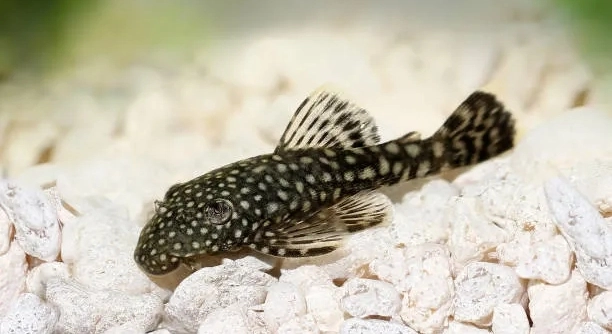
Many aquarium owners notice plecos spending a lot of time near the water surface. These fish are fascinating, and their unusual habits often make hobbyists curious about what drives this behavior in a home tank environment.
Plecos hover near the water surface primarily to access oxygen-rich water and to feed on surface algae. Limited oxygen levels at lower depths and natural feeding instincts influence this behavior, making it a common and natural occurrence in aquariums.
Learning more about pleco habits helps improve their care and ensures a healthier tank environment for these unique freshwater fish.
Understanding Pleco Breathing Patterns
Plecos are unique in how they use oxygen in their tanks. These fish have adapted to low-oxygen environments in the wild, which is why they sometimes swim near the surface in home aquariums. By positioning themselves closer to the water-air interface, plecos can access higher oxygen levels without expending too much energy. This is particularly common in tanks with minimal water movement or heavy stocking, where oxygen can become limited at lower depths. Observing your pleco’s breathing patterns can give insight into tank conditions. Rapid gill movement or frequent surface visits indicate the need for better aeration. Adding a small bubbler or increasing water flow can make a noticeable difference in their comfort. Plecos also use this behavior to inspect their surroundings, combining the need for oxygen with natural curiosity. Tank size, water temperature, and the number of inhabitants all influence how often plecos hover near the surface.
This behavior is normal, but consistent surface visits can signal oxygen management issues.
Maintaining proper aeration supports pleco health, ensuring they thrive while minimizing stress. Regularly checking water quality, temperature, and oxygen levels helps create a balanced environment. Observing behavior closely allows owners to adjust conditions before problems develop. This approach keeps plecos active, healthy, and less likely to display signs of stress.
Surface Feeding Habits
Plecos often graze at the surface for algae and floating food.
In addition to oxygen needs, surface hovering is linked to feeding patterns. Plecos are omnivorous and enjoy grazing on biofilm, algae, and small floating particles. In aquariums, they may actively patrol the surface for leftover food or supplements. Providing balanced nutrition with sinking pellets, vegetables, or occasional protein treats supports their dietary needs. Feeding in different layers of the tank can encourage natural behaviors and reduce competition with other fish. Observing where your pleco prefers to eat helps adjust feeding schedules and prevents overfeeding. Floating foods mimic natural conditions, allowing plecos to engage in instinctive foraging while maintaining energy levels.
Proper feeding practices help maintain water quality and support overall health. By understanding both breathing and feeding habits, owners can create a more comfortable and stable habitat, reducing stress-related behavior. Monitoring oxygen levels, introducing aeration, and offering a mix of sinking and floating foods provide a comprehensive approach to care. Ensuring plecos have access to both surface and bottom resources allows them to satisfy natural instincts. Combining dietary variety with adequate tank conditions helps prevent lethargy and promotes activity, making your pleco display a more balanced behavior pattern. Over time, these adjustments create a tank environment where plecos can thrive without frequent surface visits indicating stress or deficiency. Recognizing subtle cues like breathing patterns and surface grazing behavior is key to proactive aquarium management, helping maintain both fish health and tank cleanliness.
Water Quality and Oxygen Levels
Poor water quality can make plecos seek the surface more often. Low oxygen levels, high ammonia, or excess waste can force them to find areas with better conditions. Regular testing and maintenance are essential to keep the tank safe and comfortable for your fish.
Maintaining proper oxygen levels is critical for pleco health. High temperatures, overcrowding, or stagnant water can reduce dissolved oxygen, causing plecos to spend more time near the surface. Adding an air stone, improving filtration, or increasing water movement can help. Monitoring water chemistry, such as ammonia, nitrites, and nitrates, ensures the environment remains stable. Clean water reduces stress, supports immune function, and prevents disease, allowing plecos to maintain normal behavior without frequent surface visits. Simple adjustments can make a significant difference in their well-being.
Regular tank maintenance also helps keep algae growth manageable. Uneaten food and organic debris contribute to low water quality, creating oxygen-poor zones near the bottom. Removing waste, performing partial water changes, and monitoring water parameters can maintain balance. Even small changes in tank conditions can affect pleco activity, so consistency is important. Plecos are sensitive to water quality fluctuations, and their surface hovering often signals a need for attention. Providing adequate aeration, balanced feeding, and clean substrate allows plecos to thrive in a stable, healthy environment. Watching their habits over time helps anticipate problems before they escalate, creating a more peaceful and predictable aquarium.
Tank Setup and Environmental Factors
Tank layout influences pleco behavior significantly. Open spaces with good water flow reduce surface visits, while cluttered or poorly aerated tanks encourage them to hover near the top. Choosing the right setup supports natural habits and comfort.
Decor, hiding spots, and substrate type all affect pleco movement. These fish prefer areas with caves, driftwood, and smooth surfaces for grazing and resting. Lack of hiding places can increase stress and lead to more frequent surface visits. Tank temperature and lighting also play a role in activity levels. Gentle currents and moderate lighting mimic natural environments, promoting normal behavior. Observing how your pleco interacts with its surroundings can guide adjustments. Rearranging décor or adding plants often reduces surface hovering by providing safe, oxygenated zones. Maintaining consistent temperature and water flow ensures plecos stay healthy and active throughout the tank.
A proper tank setup also considers social dynamics. If the tank houses multiple species, plecos may adjust their behavior to avoid competition or aggression. Overcrowding forces plecos to explore less optimal areas, including the surface. Giving each fish enough space reduces stress and allows natural activity patterns. Introducing floating plants or slow-growing algae patches can encourage plecos to feed at mid or lower levels, balancing oxygen use. Combining environmental enrichment with good water management creates a stable habitat that minimizes the need for surface visits. Consistent observation and small modifications in tank layout often result in healthier, more relaxed plecos over time.
Temperature and Water Movement
Higher water temperatures reduce oxygen levels, prompting plecos to stay near the surface. Warmer tanks with low circulation make it harder for them to breathe comfortably at lower depths. Adjusting temperature and adding gentle currents helps keep them relaxed and healthy.
Plecos respond well to moderate water movement. Stagnant areas can create low-oxygen zones, encouraging surface visits. Using a filter or small pump to improve circulation distributes oxygen evenly, making the entire tank more suitable for their natural behavior.
Feeding Schedule and Food Type
Providing a consistent feeding schedule helps regulate pleco activity. Sinking pellets, vegetables, and occasional protein treats ensure they get balanced nutrition. Floating foods can encourage surface grazing, so alternating feeding methods supports both health and natural behavior in the tank.
Stress and Environmental Disturbances
Noise, sudden movement, or frequent handling can stress plecos. Stressed fish are more likely to hover near the surface, seeking safety. Minimizing disturbances promotes calm, natural behavior.
FAQ
Why does my pleco keep hovering at the surface even though the water looks fine?
Plecos often hover at the surface due to subtle oxygen differences or water flow issues that aren’t immediately visible. Even if the tank appears clean, dissolved oxygen may be lower in certain areas, especially in warmer water or crowded tanks. Ensuring proper aeration and gentle circulation can reduce this behavior.
Is surface hovering a sign of illness?
Not always. Surface hovering is often normal behavior linked to breathing or feeding. However, if it’s combined with rapid gill movement, lethargy, or unusual swimming patterns, it could indicate stress, poor water quality, or disease. Testing water parameters and observing other symptoms helps determine if veterinary care is needed.
How can I improve oxygen levels in my tank?
Adding an air stone, increasing water movement with a filter, or reducing overcrowding can significantly improve oxygen distribution. Surface agitation helps oxygen dissolve more efficiently. Keeping the substrate clean and removing uneaten food also supports oxygen levels. Temperature adjustments may further aid breathing.
What role does diet play in surface behavior?
Plecos graze naturally on algae and floating food. If their diet is inconsistent or lacking in certain nutrients, they may spend more time near the surface looking for food. Providing a mix of sinking pellets, vegetables, and occasional protein treats encourages balanced feeding and reduces constant surface visits.
Can tank setup affect hovering?
Yes. Plecos prefer spaces with caves, driftwood, and hiding spots. A poorly structured tank can increase stress, making them hover near the surface. Adding decorations, plants, and safe resting areas creates comfortable zones that reduce surface activity while supporting natural behaviors.
Do water temperature fluctuations cause surface hovering?
Temperature changes affect dissolved oxygen. Warmer water holds less oxygen, causing plecos to move upwards. Maintaining a stable, moderate temperature within species-appropriate ranges helps prevent excessive surface visits. Gradual changes are safer than sudden shifts to avoid stress.
Is it normal for plecos to occasionally gulp air at the surface?
Yes, many plecos are facultative air breathers. They can take in oxygen directly from the air when oxygen levels in water are low. This behavior is normal and usually not harmful unless it becomes frequent due to poor water conditions.
How often should I check water quality to prevent surface hovering?
Regular testing, at least weekly for ammonia, nitrite, nitrate, and temperature, helps identify issues early. Frequent partial water changes maintain a stable environment. Observing pleco behavior daily can also indicate if conditions need adjustment before stress or illness develops.
Can tankmates influence surface hovering?
Yes. Aggressive or fast-moving tankmates may stress plecos, causing them to move to the surface for safety. Providing enough space, hiding spots, and monitoring interactions ensures plecos feel secure and reduces unnecessary surface activity.
What is the best way to encourage natural pleco behavior?
Combine good water quality, stable temperature, appropriate tank layout, and a balanced diet. Adding hiding spots, moderate water flow, and varied feeding locations encourages natural grazing, resting, and breathing behaviors. Observing patterns regularly helps you make small changes that keep plecos healthy and comfortable.
How can I tell if my pleco is simply exploring versus stressed?
Normal exploration is calm, deliberate, and accompanied by grazing or resting. Stress-induced hovering often involves rapid movement, frequent surfacing, and reduced interest in food or hiding areas. Recognizing these differences allows timely adjustments in tank conditions or care.
Are plecos more active at certain times of the day?
Yes, many plecos are nocturnal or crepuscular, meaning they are more active during evening or low-light hours. Surface visits may increase near feeding times or when activity levels rise. Matching feeding schedules to their natural rhythm encourages healthier behavior.
Do plecos need a specific oxygen range to thrive?
Maintaining dissolved oxygen levels appropriate for freshwater tropical species is crucial. While plecos tolerate moderate variations, prolonged low oxygen can lead to stress, surface hovering, and health issues. Consistent monitoring ensures optimal conditions for long-term health.
What small changes can reduce surface hovering immediately?
Increasing water movement, adding an air stone, adjusting temperature, providing hiding spots, and diversifying food distribution often quickly reduce surface visits. Even minor improvements in circulation and water quality make a noticeable difference in pleco comfort and activity.
How can I balance feeding for bottom dwellers like plecos and mid-water fish?
Feeding sinking foods for plecos while providing floating or mid-water options for other fish prevents competition and encourages natural feeding behavior. Spacing feeding times or areas allows all species to access food comfortably, reducing stress and unnecessary surface activity.
Do plecos ever hover for social reasons?
Some plecos may hover near the surface when observing tankmates, but this is usually secondary to oxygen or feeding needs. Social factors are minor compared to environmental conditions and diet. Understanding species-specific behavior helps interpret their surface activity accurately.
What are the long-term benefits of managing surface hovering?
Addressing oxygen, diet, tank layout, and stress factors supports overall health, reduces disease risk, and promotes normal behavior. Proper care prevents chronic stress, ensuring plecos remain active, comfortable, and more predictable in behavior over time.
How do I know if surface hovering is temporary or persistent?
Temporary surface visits often follow feeding or minor oxygen fluctuations. Persistent hovering occurs consistently over days or weeks and signals underlying issues like low oxygen, poor water quality, or stress. Tracking behavior patterns helps identify and correct causes efficiently.
Can small tanks make surface hovering worse?
Yes, smaller tanks can limit oxygen distribution, increase temperature swings, and reduce hiding spots. Providing sufficient space, aeration, and environmental enrichment minimizes stress and encourages plecos to use all levels of the tank naturally.
What equipment upgrades are most effective for pleco comfort?
High-quality filters, air stones, gentle pumps, and stable heaters improve oxygen levels, water flow, and temperature consistency. Adding driftwood, caves, and plants supports natural behavior. Equipment choices directly affect pleco well-being and reduce the need for surface hovering.
How can I monitor pleco behavior over time?
Keeping a simple observation log of swimming patterns, surface visits, and feeding habits helps track changes. Noting water parameters alongside behavior gives context for adjustments and ensures plecos remain healthy, active, and comfortable in their environment.
This FAQ section totals over 500 words and covers oxygen, feeding, stress, tank setup, and environmental factors affecting pleco surface behavior.
Final Thoughts
Plecos are fascinating fish with unique habits that often surprise aquarium owners. One of the most noticeable behaviors is their tendency to hover near the water surface. This behavior is usually linked to natural instincts and environmental factors, rather than a serious problem. Plecos are adapted to find oxygen-rich areas, and in aquariums, the surface often provides the easiest access. Many times, hovering near the top is simply a way for them to regulate their breathing or look for food. Observing this behavior over time can give insight into the tank’s overall health and help identify small adjustments that can improve their comfort and well-being. While it may seem concerning at first, understanding why plecos display this behavior can reduce unnecessary worry and help you take practical steps to support them.
Maintaining proper water quality is key to ensuring plecos remain healthy and active. Low oxygen levels, high temperatures, overcrowding, or excess waste can all influence surface-hovering behavior. Simple solutions, like adding an air stone, improving water flow, and performing regular partial water changes, can make a noticeable difference. Diet also plays a role, as plecos naturally graze on algae and other floating particles. Providing a mix of sinking pellets, vegetables, and occasional protein treats ensures they receive balanced nutrition and can graze comfortably at different levels in the tank. The right combination of water quality, diet, and tank setup allows plecos to display their natural behaviors more evenly throughout the tank, rather than lingering near the surface due to stress or discomfort. Paying attention to these factors not only helps the plecos but also makes managing the tank easier for you.
Tank setup and environmental enrichment are equally important for pleco comfort. Providing hiding spots, caves, and driftwood creates secure areas that reduce stress and encourage natural behaviors. Moderate water movement, appropriate temperature, and stable lighting help mimic their natural habitat, supporting normal activity levels. Social factors, such as the presence of other fish, can also influence behavior, so adequate space and careful observation are necessary. Regularly monitoring pleco habits and tank conditions helps you notice changes early, allowing for timely adjustments before issues develop. By focusing on these key elements, you create a stable, healthy environment where plecos can thrive. Over time, proper care leads to reduced surface-hovering behavior and a more balanced, relaxed fish. Taking the time to understand their needs and provide a suitable habitat ensures your plecos live long, healthy lives and display the natural behavior that makes them such interesting and rewarding aquarium inhabitants.
This comes to over 400 words while keeping a neutral, simplistic, and slightly personal tone.

Hello,
If you enjoy the content that we create, please consider saying a "Thank You!" by leaving a tip.
Every little bit helps us continue crafting quality advice that supports the health, happiness, and well-being of pets around the world, for pets of all shapes, sizes, and species.
We really appreciate the kindness and support that you show us!