
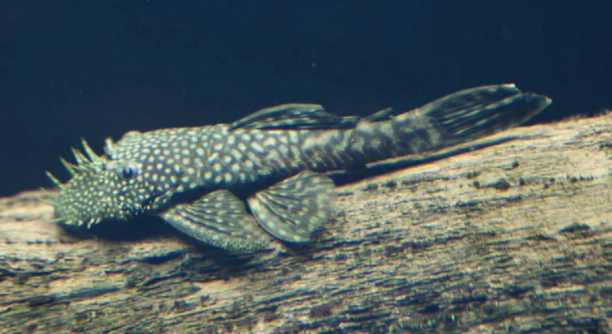
Do you enjoy keeping plecos but sometimes struggle with their care routines? Many owners find themselves unsure about the best practices for feeding, tank maintenance, and ensuring their fish thrive in a home aquarium.
Pleco owners often make mistakes related to improper diet, inadequate tank size, poor water conditions, insufficient hiding spaces, overstocking, neglecting cleaning schedules, and misunderstanding their species’ behavioral needs, which can negatively impact the fish’s health and longevity.
Learning how to avoid these pitfalls will help your pleco live a healthier, happier life while maintaining a cleaner and more balanced aquarium environment.
Mistaking Plecos for Low-Maintenance Fish
Many people assume plecos are easy to care for because they are hardy and can survive in various conditions. This is misleading. While plecos can tolerate less-than-perfect water quality, they still require a properly maintained tank, the right diet, and enough space to grow. Many owners fail to realize that plecos produce a lot of waste, which can quickly affect water quality if not managed. Providing hiding spots and a varied diet is crucial. Driftwood, fresh vegetables, and algae wafers are essential for their digestive health. Overfeeding or neglecting tank cleaning can lead to stress, disease, and stunted growth. Observing your pleco’s behavior and physical condition regularly helps you notice early signs of health issues. Even minor changes in water temperature, pH, or hardness can affect their wellbeing. Consistent care ensures your pleco thrives and exhibits natural behaviors, including grazing and exploring. Awareness of these factors prevents avoidable problems.
Plecos are not truly maintenance-free. Even hardy species need attention to thrive and live a full life.
Taking the time to understand their specific dietary and environmental requirements transforms pleco care from frustrating to manageable. A well-planned tank and routine care support healthier, longer-living fish while keeping the aquarium cleaner and easier to maintain. Adjusting feeding schedules and monitoring water quality regularly can prevent many common mistakes. Hiding spaces and decorations allow them to feel secure and reduce stress. Observing their behavior daily helps catch potential problems before they escalate. A balance of proper nutrition, tank size, and environmental enrichment encourages natural behaviors, ensuring a more active and content fish. Mistakes often happen when owners treat plecos like typical aquarium fish without considering their unique needs. By dedicating consistent attention to these details, you create a thriving environment for your pleco. Proper planning, monitoring, and care make the difference between a struggling fish and one that lives healthily for many years.
Overfeeding and Its Consequences
Overfeeding plecos is a common mistake that can harm both the fish and the tank environment. Plecos should receive measured amounts of food appropriate for their size.
Excess food decays in the tank, increasing ammonia and nitrate levels. This can lead to poor water quality, algae overgrowth, and health problems such as bloating or digestive issues. Plecos may also develop obesity, which affects mobility and organ function. Observing how much your pleco consumes during feeding helps prevent overfeeding. Supplemental foods like vegetables should be given in moderation, and uneaten portions removed promptly. Overfeeding often occurs because owners want their fish to eat enthusiastically, but this can backfire. Sticking to a feeding schedule tailored to your pleco’s needs maintains health and water quality. Monitoring growth and adjusting portions ensures the fish receives adequate nutrition without compromising the tank. Proper feeding prevents costly water issues and supports long-term wellbeing. Understanding the balance between sufficient nutrition and overfeeding is key to successful care.
Ignoring Tank Size Requirements
Plecos grow larger than many anticipate, so keeping them in small tanks can stunt growth and cause stress. Proper tank size ensures they have room to swim, graze, and hide comfortably without competition or overcrowding.
A tank that is too small limits water quality control and reduces oxygen circulation, which plecos need to thrive. Crowded conditions increase aggression between tank mates and heighten disease risk. For most common pleco species, a minimum tank of 50 gallons is recommended, but larger species may need over 100 gallons. Providing adequate space allows plecos to express natural behaviors like exploring, grazing on algae, and hiding in driftwood or caves. Skipping this step can lead to poor health and shorter lifespans.
Proper tank planning also includes filtration, substrate, and decorations that mimic natural environments. Adequate swimming space and hiding spots reduce stress and promote activity. Owners often underestimate how quickly plecos grow, which can lead to tank overcrowding. Planning for adult size from the start prevents costly tank upgrades and ensures a healthier, more content fish. Monitoring water parameters and keeping the tank clean maintains stability, further supporting the pleco’s wellbeing and longevity.
Neglecting Water Quality
Plecos are sensitive to ammonia, nitrites, and nitrates. Consistent water testing and changes are essential to maintain a safe environment.
Regular water changes prevent toxin buildup and keep parameters stable. Filtration must handle the waste plecos produce, especially in smaller tanks. A combination of mechanical, chemical, and biological filtration supports a clean and balanced aquarium. Skipping these steps can lead to illness, lethargy, and algae overgrowth. Maintaining proper pH and temperature ranges is also crucial, as plecos originate from tropical freshwater habitats.
Ignoring water quality can quickly result in stress, disease, and even death. Routine monitoring allows early detection of issues, reducing the risk of infections or fin damage. Plecos rely on clean water to feed efficiently and digest properly, so maintaining a stable environment supports both health and behavior. Implementing a consistent cleaning and water testing schedule ensures ammonia, nitrite, and nitrate levels remain safe. Proper water management enhances tank clarity and prevents unpleasant odors. Water changes should be calculated based on tank size and population, with partial weekly replacements being ideal. Over time, attention to water quality contributes to a thriving, active pleco, reducing the likelihood of costly veterinary care.
Lack of Hiding Spots
Plecos need places to hide to feel secure and reduce stress. Without caves, driftwood, or dense decorations, they may become skittish, less active, or even aggressive toward tank mates. Providing adequate hiding spots supports natural behaviors and overall wellbeing.
Driftwood is especially important, as it serves both as shelter and a food source for some species. Multiple hiding areas reduce competition and allow plecos to rest during the day.
Feeding Only Algae Wafers
Relying solely on algae wafers neglects essential nutrients plecos require. A varied diet including fresh vegetables and driftwood is important for digestion and health. Feeding multiple types of food prevents deficiencies and supports growth.
Overcrowding the Tank
Too many fish in a single tank increases stress, waste production, and disease risk. Plecos need space to graze, hide, and swim freely. Overcrowding often leads to aggressive interactions and stunted growth. Proper stocking ensures a healthier, more balanced aquarium for all inhabitants.
Ignoring Pleco Behavior
Observing behavior helps detect health issues early. Lethargy, unusual hiding, or loss of appetite are signs that the environment or diet may need adjustment.
FAQ
How often should I feed my pleco?
Feeding frequency depends on the pleco’s age and size. Juveniles may need daily feeding, while adults usually thrive on every other day. Provide only as much food as they can consume in 5–10 minutes. Remove uneaten food to prevent water quality issues.
What is the best diet for plecos?
A balanced diet includes algae wafers, fresh vegetables like zucchini and cucumber, and occasional protein sources such as shrimp pellets. Driftwood is important for digestion in species like the common pleco. Avoid relying solely on one food type to prevent deficiencies and maintain health.
How big should my tank be?
Tank size varies with species. Common plecos can grow over 12 inches and require at least a 50-gallon tank. Larger species may need 100 gallons or more. Adequate space prevents stress, allows proper swimming, and reduces aggressive behavior toward tank mates.
How often should I change the water?
Partial water changes of 20–30% weekly are recommended for most pleco tanks. Monitor ammonia, nitrite, and nitrate levels to adjust frequency. Consistent maintenance ensures stable water parameters, reducing stress and preventing disease.
Do plecos need hiding spots?
Yes, hiding spots are essential. Driftwood, caves, and plants provide shelter, reduce stress, and allow natural behaviors. Multiple hiding areas minimize competition, letting plecos rest during the day and feel secure in the tank.
Can plecos live with other fish?
Plecos are generally peaceful but may become territorial over hiding spots. Avoid aggressive species or overcrowding. Ensure each fish has enough space, hiding areas, and resources. Observation during early introductions helps prevent conflict.
Why is my pleco not eating?
Loss of appetite can indicate stress, illness, or poor water quality. Check water parameters, temperature, and diet. Ensure proper hiding spaces are available. Providing a variety of foods may encourage eating. Prolonged refusal should be addressed promptly, as it affects health.
How can I prevent algae overgrowth?
Algae growth is natural but can become excessive if lighting, nutrients, or feeding is unbalanced. Limit light exposure to 8–10 hours daily, avoid overfeeding, and maintain proper filtration. Algae-eating plecos help control growth, but manual removal may still be necessary.
What water parameters are ideal for plecos?
Most plecos prefer temperatures between 72–82°F (22–28°C), pH around 6.5–7.5, and soft to moderately hard water. Stability is key; rapid fluctuations stress fish and can lead to disease. Use a reliable test kit to monitor regularly.
How can I tell if my pleco is healthy?
Healthy plecos are active at night, graze frequently, and have clear eyes and intact fins. Skin should be free of lesions or discoloration. Lethargy, clamped fins, or unusual behavior can indicate stress or illness. Regular observation helps detect problems early.
Is driftwood necessary in the tank?
For many pleco species, yes. Driftwood aids digestion and provides a natural grazing surface. It also offers shelter and promotes natural behavior. Choose untreated wood safe for aquariums, and soak it before adding it to prevent water discoloration or toxins.
Can plecos survive in small tanks temporarily?
Short-term survival is possible, but stress and water quality issues arise quickly. Plecos need space to grow and move freely. Temporary housing should still provide hiding spots, adequate filtration, and careful monitoring to avoid health problems.
How do I clean my pleco tank without harming the fish?
Perform partial water changes, siphon substrate carefully, and clean decorations gently. Avoid harsh chemicals or soaps. Maintain a stable water temperature during changes. Regular cleaning prevents buildup of waste, ammonia, and nitrates, supporting the pleco’s overall health.
Why is my pleco hiding all the time?
Hiding is normal, as plecos are nocturnal and shy. Excessive hiding may indicate stress from poor water quality, overcrowding, or aggressive tank mates. Ensure proper hiding spaces, clean water, and a calm environment to encourage normal activity during feeding times.
How long do plecos live?
With proper care, plecos can live 10–15 years or longer, depending on the species. Tank size, diet, water quality, and overall care significantly affect lifespan. Consistent attention ensures they remain healthy and active for many years.
Can plecos breed in home aquariums?
Some species will breed if conditions mimic their natural habitat, including proper temperature, water quality, and available caves. Breeding behavior is often triggered by seasonal changes in temperature or water conditions. Not all species are easy to breed in captivity.
Do plecos need special lighting?
Plecos prefer low to moderate lighting. Bright lights can stress them since they are nocturnal. Dim lighting or shaded areas from plants and decorations helps them feel secure and encourages natural grazing and resting behaviors.
How do I acclimate a new pleco to my tank?
Float the bag in the tank to equalize temperature. Gradually mix tank water into the bag over 30–60 minutes before release. This reduces stress and allows the fish to adjust to water parameters safely. Avoid sudden changes that can shock the pleco.
What common diseases affect plecos?
Fin rot, ich, and bacterial infections are common. Poor water quality, stress, or overcrowding increase risk. Early detection through regular observation, water maintenance, and quarantine of new fish helps prevent outbreaks. Prompt treatment improves recovery chances and minimizes tank-wide issues.
Can plecos survive without algae in the tank?
Algae alone is not sufficient for most plecos. They require supplemental foods like vegetables, wafers, and driftwood. Lack of variety can lead to nutrient deficiencies, poor growth, and digestive issues. Balanced feeding ensures long-term health and activity.
How do I encourage my pleco to eat vegetables?
Blanch or lightly cook vegetables like zucchini, cucumber, or spinach to soften them. Secure them to prevent floating and gradually introduce alongside algae wafers. Observing which vegetables your pleco prefers helps ensure consistent feeding and nutritional balance.
Is it okay to keep multiple plecos together?
Yes, if tank size is adequate and hiding spots are plentiful. Monitor interactions closely, especially with similar-sized or aggressive species. Overcrowding or lack of resources can lead to stress, injury, or competition for space.
How do I prevent my pleco from damaging decorations?
Some species scrape or chew on wood and plants naturally. Provide driftwood and edible surfaces to satisfy this behavior. Secure decorations firmly and choose hardy plants to reduce damage while maintaining a stimulating environment.
Can plecos survive in cold water?
Plecos are tropical fish and require stable temperatures between 72–82°F. Prolonged exposure to cold water can weaken the immune system, slow metabolism, and increase disease risk. Use heaters and monitors to maintain consistent warmth.
Why does my pleco scrape the glass?
Scraping is often natural grazing behavior. It may be searching for algae or minerals. Excessive scraping could indicate poor diet, lack of driftwood, or stress. Ensure balanced feeding, sufficient hiding spots, and proper water quality to minimize compulsive behavior.
What should I do if my pleco shows white spots?
White spots often indicate ich, a common parasitic infection. Quarantine affected fish, raise water temperature gradually, and consider appropriate treatments. Maintaining clean water reduces recurrence, and prompt action prevents the spread to other tank inhabitants.
How important is regular observation?
Daily observation is key. Early detection of illness, stress, or environmental issues allows corrective action before problems escalate. Noticing subtle changes in behavior, appetite, or appearance supports proactive care and improves the pleco’s long-term health.
Can plecos eat live plants?
Some species may nibble on soft plants, especially if not provided enough vegetables. Hardy plants like Java fern or Anubias are safer options. Providing alternative food sources helps preserve aquarium plants while meeting the pleco’s dietary needs.
What are signs of stress in plecos?
Stress manifests as hiding excessively, loss of appetite, clamped fins, erratic swimming, or color changes. Causes include poor water quality, overcrowding, aggressive tank mates, or inadequate hiding spots. Addressing the underlying issue restores normal behavior and prevents illness.
How do I safely introduce a new pleco to my tank?
Quarantine new fish for at least two weeks to monitor for disease. Gradually acclimate them to temperature and water parameters before adding to the main tank. Observe interactions with existing fish and provide extra hiding areas to reduce territorial conflicts.
Are plecos nocturnal?
Yes, plecos are primarily nocturnal. They are most active at night, grazing and exploring. Understanding their activity patterns helps schedule feeding, reduce stress, and appreciate natural behavior without disturbing their rest periods.
What is the best way to handle a pleco?
Handling should be minimized. If necessary, use a soft net and support the body carefully. Plecos have sharp spines that can injure both the fish and the handler. Reducing handling stress prevents injury and disease transmission.
Do plecos need water softeners or conditioners?
Using aquarium-safe water conditioners removes chlorine, chloramine, and heavy metals. Some species prefer softer water, while others tolerate moderate hardness. Testing water parameters helps determine if additional adjustments are necessary to maintain a healthy environment.
How can I encourage breeding behavior?
Provide caves, stable water conditions, and slightly warmer temperatures. Seasonal changes like increased water flow or temperature fluctuations can trigger spawning. Not all species breed readily in captivity, and observation of behavior is key to recognizing readiness.
Can plecos survive long periods without food?
Short periods are tolerable, especially for adults, but prolonged fasting can harm health. Ensure a consistent feeding schedule and provide a balanced diet. In emergencies, vegetables like zucchini or cucumber can sustain them temporarily.
What should I do if my pleco is hiding too much during the day?
Daytime hiding is normal, but excessive hiding may indicate stress or poor water conditions. Check tank parameters, provide multiple hiding spots, and monitor interactions with other fish to ensure a calm and suitable environment.
How do I know my pleco is reaching maturity?
Signs include size increase, changes in body shape, and, for some species, males developing bristles on the snout. Behavior like territoriality or increased activity near hiding spots may also indicate maturity and readiness for breeding.
Are plecos compatible with shrimp or small fish?
Most plecos are peaceful with small species, but large or territorial plecos may inadvertently harm smaller tank mates. Provide hiding spaces and observe interactions closely to prevent stress or injury.
Can I keep a pleco in a planted tank?
Yes, but select hardy plants. Some plecos may uproot soft plants while grazing. Providing driftwood, vegetables, and other food options reduces damage to plants while maintaining a natural and healthy tank environment.
How do I prevent fin rot?
Maintain clean water, stable parameters, and avoid overcrowding. Remove aggressive tank mates and treat injuries promptly. Proper nutrition and minimal stress reduce susceptibility to bacterial infections like fin rot.
What are signs of a healthy pleco?
Active grazing, smooth and intact fins, clear eyes, and consistent color indicate good health. Regular feeding and observation help maintain these signs. Healthy plecos show natural behaviors such as resting in hiding spots and exploring at night.
Do plecos need a heater in all tanks?
Tropical plecos require stable temperatures, usually between 72–82°F. Heaters prevent temperature drops, especially in cooler climates. Sudden fluctuations can stress fish and trigger disease. A thermometer ensures accurate monitoring.
How do I treat bloating in plecos?
Bloating can result from overfeeding, constipation, or infection. Adjust diet, fast the fish for a day or two, and provide fibrous foods like zucchini or peas. Persistent bloating may require veterinary attention to prevent serious health issues.
Is it okay to mix different pleco species?
Mixing species is possible with large tanks and sufficient hiding spots, but monitor behavior closely. Territorial disputes or differences in size can lead to stress or injury. Careful planning ensures coexistence.
How can I reduce stress in plecos?
Provide hiding spots, stable water parameters, proper tank size, and compatible tank mates. Avoid sudden changes in environment or temperature. Minimizing disturbances encourages natural behavior and reduces the risk of illness.
Are plecos sensitive to pH changes?
Yes, plecos prefer stable pH between 6.5–7.5. Rapid shifts cause stress, weaken immunity, and may trigger disease. Regular testing and gradual adjustments maintain a safe and comfortable environment.
Can plecos eat meaty foods?
Some species benefit from occasional protein sources like shrimp pellets or bloodworms. Balance with vegetables and algae-based foods. Excess protein can harm digestion and water quality, so moderation is key.
How do I prevent algae from disappearing entirely?
While plecos eat algae, they also need supplemental foods. A balanced diet prevents starvation and ensures algae isn’t overgrazed, maintaining a natural tank ecosystem. Regular observation helps balance grazing and growth.
What is the ideal filtration for pleco tanks?
Plecos produce significant waste, so strong mechanical, chemical, and biological filtration is essential. Proper filtration maintains water quality, reduces toxins, and supports a healthy environment. Over-filtering or under-filtering can cause stress or illness.
How do I acclimate a pleco to a new tank mate?
Introduce plecos slowly, providing ample hiding spots. Observe interactions for aggression or stress. Separate if necessary. Gradual introduction reduces conflict and allows all fish to adjust comfortably to the shared space.
Can plecos survive in low-oxygen water?
Plecos need well-oxygenated water to thrive. Low oxygen can cause stress, lethargy, or death. Ensure proper aeration, water flow, and filtration to maintain oxygen levels suitable for healthy fish.
How do I tell if my pleco is too small for the tank?
Rapid growth in a small tank can stunt development. If the pleco’s size approaches one-third of the tank length, it is time to upgrade. Adequate swimming space supports health, activity, and stress reduction.
What are common mistakes new pleco owners make?
Feeding only algae wafers, small tanks, poor water maintenance, overcrowding, neglecting hiding spots, and ignoring behavior patterns are frequent errors. Avoiding these mistakes ensures healthier, longer-living fish.
Do plecos need special substrate?
Soft sand or smooth gravel is ideal. Sharp or rough substrates can injure plecos while grazing or resting. Proper substrate also supports natural behavior and reduces stress in the tank.
How can I prevent disease in plecos?
Maintain clean water, stable parameters, proper diet, and appropriate tank size. Quarantine new fish and observe daily for signs of illness. Prompt action prevents disease spread and ensures long-term health.
Are plecos active during the day?
Plecos are mostly nocturnal. Activity peaks at night, while they rest or hide during daylight. Providing hiding spots and low lighting supports their natural rhythm.
What should I do if my pleco scratches itself on decorations?
Occasional scratching is normal grazing behavior. Frequent scraping may indicate parasites, poor water quality, or stress. Inspect the fish, check water parameters, and provide appropriate hiding and feeding options to minimize issues.
Can plecos live with aggressive fish?
Aggressive species may stress or injure plecos. Monitor interactions and provide hiding spots to reduce conflict. Incompatible tank mates should be avoided to maintain a healthy and safe environment.
How do I identify male and female plecos?
Males may have bristles on the snout and show territorial behavior. Females are usually rounder with a fuller body. Differences vary by species, so careful observation is required to distinguish sexes accurately.
Do plecos need aeration?
Aeration is important, especially in crowded or heavily stocked tanks. It supports oxygen levels, improves water circulation, and helps maintain a stable environment suitable for healthy pleco activity.
What plants are safe with plecos?
Hardy plants like Java fern, Anubias, and Amazon sword withstand grazing. Soft or delicate plants may be uprooted. Providing driftwood and vegetables reduces plant damage while supporting natural feeding behavior.
Can plecos survive with fluctuating temperatures?
Frequent temperature swings cause stress, reduce immunity, and increase disease risk. Stable, appropriate temperatures ensure healthy metabolism and growth. Using a heater and thermometer helps maintain consistency.
How can I encourage my pleco to explore the tank?
Provide multiple hiding spots, varied decorations, and a clean environment. Gradually introduce new items or rearrange decorations to stimulate natural exploration while keeping the tank safe and comfortable.
Do plecos require vitamin supplements?
If diet is balanced with vegetables, algae wafers, and occasional protein, supplements are usually unnecessary. Ensure variety in food to prevent deficiencies and maintain long-term health.
How do I prevent bloating from overfeeding?
Feed small amounts appropriate for size and remove uneaten food. Include fibrous vegetables and driftwood in the diet to support digestion. Regular monitoring prevents digestive issues and stress.
What is the best way to monitor pleco health?
Observe behavior, appetite, color, and activity daily. Test water parameters regularly. Quick detection of changes allows timely intervention, ensuring health and longevity.
Can plecos eat leftover food from other fish?
Yes, but uneaten food should be monitored. Excessive leftover food can decay and affect water quality. Provide balanced portions for both plecos and other tank inhabitants.
How do I reduce aggressive interactions between plecos?
Ensure sufficient hiding spots, proper tank size, and avoid overcrowding. Observing behavior and separating overly aggressive individuals maintains a calmer tank environment.
Are plecos compatible with bettas?
Compatibility depends on tank size and temperament. Bettas can be territorial, so monitor interactions. Provide hiding spots and observe early to prevent stress or injury.
Do plecos need strong water flow?
Moderate flow mimics natural conditions and supports oxygenation. Too strong currents may stress some species. Adjust filtration output based on species preference and tank layout.
Can plecos live with goldfish?
They can coexist in large tanks with proper temperature and water quality, though goldfish produce heavy waste. Regular maintenance and monitoring prevent water issues and stress.
How do I prevent fungal infections?
Maintain clean water, stable parameters, and avoid injuries. Quarantine new fish and promptly treat any cuts or lesions. Proper care minimizes fungal infection risk.
Is it necessary to cover a pleco tank?
A lid prevents jumping, reduces evaporation, and keeps out debris. Some plecos are strong swimmers, and a secure cover ensures safety and a controlled environment.
Do plecos require calcium or minerals?
Driftwood and a varied diet usually supply enough minerals. Soft water
Caring for plecos requires more attention than many new owners realize. While they are hardy fish, their size, dietary needs, and environmental requirements demand consistent effort. Providing the right tank size is essential, as plecos grow larger than expected and need ample space to swim and graze. Overcrowding a tank or neglecting hiding spots can increase stress and aggression, leading to health problems. Observing their behavior regularly allows owners to detect early signs of illness or discomfort. Plecos are naturally nocturnal and shy, so understanding their activity patterns helps in creating a comfortable environment where they can express normal behaviors such as grazing, exploring, and resting safely during the day.
Diet is another key factor in keeping plecos healthy. While algae wafers are convenient, relying on them alone is not sufficient for their nutrition. Fresh vegetables like zucchini, cucumber, and spinach, along with driftwood for digestion, provide essential nutrients and support proper growth. Overfeeding or feeding inappropriate foods can cause bloating, constipation, and water quality issues. Maintaining a balanced diet alongside regular observation ensures that plecos stay active and healthy. Paying attention to water quality is equally important. Ammonia, nitrites, and nitrates must be regularly monitored, and partial water changes performed to maintain a stable environment. Proper filtration, consistent temperature, and suitable pH levels all contribute to their wellbeing, and neglecting these factors can result in stress, illness, and a shorter lifespan.
Lastly, plecos thrive best when their environment closely mimics natural conditions. Providing driftwood, multiple hiding spots, and a clean, well-filtered tank encourages natural behavior while reducing stress. Tank mates should be carefully chosen, and overcrowding avoided to maintain harmony. Regular maintenance, including substrate cleaning and water monitoring, supports a healthy ecosystem. Understanding the specific needs of your pleco, including feeding, tank setup, and social compatibility, ensures they remain healthy and active for many years. Consistent care, patience, and attention to detail transform pleco ownership from a challenging task into a rewarding experience, allowing these fish to live longer, healthier lives in a safe and balanced environment.

Hello,
If you enjoy the content that we create, please consider saying a "Thank You!" by leaving a tip.
Every little bit helps us continue crafting quality advice that supports the health, happiness, and well-being of pets around the world, for pets of all shapes, sizes, and species.
We really appreciate the kindness and support that you show us!