
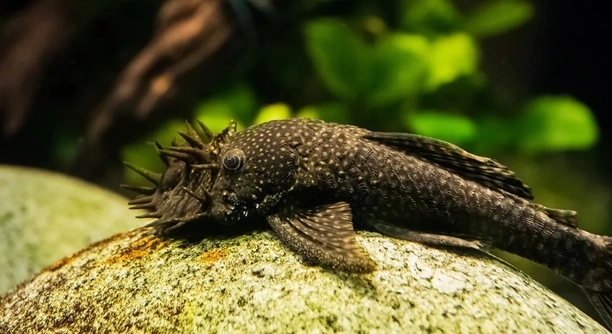
Are your plecos spending most of their time hiding in caves? These small aquarium structures provide comfort and shelter, creating a sense of security for your fish. Maintaining clean and safe caves is an important part of care.
Pleco caves should generally be replaced or thoroughly cleaned every four to six weeks. Regular maintenance prevents algae buildup, harmful bacteria growth, and accumulation of waste, ensuring the habitat remains healthy and conducive to the fish’s natural behaviors.
Keeping pleco caves in good condition is essential for a thriving tank. Understanding proper care will help your fish stay healthy and comfortable.
Why Pleco Caves Need Regular Cleaning
Pleco caves accumulate waste, leftover food, and algae over time, creating an unhealthy environment if neglected. These conditions can stress your fish and affect water quality. Regular cleaning keeps the tank hygienic, reduces odor, and prevents the spread of harmful bacteria. Even if the cave appears clean on the surface, microscopic buildup can be harmful. Using gentle brushes and warm water helps remove debris without damaging the material. Avoid harsh chemicals, as they can leave residues toxic to fish. Maintaining clean caves also encourages your pleco to explore its habitat more freely. Rotating or replacing caves periodically ensures variety and reduces wear. Observing your pleco’s behavior during maintenance can indicate if it prefers certain textures or shapes, helping you choose suitable replacements in the future. Overall, consistent cleaning supports both the health of the fish and the visual appeal of the aquarium, making it a safer, more enjoyable environment.
Regular cleaning prevents disease, improves water quality, and keeps your pleco active and stress-free in its habitat.
Plecos rely heavily on hiding spots for comfort and security. Dirty caves can discourage natural behavior, causing your fish to hide excessively or become more aggressive. Regular inspection allows you to detect cracks, sharp edges, or excessive algae growth, which could harm your pleco. Using safe cleaning tools and rinsing thoroughly ensures the cave remains fish-friendly. Additionally, rotating caves occasionally provides environmental enrichment, stimulating natural instincts. Observing your pleco during maintenance can also reveal preferences, helping you select caves that better suit its needs. Maintaining multiple caves in rotation keeps the tank dynamic while preventing long-term buildup. Clean caves also prevent contamination from decaying food or other waste. Ensuring proper maintenance contributes to the overall health of the aquarium, making it a safer and more pleasant environment for your fish to thrive.
Signs Your Pleco Cave Needs Replacing
Visible cracks, rough edges, or discoloration indicate that a cave may need replacement. Small damages can harm your pleco or harbor bacteria.
Over time, pleco caves degrade from constant use and exposure to water and cleaning. Even sturdy materials like ceramic or resin can chip or erode. Cracks or sharp edges pose injury risks, especially for bottom-dwelling fish that frequently explore hiding spots. Additionally, porous materials can trap algae, detritus, and bacteria, making thorough cleaning increasingly difficult. Regular inspection ensures that any wear is addressed before it affects your fish’s health. Replacing caves also gives your aquarium a refreshed appearance, maintaining both functionality and aesthetics. Observing your pleco’s interaction with its cave can highlight subtle signs of discomfort or disinterest, which might indicate the cave is no longer suitable. Selecting high-quality, safe materials and replacing caves on a consistent schedule minimizes health risks and keeps your pleco active, stress-free, and well-protected in its environment. Maintaining proper care through replacement supports a balanced, healthy aquarium ecosystem.
Choosing the Right Pleco Cave
Selecting the right cave is important for your pleco’s comfort and safety. Size, material, and shape all affect how your fish interacts with its environment and feels secure in the tank.
Plecos prefer caves that provide enough room to move comfortably without feeling exposed. Ceramic, resin, and natural driftwood are common choices, each offering unique benefits. Ceramic caves are durable and easy to clean, while resin caves can come in varied shapes and textures. Driftwood adds natural appeal and can help slightly adjust water chemistry. Avoid caves with sharp edges or rough surfaces that could injure your fish. Observing your pleco’s behavior helps determine which type is most suitable. The right cave encourages natural hiding and resting habits, reducing stress. Ensuring proper placement and variety enhances your pleco’s sense of security and engagement with its habitat.
When placing a cave, ensure it is stable and won’t shift during tank maintenance. Position caves in quiet areas, away from strong currents, to mimic natural hiding spots. Multiple caves can reduce territorial disputes among fish, giving them choice and freedom. Clean caves regularly and replace them as needed to maintain a healthy environment, supporting both behavior and tank hygiene.
Maintaining Pleco Caves Over Time
Regular maintenance keeps caves functional and safe for your pleco. Inspect for damage, algae buildup, and any trapped debris, cleaning carefully with non-toxic tools to avoid harm.
Consistent monitoring helps detect early signs of wear or contamination. Even minor cracks or algae layers can pose risks, making cleaning essential. Rotating caves or replacing them periodically ensures continued fish comfort and prevents stagnant areas. Observing your pleco’s use of each cave can guide placement and material choices, keeping the tank dynamic and safe. Using gentle brushes and warm water prevents surface damage, preserving the cave’s longevity. Well-maintained caves also contribute to overall water quality, minimizing waste accumulation and bacterial growth. Keeping up with these tasks allows your pleco to thrive in a secure and enriching habitat.
Signs of Algae and Waste Buildup
Algae and debris can quickly accumulate in pleco caves, creating a slippery surface and unpleasant odor. Regular inspection helps keep the environment clean and reduces health risks for your fish.
Cloudy water or a greenish film inside the cave is a clear sign it needs cleaning. Frequent monitoring and timely maintenance prevent long-term buildup and maintain a healthy tank.
Safe Cleaning Methods
Use soft brushes or cloths to remove algae and waste from pleco caves. Avoid soaps or chemicals that can harm your fish. Thorough rinsing with warm water ensures no residues remain. Regular maintenance keeps caves safe and fish-friendly.
Best Frequency for Cleaning
Pleco caves should generally be cleaned every four to six weeks. Adjust based on tank size, fish population, and feeding habits. Frequent checks help maintain a healthy and safe environment for your pleco.
Monitoring Pleco Behavior
Watch your pleco’s activity around its caves. Changes in hiding or resting patterns can indicate stress, discomfort, or health issues that need attention.
FAQ
How often should I clean my pleco cave?
Pleco caves should be cleaned every four to six weeks, depending on tank size, population, and feeding habits. Smaller tanks or heavily stocked aquariums may require more frequent cleaning to prevent waste buildup and maintain healthy water conditions. Regular inspection helps spot algae or debris early.
Can I use soap or chemicals to clean pleco caves?
No. Soap and chemicals can leave residues that are toxic to fish. Use warm water and a soft brush or cloth to remove debris and algae. For stubborn buildup, a gentle soak in warm water is sufficient. Always rinse thoroughly before returning the cave to the tank.
Are all cave materials safe for plecos?
Not all materials are safe. Ceramic, resin, and natural driftwood are commonly used and generally safe. Avoid sharp-edged or porous materials that can trap bacteria or injure your fish. Observing your pleco’s interaction with the cave can help determine which materials it prefers.
How do I know if my pleco cave needs replacement?
Signs include cracks, chips, rough edges, or persistent discoloration. Caves that are difficult to clean or have structural damage should be replaced to prevent injury and bacterial buildup. Replacing caves periodically also keeps the tank environment engaging for your pleco.
Is it necessary to have multiple caves in a tank?
Yes. Multiple caves provide hiding options, reduce territorial disputes, and create a more natural environment. Rotating caves or offering different shapes can encourage exploration and comfort. This approach also helps prevent stress and supports natural behaviors.
Can algae growth harm my pleco?
Algae itself is generally harmless, but excessive growth can trap debris and create slippery surfaces that may stress your fish. It can also affect water quality over time. Regular cleaning prevents buildup and keeps the tank safe and healthy.
What’s the best way to clean driftwood caves?
Driftwood caves can be gently scrubbed with a soft brush and rinsed thoroughly. Boiling or soaking in warm water can help remove stubborn algae. Avoid using any chemicals, as driftwood can absorb residues and release them into the water, potentially harming your pleco.
How do I place caves in the tank for the best results?
Place caves in quiet, low-current areas of the tank to mimic natural hiding spots. Ensure stability to prevent shifting. Multiple caves in different locations give plecos choices and reduce stress. Observing your fish helps determine preferred spots for hiding and resting.
What should I do if my pleco ignores its cave?
Some plecos may be hesitant with new caves. Give time for adjustment and ensure the cave is the right size and shape. Check for water quality or placement issues that might be discouraging use. Rotating caves occasionally can encourage exploration.
Can regular cave maintenance improve overall tank health?
Yes. Cleaning and inspecting caves prevents waste accumulation, reduces bacterial growth, and maintains water quality. Healthy caves support your pleco’s natural behaviors, reduce stress, and contribute to a thriving aquarium ecosystem overall. Regular care benefits both fish and tank environment.
How do I know if my pleco is stressed by its cave?
Signs include avoiding the cave, hiding excessively elsewhere, or aggressive behavior toward other fish. Inspect the cave for rough surfaces, poor placement, or cleanliness issues. Adjusting or replacing the cave can alleviate stress and restore normal behavior.
Is it okay to leave a cave in the tank indefinitely?
No. Even durable caves degrade over time. Algae, waste, and minor damage accumulate, which can affect fish health. Periodic replacement or rotation ensures safety, encourages exploration, and maintains a clean, comfortable habitat for your pleco.
How does cave maintenance affect breeding?
Clean, safe caves are essential for breeding plecos. Dirty or damaged caves can prevent spawning or cause stress in breeding pairs. Maintaining proper hygiene and structural integrity supports reproductive behavior and increases the likelihood of successful breeding.
Can plecos use more than one cave at a time?
Yes. Some plecos may explore multiple caves for resting or hiding. Providing variety helps reduce stress and promotes natural behavior. Observing your pleco can help you understand preferences and adjust cave placement to suit its needs.
What tools are recommended for cave maintenance?
Soft brushes, cloths, and warm water are sufficient. Avoid harsh chemicals or abrasive tools that can damage the cave or leave residues. Gentle scrubbing ensures debris removal while keeping the cave safe and fish-friendly.
How do I prevent rapid algae growth in caves?
Limit excess light exposure, avoid overfeeding, and perform regular water changes. Routine inspection and cleaning remove early algae buildup. Controlling these factors reduces the need for frequent deep cleaning and helps maintain a healthy, visually appealing aquarium.
Can I clean caves outside the tank?
Yes. Remove the cave and clean it in warm water using gentle tools. Ensure thorough rinsing before returning it to the tank to avoid temperature shock or contamination. This method allows for more effective cleaning and inspection.
Does cave size affect pleco health?
Yes. A cave that is too small can stress your pleco, while an excessively large cave may feel insecure. Choose caves that allow comfortable movement, hiding, and resting, supporting natural behavior and reducing stress in the tank.
Should I adjust cleaning frequency during breeding or spawning?
Yes. During breeding or spawning, clean caves more carefully to avoid disturbing eggs or fry. Monitor for excess waste and ensure the environment remains safe and comfortable, promoting healthy reproduction and reducing stress on adults.
What is the most important aspect of cave maintenance?
Safety and cleanliness. Ensuring caves are free from sharp edges, debris, and harmful residues while maintaining structural integrity is key to a healthy pleco habitat. Regular care promotes natural behavior, reduces stress, and supports overall tank health.
Proper care of pleco caves is essential for maintaining a healthy and comfortable environment for your fish. Caves provide shelter, security, and resting places, which are important for their well-being. Over time, however, caves can accumulate algae, waste, and bacteria, which can affect both the fish and the overall water quality. Regular inspection and cleaning are necessary to prevent potential problems and keep the tank safe. Using safe cleaning methods, such as gentle brushes and warm water, ensures that the caves remain fish-friendly without introducing harmful residues. Even caves made from durable materials like ceramic or resin require periodic maintenance to avoid structural damage or rough surfaces that could injure your pleco. Consistent care also helps you notice early signs of wear, allowing timely replacements that maintain a safe and enriching environment.
Choosing the right type of cave and monitoring your pleco’s behavior are equally important. Not all materials or sizes are suitable for every fish, and observing how your pleco interacts with its hiding spots can guide decisions about placement, rotation, or replacement. Providing multiple caves or varying shapes offers choice, reduces stress, and supports natural behaviors. Driftwood, ceramic, and resin all have their advantages, but each requires different cleaning approaches and placement considerations. Regular maintenance ensures that each cave continues to serve its purpose effectively, preventing buildup that could compromise water quality or fish health. A well-maintained cave not only supports your pleco physically but also encourages exploration and activity, which are signs of a healthy and happy fish.
Maintaining pleco caves is an ongoing process that contributes to the overall health and balance of the aquarium. Clean and safe caves reduce stress, promote natural behavior, and help maintain stable water conditions. Monitoring algae growth, debris accumulation, and structural integrity allows you to address issues before they escalate. Replacing caves when necessary, along with providing proper placement and variety, ensures that your pleco has a secure and comfortable habitat. Taking the time to maintain these hiding spots demonstrates attention to both the fish’s needs and the long-term health of the tank. By keeping pleco caves in good condition, you create a safer, more enjoyable environment that encourages natural behavior, reduces stress, and contributes to the overall success of your aquarium. Regular care and observation help you maintain a balanced habitat where your pleco can thrive, giving both the fish and your tank the best possible conditions for long-term well-being.

Hello,
If you enjoy the content that we create, please consider saying a "Thank You!" by leaving a tip.
Every little bit helps us continue crafting quality advice that supports the health, happiness, and well-being of pets around the world, for pets of all shapes, sizes, and species.
We really appreciate the kindness and support that you show us!