
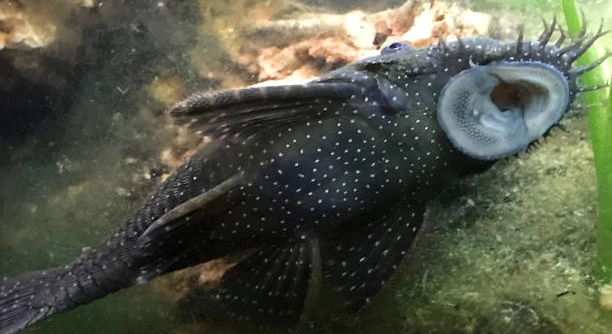
Is your pleco constantly moving gravel and pushing decorations around its tank, leaving small mounds and tunnels in unexpected places?
The main reason your pleco is digging under decorations is its natural instinct to seek shelter and establish a secure resting area. In the wild, plecos often burrow beneath rocks or submerged wood to feel protected and safe from potential threats.
Understanding this behavior can help you create a more comfortable and stable environment for your pleco while preventing damage to tank décor or plants.
Understanding Why Plecos Dig
Plecos dig for several reasons, most linked to their instincts and environment. In nature, these bottom-dwelling fish spend much of their time near riverbeds, burrowing beneath rocks or driftwood to find shelter and food. In an aquarium, this instinct remains strong. They may dig under decorations to create a safe hiding place, escape bright lighting, or feel secure in their surroundings. Sometimes, they do it to claim territory or find a comfortable spot to rest. If your pleco is new to the tank, digging might also be a way to explore and adjust to its environment while feeling less exposed.
A pleco that digs frequently may be signaling that it needs better hiding spaces or more suitable décor for its natural instincts. Observing when and where your pleco digs can help identify what it’s seeking.
Adding smooth rocks, caves, or driftwood can encourage natural behavior without disturbing the tank’s layout.
How to Prevent Excessive Digging
When digging becomes excessive, it can uproot plants, shift decorations, and cloud the water. The best approach is to ensure your pleco feels secure. Provide adequate hiding places using sturdy structures like driftwood, rock caves, or ceramic tubes. Avoid lightweight decorations that can easily topple. Maintaining stable lighting and consistent water parameters can also reduce stress-related digging. Some plecos may dig more if the tank is overcrowded or if they feel threatened by other fish. Ensuring enough space for each inhabitant can greatly reduce this issue.
Another effective method is adjusting the substrate. Plecos prefer soft gravel or sand since it mimics their natural habitat. Using this type of substrate allows them to express their natural digging behavior safely. However, if the digging continues to disturb the aquarium setup, gently rearranging decorations and creating multiple hiding areas can redirect the behavior. Regular observation and balanced tank design can help your pleco stay content without causing chaos in its home.
Creating the Right Environment
A comfortable environment reduces unnecessary digging and stress. Plecos thrive in tanks that resemble their natural river habitats, with plenty of hiding spaces and moderate water flow. Proper lighting, clean water, and the right temperature range all contribute to a calm and stable pleco.
Decorations play an important role in providing both comfort and structure. Heavy driftwood, smooth stones, and securely placed caves allow plecos to rest without disturbing the tank setup. Avoid sharp or unstable items that can fall or injure them while they dig. Maintaining a consistent water temperature between 72°F and 82°F helps keep their activity balanced and prevents erratic digging. Regular water changes and stable parameters are equally important. A clean, well-maintained environment helps your pleco feel secure, encouraging natural but controlled behaviors rather than restless digging or attempts to burrow under every object in the aquarium.
Creating a substrate that supports digging while keeping the tank neat is equally essential. Fine sand or smooth gravel allows plecos to express their instincts safely. Coarse or sharp substrates can stress them or cause injury. Regularly checking for shifting décor ensures the tank remains safe. These adjustments help maintain a peaceful balance between your pleco’s instincts and the aquarium’s design.
Choosing the Best Tank Setup
A suitable tank setup minimizes stress and prevents unwanted digging. Plecos need a spacious tank, ideally starting at 30 gallons or more, depending on the species. Overcrowding should be avoided since it can increase stress and lead to digging for protection or space.
Include various hiding options, such as hollow logs or ceramic caves, placed securely to avoid tipping. Lighting should be soft and not overly bright, as plecos are nocturnal and prefer shaded areas. Adding live plants can provide cover, but choose sturdy types that can withstand occasional disturbance. Regular cleaning and balanced filtration keep the environment healthy. The tank should mimic their natural habitat as closely as possible, ensuring your pleco remains active yet content without disrupting decorations or plants.
Understanding Stress and Territory
Stress is one of the main reasons plecos dig excessively. Changes in tank conditions, sudden movement, or aggressive tank mates can make them uneasy. When stressed, plecos instinctively dig to create shelter and establish a safe hiding space.
Territorial behavior also influences their digging habits. Plecos may dig to mark or protect a chosen area, especially in crowded tanks. Males are more territorial and may rearrange substrate or decorations to define their zone. Providing separate hiding spots for each pleco helps minimize tension and limits destructive digging.
Monitoring Pleco Behavior
Observing your pleco’s behavior helps determine if its digging is normal or excessive. Regular, mild digging is healthy and natural. However, constant digging, hiding, or changes in eating patterns may suggest discomfort or unsuitable tank conditions. Maintaining balance in lighting, tank mates, and water quality can improve behavior and reduce stress-related digging.
Final Thoughts on Pleco Digging
Consistent observation and small adjustments make a big difference. Ensuring comfort, space, and a stable environment will help your pleco thrive. When their needs are met, digging becomes a harmless part of their routine rather than a sign of distress.
FAQ
Why is my pleco digging under decorations constantly?
Plecos dig under decorations mainly due to natural instincts. They are bottom-dwelling fish that seek shelter and security. In the wild, they burrow beneath rocks or driftwood for safety. In an aquarium, digging under decorations replicates this behavior. Ensuring proper hiding spots and stable tank conditions can reduce excessive digging.
Is digging harmful to my pleco?
Normal digging is not harmful. It is part of their natural behavior, helping them feel safe and explore their environment. Problems arise only if the substrate is sharp, decorations are unstable, or the digging damages live plants. Providing soft sand or smooth gravel keeps them safe while allowing natural activity.
Can tank size affect digging behavior?
Yes. A small or overcrowded tank increases stress and may lead to more frequent or aggressive digging. Plecos need space to move and claim their own territory. A tank of at least 30 gallons is recommended for smaller species, with larger species requiring more space. Adequate space reduces stress-related digging.
Do tank mates influence digging?
Tank mates can affect pleco behavior. Aggressive or overly active fish may stress plecos, prompting them to dig for protection. Peaceful and compatible species are preferable. Providing multiple hiding spots ensures the pleco can avoid confrontation and reduces the need to dig excessively.
What substrate is best for pleco digging?
Soft sand or smooth, small gravel is ideal. These substrates allow plecos to dig safely without injuring their barbels or fins. Avoid coarse, sharp, or jagged substrates, as they can cause damage. Correct substrate supports natural behavior and keeps the tank safer for both the fish and plants.
Does lighting affect digging habits?
Yes. Plecos are nocturnal and prefer dim or shaded environments. Bright lighting can stress them, increasing digging as they search for darker hiding spots. Using subdued lighting or creating shaded areas with decorations and plants helps them feel secure and reduces unnecessary digging.
Can I stop my pleco from digging?
You cannot completely stop natural digging, and trying to do so may cause stress. Instead, redirect behavior by creating secure hiding areas, using proper substrate, and ensuring a stable tank environment. These measures allow your pleco to express instincts safely without causing damage.
How often should I observe my pleco for digging behavior?
Regular observation is important. Daily or every other day checks help you notice changes in digging patterns, stress signals, or health issues. Monitoring feeding, hiding, and movement alongside digging provides insight into whether your pleco is healthy and content or if adjustments are needed in the tank.
Do plecos dig more during certain times?
Yes. Plecos tend to dig more during feeding or nighttime, as these are natural active periods. Stress, changes in the environment, or introduction of new tank mates can also trigger temporary spikes in digging. Recognizing these patterns helps differentiate normal behavior from issues needing attention.
What decorations are best to prevent disruption from digging?
Heavy driftwood, ceramic caves, and securely anchored rocks are ideal. Avoid lightweight items that can topple or shift. Proper placement ensures decorations stay in place even when the pleco digs underneath. Sturdy decorations protect both the fish and the tank’s aesthetic while allowing natural behavior.
Can digging indicate illness or stress?
Excessive or sudden digging may signal stress or illness, especially if accompanied by changes in appetite, color, or movement. Environmental factors like poor water quality, overcrowding, or aggressive tank mates can contribute. Checking water parameters, tank layout, and overall health is essential if digging behavior escalates.
How can I create a pleco-friendly environment?
Provide a spacious tank with soft substrate, multiple hiding places, and shaded areas. Maintain stable water parameters, moderate lighting, and compatible tank mates. Clean the tank regularly and monitor pleco behavior. These steps create a safe and natural habitat where digging is part of normal, healthy activity rather than a stress response.
Do plecos need live plants with decorations?
Live plants are optional but beneficial. Sturdy plants offer extra cover and can reduce stress by creating additional hiding spots. Avoid delicate plants that can be uprooted easily. Combining plants with driftwood, rocks, or caves supports a balanced environment and allows plecos to express natural digging instincts safely.
How do I know if my pleco is happy digging?
A happy pleco digs gently and returns to resting spots or interacts normally with the environment. Signs of stress, illness, or unhappiness include frantic digging, constant hiding, or avoidance of food. Observing their behavior in relation to substrate, decorations, and tank mates helps determine their well-being.
Can multiple plecos coexist without excessive digging?
Yes, if the tank is large enough and multiple hiding spots are provided. Territorial disputes can increase digging, so spacing out caves, driftwood, and plants reduces conflict. Observing interactions and adjusting décor placement ensures each pleco has its own space, minimizing destructive or excessive digging behavior.
How does water quality impact digging?
Poor water quality can stress plecos, prompting them to dig more to seek comfort. Regular water changes, filtration, and monitoring of parameters like ammonia, nitrite, and nitrate levels maintain a stable environment. Healthy water reduces stress-related digging and keeps plecos active and comfortable in their habitat.
Is digging more common in certain pleco species?
Yes. Some species, like the common pleco or bristlenose pleco, are more active diggers. Understanding your specific pleco species helps anticipate behavior. Providing appropriate tank size, substrate, and hiding spots tailored to the species ensures their natural digging is expressed safely without causing tank disruption.
How do I safely rearrange decorations if digging is constant?
Gently move heavy or unstable items while the pleco is in another area. Avoid sudden changes that can cause stress. Gradually reposition décor to create multiple secure hiding spots, allowing plecos to continue digging safely without disturbing plants or other structures in the tank.
Are there signs that digging is a serious problem?
Yes. If digging damages plants, uproots decorations repeatedly, or is paired with abnormal swimming, loss of appetite, or color changes, it may indicate stress or poor environmental conditions. Immediate assessment of water quality, tank setup, and fish health is necessary to prevent long-term issues.
Can feeding habits reduce digging?
Proper feeding can help. Plecos that are underfed may dig more searching for food. Providing a balanced diet with algae wafers, vegetables, and occasional protein reduces excessive substrate searching. Ensuring feeding areas are consistent and accessible helps satisfy their foraging instincts.
How do I balance digging and tank aesthetics?
Use heavy, stable decorations and strategically place hiding spots. Select sturdy plants and soft substrates that support digging while preserving tank structure. Frequent observation allows you to adjust placement as needed, maintaining both a healthy environment for your pleco and an attractive, well-organized aquarium.
Does temperature influence digging activity?
Temperature affects activity levels. Plecos are more active in warmer water within their preferred range of 72°F to 82°F. Water outside this range can stress them, causing excessive digging or lethargy. Maintaining consistent, species-appropriate temperatures ensures natural, controlled digging behavior.
How do I know if my pleco is digging out of boredom?
A pleco may dig excessively if there are few hiding spots, decorations, or environmental enrichment. If digging increases when the tank is empty or lacks stimulation, adding driftwood, caves, and varied substrate can engage them and reduce boredom-driven digging.
Can supplements or diet changes affect digging behavior?
Yes. A nutrient-deficient diet may prompt plecos to search for food in the substrate. Providing a balanced diet rich in vegetables, algae, and occasional protein helps satisfy nutritional needs. This reduces digging motivated by hunger or the search for edible substrate material.
Is digging behavior seasonal or constant?
In an aquarium, digging is usually constant and linked to natural instincts rather than seasons. Changes in water parameters, light cycles, or tank maintenance schedules may temporarily affect digging patterns, but it generally remains a regular part of pleco behavior throughout the year.
How can I encourage safe digging habits?
Provide soft substrates, sturdy decorations, and multiple hiding spots. Monitor tank mates and maintain stable water conditions. By offering a secure, species-appropriate environment, plecos can dig naturally without damaging the tank or risking injury. Safe digging promotes healthy activity and mental stimulation.
What should I do if digging uproots plants repeatedly?
Select hardy plants that can withstand digging or anchor them securely with rocks or plant weights. Rearrange the tank to provide multiple hiding spots away from delicate vegetation. Soft substrates and careful decoration placement reduce damage while still allowing natural pleco behavior.
How long does it take for plecos to adjust to a new tank?
Adjustment can take several days to weeks. During this time, digging may increase as they explore and establish territory. Providing hiding spots, proper substrate, and consistent water parameters helps them acclimate faster while expressing normal digging behaviors safely.
Are there signs that my pleco is stressed while digging?
Yes. Rapid, frantic digging, frequent hiding, color fading, and refusal to eat indicate stress. Monitor water quality, tank mates, and environmental conditions immediately. Addressing these factors reduces stress and encourages controlled, natural digging rather than frantic or destructive behavior.
Does age affect digging habits?
Juvenile plecos may dig more actively as they explore and establish territory. Adult plecos usually dig for resting, hiding, or territorial reasons. Recognizing age-related behavior helps provide appropriate hiding spots, substrate, and tank layout to support healthy activity levels.
Can digging damage aquarium equipment?
Occasionally. Loose decorations, lightweight filters, or unsecured ornaments may shift or topple. Using heavy, stable décor and securing equipment properly prevents damage. Safe placement ensures the pleco can dig naturally without harming the tank or itself.
How can I observe digging without disturbing my pleco?
Use quiet observation and indirect lighting to watch their behavior. Avoid tapping the tank or sudden movements, as plecos are sensitive to disturbance. Regular observation helps track natural digging patterns, stress levels, and overall health without interrupting normal activity.
Do plecos dig more after feeding?
Yes, some plecos dig after feeding while foraging for leftover food or exploring the substrate. This is normal behavior and can be minimized by providing sufficient food and monitoring feeding areas to reduce unnecessary substrate disruption.
How can I tell if a pleco’s digging is excessive?
Excessive digging is noticeable when decorations, plants, or substrate are consistently displaced beyond normal levels, or if the pleco appears stressed, hides frequently, or avoids food. Adjusting hiding spots, substrate, and tank layout can redirect behavior safely.
Can rearranging decorations frequently help or worsen digging?
Frequent changes may stress plecos and increase digging as they adapt. Gradual adjustments with stable placement are best. Allowing them to establish territory around secure decorations reduces destructive digging while still supporting natural behavior.
Are there tools or products to reduce digging?
No special tools are needed. Focus on providing appropriate substrate, hiding spots, stable decorations, and balanced tank conditions. These steps are effective in managing natural digging behavior without interfering with their instincts.
How long should I expect digging to continue?
Digging is a lifelong natural behavior. It may fluctuate depending on age, environment, or stress, but plecos generally continue to dig occasionally throughout their lives. Supporting their instincts ensures healthy, content behavior while maintaining a stable aquarium setup.
Does tank depth matter for digging behavior?
Yes. Shallow tanks may limit natural digging, while deep tanks allow more freedom to burrow under decorations or substrate. Providing appropriate tank depth and substrate encourages safe, natural behavior while giving the pleco space to explore without stress.
How does water current affect digging?
Strong currents may discourage digging, while gentle flows replicate natural river conditions. Plecos prefer moderate water movement to stay active and healthy. Ensuring a suitable current allows them to dig safely without disrupting the tank or feeling stressed.
Can digging behavior indicate breeding readiness?
In some species, digging may increase when males prepare nesting sites. Providing caves or driftwood can support this behavior safely. Observing other signs, like increased activity or guarding behavior, can help identify breeding readiness without stressing the fish.
Are there alternative hiding spots to reduce digging under decorations?
Yes. PVC pipes, ceramic caves, and hollow driftwood provide secure spaces. Multiple options allow plecos to choose their preferred spot without needing to dig excessively under plants or loose decorations. Strategically placing these areas helps maintain tank organization.
How do I balance multiple plecos and their digging needs?
Provide sufficient space, multiple hiding spots, and carefully arranged décor. Monitor interactions to prevent territorial disputes. Adequate environmental enrichment reduces destructive digging and ensures each pleco can express natural instincts safely.
Does diet affect substrate searching behavior?
A well-balanced diet reduces substrate searching and excessive digging for food. Offering algae wafers, vegetables, and occasional protein ensures nutritional needs are met. This minimizes food-motivated digging and supports healthy behavior in a controlled environment.
Can digging help a pleco stay healthy?
Yes. Digging allows physical activity, mental stimulation, and stress relief. Safe digging helps them exercise naturally while expressing instincts. Providing proper substrate, hiding spots, and a stable environment ensures this behavior contributes positively to their overall well-being.
How do I know if my pleco prefers certain decorations?
Observe where your pleco frequently digs or rests. Preference is often shown by repeated use of certain caves, driftwood, or shaded areas. Adjusting the tank to favor these choices provides comfort while maintaining control over substrate and plant disruption.
Is digging more common in younger or older plecos?
Younger plecos tend to explore and dig more actively, while older plecos focus on resting and territory. Providing age-appropriate hiding spots and substrate accommodates their needs, ensuring safe and satisfying natural behavior throughout life stages.
Can I use barriers to limit digging in specific areas?
Yes, strategically placing rocks, plants, or other heavy objects can prevent digging in fragile areas. Barriers guide the pleco toward safer sections while still allowing natural activity, protecting both decorations and plants.
How important is tank stability for digging behavior?
Highly important. Sudden changes in lighting, temperature, or décor can increase stress and lead to excessive digging. Maintaining a stable environment supports calm, natural behavior and prevents unnecessary disturbances in the tank.
Can digging behavior indicate aggression toward other fish?
Occasionally. Territorial disputes may trigger digging to claim space or protect a hiding spot. Providing multiple hiding areas and sufficient tank space reduces aggressive digging and ensures peaceful coexistence among tank mates.
Should I adjust feeding times to reduce digging?
Consistent feeding schedules help minimize substrate searching. Feeding once or twice a day, depending on species, ensures plecos are satisfied and reduces digging driven by hunger or foraging instincts. Monitoring their response helps refine timing for best results.
Does tank decoration style influence digging?
Yes. Light, unstable, or sharp decorations encourage excessive digging and stress. Heavy, stable, and smooth décor allows safe natural behavior, supporting both pleco comfort and tank aesthetics without constant rearrangement or damage.
Can digging be a sign of boredom in a single pleco tank?
Yes. Without adequate environmental enrichment, plecos may dig excessively to explore or occupy themselves. Adding multiple hiding spots, varied substrate, and occasional enrichment like driftwood or plant coverage helps prevent boredom-driven digging.
How do I know if digging is a long-term habit or temporary adjustment?
Observe over weeks. Initial increased digging may occur during tank acclimation, new decorations, or temporary stress. If behavior persists despite stable conditions, it becomes a long-term natural habit. Supporting it safely ensures health and contentment.
Can digging affect water clarity?
Yes. Frequent substrate disturbance can cloud water temporarily. Proper filtration, gentle water flow, and occasional settling time help maintain clear water while allowing natural digging behavior.
Does substrate depth matter for digging?
Yes. Plecos prefer enough substrate depth to dig comfortably without hitting the tank bottom. A depth of 1–2 inches of sand or gravel allows safe burrowing and natural exploration without compromising tank safety or decoration stability.
Are plecos less likely to dig if decorations are already secure?
Partially. Stable decorations reduce the risk of tipping or damage, but plecos may still dig to create resting spots or explore. Providing soft substrate and multiple hiding options ensures safe expression of this natural behavior.
Can digging behavior indicate water parameter issues?
Yes. Poor pH, high ammonia, or fluctuating temperature can stress plecos, increasing digging. Regular testing and stable water conditions reduce stress and prevent digging motivated by discomfort rather than natural instincts.
How can I track digging patterns over time?
Keep a simple log noting times of day, location, and intensity of digging. Observing trends helps identify triggers such as feeding, tank changes, or new tank mates, allowing adjustments to improve comfort and reduce destructive behavior.
Is it normal for plecos to dig near the tank entrance?
Yes. Plecos may explore and establish territory near the front, especially if it offers a shaded or secure spot. Providing additional hiding areas reduces repeated digging in a single location while supporting natural instincts.
Can water current placement affect where plecos dig?
Yes. Plecos often dig in areas with minimal current where they feel secure. Positioning decorations in calm zones supports natural behavior and prevents digging in high-flow areas that may stress the fish or disrupt the tank.
Should I separate plecos if digging is excessive?
Not always. Separation may help in crowded tanks or territorial disputes, but often, adding hiding spots, adjusting substrate, and monitoring tank mates is sufficient. Separation is a last resort when other methods fail to reduce destructive digging.
How can I reduce digging without stressing my pleco?
Provide soft substrate, secure hiding spots, and gentle lighting. Monitor water quality, maintain consistent feeding, and offer environmental enrichment. These strategies allow natural digging safely while keeping the pleco comfortable and content in its habitat.
Does digging interfere with breeding?
Not necessarily. Digging can be part of nesting behavior in some species. Providing secure caves and stable substrate supports breeding without excessive tank disruption. Observing behavior ensures both natural reproduction and safe tank conditions.
Are there behavioral signs that indicate a need for tank redesign?
Yes. Frequent decoration topple, uprooted plants, constant hiding, or aggressive interactions indicate a tank may need more hiding spots, better substrate, or rearrangement. Small, thoughtful adjustments help manage digging while maintaining a safe and attractive environment.
Can digging ever cause injuries?
Yes, if the substrate is sharp, decorations are unstable, or plants have thorny edges. Using smooth gravel, soft sand, and sturdy décor reduces risk and ensures digging remains a healthy, safe activity.
How do I balance digging behavior with plant care?
Anchor hardy plants, use heavier pots, and create multiple hiding spots away from delicate vegetation. This allows natural digging while protecting sensitive plants from repeated disturbance. Regular observation helps maintain balance between pleco instincts and plant health.
Is it normal for plecos to rearrange multiple decorations?
Yes.
Final Thoughts
Plecos are naturally active diggers, and this behavior is a normal part of their instincts. In the wild, they spend much of their time moving substrate, hiding under rocks, and exploring their environment. In a home aquarium, digging helps them feel secure, reduces stress, and allows them to establish territory. Understanding that digging is a natural behavior rather than a problem is important for maintaining a healthy tank and a content pleco. Providing proper conditions and observing their habits ensures that digging becomes a safe and manageable part of daily activity.
Creating a suitable environment is key to balancing natural behavior with the stability of your tank. Soft substrates, such as sand or smooth gravel, allow plecos to dig safely without damaging their barbels or fins. Sturdy decorations, heavy driftwood, and multiple caves provide safe hiding spaces and resting areas. Live or hardy artificial plants offer additional cover, while keeping delicate plants protected from repeated digging. Stable water parameters, moderate lighting, and a properly sized tank reduce stress and prevent destructive digging. By considering these factors, you can maintain a well-organized aquarium while allowing your pleco to express its natural instincts.
Observation and care are essential for managing digging behavior over time. Pay attention to when and where your pleco digs, and note any changes in appetite, color, or activity, as these can indicate stress or environmental issues. Regular water testing, cleaning, and tank maintenance ensure that your pleco remains healthy and comfortable. Adjusting decorations or adding new hiding spots gradually can redirect digging behavior safely, without causing unnecessary stress. Ultimately, supporting your pleco’s instincts while maintaining a stable and organized tank leads to a happier, healthier fish and a more harmonious aquarium environment overall.

Hello,
If you enjoy the content that we create, please consider saying a "Thank You!" by leaving a tip.
Every little bit helps us continue crafting quality advice that supports the health, happiness, and well-being of pets around the world, for pets of all shapes, sizes, and species.
We really appreciate the kindness and support that you show us!