
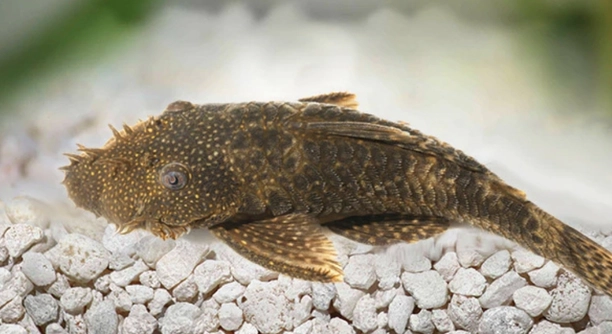
Keeping a pleco in a home aquarium can be a rewarding experience, yet it requires attention to their well-being. Observing their behavior and appearance is essential to ensure they are thriving in their environment.
Healthy plecos display vibrant coloration, consistent eating habits, clear eyes, intact fins, and smooth scales. Monitoring these indicators regularly provides insight into their overall condition and helps prevent diseases or stress that may compromise their long-term health.
By noticing these signs, you can ensure your pleco remains active, comfortable, and healthy in your aquarium habitat.
Observing Eating Habits
Plecos are usually consistent eaters. A healthy pleco will actively graze on algae, vegetables, or prepared foods in your tank. Sudden changes in appetite can indicate stress, illness, or poor water conditions. Watching how your pleco approaches food provides valuable insight into its overall health. If it ignores food for more than a day or two, check water quality, temperature, and tank mates. Some plecos may prefer food in specific locations, so ensure feeding spots are accessible. Removing uneaten food promptly prevents decay and helps maintain cleanliness. Noting how quickly your pleco finishes its meals also reveals activity levels. Slow eating may indicate discomfort or underlying illness, whereas a healthy pleco eats steadily and energetically.
Tracking your pleco’s appetite consistently can prevent future health problems and alert you to changes early.
Regular feeding observations will allow you to identify issues quickly. Maintaining a balanced diet and clean tank environment ensures your pleco remains healthy and active for years.
Checking Fins and Tail
Fins and tail condition reflects a pleco’s health.
Tears, fraying, or discoloration may suggest infections or injuries. Healthy fins should be fully extended, clear, and free of white spots. Keep water parameters stable, including temperature, pH, and ammonia levels, to prevent fin deterioration. Avoid aggressive tank mates that may nip fins. Regularly inspect your pleco during feeding or cleaning to detect early issues. Minor fin damage may heal on its own if conditions are ideal, but persistent damage needs intervention. Using a quarantine tank can help if you notice disease signs, preventing spread to other fish. Plecos with smooth, intact fins are more likely to swim comfortably and maintain proper balance. Additionally, observing tail movement during swimming indicates muscle strength and overall vitality. A healthy pleco’s tail flows naturally with each movement and does not show clamping or stiffness.
Proper care, clean water, and attentive observation are key to maintaining strong, healthy fins and tail integrity over time. Adjusting diet, tank setup, and monitoring interactions ensures your pleco remains resilient and comfortable. Consistent inspection allows early detection of infections or injuries, which reduces recovery time and stress. Tank stability, regular feeding, and gentle handling further support fin and tail health, promoting longevity. Creating hiding spots reduces stress and prevents fin damage from sudden movements or aggressive neighbors. A combination of these practices will help your pleco thrive physically and display natural behaviors confidently.
Monitoring Skin and Scale Condition
Healthy plecos have smooth, intact scales with consistent coloration. Any discoloration, white patches, or raised scales can indicate infections, parasites, or poor water quality. Regular observation during feeding or tank maintenance helps catch problems early before they worsen.
Plecos rely on their skin and scales for protection and overall health. Changes like ulcers, lesions, or missing scales often signal bacterial or fungal infections. High ammonia or nitrite levels in the tank can damage skin, making plecos more susceptible to illness. Ensuring proper water conditions, including stable temperature and pH, reduces stress and prevents common skin problems. Using clean, uncontaminated decorations and avoiding sharp objects also helps protect their delicate surface. Observing your pleco daily lets you spot minor issues before they escalate into severe infections.
Maintaining a regular cleaning schedule and monitoring water parameters are essential for scale and skin health. Providing a balanced diet rich in vitamins also strengthens the immune system. If issues arise, isolating affected plecos and treating with appropriate medications ensures quicker recovery. Healthy skin supports natural behavior, such as grazing and swimming, and contributes to overall vitality in the tank.
Watching Swimming Behavior
Plecos should swim steadily and explore their environment without signs of distress. Erratic or sluggish movement may indicate illness or stress.
Swimming patterns reflect health and comfort in the tank. Plecos that hover near the bottom or avoid swimming could be experiencing water quality issues, low oxygen, or internal parasites. Sudden changes in movement often coincide with fin or scale problems, so observing behavior in combination with physical inspection is important. Providing adequate hiding spots and stable water conditions encourages natural swimming. Active plecos demonstrate proper balance, coordination, and energy levels, while lethargy signals the need for immediate attention.
Consistency in observing swimming habits helps detect subtle signs of health decline. Adjusting tank setup, including decorations and flow, supports natural movement and reduces stress. Monitoring interactions with tank mates also ensures plecos are not being harassed, which can cause them to hide or move unnaturally. Keeping a regular log of behavior changes can reveal patterns related to diet, lighting, or water changes. Quick intervention when abnormal swimming is noticed can prevent serious illness and promote recovery, allowing plecos to maintain energy and healthy activity in the aquarium.
Checking Eye Clarity
Healthy plecos have clear, bright eyes without cloudiness or swelling. Cloudy eyes may indicate poor water quality, infections, or nutritional deficiencies.
Monitoring eye clarity is a quick way to assess overall health. Regular checks during feeding or cleaning can reveal early signs of stress or disease.
Observing Breathing Patterns
Plecos breathe steadily and rhythmically. Rapid gill movement, gasping at the surface, or irregular breathing can signal low oxygen levels, poor water quality, or illness. Maintaining proper filtration and aeration supports healthy respiratory function and prevents long-term complications.
Maintaining Tank Cleanliness
A clean tank directly impacts pleco health. Regular water changes, removing uneaten food, and vacuuming substrate reduce harmful bacteria and ammonia buildup, keeping the environment safe and supportive.
Ensuring Proper Hiding Spots
Plecos need hiding places to feel secure. Providing caves, driftwood, or dense plants reduces stress and promotes natural behavior, supporting overall health and well-being.
FAQ
How often should I feed my pleco?
Plecos generally eat once a day, but some may graze throughout the day. Provide a balanced mix of algae wafers, fresh vegetables, and occasional protein sources. Overfeeding can cause water quality issues, so remove uneaten food promptly to maintain a clean tank.
Can plecos live with other fish?
Yes, plecos can coexist with many species if tank mates are peaceful and do not compete aggressively for food. Avoid keeping plecos with fin-nipping or highly territorial fish. Providing ample hiding spots reduces stress and allows each fish to claim a safe area.
What is the ideal water temperature for plecos?
Most plecos thrive in temperatures between 74–80°F (23–27°C). Sudden fluctuations can stress them, making them more susceptible to illness. Using a reliable heater and thermometer ensures stable conditions. Regular monitoring helps prevent temperature-related problems.
How do I tell if my pleco is stressed?
Signs of stress include hiding excessively, loss of appetite, clamped fins, erratic swimming, and dull coloration. Stress can result from poor water quality, aggressive tank mates, or insufficient hiding spots. Addressing these issues promptly helps restore comfort and health.
Why does my pleco cling to surfaces constantly?
Plecos naturally attach to surfaces for grazing or resting. Excessive clinging may indicate low oxygen levels, stress, or illness. Ensure proper water flow, aeration, and a balanced diet to reduce unhealthy behavior. Monitoring tank parameters regularly supports normal activity.
Is it normal for plecos to be more active at night?
Yes, plecos are nocturnal. They tend to feed and explore more during low light periods. Providing dim lighting or a nighttime routine that mimics natural cycles helps them maintain healthy activity patterns. Daytime activity may vary by individual fish.
How do I prevent diseases in plecos?
Maintaining clean water, stable temperature, and balanced nutrition reduces disease risk. Quarantine new fish, inspect regularly for changes in appearance or behavior, and avoid overstocking the tank. Early detection and treatment of any issues improve recovery chances and overall health.
Can plecos survive without algae in the tank?
Algae is not essential if their diet is supplemented with vegetables and algae wafers. Plecos require fiber for digestion, which can come from zucchini, cucumber, spinach, or prepared foods. Providing variety ensures proper nutrition and keeps them healthy.
Why is my pleco not eating?
Refusal to eat can indicate stress, illness, or improper water conditions. Check temperature, pH, and ammonia levels, and inspect for injuries or signs of infection. Offering preferred foods in accessible locations can encourage feeding. Persistent refusal may require a vet consultation.
How often should I clean my pleco’s tank?
Regular partial water changes of 20–30% weekly help maintain water quality. Remove uneaten food, vacuum substrate, and clean decorations. Over-cleaning can remove beneficial bacteria, so balance is key. A well-maintained tank supports your pleco’s health, reduces disease risk, and encourages normal behavior.
Do plecos need supplements or vitamins?
Occasionally, supplements or vegetables rich in nutrients help ensure a balanced diet. Vitamin-enriched wafers or blanched vegetables provide essential nutrients. Avoid excessive supplementation, as plecos derive most nutrition from a varied diet, and overuse can affect water quality.
How long do plecos typically live?
Depending on the species, plecos can live 10–15 years, with some reaching over 20. Proper care, diet, and a stable environment contribute to longevity. Regular monitoring of health and tank conditions helps plecos thrive over the long term.
What are the signs of aging in plecos?
Older plecos may show slower swimming, faded coloration, or reduced appetite. Maintaining consistent care, gentle handling, and optimal tank conditions supports their comfort and extends their healthy lifespan. Aging plecos benefit from soft, easily accessible foods.
Should I isolate a sick pleco?
Yes, separating a sick pleco in a quarantine tank prevents disease spread and allows focused treatment. Monitor water quality, administer medications if needed, and keep the environment stress-free. Early isolation improves recovery outcomes and protects other fish.
Can plecos reproduce in a home aquarium?
Some species, like common plecos, can breed in captivity if conditions are suitable. Providing caves or hiding spots encourages spawning. Males often guard eggs until they hatch. Breeding success requires stable water parameters, a nutritious diet, and a calm environment.
How can I tell if my pleco is gaining weight or losing weight?
Visual observation and body shape assessment help track changes. A healthy pleco maintains a firm, rounded body. Sudden thinning or bloating may indicate health issues or dietary imbalances. Monitoring feeding habits and behavior helps catch problems early.
Is it normal for plecos to scrape surfaces frequently?
Yes, scraping algae or biofilm from surfaces is typical. Excessive scraping or rubbing against rough surfaces may indicate irritation, parasites, or poor water conditions. Inspect the fish and tank environment if unusual behavior persists.
Do plecos require special lighting?
Plecos do not need intense lighting. Moderate or dim lighting is sufficient, as they are mostly nocturnal. Overly bright light may stress them, so balance lighting to support natural behavior and allow hiding spots.
How do I handle a pleco safely?
Use gentle movements and wet hands or a soft net to minimize stress. Avoid holding the sharp spines on fins, and handle only when necessary. Safe handling protects both you and the pleco while reducing injury risk.
Can plecos adapt to new tanks quickly?
Adaptation depends on species, water quality, and tank conditions. Gradual acclimation to temperature and pH, along with hiding spots and minimal stressors, supports smoother transitions. Monitoring feeding and behavior during the first days is essential to ensure adjustment.
What are common signs of disease in plecos?
Signs include frayed fins, cloudy eyes, abnormal swimming, loss of appetite, discoloration, and unusual spots or growths. Early detection and water quality management reduce illness severity. Prompt intervention ensures better recovery and long-term health.
How do I support a pleco’s immune system?
Provide a varied diet, maintain clean water, and reduce stress. Stable tank conditions, appropriate hiding spots, and regular observation prevent illnesses and strengthen resilience. A consistent routine ensures optimal health.
Is it normal for plecos to be territorial?
Yes, some species show territorial behavior, especially males during breeding. Providing sufficient space and hiding spots minimizes conflicts and ensures all fish can coexist comfortably. Observing interactions helps prevent injuries.
How important is water pH for plecos?
Water pH between 6.5–7.5 suits most pleco species. Sudden shifts can stress them and weaken immunity. Regular testing and gradual adjustments maintain stability, supporting overall health and activity levels.
Can plecos survive in a small tank?
Plecos need space to move, graze, and hide. Small tanks can stress them and lead to health problems. Choosing an appropriately sized tank with adequate filtration ensures comfort, growth, and long-term health.
Do plecos need a specific substrate?
Plecos prefer soft or smooth substrate to protect their delicate undersides. Sand or fine gravel reduces injury risk. Avoid sharp or jagged materials, as they can damage fins, tail, and skin. Proper substrate also supports natural grazing behavior.
How can I tell if my pleco is happy?
Active swimming, steady appetite, bright coloration, and normal social behavior indicate a healthy, content pleco. Regular monitoring of activity and physical appearance helps maintain long-term well-being.
What should I do if my pleco develops white spots?
White spots often signal ich or fungal infections. Quarantine affected fish, adjust water parameters, and use appropriate treatment. Early action prevents disease spread and improves recovery chances.
Is it normal for plecos to hide most of the day?
Yes, plecos are nocturnal and often stay in caves or under driftwood. Providing proper hiding spots ensures security and reduces stress. Daytime activity varies by individual and environmental factors.
How do I introduce new plecos to my tank?
Acclimate slowly by floating the bag, gradually mixing tank water, and monitoring behavior. Providing hiding spots and minimizing aggression ensures smooth integration without stress. Observing interactions during the first week is essential.
Can plecos live alone?
Yes, plecos can thrive alone if tank conditions are stable and the environment meets their needs. Providing hiding spots, proper diet, and clean water ensures health and reduces stress.
What foods are unsafe for plecos?
Avoid processed human foods, citrus, and overly fatty items. Stick to algae wafers, vegetables, and occasional protein sources. Unsafe foods can cause digestive issues or weaken immunity.
How do I know if my pleco is overgrazing algae?
Excessive scraping and visible substrate damage may indicate overgrazing. Ensure a balanced diet and monitor algae levels to prevent stress or nutritional imbalance. Supplement with vegetables if needed.
Do plecos require a strong water current?
Moderate flow mimics natural conditions and encourages exercise. Strong currents may stress some species. Adjust filtration and flow to match species preferences for comfort and activity.
Can plecos tolerate brackish water?
Some species, like certain sailfin plecos, tolerate slightly brackish conditions, but most prefer freshwater. Gradual acclimation and monitoring salinity prevent stress and health issues.
How often should I inspect my pleco for health issues?
Daily observation during feeding or tank maintenance helps detect early signs of illness, stress, or injury. Regular checks ensure timely intervention and long-term well-being.
What are common signs of internal parasites in plecos?
Symptoms include weight loss, bloating, lethargy, and loss of appetite. Prompt diagnosis, proper treatment, and water quality management are essential to prevent worsening health.
Can plecos live with shrimps or snails?
Generally, plecos coexist well with shrimps and snails. Ensure adequate food, hiding spots, and monitor interactions, as some larger species may nibble on smaller tank inhabitants.
How do I prevent fin rot in plecos?
Maintaining clean water, reducing stress, avoiding aggressive tank mates, and providing proper nutrition prevent fin rot. Early signs require quarantine and treatment to stop progression.
Is it normal for plecos to dig in the substrate?
Yes, digging and burrowing help them explore and forage. Excessive substrate disturbance may indicate stress or inadequate nutrition. Providing soft substrate and varied diet supports natural behavior.
How do I treat minor injuries in plecos?
Isolate the fish if needed, maintain clean water, and use mild antiseptics or aquarium-safe treatments. Monitor healing closely and avoid handling until recovery.
Do plecos require a night cycle?
Yes, mimicking day-night cycles with light control supports natural nocturnal behavior, feeding, and activity patterns. Too much light may stress them.
Can plecos change color?
Some species darken with age or environmental changes. Sudden fading or patchy color may indicate stress, illness, or poor water quality and should be addressed promptly.
What is the best way to acclimate a pleco to a new tank?
Float the bag to match temperature, gradually mix tank water, and observe behavior. Slow introduction reduces stress and promotes healthy adjustment.
How can I prevent algae overgrowth in the tank?
Limit excess nutrients, control lighting duration, and maintain regular water changes. Balanced feeding and proper filtration reduce algae without harming plecos.
Are plecos sensitive to water hardness?
Most plecos tolerate moderate hardness, but sudden changes can cause stress. Regular testing and gradual adjustments maintain stable conditions for health and comfort.
How do I handle an aggressive pleco?
Provide hiding spots, increase tank size if needed, and minimize disturbances. Separating aggressive individuals may be necessary to prevent injuries and stress.
Can plecos recognize their owners?
While plecos do not form bonds like mammals, they can learn feeding routines and react to familiar movements near the tank. Consistency in care encourages predictable behavior.
Do plecos need a special diet for breeding?
Yes, high-protein foods and nutrient-rich vegetables support reproductive health. Providing proper hiding spots and stable conditions encourages successful breeding.
How do I know if my pleco is comfortable in its tank?
Signs include active swimming, steady feeding, bright coloration, and regular exploration. Providing a suitable environment with hiding places supports comfort and reduces stress.
Can plecos live with aggressive fish?
Aggressive fish can stress plecos, leading to hiding, injury, or illness. Providing hiding spots and observing interactions helps, but aggressive tank mates are not ideal for plecos.
What is the most common reason for pleco illness?
Poor water quality, inconsistent diet, and stress are the leading causes. Maintaining clean, stable conditions and proper nutrition reduces disease risk.
How do I identify different pleco species?
Size, coloration, fin shape, and markings help distinguish species. Knowing the species informs proper diet, tank size, and care requirements.
Is it normal for plecos to grow large quickly?
Growth rate varies by species, age, and diet. Adequate space and nutrition support healthy growth, but overcrowding can stunt development.
Can plecos survive in unheated tanks?
Some hardy species tolerate cooler water, but most require stable temperatures. Sudden drops can stress them, making them more susceptible to illness.
How do I maintain proper oxygen levels?
Adequate filtration, aeration, and water circulation maintain oxygen levels. Adding plants or air stones supports respiration and overall health.
Do plecos need water conditioners?
Yes, conditioners remove chlorine, chloramines, and heavy metals, making tap water safe. Regular use protects gills and skin.
Can plecos survive on algae alone?
Algae is not enough for most species. Supplementing with vegetables and prepared foods ensures proper nutrition and growth.
How do I prevent overpopulation in plecos?
Separating males and females or limiting breeding opportunities prevents unwanted offspring. Controlling diet and habitat conditions also reduces spontaneous breeding.
Are plecos sensitive to light changes?
Yes, sudden brightness or extended lighting can stress them. Gradual adjustments support natural nocturnal behavior and reduce anxiety.
Do plecos need additional calcium?
Calcium supports bone and fin health. Providing vegetables like spinach or kale, or mineral supplements, ensures adequate intake.
How can I tell if my pleco is sick early?
Look for subtle changes in appetite, activity, color, and fin condition. Early detection allows intervention and improves recovery chances.
What is the best tank size for a pleco?
Tank size depends on species, but larger species need at least 75 gallons. Adequate space supports swimming, grazing, and growth.
Can plecos live in community tanks?
Yes, if tank mates are peaceful and space is sufficient. Monitoring interactions prevents stress and ensures harmony.
Do plecos need regular vet checkups?
Routine observation at home is usually enough. A vet is needed if illness or injury occurs that cannot be resolved through water management or diet.
How do I stop my pleco from hiding too much?
Ensure proper lighting, provide grazing areas, and reduce stressors. Gradual acclimation encourages exploration without forcing exposure.
Can plecos live without hiding spots?
They can survive but may be stressed. Hiding spots reduce anxiety, support natural behavior, and improve overall health.
Do plecos need strong currents?
Moderate water flow is sufficient. Too strong currents can stress them, while gentle currents encourage activity and grazing.
How do I tell if my pleco is overweight?
A rounded, firm body is healthy, but excessive bulging or fat deposits indicate overfeeding. Adjust diet and monitor activity.
Are plecos compatible with bettas?
Compatibility depends on pleco size and temperament. Large plecos generally coexist, but smaller plecos may face aggression. Observation is key to prevent conflict.
What is the best way to clean a pleco tank?
Partial water changes, substrate vacuuming, and removal of uneaten food maintain cleanliness. Avoid over-cleaning to preserve beneficial bacteria.
How do I prevent parasites in plecos?
Quarantine new fish, maintain clean water, and monitor diet. Promptly isolate and treat any affected fish to reduce risk.
Do plecos need gravel or sand?
Soft substrate protects their undersides and supports natural grazing. Avoid sharp materials that can injure fins or skin.
How do I reduce stress in plecos?
Provide hiding spots, stable water conditions, gentle handling, and compatible tank mates. Reducing sudden changes also helps maintain calm behavior.
Can plecos survive in cold water?
Some species tolerate cooler water, but most require temperatures above 72°F. Sudden drops can weaken immunity and cause illness.
How often should I check water parameters?
Weekly testing for ammonia, nitrite, nitrate, pH, and temperature ensures stable conditions. Frequent monitoring prevents health issues.
Can plecos be aggressive toward each other?
Yes, especially males or when territory is limited. Providing space and hiding spots minimizes aggression.
Do plecos need live plants?
Not necessary, but plants offer hiding spots and improve water quality. They support natural behavior and reduce stress.
How do I know if my pleco is thriving?
Bright coloration, active swimming, steady appetite, and normal behavior indicate health. Regular observation ensures long-term well-being.
Can plecos survive with fluctuating pH?
Sudden changes cause stress and illness. Gradual adjustments and stable pH support health and immune function.
How do I prevent fin tearing?
Avoid sharp decorations, aggressive tank mates, and sudden movements. Proper care and safe environment protect fins from damage.
Do plecos need a specific water hardness?
Moderate hardness suits most species. Extreme changes or inappropriate hardness can stress them. Consistent monitoring is essential.
Can plecos live with goldfish?
Some larger plecos coexist with goldfish, but differences in diet, temperature, and activity levels must be considered. Monitor interactions carefully.
How do I treat fungal infections in plecos?
Isolate affected fish, maintain clean water, and use aquarium-safe antifungal treatments. Early intervention improves recovery.
Are plecos nocturnal or diurnal?
Most are nocturnal, being more active during low light. Nighttime grazing and movement are natural behaviors.
Can plecos live in small tanks temporarily?
Short-term survival is possible, but long-term health requires adequate space, hiding spots, and clean water.
Do plecos need strong filtration?
Adequate filtration maintains water quality and supports oxygenation. Overly strong currents can stress some species. Moderate flow is ideal.
**How can
Maintaining a healthy pleco requires consistent care and attention to detail. Observing your fish regularly provides insight into its overall well-being. Things like appetite, swimming behavior, coloration, and fin condition are clear indicators of health. By checking these signs daily or weekly, you can catch potential issues early before they develop into serious problems. Small adjustments to diet, water quality, and tank conditions can have a significant impact on your pleco’s comfort and longevity. Providing clean water, a balanced diet, and sufficient hiding spots allows your pleco to thrive naturally, without unnecessary stress or risk of illness.
Water quality plays a critical role in pleco health. Regular water changes, monitoring ammonia, nitrite, nitrate, and pH levels, and ensuring proper filtration help create a stable environment. Temperature stability is also essential, as sudden fluctuations can cause stress and make plecos more prone to disease. Proper tank setup, including substrate choice, decorations, and plants, supports natural behaviors such as grazing and hiding. Observing how your pleco interacts with its environment can also help you identify subtle problems, such as overgrazing, aggression, or lethargy. Taking the time to maintain optimal conditions benefits not only your pleco but the overall ecosystem of the aquarium, keeping all inhabitants healthy.
Lastly, paying attention to subtle behavioral and physical changes allows for long-term care and prevents avoidable stress. Plecos that appear active, feed consistently, and display healthy coloration are more likely to live long, comfortable lives. While each pleco species has slightly different needs, the fundamentals remain the same: stable water, proper nutrition, safe surroundings, and gentle handling. Regular observation, combined with routine maintenance, ensures you can respond quickly if issues arise. With consistent care and attention, your pleco can remain healthy, active, and vibrant, providing years of enjoyment while thriving in its aquatic environment.

Hello,
If you enjoy the content that we create, please consider saying a "Thank You!" by leaving a tip.
Every little bit helps us continue crafting quality advice that supports the health, happiness, and well-being of pets around the world, for pets of all shapes, sizes, and species.
We really appreciate the kindness and support that you show us!