
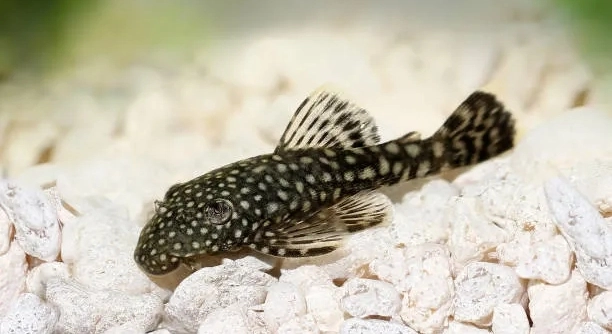
Do your plecos seem restless or hide more than usual in their tank? Sometimes, the decorations you choose can unintentionally create stress for these sensitive fish. Understanding their environment is key to keeping them healthy and calm.
Certain tank decorations, such as sharp-edged ornaments, overcrowded spaces, or unnatural substrates, can cause stress in plecos. Stress affects their behavior, feeding, and overall health, making it crucial to select decorations that provide safety, comfort, and adequate hiding areas.
Learning which decorations may harm your pleco can improve their well-being. By making small adjustments, you can create a more peaceful and balanced tank environment.
Sharp or Rough Decorations
Sharp or rough decorations can injure plecos easily. These fish like to graze and rest along surfaces, so jagged edges on rocks, artificial ornaments, or broken pottery can scrape their delicate skin. Even small cuts may lead to infections or make them avoid certain areas of the tank. Natural driftwood with smooth surfaces is safer, and any artificial decoration should be thoroughly checked for sharp points. Avoid cheap plastics that may have burrs or rough textures. Plecos are nocturnal and often explore at night, so injuries may go unnoticed until swelling or discoloration occurs. Providing smooth hiding spots is essential to prevent stress and support natural behaviors.
Injured plecos often hide or become lethargic. Monitoring their environment for rough surfaces can prevent these issues.
Choosing soft, smooth decorations helps plecos feel secure. Rounded stones, polished driftwood, and gentle hides allow them to explore without risk of injury, improving both health and activity.
Overcrowded Tank Spaces
Overcrowding decorations leaves plecos with little swimming or hiding space. Plecos need room to graze and navigate. When a tank is filled with too many ornaments, plants, or rocks, they may feel trapped, leading to stress. Restricted movement can impact feeding, causing plecos to avoid areas where food is available. Overcrowding also reduces water flow, which is important for oxygenation and waste removal. Plecos naturally claim territories, and a cluttered tank prevents them from establishing safe zones. Observing their behavior helps identify stressed individuals, often seen pacing, hiding constantly, or showing unusual aggression. Simplifying the layout ensures they have access to both open swimming areas and secure hiding spots.
Providing adequate space encourages natural behavior and reduces stress significantly.
By spacing decorations strategically and limiting unnecessary ornaments, plecos can thrive. Leaves, driftwood, and rocks should be placed to create tunnels and hiding spots without blocking open swimming areas. This careful arrangement allows them to forage, explore, and rest comfortably. Regularly reassessing tank layout as plecos grow ensures they continue to have space to move freely. Maintaining clear zones for swimming and feeding also prevents dominance conflicts among tank mates. Simple changes in decoration placement can drastically improve a pleco’s comfort and overall health, fostering a more balanced aquatic environment.
Bright or Flashy Decorations
Bright colors and reflective surfaces can make plecos uneasy. They prefer subdued environments, and overly flashy ornaments may startle them or make them hide constantly.
Artificial decorations painted in neon colors or coated with shiny materials can stress plecos. These fish rely on natural camouflage and gentle lighting. When decorations are too bright, plecos may avoid them entirely, reducing their usable space. Continuous exposure to reflective or glittering surfaces can increase anxiety, causing irregular feeding patterns and lethargy. Choosing natural tones like browns, greens, and muted grays helps plecos feel secure. Driftwood, smooth rocks, and live plants not only provide hiding spaces but also create a calming, natural environment. Gradually replacing bright or reflective items can restore a pleco’s comfort, allowing them to move freely without fear or hesitation, improving their overall activity and health.
Removing flashy decorations and sticking to natural colors allows plecos to feel safe. Proper placement reduces stress and encourages exploration.
Small or Unstable Hides
Tiny hides or ones that tip easily create stress for plecos. A hiding spot should feel secure and sturdy.
Small caves or decorations that wobble can scare plecos. When hides are too tight, plecos may feel trapped, or they may avoid the spot entirely. Unstable ornaments can shift under the fish’s weight, startling them and causing repeated stress. Secure, spacious shelters help plecos rest and graze without fear of collapse. Materials like heavy driftwood, large stones, or well-anchored artificial caves are ideal. Properly sized hides give plecos confidence to explore nearby areas and establish territories. Avoid stacking rocks in a way that may fall; even small collapses can injure plecos and reduce their trust in their environment. Observing how plecos interact with hides helps identify if they feel secure or stressed, guiding adjustments for a balanced, calm tank.
Plastic Plants
Plastic plants may look attractive, but they can stress plecos. Sharp edges or stiff leaves can scrape their skin while grazing, causing discomfort or injury.
Unlike live plants, plastic decorations do not provide natural textures or water quality benefits. Plecos often prefer soft, flexible surfaces for resting and hiding.
Overly Bright Lighting
Excessive lighting can disturb plecos, especially during the day. These fish are nocturnal and need dim areas to feel safe. Constant bright lights make them hide more and reduce feeding activity, affecting their overall health.
Crowded Substrate
A tank with a thick, uneven substrate can stress plecos. Fine sand or overly large gravel may make movement and grazing difficult, discouraging natural behavior and reducing comfort.
What decorations should I avoid for plecos?
Plecos are sensitive to sharp, rough, or unstable decorations. Avoid jagged rocks, broken pottery, or plastic items with burrs. Decorations that are too bright or reflective can also stress them. Small or unstable caves, overcrowded ornaments, and flashy artificial plants should be minimized. Stick to smooth driftwood, polished stones, and natural-colored hides to provide safe resting and grazing areas. Decorations that move easily or tip under a pleco’s weight may startle them repeatedly, increasing stress. Dense or uneven substrate that makes movement difficult should also be avoided. Choosing sturdy, natural-feeling decorations helps plecos feel secure, encourages normal behavior, and reduces injury risk.
How do I know if my pleco is stressed by tank decorations?
Signs of stress include hiding constantly, avoiding certain areas, or displaying unusual aggression. Lethargy, irregular feeding, and skin injuries from sharp surfaces are also indicators. Stressed plecos may pace along tank edges or refuse to interact with decorations they normally use. Observing how plecos explore new additions helps identify which decorations cause discomfort. Behavioral changes often appear gradually, so consistent monitoring is important.
Are bright decorations harmful even if plecos seem fine?
Yes, even if plecos do not show immediate signs, bright or reflective decorations can create subtle stress. Constant exposure to unnatural colors may interfere with natural behaviors, including resting, grazing, and establishing territories. Over time, this can affect feeding patterns and overall health. Gradually replacing neon or shiny items with natural-toned ornaments provides a calmer environment and encourages natural activity.
Can overcrowded tanks cause stress?
Overcrowding decorations restricts swimming and grazing space. Plecos need room to explore, rest, and establish territories. When too many ornaments, rocks, or plants are packed into a tank, it limits movement and reduces water flow, impacting oxygenation and waste removal. Proper spacing and careful placement of hides improve comfort and reduce conflicts among tank mates.
Are plastic plants safe for plecos?
Plastic plants can be safe if smooth and flexible, but stiff or sharp-edged leaves may injure plecos. Unlike live plants, plastic offers no natural texture or water quality benefits. Plecos often prefer soft surfaces for grazing and resting. Monitoring interactions with plastic plants ensures they do not cause harm.
Does lighting affect pleco stress levels?
Excessive or constant bright lighting can disturb plecos. These nocturnal fish need dim areas to feel secure. Strong, unshaded lights increase hiding behavior, reduce feeding, and impact overall health. Providing shaded areas and soft lighting helps plecos feel comfortable and encourages natural activity cycles.
How do I choose safe hides?
Hides should be large enough to allow plecos to enter easily and feel secure. Avoid tiny caves or those that tip easily. Materials like heavy driftwood, large stones, and anchored artificial caves are ideal. Proper hides allow plecos to rest, forage, and establish territories safely, reducing stress.
Is substrate important for pleco comfort?
Yes, substrate impacts grazing and movement. Fine sand or uneven, overly large gravel can make navigation difficult. Plecos often sift or rest on the substrate, so a stable, smooth surface is preferable. Correct substrate choice supports natural behavior, improves comfort, and minimizes injuries.
Can small changes reduce pleco stress?
Small adjustments in decoration placement, removing sharp or bright items, and providing stable hides can significantly reduce stress. Gradually rearranging the tank to create open swimming areas and secure resting spots helps plecos feel safe, encouraging normal feeding, exploration, and overall well-being.
How often should I reassess tank decorations?
As plecos grow and their behavior changes, regularly reassessing tank decorations is important. Adjust hides, spacing, and substrate to accommodate size and comfort needs. Observing interactions with new decorations ensures the tank remains a low-stress environment, supporting health and natural behavior.
Plecos are unique fish that thrive in environments that mimic their natural habitats. Decorations in a tank may look attractive, but they can have a big impact on a pleco’s comfort and health. Sharp edges, bright colors, small hides, or overcrowded ornaments can stress plecos in ways that are not always obvious at first. Stress can lead to hiding, reduced feeding, or even injuries if a pleco constantly rubs against rough surfaces. Choosing decorations that are smooth, natural-looking, and well-placed helps plecos feel secure. Driftwood, polished stones, and live plants provide both hiding spots and grazing surfaces while maintaining a calm atmosphere in the tank. It is also important to leave open areas for swimming, so plecos can move freely without feeling trapped or cornered.
Regular observation is key to ensuring that a tank is safe and comfortable for plecos. Watching their behavior can reveal whether they are stressed or content. Hiding constantly, avoiding certain areas, or showing signs of lethargy are all indicators that changes might be needed. Adjusting decorations, spacing, and lighting can make a big difference in how relaxed plecos feel. For example, replacing flashy artificial plants with natural-colored options or providing sturdier hides can quickly improve their comfort. Even small changes, like moving rocks to create more open space or smoothing rough surfaces, can encourage plecos to explore and feed more confidently. Creating a balance between hiding spots and swimming areas supports their natural behavior and reduces the risk of injury or anxiety.
Taking the time to carefully select and arrange decorations is essential for maintaining a healthy tank environment. Plecos benefit from a setup that allows them to graze, rest, and feel safe. Soft substrates, secure hides, and natural textures help them engage in normal behaviors without fear of harm. Overcrowded or sharp decorations, overly bright items, and unstable hides should be avoided to minimize stress. Proper lighting and spacing also contribute to a calm and comfortable environment. Maintaining a low-stress tank not only improves a pleco’s well-being but also encourages activity and healthy feeding habits. By observing behavior and making thoughtful adjustments, a pleco tank can become a safe, balanced, and visually pleasing environment that supports both the fish’s health and longevity.

Hello,
If you enjoy the content that we create, please consider saying a "Thank You!" by leaving a tip.
Every little bit helps us continue crafting quality advice that supports the health, happiness, and well-being of pets around the world, for pets of all shapes, sizes, and species.
We really appreciate the kindness and support that you show us!