
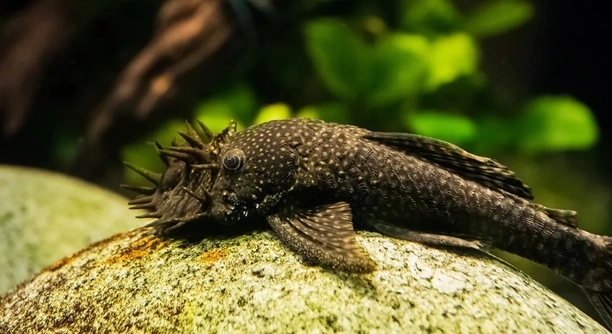
Are your plecos showing signs of stress in a shared tank, making you wonder how to maintain a peaceful community environment? Many aquarists face challenges when keeping multiple plecos together in one tank.
Maintaining a harmonious pleco community requires attention to tank size, proper hiding spaces, compatible species selection, consistent water parameters, and controlled feeding practices. These measures reduce aggression, stress, and competition, promoting overall health and stability among the fish population.
Implementing these strategies can transform your tank into a calmer, healthier environment for all inhabitants, ensuring long-term peace and balance for your pleco community.
Choosing the Right Tank Size
Selecting an appropriate tank size is essential for a peaceful pleco community. Overcrowding often leads to territorial disputes and stress, which can harm the fish’s health. Plecos grow larger than many anticipate, and a small tank limits their movement and natural behaviors. A minimum of 55 gallons is generally recommended for multiple plecos, though larger tanks provide better results. Adequate swimming space reduces aggression and allows plecos to establish their own territories without constant confrontation. In addition to size, tank shape matters; a longer, wider tank provides more horizontal space, which plecos prefer, rather than a tall, narrow tank. Providing an open area along with hiding spots ensures each pleco can retreat if needed. Regular monitoring of water quality becomes easier in larger tanks, helping maintain stable conditions for all inhabitants. Proper tank size creates an environment where plecos can thrive without unnecessary stress or competition, leading to a more harmonious community overall.
Adequate tank space supports healthy growth, reduces stress, and prevents aggressive interactions. Larger tanks allow natural behavior and minimize territorial disputes.
Choosing the right size tank also simplifies maintenance. Larger volumes help stabilize temperature and water chemistry, making it easier to manage nitrates and other parameters. Providing open swimming areas with hidden shelters creates a balanced environment where plecos can coexist without constant stress. Careful planning of tank dimensions prevents overcrowding issues before they arise.
Providing Hiding Spaces
Plecos need hiding spots to feel secure and reduce tension among tank mates. Shelters prevent constant aggression and give shy fish a safe retreat.
Offering a variety of caves, driftwood, and plants allows plecos to claim individual spaces. Natural hiding areas mimic their environment and reduce stress levels, supporting healthier behavior and interactions.
Hiding spaces are crucial for both juvenile and adult plecos. Juveniles are more prone to being bullied, so smaller shelters ensure they are safe while growing. Adults establish territories around caves and logs, using these areas for resting and protection. Driftwood not only serves as a hiding spot but also provides a surface for algae growth, which plecos can graze on. Plants offer additional cover and contribute to water quality by absorbing excess nutrients. Arranging shelters at multiple locations prevents competition over a single spot. Changing the layout occasionally encourages exploration and activity, preventing boredom and territorial standoffs. A well-structured environment with ample hiding areas promotes calm interactions, reduces stress, and improves overall health.
Selecting Compatible Species
Choosing compatible tank mates reduces stress and aggression among plecos. Avoid overly aggressive fish or those that compete for similar hiding spaces or food sources.
Compatibility depends on temperament, size, and activity level. Peaceful community fish like tetras, rasboras, and some gouramis coexist well with plecos. Aggressive or territorial species can trigger fights, resulting in injury or stress. Plecos also prefer bottom-dwelling companions rather than fish that share the same niche extensively. Considering the diet is important; herbivorous plecos should not compete with other bottom feeders for algae wafers or vegetables. Observing behavior patterns before mixing species helps prevent future conflicts. Keeping a harmonious community requires attention to these details.
Overcrowding or placing incompatible species together can lead to constant chasing, hiding, and stress, which affects overall health. Planning tank composition carefully ensures plecos and their companions have space to thrive, rest, and establish territories without unnecessary conflict. Selecting species with complementary habits promotes a balanced ecosystem.
Maintaining Stable Water Conditions
Stable water parameters are essential to reduce stress in pleco communities. Rapid fluctuations can cause illness and aggression among fish.
Regular monitoring of pH, temperature, and ammonia levels prevents sudden changes that may trigger defensive behavior. Plecos thrive in slightly acidic to neutral water with a consistent temperature range of 72–78°F. Frequent partial water changes help maintain optimal conditions, while avoiding large, sudden adjustments. Filtration and aeration are also key to maintaining oxygen levels and water clarity. Clean substrate and controlled feeding reduce waste accumulation, preventing spikes in harmful compounds that disturb harmony. Consistent care supports both health and behavior stability.
Unstable water can lead to weakened immune systems, increased aggression, and territorial disputes. By maintaining steady parameters, plecos remain calm and active, and their interactions stay balanced. Proper equipment, regular checks, and gradual adjustments prevent stress-related issues. This stability is fundamental for a peaceful community tank, ensuring all fish thrive together.
Feeding Practices
Feeding plecos the right amount prevents competition and reduces stress. Overfeeding can lead to aggression and poor water quality.
Offer a balanced diet including algae wafers, vegetables, and occasional protein. Feeding smaller portions multiple times a day helps all plecos get food without dominating others.
Monitoring Behavior
Observing your plecos regularly allows you to spot early signs of stress or aggression. Notice changes in swimming patterns, hiding frequency, or fin damage, and adjust tank conditions or arrangements accordingly to maintain harmony.
Managing Light and Environment
Plecos are nocturnal and prefer dim lighting. Providing subdued light and shaded areas helps them feel secure and reduces territorial disputes.
FAQ
How often should I feed my plecos?
Plecos should be fed once or twice daily, depending on their size and tank population. Offer a mix of algae wafers, vegetables such as zucchini or cucumber, and occasional protein-based foods. Remove uneaten food after a few hours to maintain water quality and prevent excess waste from affecting the tank environment.
Can multiple plecos live together peacefully?
Yes, but only if their tank is large enough and properly structured. Providing hiding spots, adequate swimming space, and compatible tank mates reduces territorial disputes. Overcrowding or placing aggressive species together can lead to stress, fighting, and injury, so planning tank composition carefully is essential for harmony.
What is the ideal tank temperature for plecos?
Plecos thrive in temperatures between 72–78°F (22–26°C). Maintaining a consistent temperature is important, as rapid fluctuations can stress fish, weaken their immune systems, and increase aggression. Using a reliable heater and monitoring with a thermometer ensures a stable environment.
How do I prevent aggression among plecos?
Aggression is often triggered by territorial disputes, overcrowding, or lack of hiding spots. Provide multiple caves, driftwood, and plants for plecos to claim individual spaces. Ensuring each fish has access to food and avoiding incompatible tank mates also reduces conflict. Observation and rearranging shelters occasionally can help maintain balance.
Is it necessary to have driftwood in the tank?
Yes, driftwood serves multiple purposes. It acts as a natural hiding spot, encourages grazing on algae growth, and can release beneficial tannins that slightly acidify the water. Most pleco species benefit from driftwood both for security and dietary needs, making it a vital part of the tank setup.
How can I tell if a pleco is stressed?
Signs of stress include constant hiding, loss of appetite, unusual swimming patterns, or damaged fins. Overly aggressive or lethargic behavior can also indicate stress. Addressing environmental issues, ensuring proper diet, and maintaining stable water conditions are the best ways to reduce stress in plecos.
Do plecos need nighttime hiding areas?
Yes, plecos are nocturnal and feel safer in shaded areas or shelters during the day. Providing caves, dense plant cover, or driftwood ensures they have a secure resting place. This reduces stress and helps prevent fights over territories. Nighttime activity will be more natural when their environment is accommodating.
How important is water quality for plecos?
Water quality is critical for plecos’ health and peaceful behavior. Regular water changes, proper filtration, and monitoring pH, ammonia, nitrites, and nitrates prevent illness and stress. Stable water parameters reduce aggressive tendencies, ensure better feeding behavior, and promote long-term tank harmony.
Can plecos share the tank with other bottom-dwelling fish?
Yes, but caution is needed. Avoid species that are highly territorial or directly compete for the same food and hiding spots. Observing interactions and providing multiple shelters prevents fights. Plecos generally coexist with peaceful bottom dwellers when space, diet, and shelter are properly managed.
What is the best way to introduce new plecos?
Acclimate new plecos slowly to the tank by floating them in their bag to equalize temperature, then gradually mix tank water into the bag over 30–60 minutes. This reduces stress and prevents sudden environmental shock. Ensure adequate hiding spaces and observe their behavior during the first few days for signs of aggression.
How do I maintain algae growth for plecos to feed on?
Algae growth occurs naturally in tanks with light and organic matter, but it can be supplemented with algae wafers and vegetables. Avoid over-cleaning surfaces; letting algae grow in moderation provides a natural grazing source. Rotating feeding methods keeps plecos healthy and reduces competition over food.
Can plecos survive in small tanks temporarily?
Small tanks can be used temporarily, but long-term housing in a restricted space causes stress, stunted growth, and aggression. Larger tanks are necessary for multiple plecos to establish territories, swim freely, and maintain stable water conditions. Temporary setups should only last a short transition period.
Are plecos prone to diseases in community tanks?
Yes, poor water quality, overcrowding, and stress increase disease risk. Common issues include fin rot, fungal infections, and parasites. Maintaining clean water, providing proper diet, and observing behavior regularly minimizes health problems and keeps community interactions peaceful.
How do I know when my plecos are happy?
Happy plecos display calm behavior, explore the tank, graze on algae, and rest in hiding spots without constant conflict. They should eat consistently, show vibrant coloration, and interact with tank mates without excessive aggression. Regular observation ensures that environmental adjustments can be made as needed.
Is it necessary to separate plecos during feeding?
Not always, but in crowded tanks, competition can be reduced by distributing food across multiple areas. Feeding smaller amounts multiple times daily ensures all fish get adequate nutrition while preventing fights over limited resources. This method supports peaceful coexistence and healthy growth.
Do plecos need special lighting conditions?
Plecos prefer dim or subdued lighting, as they are nocturnal. Bright light may stress them and trigger hiding or aggressive behavior. Using shaded areas, floating plants, or controlled lighting schedules helps create a natural, comfortable environment for them to thrive.
How often should I rearrange hiding spots?
Occasional rearrangement prevents territorial dominance and encourages natural exploration. Moving shelters every few weeks or months helps reduce persistent aggression, provides enrichment, and ensures no single fish monopolizes prime locations. Observation is key to determine the best timing for adjustments.
What type of substrate is best for pleco tanks?
Soft sand or smooth gravel is ideal, as plecos often sift through the substrate while searching for food. Sharp or coarse materials can damage their fins or barbels. Substrate choice affects both behavior and overall tank harmony, supporting healthy interactions.
Can plecos live with aggressive mid-level swimmers?
Aggressive mid-level swimmers may stress plecos, leading to hiding, reduced feeding, or injury. Selecting calm, peaceful species reduces conflict. If aggressive fish are introduced, ample hiding spots and monitoring behavior are crucial to maintain a peaceful community environment.
How do I maintain long-term harmony in a pleco community tank?
Long-term harmony requires careful planning, proper tank size, stable water conditions, compatible species, structured feeding, and adequate hiding spaces. Consistent observation and adjustments based on behavior help prevent stress, aggression, and health issues, ensuring a balanced, peaceful environment for all plecos.
This FAQ covers the essential aspects of pleco care in a community tank, offering practical advice to reduce conflict, maintain health, and ensure a calm, thriving aquatic environment.
Maintaining a peaceful pleco community tank requires attention to several key factors. Tank size is one of the most important elements to consider. Plecos can grow large, and overcrowding creates stress and aggression. A spacious tank gives them enough room to swim freely and establish territories without constant conflict. Along with size, the layout of the tank matters. Providing open swimming areas, hiding spots, and shaded zones helps plecos feel secure. Driftwood, caves, and plants are essential for creating a natural environment where each fish can retreat when needed. Proper spacing reduces territorial disputes and allows all plecos to coexist without constant stress.
Feeding practices also play a significant role in maintaining harmony. Plecos need a balanced diet of algae, vegetables, and occasional protein sources. Overfeeding or uneven food distribution can lead to competition and aggression, which disrupts the community. Offering smaller portions multiple times a day ensures that each fish receives enough nutrition while reducing fights over limited resources. It is also important to monitor water quality closely. Regular water changes, proper filtration, and stable temperature and pH levels prevent stress and health problems. Maintaining clean and consistent conditions supports calm behavior and minimizes conflicts, allowing the plecos to focus on natural activities rather than territorial disputes.
Selecting compatible species is another critical factor for a peaceful tank. Aggressive or highly territorial fish can disturb plecos, so it is important to choose tank mates with similar temperaments and complementary habits. Observing behavior and adjusting the tank environment, such as rearranging hiding spots or adding more shelters, helps prevent aggression. Light levels should be kept subdued, reflecting plecos’ nocturnal nature, which reduces stress and supports natural activity patterns. By considering tank size, structure, feeding, water quality, and compatibility, a pleco community can thrive in a calm and healthy environment. Careful planning and ongoing observation are key to long-term success, ensuring that each fish can live comfortably and interact peacefully with its tank mates.

Hello,
If you enjoy the content that we create, please consider saying a "Thank You!" by leaving a tip.
Every little bit helps us continue crafting quality advice that supports the health, happiness, and well-being of pets around the world, for pets of all shapes, sizes, and species.
We really appreciate the kindness and support that you show us!