
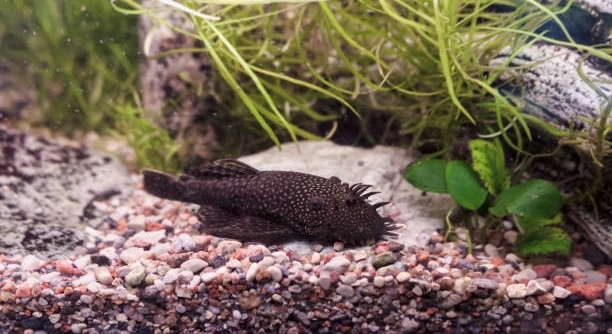
Is your pleco moving less than usual, seeming to hide more often than swim around? Many owners notice changes in activity levels, which can affect both the health of the fish and the overall aquarium environment.
Improving pleco activity levels involves maintaining proper tank conditions, providing varied and nutritious food, and encouraging natural behaviors through environmental enrichment. Ensuring clean water, adequate hiding spots, and suitable companions significantly contributes to their overall energy and health.
By addressing these factors, plecos can regain regular activity and display more natural behaviors within the tank. This guide will help you support their vitality effectively.
Maintain Proper Water Conditions
Plecos thrive in clean, well-oxygenated water with stable parameters. Regular water changes and monitoring temperature, pH, and ammonia levels are essential. Even slight fluctuations in water quality can stress plecos, causing lethargy and hiding. Providing a proper filtration system ensures the tank remains healthy. Avoid overcrowding the aquarium, as too many fish can reduce oxygen and increase waste. Decorations and plants should not obstruct water flow, allowing for proper circulation. Observing your pleco daily helps catch early signs of stress, such as reduced movement or lack of appetite. Maintaining consistent lighting and avoiding sudden changes in tank conditions also supports natural behaviors. Clean surfaces and substrate regularly to prevent buildup of harmful bacteria. Using a reliable water test kit gives insight into key chemical levels. Regular attention to water quality creates a safer, more stimulating environment for your pleco, encouraging activity and overall well-being.
Clean, stable water is the foundation of pleco health, directly influencing their energy, appetite, and overall activity levels.
Monitoring water quality alone is not enough; consistent maintenance and observation ensure plecos remain active, healthy, and comfortable in their environment.
Provide a Balanced Diet
Feeding plecos a varied diet is critical for energy and growth. Include vegetables like zucchini, cucumber, and spinach, along with algae wafers or sinking pellets. Occasional protein, such as shrimp or bloodworms, supports muscle development and vitality. Avoid overfeeding, as leftover food can decay, affecting water quality. Removing uneaten portions helps maintain tank cleanliness. Some plecos enjoy driftwood or plant matter, which also aids digestion. Rotating foods ensures they receive essential nutrients and prevents boredom, encouraging movement around the tank. Feeding at consistent times helps them establish routine activity, which increases overall liveliness. Observing eating habits can indicate health; a sudden drop in appetite may signal stress or illness. Feeding methods, such as scattering food in different tank areas, encourage exploration and swimming. Balanced nutrition combined with proper feeding practices helps plecos stay active and maintain strong immunity, supporting long-term health and well-being.
Offering a diverse diet tailored to your pleco’s needs will enhance energy and activity consistently.
Regularly monitoring feeding habits, adjusting portions, and providing variety ensures plecos remain engaged, energetic, and healthy. Proper nutrition strengthens the immune system and encourages natural behaviors, keeping them active throughout the day while reducing stress-related issues.
Create Hiding Spots and Structures
Plecos feel secure when the tank has caves, driftwood, and dense plants. These hiding spots reduce stress and encourage exploration. Without shelter, plecos may stay in one place, limiting activity and natural behavior.
Providing a variety of structures stimulates movement. Driftwood is especially important, as some species graze on it for fiber and nutrients. PVC pipes, rocks, or commercial caves give them places to rest while still encouraging swimming between areas. Arranging structures in multiple layers allows plecos to explore vertically and horizontally. Including plants not only adds cover but also helps maintain water quality. Observing where your pleco prefers to hide helps optimize tank layout. Regularly changing or rearranging decorations can renew curiosity and activity. This approach balances security with stimulation, ensuring plecos feel safe yet remain active. By designing the tank thoughtfully, you create a dynamic environment that promotes natural behaviors and consistent energy.
Consistently providing hiding spots and varied structures encourages plecos to move, explore, and interact with their surroundings regularly.
A well-structured tank mimics natural habitats, giving plecos multiple options for shelter and exploration. Offering vertical and horizontal spaces, along with varied textures, ensures engagement. Changing decoration positions occasionally prevents monotony, and driftwood supports dietary needs while serving as a natural hide. Dense plants reduce stress, while open swimming areas promote exercise. This balance between shelter and open space directly impacts activity levels, making plecos more visible and lively throughout the day. Watching their interactions with these features can guide further adjustments, improving their environment and overall health.
Maintain Proper Tank Temperature
Plecos are sensitive to temperature changes, which directly influence their metabolism and activity. Stable, species-appropriate warmth encourages movement and feeding, while sudden shifts can cause lethargy or illness.
Keeping the tank within the ideal temperature range ensures consistent energy levels. Most plecos prefer slightly warmer waters, around 75–82°F, though it varies by species. Using a reliable heater with a thermostat prevents fluctuations, which can stress fish and reduce activity. Temperature should be monitored daily, especially in rooms with seasonal changes or drafts. Avoid placing the tank near windows or vents that create inconsistent heating. Combining proper temperature with clean water and adequate hiding spots maximizes comfort and encourages natural swimming and foraging behaviors. Proper heat management supports digestion, immune function, and overall vitality, keeping plecos active throughout the day.
Stable temperatures help plecos remain energetic, healthy, and more likely to exhibit natural behaviors consistently.
By maintaining steady warmth, plecos experience fewer stress responses, which directly affects activity levels. Monitoring daily, adjusting for seasonal shifts, and pairing temperature control with clean water and proper diet ensures energetic, healthy fish. Consistent heat also improves feeding efficiency, digestion, and immunity. Over time, a stable thermal environment fosters a predictable routine, making plecos more active during feeding and exploration, while reducing disease risk and encouraging longer lifespans. Proper temperature management is essential for maintaining their overall health and consistent activity.
Encourage Natural Foraging
Scattering food around the tank encourages plecos to swim and search actively. This stimulates natural behaviors and prevents boredom, keeping them more energetic.
Including sinking pellets, vegetables, or small protein portions in different spots ensures plecos move around the tank rather than staying in one place.
Reduce Stress from Tank Mates
Aggressive or overly active fish can intimidate plecos, limiting their movement. Choosing compatible species helps maintain calm and encourages exploration. Stress reduction supports normal activity patterns, feeding, and overall health, allowing plecos to interact with their environment comfortably.
Provide Adequate Lighting
Plecos are sensitive to light cycles. Consistent day-night patterns promote activity during active hours and rest during darker periods. Appropriate lighting helps regulate their natural rhythms, supporting health, energy levels, and engagement within the tank.
Regular Tank Maintenance
Routine cleaning and water checks prevent harmful buildup and maintain a safe, stimulating environment. Healthy water and substrate encourage movement, exploration, and active foraging, directly impacting pleco behavior and overall vitality.
FAQ
How often should I feed my pleco?
Plecos should generally be fed once per day, though young or very active fish may benefit from smaller, more frequent feedings. Include vegetables, algae wafers, and occasional protein to ensure balanced nutrition. Remove uneaten food after a few hours to prevent water quality issues.
What is the ideal tank size for a pleco?
Most common plecos need at least a 30-gallon tank, with larger species requiring 50 gallons or more. Providing enough space allows them to swim freely, explore, and establish hiding spots, which promotes activity and reduces stress. Proper tank size also helps maintain stable water parameters.
Can plecos live with other fish?
Yes, but choosing peaceful, non-aggressive species is essential. Avoid overcrowding, which can limit swimming space and increase stress. Observing interactions is important; if plecos seem intimidated or hide constantly, consider rearranging the tank or separating species to maintain healthy activity levels.
How often should I clean the tank?
Regular cleaning is crucial. Perform partial water changes of 20–30% weekly, clean the substrate, and check filters. This prevents toxic buildup, supports overall health, and encourages plecos to be more active. Avoid over-cleaning, which can remove beneficial bacteria necessary for the ecosystem.
What temperature is best for plecos?
Most plecos thrive between 75–82°F (24–28°C), depending on species. Consistent temperature supports metabolism, digestion, and activity. Sudden fluctuations can stress fish, leading to hiding or lethargy. Use a reliable heater with a thermostat and monitor water daily to maintain stable conditions.
Why is my pleco hiding so much?
Hiding is normal, but excessive hiding can indicate stress, illness, or poor water conditions. Ensure hiding spots are present, but also check water parameters, diet, and tank mates. Adjusting these factors helps plecos feel secure while encouraging natural movement and exploration.
How can I encourage my pleco to be more active?
Offer varied foods, scattering them around the tank to stimulate foraging. Include driftwood, caves, and plants for exploration. Maintain proper water conditions and temperature, and ensure compatible tank mates. Small changes in tank layout periodically can renew curiosity and increase activity.
Do plecos need light in the tank?
Yes, but they prefer low to moderate lighting. A consistent day-night cycle helps regulate activity and rest periods. Too much bright light can stress plecos, causing them to hide more. Using plants or decorations to create shaded areas allows comfortable movement while supporting natural behaviors.
How long do plecos live?
Plecos can live 10–15 years or more with proper care. Maintaining clean water, balanced nutrition, and a stress-free environment directly influences lifespan and activity levels. Long-lived, healthy plecos remain energetic and explore their habitat throughout much of their life.
What signs indicate my pleco is healthy?
Active swimming, regular feeding, and bright, intact skin are good indicators. Normal behavior includes grazing on surfaces and exploring the tank. Sudden lethargy, loss of appetite, or unusual hiding may signal health issues or environmental stress, requiring attention to water quality, diet, or tank setup.
How important is driftwood for plecos?
Driftwood provides both hiding spots and a dietary supplement for many species, aiding digestion and offering stimulation. Including several pieces encourages natural grazing behaviors, supports exploration, and contributes to overall activity levels and well-being in the tank.
Can plecos live alone?
Yes, plecos can thrive individually, provided they have enough space, hiding spots, and a stimulating environment. Alone, they may display more visible activity and explore more freely without competition from tank mates, though social interaction with other peaceful fish is possible if the environment is suitable.
How do I know if my pleco is stressed?
Stress signs include prolonged hiding, erratic swimming, loss of appetite, or dull coloration. Environmental factors like water quality, temperature, overcrowding, and aggressive tank mates often contribute. Adjusting these elements encourages natural behavior and increased activity, promoting overall health and vitality.
What is the best diet to keep plecos active?
A varied diet of algae, vegetables, and occasional protein keeps plecos energized. Rotating foods and scattering portions encourages foraging and swimming. Driftwood and plant matter also aid digestion and activity. Avoid overfeeding, which can reduce movement and negatively affect water quality, impacting their energy levels.
How can I make the tank more stimulating?
Include multiple hiding spots, plants, driftwood, and varied substrate. Rearranging decorations occasionally encourages exploration. Scattering food and providing vertical and horizontal swimming areas ensures plecos remain active. Maintaining clean water, stable temperature, and compatible tank mates further supports stimulation and energy.
Are plecos nocturnal?
Many plecos are more active at night, though some species also show daytime activity. Providing shaded areas and consistent light cycles supports natural rhythms. Understanding their nocturnal tendencies helps in feeding, observing, and maintaining a balanced activity schedule for optimal health.
How often should I test water parameters?
Test water at least once a week for ammonia, nitrite, nitrate, and pH. Regular testing ensures stability, reduces stress, and encourages natural activity. Frequent checks allow quick correction of issues, preventing lethargy and supporting overall pleco health.
Do plecos need supplements?
Supplements like vegetables, algae wafers, and occasional protein provide essential nutrients. Some species benefit from driftwood for fiber. Ensuring a balanced diet prevents nutrient deficiencies, supports digestion, and encourages consistent energy and activity within the tank.
Can plecos become bored?
Yes, without stimulation, plecos may reduce activity and hide more. Adding decorations, varying diet, and rearranging the tank encourages exploration and natural behaviors. Regular attention to the environment keeps them engaged, energetic, and healthier over time.
What are common mistakes that reduce activity?
Overcrowding, poor water quality, inconsistent temperature, insufficient hiding spots, and improper diet are key factors. Addressing these issues with proper maintenance, tank setup, and feeding practices helps plecos remain active, healthy, and display natural behaviors consistently.
Final Thoughts
Maintaining an active and healthy pleco requires attention to several key factors that work together. Proper water conditions are the foundation of their well-being. Regular testing, partial water changes, and careful monitoring of temperature, pH, and ammonia levels are essential to keep the tank stable. Even minor fluctuations can stress plecos, causing them to hide more often or become lethargic. Providing adequate filtration and preventing overcrowding ensures sufficient oxygen and clean water. Along with water quality, the layout of the tank plays an important role. Including hiding spots, driftwood, caves, and plants allows plecos to feel secure while encouraging movement. Open swimming areas combined with covered spaces provide a balanced environment that supports exploration and activity. Changing the arrangement of decorations occasionally can stimulate curiosity and keep plecos engaged, while driftwood also serves as a natural food source for some species.
Diet is another important factor that directly impacts activity levels. Plecos require a varied diet that includes vegetables, algae wafers, and occasional protein sources such as shrimp or bloodworms. Scattering food in different areas of the tank encourages natural foraging behavior and swimming. Overfeeding should be avoided, as uneaten food can degrade water quality and affect their health. Feeding at consistent times helps establish a routine, which increases overall activity. Providing foods that support digestive health, such as driftwood for fiber, also benefits overall energy levels. Observing feeding habits regularly allows you to notice early signs of stress or illness, such as reduced appetite or reluctance to move. Proper nutrition combined with environmental enrichment ensures plecos remain energetic and display natural behaviors consistently.
Finally, stress management and compatible tank mates are essential for maintaining active plecos. Aggressive or overly active fish can intimidate plecos, limiting their movement and increasing hiding behavior. Choosing peaceful species, maintaining stable water temperature, and providing sufficient shelter helps reduce stress and supports natural activity patterns. Consistent lighting cycles also contribute to healthy day-night rhythms, helping plecos know when to be active and when to rest. Monitoring behavior and adjusting the environment when needed ensures plecos remain engaged and healthy. By focusing on clean water, proper nutrition, suitable hiding spots, and careful tank management, plecos can maintain energy and vitality. Supporting these needs consistently allows them to thrive, explore their environment, and live longer, healthier lives, making the aquarium more enjoyable to watch and maintain.

Hello,
If you enjoy the content that we create, please consider saying a "Thank You!" by leaving a tip.
Every little bit helps us continue crafting quality advice that supports the health, happiness, and well-being of pets around the world, for pets of all shapes, sizes, and species.
We really appreciate the kindness and support that you show us!