
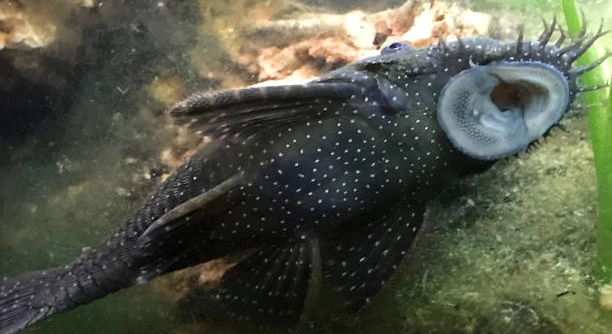
Have you ever spent time watching your Bristlenose Pleco glide along the aquarium glass, fascinated by its tiny movements and curious nature? These little fish can bring calm and joy to any home environment.
Building a bond with a Bristlenose Pleco involves consistent interaction, providing a proper diet, and maintaining a clean and stimulating habitat. Regular observation and gentle feeding routines help the fish recognize their caretaker and respond positively over time.
Learning the best ways to interact with your Pleco can enhance both your enjoyment and its wellbeing in the tank environment.
Provide Hiding Spots
Bristlenose Plecos are naturally shy and enjoy having secure places to retreat when they feel stressed. Adding caves, driftwood, or dense plants creates a safe environment that encourages the fish to explore and settle comfortably. When my Pleco first arrived, it spent hours hiding behind a piece of driftwood. Slowly, as I added more hiding spots and ensured the tank had gentle lighting, I noticed it becoming more active. These areas are not just for safety; they also support natural behaviors like grazing on algae and resting. Plecos often choose spots near the substrate or behind objects where they feel partially concealed. Consistent placement of these hiding areas allows the fish to form routines, which makes it easier to bond over time. Observing how it interacts with each spot provides insight into its personality and preferences. With proper hiding spots, Plecos are less stressed and more likely to show curiosity toward their caretaker.
Providing safe areas helps your Pleco feel comfortable and reduces stress, making it easier to interact with over time.
Giving your Pleco a variety of hiding places encourages natural exploration. Driftwood, rocks, or plant-covered nooks allow it to feel secure while remaining visible enough for interaction. Over time, this increases trust and promotes healthier behaviors, which supports bonding effectively.
Offer Algae and Treats
Regularly providing algae wafers and occasional fresh vegetables can strengthen the connection between you and your Bristlenose Pleco. It quickly learns to associate your presence with food, creating positive reinforcement. I usually place zucchini slices near its favorite hiding spot, and it slowly swims out to feed while I’m nearby. Watching it nibble slowly builds a sense of familiarity. Treats like cucumber, spinach, or peas can be rotated to maintain variety and nutrition. Consistent feeding times help the Pleco anticipate your interaction, encouraging it to approach without stress. Avoid overfeeding, as excess food can harm water quality and the fish’s health. I’ve found that gentle placement of food with tongs or on a flat surface reduces sudden movements, keeping the Pleco calm. Over weeks, these small gestures lead to recognizable patterns, and the fish starts responding when it sees you near the tank. Positive reinforcement through food is one of the most effective ways to bond.
Offering preferred foods reinforces trust and encourages the fish to approach the tank regularly.
Gentle Tank Interaction
Regular, calm movements around the tank help your Bristlenose Pleco become familiar with your presence. Avoid sudden gestures, as these can startle it and reduce trust.
I spend a few minutes each day sitting quietly near the aquarium. Over time, my Pleco began recognizing when I approached and would slowly swim out from hiding spots. Light tapping on the glass or gently moving my hand near the surface lets it observe me without feeling threatened. Consistent, calm interaction makes the fish more confident and encourages it to explore areas near the front of the tank. Patience is key, as Plecos develop trust gradually, often taking weeks before showing noticeable interest. Observing its responses carefully allows me to adjust my movements and timing, ensuring the interaction remains positive.
Calm, regular interactions help Plecos associate human presence with safety, encouraging them to explore the tank and respond to gentle gestures.
Maintain Water Quality
Clean water is essential for the health and behavior of your Pleco. Poor conditions can cause stress and limit interaction. High ammonia or nitrate levels often make fish hide and reduce activity. I test my tank weekly and perform partial water changes to keep parameters stable. A properly filtered tank also reduces waste buildup from leftover food and algae, which helps the Pleco stay healthy. Stable water conditions encourage regular feeding and movement, making bonding easier. Additionally, introducing driftwood or other natural elements in clean water allows the fish to exhibit normal grazing behaviors. Over time, a consistent environment strengthens trust because the Pleco feels secure and comfortable in its space. Neglecting water quality can undo progress in interaction and lead to health issues. Proper water maintenance ensures the fish remains active, responsive, and more likely to engage with the caretaker.
Regular maintenance of water quality directly impacts your Pleco’s behavior, encouraging activity and interaction while supporting overall health.
Observe Their Behavior
Watching your Pleco closely helps you understand its moods and habits. Recognizing patterns allows you to interact without causing stress.
Noting when it is most active or where it prefers to rest gives insight into its comfort level. Over time, I learned my Pleco likes feeding near driftwood in the evening, which helps me approach without startling it.
Introduce New Objects Slowly
Adding decorations or plants gradually allows your Pleco to adjust without stress. Sudden changes can cause hiding or reluctance to explore. I place one new item at a time, letting it investigate at its own pace. Gradual introduction encourages curiosity and comfort, strengthening the bond.
Feed by Hand
Hand-feeding can increase familiarity and trust. Offering small pieces near the Pleco’s usual spots encourages it to approach cautiously.
FAQ
How often should I feed my Bristlenose Pleco?
Bristlenose Plecos should be fed once daily, with an occasional second feeding if the tank is large or if other fish compete for food. I usually provide algae wafers or vegetables like zucchini and spinach. Overfeeding can lead to poor water quality and stress for the fish. Observing leftovers helps adjust portions.
Can Bristlenose Plecos recognize their owner?
Yes, Plecos can learn to associate regular feeding and calm interaction with a specific person. Over weeks, I noticed my Pleco swimming toward me during feeding time. Recognition develops slowly, relying on consistent presence and gentle movements around the tank.
What vegetables are safe for Plecos?
Safe vegetables include zucchini, cucumber, spinach, peas, and lettuce. I blanch zucchini and peas before offering them, which makes it easier for my Pleco to nibble. Avoid starchy or sugary foods, as they can upset digestion. Rotating vegetables keeps the diet balanced.
How long do Plecos take to become comfortable with human presence?
It usually takes several weeks to a few months for a Pleco to respond positively to your presence. Patience and consistency are key. I spent quiet time daily near the tank and observed its behavior without touching, which helped build trust.
Is it necessary to have hiding spots in the tank?
Yes, hiding spots are essential for reducing stress and encouraging natural behaviors. My Pleco favors caves and driftwood, and I’ve seen it grazing near these areas. Providing multiple options ensures it feels secure and comfortable, which supports bonding.
Can Plecos live with other fish?
Bristlenose Plecos are generally peaceful and can coexist with many community fish. I keep mine with tetras and guppies without issues. Aggressive tankmates or overcrowding can stress Plecos, so monitoring compatibility and tank size is important.
How do I encourage my Pleco to come out of hiding?
Gentle and consistent feeding near its hiding spots helps. I place vegetables near the entrance of a cave, letting my Pleco observe without forcing interaction. Calm lighting and minimal sudden movements also make it more likely to explore.
What is the best way to maintain a healthy tank for Plecos?
Regular water testing, partial water changes, and a good filtration system are crucial. I check ammonia, nitrite, and nitrate weekly and perform 20–30% water changes when needed. Adding driftwood and smooth decorations supports grazing and natural behaviors.
Can I hand-feed my Pleco every day?
Hand-feeding daily is possible but should be done gently. I use small pieces of blanched vegetables and place them near its usual resting spots. The Pleco approaches slowly, which builds recognition and trust without causing stress.
Do Plecos need a specific water temperature?
Yes, maintaining 72–78°F is ideal for Bristlenose Plecos. I monitor the tank with a thermometer and adjust the heater as needed. Stable temperatures prevent stress and encourage activity, which is essential for bonding and overall health.
Are there signs my Pleco is stressed?
Stress signs include hiding excessively, refusing food, or rubbing against objects. I noticed my Pleco hiding more during sudden water changes or after introducing new fish. Maintaining clean water, gentle handling, and stable conditions reduces stress.
How often should I clean the tank?
Partial water changes of 20–30% weekly or biweekly work well. I also clean the substrate and remove uneaten food during these changes. Consistent maintenance ensures healthy water conditions, which keeps Plecos active and responsive.
Can Plecos eat only algae wafers?
While algae wafers are convenient, a varied diet with vegetables is necessary for proper nutrition. I rotate zucchini, peas, and spinach alongside wafers to ensure balanced intake. This combination supports health and encourages natural grazing behavior.
Is it normal for Plecos to hide most of the day?
Yes, Plecos are nocturnal and naturally spend daylight hours in hiding. I observed mine becoming more active during the evening and nighttime. Providing hiding spots and feeding during low-light periods helps accommodate this behavior.
How can I tell if my Pleco is healthy?
A healthy Pleco shows smooth movement, clear eyes, and consistent grazing. My Pleco’s fins are fully extended, and it actively explores the tank at night. Changes in appetite, coloration, or activity may indicate health issues requiring attention.
Do Plecos need companions?
They are solitary by nature and don’t require other Plecos to thrive. I keep mine alone with community fish and it remains active and healthy. Overcrowding can increase stress and reduce bonding opportunities.
Can Plecos survive without driftwood?
Driftwood is important for digestive health and grazing behavior. I always include at least one piece in my tank. It helps with natural feeding patterns and provides a familiar surface for the Pleco to explore.
What is the best way to introduce new tank decorations?
Introduce one item at a time and monitor the Pleco’s reaction. I add new plants or rocks slowly, allowing observation without stress. Sudden changes can trigger hiding, so gradual adjustments work best for maintaining comfort and routine.
How do I know if my Pleco likes my presence?
Signs include swimming toward you during feeding, observing from hiding spots, and active grazing when you are nearby. I noticed my Pleco slowly approaching when I sat by the tank. These behaviors indicate recognition and growing trust.
Can I touch my Pleco?
It’s best to avoid direct contact, as Plecos have delicate skin and fins. I interact with mine by offering food or moving gently near the tank. Indirect engagement ensures comfort while building familiarity over time.
What is the lifespan of a Bristlenose Pleco?
Bristlenose Plecos typically live 5–10 years with proper care. I maintain clean water, a varied diet, and a stable environment, which supports longevity. Observing their behavior and health regularly ensures they live comfortably for many years.
How much space does a Pleco need?
A minimum 20-gallon tank works for one Pleco, but larger is better. I have a 30-gallon tank, which allows room for hiding spots and exploration. Adequate space reduces stress and promotes natural behaviors.
Do Plecos need a specific pH level?
Yes, they prefer slightly acidic to neutral water, around 6.5–7.5. I test the tank weekly to maintain this range. Stable pH prevents stress, supports digestion, and encourages normal activity patterns, which is important for bonding.
How often should I trim plants near Pleco areas?
Trimming every few weeks prevents overgrowth while maintaining hiding spaces. I cut back dense plants to allow movement and observation without removing security spots. Proper plant care supports a balanced environment for activity and grazing.
Can Plecos get along with snails or shrimp?
Generally, Plecos coexist well with snails and shrimp. I keep both in my tank without issues. While some Plecos may nibble on smaller creatures occasionally, most tolerate peaceful tankmates, making them suitable for community setups.
Are there signs of illness to watch for?
Look for clamped fins, discoloration, lethargy, or unusual swimming. I keep an eye on these behaviors and isolate or treat if necessary. Early detection ensures better recovery and maintains the bond through healthy interaction.
How do I know if my Pleco is eating enough?
Check leftover food and observe grazing patterns. My Pleco actively consumes vegetables and wafers, with small leftovers each day. Appetite changes can indicate stress, illness, or poor water quality, requiring adjustments.
Can Plecos jump out of the tank?
Yes, they can occasionally jump. I keep a secure lid on my aquarium. Ensuring proper hiding spots and reducing stress minimizes jumping attempts, keeping the Pleco safe while encouraging exploration.
What lighting is best for Plecos?
Low to moderate lighting works best, reflecting their nocturnal tendencies. I use subdued lighting during the day and slightly brighter in the evening. This supports natural activity patterns and reduces stress, promoting more interaction.
Do Plecos need aeration?
Yes, a well-oxygenated tank supports health. I use a filter with gentle current and an air stone when needed. Proper aeration prevents lethargy and encourages active grazing, which helps the fish recognize routine feeding and interaction.
Is it normal for Plecos to graze constantly?
Yes, constant grazing is natural. I provide algae wafers, vegetables, and driftwood surfaces for nibbling. Observing this behavior shows the fish is comfortable and healthy, which supports bonding over time.
How do I acclimate a new Pleco?
Float the bag in the tank for temperature adjustment, then slowly mix tank water over 30–60 minutes. I carefully monitor behavior during the first days to ensure it adjusts safely. Gradual acclimation reduces stress and encourages exploration.
Can Plecos tolerate different water hardness?
Moderate hardness is ideal, around 3–12 dGH. I test water occasionally to ensure stability. Sudden changes in hardness can stress the Pleco and impact health, affecting its willingness to interact.
Do Plecos require night feeding?
Feeding in the evening aligns with their nocturnal activity. I often place vegetables near hiding spots after lights dim. This encourages natural behavior and gradually builds recognition of my presence.
How do I handle leftover food safely?
Remove uneaten food after a few hours to prevent water issues. I check daily for leftovers and discard them promptly. Proper feeding hygiene ensures clean water and a healthy environment for my Pleco to thrive.
Can Plecos tolerate small fluctuations in temperature?
Minor fluctuations are usually tolerated, but sudden changes cause stress. I monitor the tank and adjust heaters gradually. Consistent temperature supports activity, feeding, and interaction, which is essential for bonding.
What should I do if my Pleco stops eating?
Check water quality, tankmates, and diet. I adjust feeding times and provide fresh vegetables. Persistent refusal may indicate illness, requiring observation or professional advice. Early action ensures the Pleco remains healthy and continues interacting naturally.
Are Bristlenose Plecos good for beginners?
Yes, they are hardy, low-maintenance, and adapt well to stable tanks. I found them easy to care for with regular water changes, hiding spots, and a proper diet. Their calm nature makes them suitable for someone learning about freshwater fish care.
Can Plecos damage plants?
Occasionally, Plecos may nibble soft leaves. I choose hardy plants and provide ample vegetables to reduce this behavior. Most plants remain intact, and the Pleco’s grazing contributes to algae control without significant harm.
How do I tell if my Pleco is happy?
Active grazing, exploring, and swimming during low light are signs of contentment. I notice mine seeking food and investigating new objects calmly. A responsive and alert Pleco indicates proper care and a positive environment for bonding.
Do Plecos need a nighttime hiding spot?
Yes, they prefer sheltered areas for rest. I provide caves and dense plants. These spots reduce stress and encourage natural nocturnal behavior, making it easier to observe and bond during active periods.
Can Plecos eat frozen or blanched vegetables?
Yes, frozen or blanched vegetables are safe and easy to digest. I thaw and rinse before offering them. This ensures nutrition and variety while maintaining water quality and encouraging consistent grazing behavior.
Is it normal for Plecos to scrape algae from surfaces?
Yes, scraping algae is natural grazing behavior. I notice mine cleaning glass and driftwood. This activity keeps them engaged, supports digestion, and allows me to observe their habits closely, strengthening the connection over time.
How can I make my Pleco more social?
Consistent feeding, calm interactions, and gradual environmental changes encourage curiosity. I approach slowly, place food nearby, and observe from a distance. Over time, the Pleco becomes more responsive, actively engaging without fear, which builds trust.
Do Plecos need supplemental vitamins?
Not usually if fed a varied diet. I provide algae wafers and vegetables to cover essential nutrients. Occasional commercial supplements can be added if advised, but a balanced feeding routine is typically sufficient for health and activity.
How long should I spend interacting with my Pleco daily?
Short, consistent periods work best. I spend 10–15 minutes observing and offering food each day. This consistency helps the Pleco recognize patterns, reduces stress, and gradually increases its comfort with my presence.
Can Plecos adapt to new tanks quickly?
Adaptation takes time. I gradually acclimate temperature, water chemistry, and decorations. Rushing this process can increase stress and hiding, delaying interaction. Patience ensures the Pleco feels secure and comfortable in its new environment.
What tank mates should I avoid?
Aggressive or territorial fish can stress Plecos. I avoid cichlids and large, nippy species. Peaceful schooling fish work best, reducing stress and promoting natural behaviors, which supports positive interaction and bonding over time.
Is it normal for Plecos to hide after a water change?
Yes, hiding after changes is common. I perform water changes slowly and keep the environment stable. Once the Pleco senses normal conditions again, it resumes grazing and exploring, maintaining trust and comfort.
Can Plecos tolerate slightly salty water?
They are freshwater fish and tolerate minimal salinity for medication purposes only. I avoid adding salt routinely, as it can cause stress and affect long-term health. Freshwater stability is best for bonding and overall wellbeing.
Do Plecos require a varied diet?
Yes, a mix of algae wafers, vegetables, and occasional supplements ensures proper nutrition. I rotate food types to prevent boredom, support digestion, and encourage grazing behavior, which enhances activity and interaction.
How often should I check water parameters?
Weekly checks are ideal. I monitor ammonia, nitrite, nitrate, pH, and temperature. Consistent observation prevents stress, illness, and inactivity, maintaining a healthy environment conducive to bonding.
Can Plecos survive in low-light tanks?
Yes, they prefer dim lighting. I provide subdued conditions with occasional brighter areas for observation. Low-light tanks align with their natural nocturnal habits, encouraging grazing and reducing stress while promoting comfort.
Do Plecos need a current in the tank?
Moderate water flow mimics natural conditions. I adjust my filter to create gentle currents. It encourages swimming and grazing while preventing stagnant areas, contributing to a healthy, engaging environment for the Pleco.
How do I handle a sick Pleco?
Quarantine and treat with appropriate medications if needed. I separate the fish, maintain clean water, and monitor feeding and activity. Prompt action reduces illness severity and helps maintain long-term trust and comfort in its habitat.
Can Plecos tolerate fluctuating light cycles?
Consistent light cycles are best. I maintain 10–12 hours of light followed by darkness. Predictable lighting supports nocturnal activity and feeding schedules, encouraging normal behavior and positive interaction over time.
Is it normal for Plecos to make noises?
Yes, Plecos can produce subtle sounds when grazing or moving. I’ve noticed soft scraping and suction noises. These are natural behaviors, indicating activity, health, and engagement with their environment.
Do Plecos need gravel or sand substrate?
Both work, but smooth sand or fine gravel is preferred. I use soft sand to prevent injury and support natural grazing behavior. It also allows safe movement and hiding without stress.
Can Plecos live alone?
Yes, they are solitary by nature. I keep mine without other Plecos and it remains active and healthy. Solitude reduces stress and ensures it interacts more with feeding routines and the caretaker’s presence.
How often should I inspect Pleco fins?
Regular observation helps catch early signs of disease or injury. I check fins weekly for tears, discoloration, or clamping. Healthy fins indicate good care and reduce stress, supporting comfort and interaction.
Can Plecos adapt to tap water?
Yes, if treated properly. I use a water conditioner to remove chlorine and chloramine, then monitor parameters. Gradual acclimation ensures safety, reduces stress, and promotes normal behavior for bonding.
Is driftwood necessary for Plecos?
Yes, driftwood supports digestion and grazing. I include a piece large enough to scrape and explore. It encourages natural behavior and provides a familiar surface for food placement, enhancing interaction opportunities.
Do Plecos need water movement near their hiding spots?
Gentle flow is sufficient. I avoid strong currents near caves. Minimal movement keeps the area comfortable, allowing safe retreat and encouraging grazing without stress.
Can Plecos eat frozen bloodworms?
Yes, occasionally. I use small amounts as treats to supplement diet. Overfeeding protein-rich foods can stress the digestive system, so I balance with vegetables and wafers for proper nutrition.
How do I tell if my Pleco is comfortable in a new tank?
Regular grazing, exploring, and calm reactions to your presence indicate comfort. I notice mine slowly leaving hiding spots during feeding times and interacting with driftwood, showing confidence in the new environment.
Do Plecos need a night light?
Not necessary, but dim lighting can help observe nocturnal activity. I use soft LEDs during evening hours, which lets me watch without disturbing natural behavior or causing stress.
Can Plecos survive with fluctuating pH levels?
They tolerate minor changes, but sudden shifts cause stress. I maintain stable pH, adjusting slowly if needed. Consistent water chemistry promotes healthy behavior, feeding, and bonding over time.
How do I prevent algae overgrowth for Plecos?
Regular tank cleaning, controlled lighting, and feeding moderation help. I scrape surfaces when needed and provide balanced nutrition to avoid excess growth. Proper maintenance keeps the environment healthy and supports grazing behavior.
Is it normal for Plecos to hide after adding new tankmates?
Yes, initial hiding is common. I monitor interactions and provide additional shelters. Over time, the Pleco adjusts, resuming normal grazing and activity once it feels safe with the new companions.
Can Plecos live in a planted tank?
Yes, they coexist well with hardy plants. I arrange plants to allow hiding and grazing without damage. A planted tank supports natural behavior, comfort, and encourages exploration for positive interaction.
Do Plecos need decorations for stimulation?
Yes, driftwood, rocks, and caves encourage grazing and exploration. I arrange items to create varied terrain, which keeps the Pleco active, reduces stress, and strengthens trust during regular observation and feeding.
Are Plecos nocturnal?
Yes, they are most active at night. I notice mine grazing and exploring primarily during evening hours. Understanding nocturnal patterns helps time feeding and interaction for positive bonding.
Can Plecos tolerate different fish diets?
Yes, but competition may affect feeding. I ensure vegetables and wafers are placed separately for the Pleco. Observing interactions prevents stress and ensures it receives proper nutrition.
How do I encourage natural grazing behavior?
Providing drift
Final Thoughts
Caring for a Bristlenose Pleco requires patience, consistency, and attention to detail. These fish are naturally shy and nocturnal, so bonding takes time and effort. Over the months I have spent observing my Pleco, I have learned that slow, deliberate actions make the biggest difference. Sudden movements or overly bright lights often startle the fish, causing it to retreat into hiding spots. By maintaining a calm presence near the tank and offering food consistently, my Pleco gradually began showing more curiosity and confidence. It was small gestures, like placing a piece of zucchini near its favorite hiding place or sitting quietly by the tank for a few minutes daily, that encouraged it to emerge and interact more willingly. These small, steady actions create a sense of trust between you and the Pleco, allowing it to feel secure in its environment.
Maintaining proper water quality is one of the most important aspects of keeping a Pleco healthy and responsive. I have found that regular water testing, partial water changes, and proper filtration make a significant difference in the fish’s behavior. Clean, stable water reduces stress, encourages grazing, and allows the Pleco to explore its tank without fear. Providing hiding spots, driftwood, and safe decorations enhances the sense of security, giving the fish areas to rest while still allowing observation. A well-maintained environment not only supports the Pleco’s physical health but also its comfort level, which directly influences its willingness to interact. Over time, I noticed that when the water quality and tank setup were consistent, my Pleco became more active during feeding periods and even swam closer to the front of the tank when I approached. A stable habitat is the foundation for trust and natural behavior, which is essential for forming a bond.
Bonding with a Bristlenose Pleco is a gradual process that combines understanding, observation, and gentle interaction. The key is to respect the fish’s natural behaviors and routines, such as grazing on algae, hiding during the day, and becoming active at night. By offering a balanced diet, introducing new objects slowly, and maintaining a calm presence, the Pleco begins to recognize and respond to its caretaker. Hand-feeding occasionally, observing patterns, and ensuring a safe and enriching tank environment reinforce trust and comfort. I have learned that patience is critical, as progress may take weeks or even months, but the rewards are worth it. Seeing the Pleco explore the tank confidently, respond to feeding times, and show subtle signs of recognition provides a sense of satisfaction and accomplishment. Caring for a Pleco teaches the value of gentle consistency and attentiveness, and over time, these small, steady efforts result in a healthy, comfortable, and responsive fish. A strong bond develops when the fish feels safe, understood, and respected within its environment.

Hello,
If you enjoy the content that we create, please consider saying a "Thank You!" by leaving a tip.
Every little bit helps us continue crafting quality advice that supports the health, happiness, and well-being of pets around the world, for pets of all shapes, sizes, and species.
We really appreciate the kindness and support that you show us!