
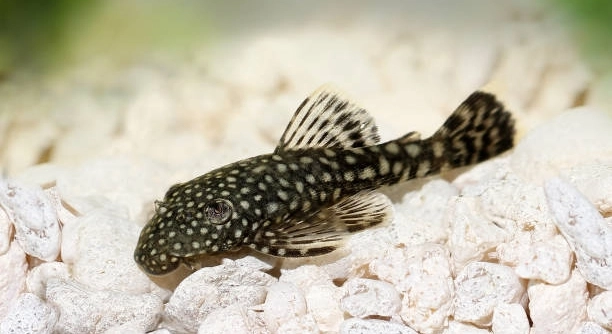
Are your Bristlenose Plecos refusing the food you place in their tank? Feeding these picky eaters can be frustrating, especially when you want to ensure they receive proper nutrition for healthy growth and vibrant coloration.
Offering a varied diet that includes vegetables, algae wafers, and occasional protein sources can improve feeding response in Bristlenose Plecos. Consistent feeding times, strategic placement of food, and observing their preferences are critical for encouraging regular consumption.
Implementing small adjustments in feeding routines can make a significant difference in their eating habits. These practical strategies will help even the pickiest plecos enjoy a balanced diet.
Offer a Variety of Vegetables
Bristlenose Plecos often favor fresh vegetables over processed foods. Including zucchini, cucumber, spinach, and peas in their diet can increase their interest in eating. I have found that lightly blanching vegetables makes them easier to nibble, especially for smaller or younger plecos. Rotating different vegetables throughout the week keeps their meals interesting, helping to prevent them from ignoring the same food repeatedly. Placing vegetables directly on the tank substrate allows the plecos to graze naturally, mimicking their feeding behavior in the wild. Avoid overfeeding any single vegetable, as this can lead to waste or water quality issues. Using a clip or weight to keep vegetables in place ensures they remain accessible for several hours, giving plecos ample time to feed. Observing which vegetables are eaten first can guide your weekly menu, helping you identify their preferences. Overall, introducing variety is one of the most effective ways to maintain healthy feeding habits.
Offering multiple types of vegetables prevents boredom and encourages consistent feeding. Small adjustments can improve nutrition intake noticeably.
Keeping track of which vegetables plecos prefer and rotating options prevents monotony. Using clips or weights ensures food stays in place longer, reducing waste. Blanching tougher vegetables softens them for easier consumption. By observing feeding behavior, you can adjust the selection to favor their preferred vegetables, ensuring a balanced diet. Combining leafy greens with firm options like zucchini allows different textures and nutrients. Feeding at consistent times each day encourages plecos to anticipate meals, strengthening their appetite. This approach not only improves feeding efficiency but also supports their overall health. Paying attention to subtle preferences, such as nibbling patterns or favored vegetable types, helps fine-tune your strategy. Over time, these practices can turn even the pickiest plecos into reliable eaters. The result is a healthier, more active fish that enjoys mealtime, while maintaining stable tank conditions and water quality through managed feeding.
Incorporate Algae Wafers
Algae wafers are a staple for Bristlenose Plecos and can stimulate appetite. They provide essential nutrients and are easy for plecos to recognize as food.
Using algae wafers alongside fresh vegetables ensures a balanced diet. They are convenient, shelf-stable, and consistently accepted by most plecos.
Algae wafers can be placed on the tank floor or near hiding spots where plecos feel secure. This encourages feeding while allowing shy individuals to eat without stress. They are a reliable source of fiber, supporting digestive health and preventing constipation. When paired with fresh vegetables, wafers offer complementary nutrition that covers most dietary needs. Observing how quickly wafers are consumed can indicate the health and appetite of your plecos. Some wafers sink slowly, allowing multiple plecos to feed simultaneously, while others dissolve faster and may require replacement during longer feeding periods. Using wafers strategically during times when vegetables are less favored ensures that plecos do not go hungry. They are also useful during seasonal changes or water parameter adjustments when appetite may fluctuate. By incorporating algae wafers regularly, you create a consistent feeding routine that meets nutritional requirements and keeps even the pickiest Bristlenose Plecos engaged in mealtime.
Feed at Consistent Times
Setting a regular feeding schedule helps plecos develop a routine. Feeding at the same time each day increases their anticipation and encourages more consistent consumption.
I feed my Bristlenose Plecos twice daily, once in the morning and once in the evening. Keeping the timing consistent allows them to associate these periods with food, reducing hesitation. Plecos are more likely to approach vegetables or wafers promptly when they know a predictable feeding window exists. Avoid random or irregular feeding, as this can cause stress or disinterest. Regular schedules also help maintain water quality because uneaten food is less likely to accumulate. Watching how plecos respond over several weeks can help fine-tune feeding times, ensuring maximum participation and reduced waste. This simple routine fosters healthier eating habits and more active, visible fish.
Observing their response during scheduled feedings is key. Adjusting the exact times or amounts ensures all plecos receive proper nutrition and remain active.
Maintaining consistent feeding times also supports the natural circadian rhythm of plecos. When feedings are predictable, shy individuals feel secure enough to leave hiding spots and feed. Over time, this builds confidence and reduces food guarding behaviors. Feeding at specific times also allows you to monitor appetite changes or detect early signs of illness. Regularity benefits tank management, helping prevent leftover food from decaying and affecting water quality. Scheduling feeding in a calm, low-traffic environment encourages participation, while adjusting quantities based on consumption patterns prevents overfeeding. By observing and adapting, you can create a sustainable routine that promotes long-term health and engagement with the food provided.
Offer Sinking Foods
Sinking foods are easier for bottom-dwelling plecos to reach and consume efficiently. Floating foods may go uneaten or be disturbed by other fish.
Choosing sinking pellets, wafers, or small pieces of blanched vegetables ensures plecos can feed without competition. Sinking foods reach the substrate quickly, allowing plecos to graze naturally. Observing which sinking options are preferred can guide your selection and prevent waste. Some sinking wafers dissolve slowly, keeping food available longer, while others are more compact and nutrient-dense. Using a mix of sinking foods alongside fresh vegetables ensures dietary variety and stimulates feeding activity. This approach also reduces leftover food accumulation, helping maintain cleaner tank conditions. Over time, plecos learn to associate these foods with mealtime and readily approach them. Placing sinking foods near hiding spots encourages hesitant plecos to feed. Regularly monitoring consumption and replacing uneaten items promptly supports consistent nutrition and minimizes water contamination. By providing multiple sinking food options, you can keep your plecos engaged and maintain healthy feeding behaviors.
Introduce Protein Occasionally
Adding occasional protein helps support growth and vitality in Bristlenose Plecos. Small amounts of bloodworms, brine shrimp, or sinking protein pellets provide essential nutrients without overwhelming their primary vegetable-based diet.
Proteins should be given sparingly, about once or twice a week. Overfeeding protein can lead to digestive issues or water quality problems. Observing how plecos react helps determine the right amount and type. Using frozen or prepared options reduces the risk of contamination and ensures safer feeding practices. Protein treats can also encourage shy plecos to leave hiding spots and explore new foods, promoting more balanced eating habits over time.
Remove Uneaten Food Promptly
Leaving uneaten food in the tank can degrade water quality and discourage feeding. Removing leftovers after a few hours prevents excess waste.
Adjust Feeding Based on Behavior
Some plecos may eat more slowly or prefer certain foods. Monitoring their behavior and adjusting portion sizes ensures each fish receives adequate nutrition. Observing feeding patterns allows you to identify preferred foods and avoid overfeeding.
Experiment with Food Placement
Changing where food is placed can influence feeding habits. Placing vegetables near hiding spots or along the tank bottom encourages natural grazing behaviors.
FAQ
How often should I feed my Bristlenose Plecos?
Feeding twice daily is usually sufficient. Morning and evening feedings at consistent times encourage routine. Plecos respond well to predictability, and this schedule helps reduce leftover food accumulation. Smaller, more frequent portions can also be beneficial for young or shy fish.
What types of vegetables do Bristlenose Plecos prefer?
Zucchini, cucumber, spinach, and peas are popular options. Blanching harder vegetables softens them, making them easier to eat. Rotating vegetables prevents boredom and ensures a balanced intake of nutrients. Leafy greens combined with firm vegetables provide both fiber and texture variety.
Can I feed my plecos only algae wafers?
Algae wafers are nutritious but should not be the sole diet. They provide fiber and essential nutrients, but fresh vegetables complement them with vitamins and minerals. Using wafers alongside vegetables ensures balanced nutrition and encourages natural grazing behavior.
How do I know if my plecos are eating enough?
Observe feeding behavior and monitor leftover food. Healthy plecos should actively graze on vegetables or wafers during feeding periods. Slow growth, weight loss, or persistent leftovers may indicate they need dietary adjustments. Recording their eating patterns can help track consumption trends.
Is it necessary to remove uneaten food?
Yes, leftover food can pollute the tank and reduce water quality. Removing uneaten items within a few hours prevents decay, helps maintain stable water conditions, and reduces the risk of disease or algae overgrowth. Regular monitoring is essential.
Can Bristlenose Plecos eat protein foods?
Occasional protein is beneficial. Small amounts of bloodworms, brine shrimp, or sinking pellets once or twice a week support growth and vitality. Protein should be limited to prevent digestive issues and maintain water quality. Frozen or prepared options are safer than live feeds.
Where should I place food in the tank?
Placing vegetables or wafers near hiding spots encourages shy plecos to feed. Sinking foods should be positioned on the substrate to mimic natural grazing behavior. Observing which areas plecos prefer helps determine optimal placement for consistent feeding.
How can I encourage picky plecos to eat?
Variety is key. Rotate vegetables, offer sinking wafers, and occasionally add protein. Consistent feeding times and placing food in preferred areas increase engagement. Small adjustments over time can help hesitant plecos develop regular eating habits.
What should I do if a pleco refuses food?
Try different textures and types of vegetables or wafers. Adjust placement and timing of feedings. Monitor for signs of illness, as refusal to eat may indicate health issues. Patience and observation usually help identify preferred foods.
Are frozen foods safe for plecos?
Yes, frozen options like bloodworms or brine shrimp are safe if properly thawed. They reduce the risk of introducing bacteria or parasites compared to live foods. Always rinse frozen items in tank water before feeding to avoid sudden temperature changes.
Can overfeeding harm my plecos?
Yes, overfeeding can cause obesity, digestive issues, and deteriorate water quality. Feed only the amount that can be consumed within a few hours, adjusting portions based on observation of eating behavior. Monitoring food intake is crucial for long-term health.
Do plecos prefer certain textures or sizes?
Yes, soft, blanched vegetables and sinking wafers are often preferred. Smaller pieces are easier for younger or smaller plecos to manage, while adult fish can handle firmer items. Experimenting with texture helps identify favorites.
How do I balance their diet effectively?
Combine fresh vegetables, algae wafers, and occasional protein treats. Observe preferences and adjust portions to ensure all nutritional needs are met. A varied diet prevents monotony and supports digestive health and overall vitality.
Should I feed at night or during the day?
Plecos are nocturnal but will feed during low-light periods if food is available. Feeding in the evening or under subdued lighting often results in more consistent consumption. Regular schedules remain important regardless of time.
How long should I leave food in the tank?
Leave food for a few hours to allow all plecos to access it. Remove uneaten portions afterward to prevent water quality issues. Slow-dissolving wafers can be left longer but should be monitored to avoid decay.
Can tank mates affect feeding?
Yes, aggressive or faster fish can prevent plecos from accessing food. Use sinking foods and place vegetables near hiding spots to reduce competition. Observing interactions helps ensure each pleco gets adequate nutrition.
What signs indicate a healthy feeding routine?
Active grazing, steady growth, vibrant coloration, and minimal leftover food are good indicators. Regular observation and minor adjustments keep feeding consistent and support overall health. Healthy plecos are alert and feed confidently.
Are there supplements I should consider?
If diet is varied with fresh vegetables, wafers, and occasional protein, supplements are usually unnecessary. Focus on quality food items and natural grazing behaviors to meet nutritional needs. Only consider supplements under specific guidance.
How can I prevent food waste?
Feed appropriate portions, remove uneaten items promptly, and monitor consumption. Using sinking foods and proper placement reduces waste, supports water quality, and ensures plecos receive their intended nutrients.
What is the best way to introduce new foods?
Gradually introduce new vegetables or pellets alongside familiar favorites. Observe acceptance and adjust presentation or preparation methods. Small changes reduce stress and increase the likelihood of successful feeding integration.
How important is observation during feeding?
Observation is critical. It helps detect preferences, adjust portions, monitor health, and prevent water quality issues. Regularly watching feeding patterns ensures all plecos receive proper nutrition and remain active.
Can I feed plants directly on the substrate?
Yes, placing vegetables on the substrate mimics natural grazing behavior. Secure them with clips or weights if needed. This placement allows shy or bottom-dwelling plecos to feed without competition.
How do I manage picky behavior long-term?
Maintain variety, consistent schedules, and strategic placement. Gradually introduce new foods while observing consumption patterns. Patience and consistent management encourage regular feeding habits over time.
Is it okay to skip a feeding if plecos are full?
Occasional skipped feedings are safe, especially if they have eaten well previously. Overfeeding is more harmful than slightly reduced frequency. Adjust schedules based on observation of appetite and activity.
How does water quality affect feeding?
Poor water conditions reduce appetite and can cause illness. Maintaining stable parameters, removing uneaten food, and regular tank maintenance support consistent feeding and overall health.
Bristlenose Plecos can be challenging feeders, especially when they show picky behavior. Their natural diet consists mostly of algae, plant matter, and occasional protein sources, which makes it important to provide a balanced combination of foods in captivity. Offering a variety of vegetables, algae wafers, and occasional protein treats ensures they receive essential nutrients for healthy growth and vibrant coloration. Over time, observing their preferences and adjusting feeding strategies can help even the most selective plecos develop consistent eating habits. I have noticed that small, gradual changes in diet and food presentation make a big difference, particularly with shy or younger plecos. Providing options also prevents boredom and supports digestive health, helping the fish maintain stable weight and energy levels.
Consistency in feeding is another key factor that contributes to healthier, more active plecos. Setting regular feeding times each day helps them establish a routine and reduces hesitation at mealtimes. Feeding twice daily, typically in the morning and evening, works well for most Bristlenose Plecos, while occasional adjustments can be made based on observation of appetite and activity levels. Using sinking foods and placing vegetables near hiding spots allows shy individuals to eat comfortably without stress. Removing uneaten food promptly is essential to maintain water quality and prevent leftover food from decaying, which can negatively affect the tank environment. Combining consistent schedules, proper food placement, and careful portioning ensures plecos are well-fed and reduces the risk of overfeeding or nutrient deficiencies.
Patience and observation are essential for long-term feeding success. Some plecos take longer to accept new foods, while others may require changes in texture, size, or preparation. Blanching vegetables or offering smaller pieces can encourage hesitant plecos to explore new options. Monitoring how they interact with different foods and adjusting portions based on consumption patterns allows you to meet individual dietary needs while maintaining overall tank health. Over time, these practices help establish a balanced feeding routine, promote natural grazing behavior, and support both physical and behavioral health. By combining variety, consistency, and careful observation, it is possible to manage picky feeding habits effectively and provide Bristlenose Plecos with a diet that promotes vitality, longevity, and well-being.

Hello,
If you enjoy the content that we create, please consider saying a "Thank You!" by leaving a tip.
Every little bit helps us continue crafting quality advice that supports the health, happiness, and well-being of pets around the world, for pets of all shapes, sizes, and species.
We really appreciate the kindness and support that you show us!